CategoriesBlog

Investing in 2026: What Smart Investors Are Doing Differently

Investing in 2026: What Smart Investors Are Doing Differently

As Dubai moves into 2026, it does so from a position of solid momentum. Real estate transactions recorded in 2025 have already exceeded the total sales volume of 2024, highlighting sustained interest from both investors and tenants. This ongoing demand is being driven by steady population growth, expanding employment opportunities, and Dubai’s continued appeal as a global hub for business, lifestyle, and long-term residency.

Property prices have seen significant appreciation over the past decade. Villa values are now more than 54% higher than their 2014 peak, while apartment prices have climbed over 20%. Naturally, this has led many buyers to question whether investing in 2026 still makes financial sense. However, market fundamentals indicate that opportunities remain strong—especially for investors who prioritize long-term value and data-backed decision-making over short-term price speculation.

Why 2026 Is Emerging as a Smart Year for Property Investment

Following several years of rapid price growth, Dubai’s real estate market is transitioning into a phase of price stability rather than aggressive appreciation. This shift should not be mistaken for a slowdown. Instead, it signals a more mature and balanced market where supply, demand, and affordability are aligning more sustainably.

A significant pipeline of new residential developments is expected to be delivered over the coming years, offering buyers a wider range of options and increased negotiating leverage. Despite this, rental demand remains resilient, supported by continued population inflows and a growing base of skilled professionals relocating to the city.

For investors, this environment makes it essential to evaluate returns carefully. Rental yields should be measured against factors such as mortgage rates, service charges, and the long-term viability of rental income rather than short-term market movements.

Backed by consistent government initiatives, clear regulatory frameworks, and transparent market data from official authorities, Dubai continues to stand out as a destination designed for long-term investment confidence—not speculative risk.

Understanding Dubai’s Multi-Layered Property Market in 2026

A core principle followed by smart investors is the understanding that Dubai does not function as one uniform real estate market. Property performance differs widely based on location, asset class, buyer demand, and the timing of new supply. Each segment behaves independently, creating both opportunities and risks.

Instead of relying only on headline price appreciation, seasoned investors evaluate multiple underlying indicators, including:

  • Population growth patterns and demographic changes

  • Employment generation and business activity expansion

  • Mortgage demand and overall financing trends

  • Project completion timelines and absorption levels

  • Rental yield performance across different communities

  • Leverage exposure among various buyer categories

Insights from the Dubai Land Department and the Dubai Statistics Centre consistently highlight that real demand remains resilient—especially in locations close to employment zones and areas designed for family-centric lifestyles.

Off-Plan Market as a Measure of Investor Confidence

Off-plan sales continue to act as a strong indicator of overall market sentiment. Healthy absorption rates at sensible pricing levels typically reflect genuine end-user demand and long-term investor confidence, rather than short-term speculation.

However, informed investors are now looking beyond initial sales figures. A growing share of off-plan units is actively resold before project completion, meaning these properties effectively enter the market as available supply ahead of handover. This creates added inventory and flexibility within certain micro-markets—especially during shifts in buyer sentiment—despite not always appearing in official supply forecasts.

Recognizing the difference between launched units, sold inventory, and off-plan properties actively trading in the secondary market is critical when evaluating supply risk and investment stability in Dubai’s 2026 property cycle.

Ready vs Off-Plan Properties: Supply Landscape Explained

Ready (completed) properties continue to record healthy absorption rates, largely driven by Dubai’s steadily growing population and consistent end-user demand. This demand is especially strong in established, well-connected communities where infrastructure, amenities, and lifestyle offerings are already in place.

In contrast, off-plan supply is expanding in a more controlled and location-driven manner, rather than being spread uniformly across the city. This targeted development approach has led to the creation of defined submarkets, giving buyers more options and stronger negotiating power within specific areas.

Neighbourhoods such as Jumeirah Village Circle (JVC) and Business Bay are experiencing a significant pipeline of upcoming apartment completions. This reinforces their position as high-activity residential zones. The volume of new supply in these locations is encouraging investors to adopt more selective strategies — with greater emphasis on well-designed layouts, competitive pricing, reputable developers, and projects that offer clear lifestyle differentiation.

Instead of limiting potential, this evolving supply environment benefits informed investors who focus on quality assets within proven, high-demand locations.

Key Investment Areas to Watch in 2026

In addition to JVC and Business Bay, several other districts are set to witness a concentration of higher-density apartment developments, including:

  • Dubai Sports City

  • Dubai Silicon Oasis

  • Town Square

  • Arjan

  • Dubai Studio City

These communities share a similar profile — mid-market, high-volume residential developments — highlighting Dubai’s forward-thinking strategy to accommodate rising housing demand. Importantly, activity remains community-specific rather than citywide, allowing investors to capitalize on increased choice and competitive pricing within individual districts.

Meanwhile, large-scale master-planned areas such as Jebel Ali demonstrate how strategic infrastructure planning, scale, and mixed-use development enable new supply to be absorbed efficiently. This further strengthens long-term confidence in Dubai’s growth-led real estate model.

Why Villas Continue to Deliver Strong Performance

Villas remain one of the most resilient segments of Dubai’s property market, supported by steady end-user demand and a strong preference for family-centric living. While the majority of new residential supply is concentrated in apartments, villa communities benefit from a more controlled and limited release of inventory.

This supply dynamic helps support long-term price stability, particularly in mature neighbourhoods where lifestyle appeal, green spaces, and community infrastructure are well established. Continued demand from residents seeking permanent homes provides a solid foundation for this segment across different market cycles.

As with any real estate investment, the best outcomes are achieved when villas are chosen based on realistic entry pricing, prime location, build quality, and the overall maturity of the surrounding community.

How Smart Investors Are Approaching Property Investment in 2026

As 2026 draws closer, seasoned investors are not stepping away from the market — instead, they are adapting their investment approach with greater precision. Rather than chasing short-term gains, today’s smart investors are focusing on stability, sustainability, and data-backed decisions.

Key shifts in investor behavior include:

  • Placing greater importance on steady rental income instead of speculative price appreciation

  • Choosing ready or near-completion properties with established tenant demand

  • Evaluating returns using conservative rental projections to account for market fluctuations

  • Maintaining disciplined borrowing levels, even with more accessible financing options

  • Partnering with developers known for timely delivery and strong project execution

  • Spreading investments across different asset classes and communities to minimize risk exposure

These strategies highlight a more advanced phase of the market cycle, where long-term performance is driven by careful analysis, risk management, and consistency — not just perfect timing.

Conclusion

For investors with a long-term perspective, 2026 offers a compelling and well-structured opportunity to invest in Dubai’s property market. Factors such as price stability, a wider range of property options, reliable rental demand, and improved access to market data are enabling buyers to make confident, informed decisions.

Dubai’s real estate sector has evolved significantly, becoming more regulated, transparent, and data-led compared to earlier cycles. Ongoing population growth, economic diversification, and strong end-user demand across established and emerging communities continue to support market fundamentals.

Ultimately, investment success in 2026 will depend on informed choices. Investors who prioritize quality assets, realistic pricing, and strong fundamentals aligned with Dubai’s long-term development vision are best positioned to achieve sustainable returns.
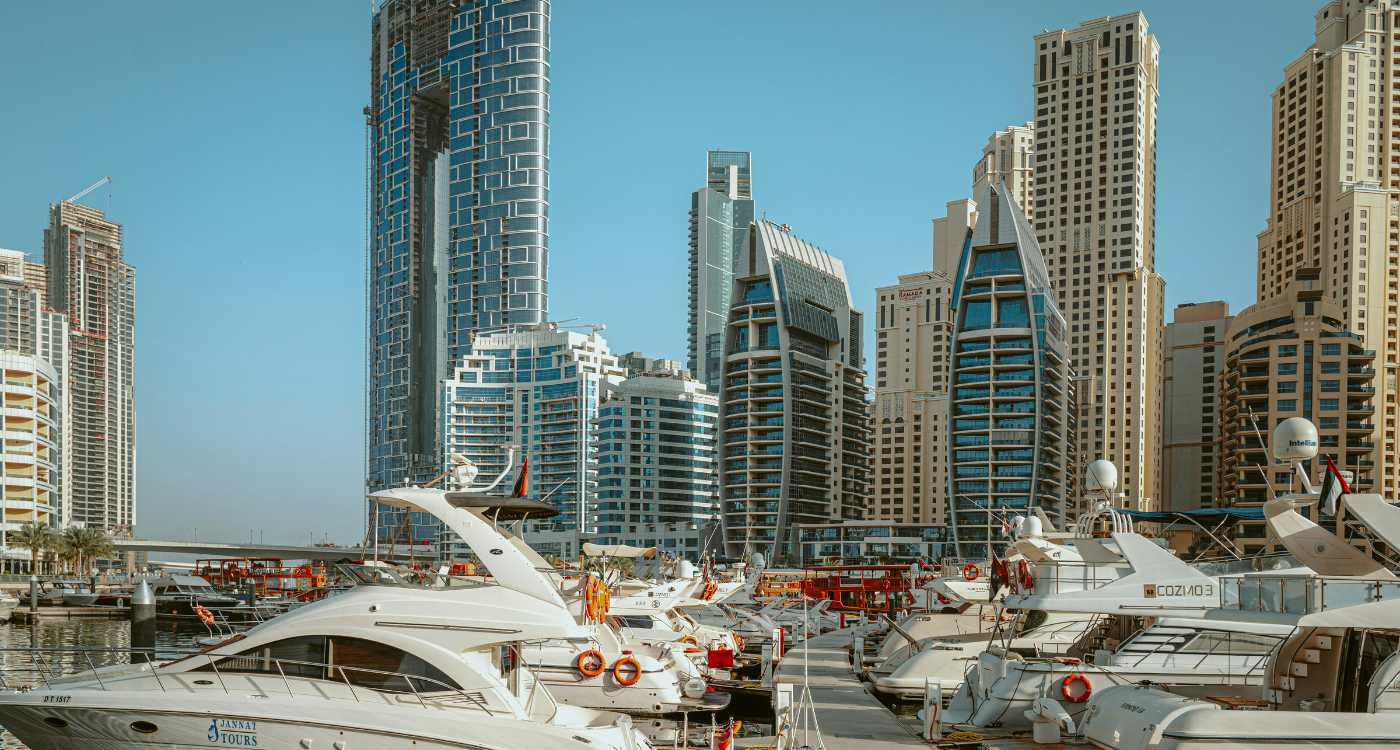

CategoriesBlog

Pros and Cons of Living in WTC Dubai World Trade Centre in 2026

Pros and Cons of Living in WTC Dubai World Trade Centre in 2026

Dubai World Trade Centre (DWTC), also known as WTC Dubai, is one of the city’s most iconic and strategically located districts. Historically known as a global hub for exhibitions, conferences, and business events, the area is now transforming into a premium mixed-use destination that blends residential, commercial, and lifestyle living. With Dubai’s rapid urban development and long-term vision for smart city expansion, WTC is emerging as one of the most desirable addresses in the heart of the city.

By 2026, WTC Dubai is expected to evolve into a vibrant residential and investment hotspot, attracting professionals, entrepreneurs, and high-net-worth individuals. Its proximity to Sheikh Zayed Road, DIFC, Downtown Dubai, and major transport links makes it an ideal choice for those seeking convenience, connectivity, and modern urban living. The introduction of new residential towers, luxury apartments, and lifestyle amenities is further boosting its appeal.

This guide is designed for investors exploring high-return opportunities, working professionals looking for centrally located homes, expatriates relocating to Dubai, and families considering premium urban living. As Dubai’s skyline continues to expand with mixed-use developments and world-class infrastructure, WTC Dubai stands out as a location that perfectly balances business, lifestyle, and long-term growth potential.

Advantages of Living in WTC, Dubai World Trade Centre

Living in WTC, Dubai World Trade Centre suits residents who value structure, central access, and a professional atmosphere supported by strong infrastructure.

Strategic Location with Seamless Road Connectivity

One of the strongest advantages of WTC is its central positioning. The district sits within a major urban corridor, offering direct access to key roads that connect important commercial and residential areas. Getting around rarely involves unnecessary detours, which makes a noticeable difference for people managing busy schedules.

For many residents, living in WTC, Dubai World Trade Centre turns commuting into a predictable and time-efficient routine. Daily travel becomes shorter, routes remain consistent, and reaching offices, meetings, or nearby districts feels far less stressful. Despite this centrality, residential pockets maintain a sense of balance — connected to the city without feeling chaotic.

This is consistent feedback we hear from clients who choose the WTC, Dubai World Trade Centre community. Reduced time in traffic allows them to focus less on commuting and more on how they use the extra hours gained each day.

Business-Centric Environment with Strong Work–Life Convenience

Another key benefit lies in the district’s professional DNA. WTC, Dubai World Trade Centre was built around corporate offices, exhibition venues, and high-level business activity. This foundation shaped the area’s layout, infrastructure, and daily rhythm.

For professionals working within or near the district, living in WTC significantly shortens the distance between home and work. Many residents commute by foot, take short drives, or rely on quick transport links. This closeness removes daily friction — fewer delays, reduced fatigue, and better control over time.

The impact is practical and immediate: less commuting stress, improved punctuality, and more room in the day for personal commitments or professional growth. Some residents relocate here for this reason alone, especially when their companies operate within the wider WTC cluster. Others explore nearby commercial spaces by reviewing offices for rent in WTC through our platform, aligning both work and residence within the same district.

Contemporary Homes with a Practical Unit Mix

Living in WTC, Dubai World Centre means access to modern apartments and serviced residences designed for singles, couples, and small households. The layouts focus on smart space planning rather than oversized rooms, making everyday living more efficient. Most buildings include shared amenities such as fitness gyms, swimming pools, controlled-access lobbies, and dedicated parking, which adds convenience without unnecessary complexity.

Those exploring the area often start by browsing apartments for rent in WTC, Dubai World Centre to compare layouts, building quality, and views. From an investment perspective, reviewing WTC apartments for sale helps highlight how various unit sizes perform in terms of demand, rental stability, and yield potential. Residents seeking a more open feel sometimes consider duplexes for rent in WTC, which offer added space while keeping the benefits of a central location.

The district remains focused on vertical living, keeping the neighbourhood lively without becoming chaotic. It functions as a professional hub that still recognises the need for quiet, liveable residential spaces after working hours.

Amenities and Day-to-Day Lifestyle Convenience

A comfortable lifestyle depends on more than just the apartment itself. Residents need easy access to essentials that support daily routines. Within and around WTC, Dubai World Centre, you’ll find supermarkets, medical clinics, gyms, cafés, and everyday retail outlets—all located within walking distance or a short drive.

Many residents note that daily life becomes more organised over time because necessities are close by. Casual meetings often happen in nearby cafés or hotel lounges, while quick meals with colleagues or friends stay within the same district. The community supports this rhythm without positioning itself as a tourist destination. Instead, WTC feels like a business-focused area that still prioritises comfort and functionality for its residents.

Disadvantages of Living in WTC, Dubai

While WTC offers many advantages, it does not suit every lifestyle or budget. Understanding the limitations helps set realistic expectations before renting or buying.

Higher Living Costs and Premium Location
One of the main considerations is pricing. Central business districts typically command higher rents and property values, and WTC follows this trend. For many professionals, the cost feels reasonable because reduced commute times and proximity to work improve overall quality of life. However, those seeking larger living spaces may find the price per square foot relatively high.

When advising clients interested in WTC, Dubai World Centre living, we often suggest aligning budget with priorities. If location and work accessibility matter most, WTC remains a strong option. If spacious interiors and lower costs are more important, some buyers view WTC mainly as an investment location while choosing a different community for primary residence.

Limited Residential Options
Another limitation lies in housing variety. The WTC community is largely composed of apartments and serviced residences. Villa communities or townhouses are not part of the immediate area. This suits many working professionals, but families looking for private gardens or multi-level homes may find the choices restricted.

Larger families often explore WTC properties for long-term investment while selecting suburban neighbourhoods for day-to-day family living. Meanwhile, residents comfortable with apartment living and central access continue to see WTC as a practical and well-positioned choice.

Reliance on Cars for Daily Movement
Although public transport serves parts of the district, many residents rely on private vehicles or ride-hailing services for commuting and errands. Roads and parking infrastructure generally support this, but it does influence the overall experience.

For residents who already drive, this is usually not a concern. They view WTC, Dubai World Centre as car-oriented yet efficient, with relatively short travel times to business hubs and nearby districts. The convenience of central access often balances out the dependence on private transport.

Lifestyle Zones and Destination Attractions: What to Expect

One noticeable limitation of living in WTC, Dubai World Center relates to the nature of nearby attractions. The district is designed primarily as a business and events hub, with residential living and leisure experiences playing a supporting role. While residents have access to hotels, dining venues, and social meeting spots, the area does not offer a dense cluster of iconic destination attractions right outside their homes.

Most major entertainment and leisure landmarks are located just a short drive away rather than within walking distance. For some residents, this translates into a calmer, more grounded living environment. Others, however, may prefer a livelier atmosphere with more visual energy and attractions close at hand.

It is important to note that this is more about lifestyle preference than accessibility. Thanks to strong road connectivity, many of Dubai’s most recognised venues remain easily reachable, making convenience less of a concern than personal taste.

WTC, Dubai World Center: Upcoming Developments and Future Direction

WTC, Dubai World Center continues to grow, but in a measured and well-planned manner. Development here is steady rather than speculative, with new residential and mixed-use projects emerging on select plots. These newer buildings often feature improved layouts, upgraded amenities, and better connectivity within the district.

This gradual evolution allows the area to modernise without disrupting the organised structure that originally attracted residents. When reviewing our WTC area guide, you will find a balanced mix of ready properties and off-plan projects, each serving a distinct audience.

Some developments cater to corporate stays and serviced residences, while others are designed for long-term residents seeking a centrally located home with a stable environment. This diversity creates flexibility for both end users and investors.

From an investment perspective, the variety opens up multiple strategies. Certain buyers focus on smaller units aimed at rental income, while others prefer larger apartments intended to attract tenants looking to settle in WTC for the long term.

As new projects take shape, close attention is given to practical elements such as ground-floor usage, parking layouts, and building access design. These details play a crucial role in daily living and often influence resident satisfaction more than promotional messaging. Properties that integrate seamlessly with surrounding streets and nearby services consistently demonstrate stronger real-world value.

Comparing WTC, Dubai World Center with Nearby Communities

WTC, Dubai World Center is surrounded by several prominent central districts, each offering similar connectivity but a distinct lifestyle character. Buyers and residents often compare these areas closely before making a decision. The comparison below highlights how WTC positions itself among its neighbours.

1. Downtown Dubai

Downtown Dubai is known for its international appeal, featuring landmark towers, large shopping destinations, and public spaces that remain lively throughout the day and night.

In comparison, living in WTC, Dubai World Center feels more organised and understated, providing central access without the constant crowds and high activity levels associated with Downtown. Residents who choose WTC often value proximity to work and a quieter daily routine, while Downtown typically attracts those seeking a fast-paced lifestyle with immediate access to major attractions.

2. DIFC

DIFC is positioned as a high-end financial district, characterised by art galleries, premium dining, and residential towers designed for senior professionals who prioritise a polished work–life setting.

By contrast, the WTC, Dubai World Center community offers a more practical and grounded residential experience. It delivers strong centrality without the heavy emphasis on luxury branding or curated environments. Many residents choose WTC as a living base while working in DIFC, appreciating the short and predictable commute between the two districts.

Both areas provide excellent accessibility, but the final decision often comes down to lifestyle preference—whether one values a premium financial hub atmosphere or a structured business district with a calmer residential pace.

Conclusion

WTC, Dubai World Trade Centre, occupies a well-defined and central location within the city. It appeals to individuals who value organization, shorter commute times, and a professional atmosphere that still allows for a balanced home life. The area is known for its contemporary residential options, dependable facilities, and a calm, structured lifestyle—ideal for those who prefer efficiency and clarity over constant buzz.

If your near future revolves around corporate responsibilities, frequent meetings in surrounding business districts, and minimizing daily travel, living in WTC, Dubai World Trade Centre is worth considering. You can begin by exploring rental properties in WTC and later expand your search to apartments for sale if you’re planning a long-term base in the area. For a broader perspective, our comprehensive WTC area guide explains how this district can align with your long-term lifestyle and career goals.

CategoriesBlog

Will Dubai’s Luxury Real Estate Market Stabilise or Grow in 2026?

Will Dubai’s Luxury Real Estate Market Stabilise or Grow in 2026?

Over the past few years, Dubai has firmly positioned itself as one of the world’s most dynamic luxury real estate destinations. The city witnessed an exceptional surge in high-value property transactions, driven by global wealth migration, strong economic fundamentals, and rising demand for premium lifestyle-focused residences. From waterfront mansions to branded high-rise developments, Dubai’s luxury segment has outperformed many established global markets.

As the market moves closer to 2026, the conversation is evolving. After a phase of rapid appreciation and heightened demand, investors and end-users alike are questioning whether the luxury sector is entering a period of natural stabilization or preparing for another phase of sustainable growth. This moment is critical, as pricing maturity, supply pipelines, and buyer behavior are all shifting simultaneously.

The core question shaping investor sentiment is clear: Is Dubai’s luxury real estate market stabilizing after its strong run, or does 2026 mark the beginning of a new growth cycle? Understanding the answer requires more than surface-level trends—it demands a deeper look at economic drivers, policy support, demand patterns, and global positioning.

The most recent wave of concern stems from projections for 2025–2026, suggesting that new property supply may outpace demand. As expected, this has led many investors to ask the familiar question:

“Is Dubai’s property bubble about to burst?”

However, when you move past the speculation and look closely at real data, global wealth migration patterns, and actual market behaviour on the ground, the situation appears far more balanced—and far less alarming.

Let’s take a clear, fact-based look at what’s really happening as Dubai moves into 2026.

Will Dubai’s Luxury Real Estate Market Stabilise or Grow in 2026?

Between 2022 and mid-2025, Dubai’s residential property market recorded sustained and structurally driven price growth. This upward trend was not short-term speculation, but the result of long-term demand factors such as population growth, investor confidence, limited supply in prime areas, and strong economic performance.

Apartments located in established and high-demand communities saw average annual price increases of 20% to 24%, while luxury villas and waterfront properties outperformed the broader market, posting even steeper gains due to scarcity and premium buyer demand.

Dubai Residential Property Price Growth (2022–Mid 2025)

YearApartment Price Growth (%)Villa Price Growth (%)
202220%29%
202322%35%
202424%40%
2025 (Mid-Year)23%38%

Luxury villas have seen faster appreciation due to several core demand-side and supply-side factors. Premium locations offer limited availability, which naturally drives up prices. At the same time, high-net-worth individuals are actively seeking properties that provide greater privacy, spacious layouts, lifestyle-focused amenities, and exclusive environments. Master-planned developments, waterfront addresses, and wellness-centric communities have become particularly attractive, accelerating price growth in this segment.

Apartments, on the other hand, remain more widely available, especially within mid-market developments. This larger supply base has helped keep price appreciation more balanced compared to the villa segment.

Importantly, Dubai’s property market has demonstrated strong resilience. While short-term price adjustments have occurred, long-term fundamentals continue to support stability. Factors such as sustained demand from global wealth migration, the Golden Visa long-term residency program, and Dubai’s secure, USD-pegged economic framework have reinforced investor confidence. As a result, the market has proven far more stable and sustainable than surface-level headlines often suggest.

Why Are Experts Predicting a Market Correction?

Global rating agencies such as Fitch and Moody’s are forecasting a potential 10–15% market correction, but the critical detail lies in which property segments are actually vulnerable. The risk is not evenly spread across Dubai’s real estate market.

The mid-tier apartment segment is where pressure is most visible. These properties are typically more affordable, often driven by speculative buyers, and heavily concentrated in high-density locations. In contrast, luxury villas, townhouses, and waterfront homes remain relatively protected. Their resilience comes from limited supply, strong end-user demand, and continued interest from high-net-worth individuals.

So, Why the Caution?

At first glance, the future supply pipeline for 2025–2026 appears overwhelming when viewed purely on paper.

  • Fitch projects nearly 210,000 residential units by 2026

  • Moody’s estimates around 150,000 homes by 2027

For anyone scanning headlines, these figures can feel alarming. However, the data most headlines fail to highlight tells a very different story.

Planned Supply Is Not the Same as Delivered Supply

What gets announced rarely matches what is actually completed and handed over.

While approximately 57,000 units were scheduled for delivery this year, only around 13,800 units were realistically completed. In other words, over 80% of planned projects are still under construction.

This gap between announced supply and real delivery is critical. It reveals that much of the “oversupply fear” is based on projections, not physical inventory entering the market.

For investors, this distinction matters. Property prices react to completed, livable homes — not future promises.

Why This Is Not a Repeat of 2008

The comparison to the 2008 financial crisis is common, but it is largely inaccurate.

Post-2008 reforms reshaped Dubai’s property market. Today, off-plan payments are secured in escrow accounts, and developers only receive funds in line with verified construction progress. This has significantly reduced systemic risk.

Banks have also adopted far stricter lending criteria. Higher down payments and tougher income requirements mean that today’s buyers are mainly end-users and long-term investors, rather than short-term speculators seeking quick exits.

The rental market further supports this stability. Nearly 70% of tenants choose to renew their leases, reflecting genuine occupancy demand rather than speculative churn. Luxury villas typically generate 3–5% yields, while prime apartments can achieve 5–7%, offering both steady income and long-term capital appreciation.

This shift in buyer composition is important. Demand is now driven by residency, lifestyle choices, and long-term wealth planning, not short-term speculation.

Together, these factors point toward a market that is becoming more disciplined and structurally sound.

A Fast-Growing Market Eventually Needs to Rebalance

After several years of rapid expansion, Dubai’s real estate sector is entering a more measured and sustainable phase. The market is clearly transitioning from:

High-speed speculation → selective, long-term investment

Key trends shaping this evolution include:

  • Increased end-user occupancy

  • Longer holding periods among investors

  • More structured developer payment plans

  • Stable rental renewal rates

  • A growing emphasis on quality over hype

This is a sign of market maturity, not decline.

Not Every Segment Faces the Same Risk — and That’s Where Smart Investors Succeed

Oversupply pressures are not uniform across Dubai.

The most exposed areas tend to be:

  • Entry-level and mid-market apartments

  • Locations with frequent new project launches

  • Developments designed primarily for speculative demand

Meanwhile, the most resilient segments include:

  • Villas and townhouses in established master communities

  • Premium, high-demand locations

  • Projects delivered by reputable, top-tier developers

  • Limited-supply beachfront and lifestyle-focused neighborhoods

This is no longer a market where indiscriminate buying guarantees returns. Success now depends on asset quality, location selection, and a long-term investment mindset.

Why Off-Plan Performs Best When Chosen Strategically

Off-plan real estate continues to dominate the market, contributing to over 70% of total property transactions in early 2025. This growing preference is driven by several compelling advantages for buyers and investors:

  • Flexible, milestone-based payment plans

  • Strong potential for capital appreciation

  • Higher long-term return on investment (ROI)

  • Early access to emerging, high-growth communities

Historically, Dubai’s oversupply issues have been concentrated in ready properties, particularly mid-range apartments released in large volumes at the same time. These projects were often designed for scale rather than true end-user or investor demand.

In contrast, today’s luxury off-plan developments follow a very different model. They are typically launched in phases, carefully tested against market demand, and released in limited numbers. Because of this structured approach, oversupply pressure usually affects the ready mid-market first, while well-selected luxury off-plan projects remain comparatively insulated.

Ready Property vs Off-Plan Property: Key Differences

FactorReady PropertyOff-Plan Property
When supply enters the marketImmediately upon handoverGradually over 2–5 years
Impact on pricingSudden deliveries can push prices downStaggered supply helps stabilise prices
Oversupply riskHigher, especially in mid-tier segmentsLower, particularly in luxury and phased launches
Investor priorityQuick occupancy or rental incomeCapital growth supported by payment plans
Market absorptionBulk inventory is harder to absorbEasier absorption as demand builds over time
Effect on luxury segmentLimited impact due to scarce ready luxury stockStrong advantage, as most luxury launches are off-plan

The Real Risk: Not Off-Plan, but Poor Choices

Off-plan property itself is not inherently risky. The real risk comes from selecting the wrong project, investing in an unsuitable location, or entering the market without a clear exit strategy. When chosen wisely—aligned with demand, developer credibility, and long-term market trends—off-plan investments can outperform many ready-property options, especially in the luxury segment.

Is Dubai’s Property Bubble About to Burst?

Short answer: No.
Dubai is not moving toward a 2008-style market collapse.

What the market is experiencing instead is a controlled recalibration, not a crash. The likely outcomes include:

  • A 10–15% price correction in select apartment-heavy locations where supply exceeds demand

  • Healthier and more sustainable price growth across the broader market

  • Outperformance in villas, townhouses, and prime districts

  • Continued demand from end users and international buyers

  • A more mature market cycle that rewards informed and strategic investors

For investors, the biggest risk isn’t a market downturn — it’s choosing the wrong project in the wrong location.

Is Dubai’s Property Bubble About to Burst?

Short answer: No.
Dubai is not moving toward a 2008-style market collapse.

What the market is experiencing instead is a controlled recalibration, not a crash. The likely outcomes include:

  • A 10–15% price correction in select apartment-heavy locations where supply exceeds demand

  • Healthier and more sustainable price growth across the broader market

  • Outperformance in villas, townhouses, and prime districts

  • Continued demand from end users and international buyers

  • A more mature market cycle that rewards informed and strategic investors

For investors, the biggest risk isn’t a market downturn — it’s choosing the wrong project in the wrong location.

Get Expert Support for Your Dubai Property Investment

Making the right property decision requires more than market headlines.
Explore Luxury Spaces’ curated portfolio of eco-luxury residences, from Solaya by Meraas to exclusive penthouses and villas, where architecture, sustainability, and long-term opportunity come together.

What Should Smart Investors Do Now?

If you’re planning to invest this year, success depends on strategy — not speculation. Follow this proven framework:

  • Be selective and work only with reputable, established developers

  • Choose master-planned communities with long-term vision and infrastructure

  • Adopt a 3–7 year investment horizon, not short-term flipping

  • Clarify your exit strategy: hold, rent, or resell

  • Focus on villas and low-supply asset classes

At the same time, investors should avoid oversaturated apartment markets, especially areas dominated by studios and one-bedroom units. Districts such as Business Bay and JVC, where supply is dense, are more vulnerable to short-term corrections.

Where to Focus in 2026: High-Potential Zones & Segments

The following locations are supported by long-term infrastructure investment, including schools, healthcare, transport links, leisure hubs, and integrated green spaces — all of which create sustainable lifestyle-driven demand.

1. Emerging Growth Corridors

Areas such as Expo City Dubai, Dubai South, and surrounding corridors offer early-mover advantages. These communities are still in development phases, allowing buyers to enter before demand fully matures. Long-term value here is driven by infrastructure expansion, employment hubs, and future global events.

2. Lagoon & Wellness-Centric Master Communities

Nature-focused developments centred on water features, green corridors, and low-density planning are increasingly attractive to end users. These communities prioritise sustainability and lifestyle quality, resulting in steadier appreciation and reduced volatility.

3. Waterfront, Beachfront & Boutique Villa Districts

Dubai’s natural coastline is limited — and that scarcity matters. Curated waterfront and villa developments benefit from genuine supply constraints. Demand is largely end-user driven, often backed by cash buyers seeking privacy, premium amenities, and long-term lifestyle value, making this segment more resilient to short-term market shifts.

4. Abu Dhabi’s Evolving Luxury Market

Abu Dhabi is undergoing a significant transformation in its luxury residential sector. Communities near Yas Island, Abu Dhabi International Airport, and key connectivity routes toward Expo City and Dubai South are gaining traction.

The arrival of Disney’s upcoming theme park, along with major hospitality and lifestyle investments, is strengthening Abu Dhabi’s global appeal. Landmark developments such as Four Seasons Residences, Fahid Island by Aldar, and Bayn by ORA cater to both ultra-luxury buyers and family-focused residents.

5. Selective Off-Plan Opportunities

Carefully chosen off-plan launches from top-tier developers continue to offer strong upside, particularly when backed by proven delivery records, limited supply, and prime locations.

Conclusion

Dubai’s luxury property market in 2026 isn’t declining — it’s evolving. The phase of rapid acceleration is giving way to stable, sustainable growth.

The real question isn’t whether the market is rising or falling, but where you invest, who you buy from, and the fundamentals behind each development.

Oversupply remains concentrated in certain mid-market apartment segments, while luxury real estate is supported by genuine end-user demand, global wealth inflows, and disciplined development planning.

Dubai continues to stand out globally for lifestyle-driven capital appreciation, particularly in limited-supply communities, waterfront locations, and carefully selected off-plan projects.

CategoriesBlog

Top Residential Areas Near Expo City Dubai for Maximum ROI

Top Residential Areas Near Expo City Dubai for Maximum ROI

Expo City Dubai has rapidly evolved from a global event destination into one of Dubai’s most promising long-term urban hubs. Designed with sustainability, innovation, and connectivity at its core, the area is now positioned as a future-ready city that supports residential, commercial, and lifestyle developments under one integrated master plan.

What makes Expo City Dubai particularly attractive from a real estate perspective is its transformation into a mixed-use smart city. With planned business districts, educational institutions, cultural spaces, and green mobility infrastructure, the city is no longer seasonal or event-driven—it is built for continuous economic and population growth. This shift has significantly strengthened its appeal among end-users and long-term investors alike.

Proximity to Expo City Dubai plays a crucial role in shaping real estate performance. Residential communities nearby benefit from consistent rental demand, driven by professionals working within Expo City and surrounding business zones. At the same time, large-scale infrastructure investment and controlled development supply support steady capital appreciation over time. For investors, this combination reduces risk and enhances overall market confidence, especially when compared to more saturated central locations.

As Dubai’s growth corridor continues to expand toward the south, investors are increasingly focusing on ROI-driven residential choices near Expo City Dubai—areas that balance affordability, future growth potential, and sustainable rental yields. This makes nearby communities a strategic consideration for anyone exploring Expo City Dubai investment opportunities or seeking strong property ROI near Expo City.

Why Invest in High-ROI Residential Areas Near Expo City Dubai?

Expo 2020 marked a defining moment in the UAE’s development journey. Hosting 192 participating countries and welcoming millions of international visitors, Dubai emerged as a global hub for innovation, business, and tourism.

Beyond the success of the event itself, the UAE government strategically planned for the future of the site. Through forward-thinking policies and long-term initiatives, the Expo 2020 location was transformed into what is now Expo City Dubai, a sustainable urban destination designed for continued economic growth.

Adding further investment appeal is the close proximity to Al Maktoum International Airport, which is set to become the world’s largest and busiest airport in the coming decade. This major infrastructure project significantly boosts the investment potential of Expo City Dubai and the surrounding residential communities, making them attractive choices for both rental income and capital appreciation.

HIGH-ROI PROPERTY LOCATIONS NEAR EXPO CITY DUBAI

Is investing in properties close to Expo City Dubai a smart move in 2025? If you’re looking to maximise returns and make a well-informed investment, exploring nearby high-performing communities is essential. Below is a curated list of the best areas near Expo City Dubai offering strong return on investment (ROI) for property buyers.

Best Communities Near Expo City Dubai for Villa Investments

This section highlights the top villa communities near Expo City Dubai that consistently deliver attractive ROI, making them ideal for long-term investors and end-users alike.

AreaAverage ROI
Jumeirah Golf Estates6.45%
Al Furjan5.00%
Dubai South4.75%

Jumeirah Golf Estates

Jumeirah Golf Estates ranks first among residential communities near Expo City Dubai offering the highest return on investment (ROI). Located just a 15-minute drive from Expo City, this premium neighbourhood is home to two world-class golf courses, making it a standout choice for luxury living and long-term investment.

The community features luxurious villas ranging from 2 to 6 bedrooms, surrounded by expansive green landscapes. Spread across 1,100 hectares, Jumeirah Golf Estates boasts beautifully designed open spaces, five scenic lakes, and extensive greenery, making it ideal for buyers who value a peaceful, nature-centric lifestyle. Villas for sale in Jumeirah Golf Estates currently offer an ROI of 6.45%, one of the highest in nearby areas.

Average villa prices in Jumeirah Golf Estates:

  • 3-bedroom villas: AED 4.98M

  • 4-bedroom villas: AED 8.22M

  • 5-bedroom villas: AED 17.5M

Al Furjan

With a solid ROI of 5.00%, Al Furjan secures the second position among villa communities near Expo City Dubai with strong investment potential. The area is approximately a 15-minute drive from Expo City and enjoys excellent connectivity via Sheikh Mohammed Bin Zayed Road (E311), ensuring smooth access to key parts of Dubai.

Al Furjan is well-suited for families seeking a quiet, green, and family-friendly environment, away from the fast pace of the city centre. The community offers spacious villas in a calm setting, making it a popular choice for end-users and investors alike.

Average villa prices in Al Furjan:

  • 3-bedroom villas: AED 4.17M

  • 4-bedroom villas: AED 6.62M

  • 5-bedroom villas: AED 9.80M

DUBAI SOUTH

Covering an expansive 145 square kilometres, Dubai South is designed as a self-sustained master city, offering residential, commercial, and lifestyle developments all in one destination. Villas in this area currently deliver an estimated return on investment (ROI) of around 4.75%, making it a strong option for long-term investors.

Based on recent villa sale transactions in Dubai South, The Pulse Villas and Expo Golf Villas continue to attract high buyer interest and remain among the most sought-after communities for villa purchases.

If you’re exploring the best locations to buy property near Expo City Dubai, Dubai South stands out for both affordability and growth potential.

Average Villa Prices in Dubai South

The average cost of a 3-bedroom villa in Dubai South is approximately AED 3.15 million.
For larger homes, buyers can expect to pay around AED 4.26 million for a 4-bedroom villa, while a 5-bedroom villa averages AED 5.60 million.

Below is a snapshot of average villa sale prices (in AED) across high-ROI residential areas near Expo City Dubai:

Neighbourhood3-Bed4-Bed5-Bed6-Bed
Jumeirah Golf Estates4,989,0008,228,00017,498,00026,634,000
Al Furjan4,170,0006,620,0009,804,00011,147,000
Dubai South3,156,0004,268,0005,605,00012,000,000

Top Communities Close to Expo City Dubai Offering the Best ROI for Apartments

Curious about the rental returns you might earn near Expo City Dubai? If apartment investing is your focus, here are some of the most sought-after areas in Dubai that deliver strong rental yields near Expo City Dubai:

AreaExpected ROI
Dubai Investment Park9.35%
Discovery Gardens8.71%
Dubai Sports City6.43%
CategoriesBlog

What’s the Smarter Property Choice in Dubai: Buy or Rent?

What’s the Smarter Property Choice in Dubai: Buy or Rent?

At some stage, most people living in Dubai face an important housing decision: is it better to buy a property or continue renting? Life in the city moves fast, and personal circumstances often change just as quickly. Careers progress, families expand, future plans shift — and suddenly, where and how you live becomes a major consideration.

Many residents arrive in Dubai thinking short-term, only to realise later that the city feels like home for the long run. Others hesitate due to concerns about property prices, long-term expenses, and financial commitments. This is where confusion usually begins — because both buying and renting can seem like the right option at first glance.

However, these two choices affect your finances, lifestyle comfort, and long-term stability in very different ways. Understanding those differences clearly is essential before making a decision.

This guide breaks down Dubai home ownership vs renting in a simple, structured way, helping you weigh each option properly. Whether you’re looking for clarity or planning to use a Dubai buy vs rent calculator to make a more calculated decision, this guide will walk you through every layer — calmly and logically.

Why the Buy vs Rent Decision Matters in Dubai’s Property Market

Housing decisions in Dubai are rarely made in isolation. The real estate market evolves rapidly, with frequent project launches, new master communities, and growing demand from international investors. In a recent quarter, nearly 70% of residential transactions came from off-plan properties, a noticeable rise compared to earlier periods.

This trend highlights how many buyers are focusing on future-ready developments, hoping for better pricing and long-term value. Such market shifts directly influence the rent vs buy in Dubai conversation.

Choosing whether to buy or rent isn’t just about today’s costs — it’s about planning for the future. Factors like lifestyle stability, financial risk, flexibility, and yearly expenses all come into play. Over time, the simple question of “Should I buy or rent a property in Dubai?” evolves into a deeper reflection on how you want to live and grow in the city.

Before diving into calculations and comparisons, it’s important to understand one more key factor: Dubai’s real estate market is increasingly leaning toward new and emerging communities, which impacts both buyers and renters differently.

What Is a Dubai Buy vs Rent Calculator? Purpose and Key Comparisons

Many smart property decisions begin with a calculator. A Dubai buy vs rent calculator helps compare the total cost of purchasing a home versus renting one over the same time period. Its goal is straightforward — to show the true financial difference between owning and renting.

Typically, such calculators evaluate four major components:

  • Property purchase price

  • Monthly rental cost

  • Mortgage tenure and interest rates

  • Annual service charges and community fees

Some advanced calculators also factor in potential property value growth. For instance, recent market data shows that villa and townhouse communities recorded growth of around 22%, while apartments saw approximately 12% appreciation in certain areas. These figures can significantly impact long-term ownership outcomes.

Key Variables Used in the Calculator

Every rent vs buy in Dubai calculation depends on a few essential inputs. While they appear as simple fields, each one plays a major role in shaping the final result.

Property Price
The property price forms the foundation of the calculation. It determines the down payment amount, mortgage size, and overall ownership cost. Even a small price change can significantly affect the outcome.

Monthly or Annual Rent
Rent usually stays stable in the short term but may change with market conditions over time. This figure helps measure whether renting remains cost-effective based on how long you plan to stay in Dubai.

Mortgage Structure
This includes the interest rate, loan tenure, and repayment method. These elements define how ownership costs are spread over time and strongly influence monthly expenses.

Holding Period
The holding period reflects how long you expect to live in Dubai. Short stays often favour renting, while longer stays can make buying more practical and financially rewarding.

Annual Maintenance and Service Charges
Most Dubai properties, especially in modern communities, include annual service and maintenance fees. These costs apply to owners, not tenants, which is why the calculator always factors them in.

Expected Property Appreciation
Although no calculator can predict the future, expected appreciation allows you to test different growth scenarios. This helps estimate potential value gains over time.

How the Calculator Works

Below is a clear step-by-step breakdown of how a Dubai rent vs buy calculator processes the data:

  • It starts with the property price and subtracts the down payment.

  • It calculates the monthly mortgage cost across the loan tenure.

  • It adds annual service charges and estimated maintenance costs.

  • It factors in the expected appreciation of the property value.

  • It compares the total ownership cost with the total rent paid over the same period.

Once both calculations are complete, the tool displays the difference. This shows whether renting or buying is more cost-effective for your specific timeline. A buy vs rent calculator in Dubai becomes most powerful when you adjust the inputs to compare short-term, mid-term, and long-term stays.

When Renting Is the Better Option

When Renting Makes More Sense

For many residents, renting can be the more practical choice based on lifestyle, financial plans, and future uncertainty. It is especially suitable for those who prioritise flexibility and prefer to avoid the long-term responsibilities that come with owning property. In several situations, renting proves to be the smarter option:

Short-term plans: If your stay in Dubai is likely to be temporary or uncertain, renting allows you to move freely without being tied down by a property purchase.
Lifestyle flexibility: Renting makes it easier to shift between neighbourhoods, which is ideal for professionals or families whose work location, personal needs, or preferences may change over time.
Lower upfront commitment: Renting eliminates the need for large initial payments such as down payments, property registration fees, and ownership-related charges.
Waiting out the market: If you prefer to monitor property prices and market trends before investing, renting gives you the freedom to wait without financial exposure.
Maintenance-free living: Ongoing maintenance and major repairs are handled by the landlord, helping renters manage predictable monthly expenses without added responsibility.

Dubai-Specific Market Considerations

Dubai’s real estate market operates with its own set of rules and cost structures. Understanding these regional factors is essential before deciding whether to rent or buy, as they directly influence the overall financial impact.

Transfer and Registration Fees

Property buyers must account for transfer and registration costs at the time of purchase. These mandatory charges form a significant part of the total ownership expense and should never be overlooked.

Annual Service Charges

Every building or community applies yearly service fees to property owners. These charges vary depending on the location and amenities offered. Factoring them in is crucial to accurately assess long-term ownership costs.

Rental Price Trends

Rental prices in Dubai fluctuate based on demand and location. Some areas experience quicker shifts than others. Even with one-year rental contracts, tenants should stay aware of market movements.

Mortgage Eligibility and Access

Home financing in Dubai follows regulated guidelines tied to income level, age, and property type. Access to favourable mortgage terms can make buying feel more achievable and financially comfortable.

Buying vs Renting in Dubai: A Simple Comparison

The table below highlights the key differences between buying and renting property in Dubai. It simplifies the long-term cost discussion by presenting everything in a quick, easy-to-understand format.

AspectBuying Property in DubaiRenting Property in Dubai
Initial CostRequires a higher upfront payment, mainly due to the down paymentInvolves a lower to moderate upfront expense
Monthly PaymentsFixed mortgage payments provide long-term stabilityRent can increase or change on a yearly basis
FlexibilityLess flexible, as selling or moving takes timeOffers greater freedom to relocate
Property ControlComplete control over the propertyLimited control, subject to landlord rules
Long-Term BenefitsBuilds ownership and equity over timeDoes not create any equity
Ongoing FeesService and maintenance fees are paid by the ownerProperty-related fees are handled by the landlord

This table is not meant to make the decision for you. Instead, it serves as a reference point, helping you clearly understand the direction and nature of each option.

How to Interpret the Results: Beyond Just Numbers

A buy-versus-rent comparison goes far beyond simple calculations. It requires understanding how you want to live in Dubai and how much long-term certainty you seek. While the calculator provides a structured overview, the final choice depends on several personal and practical factors:

Lifestyle preferences: Consider the lifestyle that suits you best. Some people prefer the consistency and control that come with owning a home, while others appreciate the flexibility to relocate across communities without long-term commitments.
Future outlook: Think about how long you plan to stay in Dubai, where your career is heading, and whether you expect changes in your family or personal goals. These factors strongly influence whether buying or renting is the more suitable option.
Risk tolerance: Assess your comfort level with property market shifts, interest rate changes, and the responsibilities that come with ownership. Some residents accept these risks in return for long-term value, while others choose renting for its simplicity and lower responsibility.

Conclusion

The Dubai buy vs rent calculator brings clarity to a complex decision by laying out the true cost of each option. When combined with your long-term plans, risk appetite, and preference for stability, the right choice often becomes clearer and less overwhelming. Whether you decide to buy or continue renting, it’s important to align the decision with your time horizon in Dubai, financial patterns, and desired level of security.

For deeper insights into local market trends or professional support while comparing properties across different areas, Luxury Spaces offers expert guidance at every step, ensuring clarity and confidence throughout your decision-making process.

Frequently Asked Questions (FAQs)

1. What is a buy vs rent calculator and how does it work?
A buy vs rent calculator helps compare the total cost of owning a property with the cost of renting over a chosen time frame. It uses inputs such as property price, rental value, mortgage details, service charges, and expected growth to give a clear cost comparison.

2. When is buying a property in Dubai a better option than renting?
Buying becomes a smart choice for people planning to stay long term, earning stable income, and looking for financial security. Ownership allows equity building instead of paying rent every year without creating long-term value.

3. When does renting in Dubai make more sense than buying?
Renting is more suitable for short-term stays, frequent relocations, lower upfront costs, or when someone is unsure about long-term commitments and property ownership responsibilities.

4. What financial elements does a buy vs rent calculator evaluate?
The calculator considers factors such as purchase price, rental costs, mortgage interest, additional fees, maintenance expenses, and future property growth to identify the most cost-effective option over time.

5. How do mortgage interest rates influence the buy vs rent decision?
Mortgage rates directly impact monthly payments and the total cost of ownership. Higher or lower rates can shift the balance, making either buying or renting more financially practical depending on long-term plans.

6. Are service charges and maintenance costs included in the calculation?
Yes, annual service charges and regular maintenance expenses are included, as they significantly affect the overall cost of owning a property and long-term affordability.

7. How long should someone stay in Dubai before buying a property makes sense?
Buying usually makes sense when a person plans to stay for several years, as longer occupancy helps offset initial costs and allows owners to gain real value from their investment.

8. How does property appreciation impact the calculation results?
Property appreciation increases future resale value and potential returns, helping buyers understand whether ownership delivers greater financial benefits compared to renting over time.

9. Can expatriates use a buy vs rent calculator for future planning?
Yes, expatriates can use the calculator to test different scenarios, compare timelines, and decide whether buying or renting aligns better with their long-term goals in Dubai.

10. Does renting provide more flexibility than buying?
Yes, renting offers greater flexibility by allowing quick relocation, lifestyle changes, and freedom from long-term financial commitments and maintenance responsibilities.

CategoriesBlog

VAT Refund in Dubai: A Complete Guide to Process, Rules, Eligibility & Tips

VAT Refund in Dubai: A Complete Guide to Process, Rules, Eligibility & Tips

Dubai offers a world-class shopping experience that attracts visitors from across the globe. From massive luxury malls to charming local boutiques, the city is a shopper’s paradise. However, it’s important to note that purchases in Dubai are subject to Value Added Tax (VAT). The Federal Tax Authority (FTA) introduced VAT in Dubai on 1 January 2018, and since then, multiple VAT refund schemes have been launched. These programs allow eligible residents, international businesses, and tourists to claim a VAT refund in Dubai.

Tourists can apply for a VAT refund only when departing the country, usually at Dubai International Airport. VAT refunds cannot be claimed while you are still inside the UAE. By the end of this guide, you’ll have a clear understanding of how, where, and when to claim your VAT refund in Dubai. This complete guide will help you navigate the VAT refund process smoothly and maximize your savings.

What Is a VAT Refund in Dubai?

Value Added Tax (VAT) is an indirect tax applied at every stage of the supply chain, from production to final sale. While VAT is common worldwide, Tax-Free Dubai has gained popularity among tourists due to its efficient VAT refund system. The VAT refund in Dubai allows businesses, employees, and tourists to recover VAT paid on eligible goods, accommodation, or services when the input tax exceeds the output tax during a tax period.

Tourists can claim a VAT refund of up to 85%, though a tag-less processing fee of AED 4.80 per receipt applies. The maximum refund amount per tourist is capped at AED 35,000. Refunds can be processed in cash (within the allowed limit) or credited via credit cards, WeChat, or directly to the tourist’s preferred bank account.

In November 2018, the Dubai government, in collaboration with the Federal Tax Authority (FTA), officially approved the VAT refund system for tourists. This initiative enables visitors to reclaim VAT on selected goods purchased during their stay in the UAE. The system was introduced following the implementation of a single payment mechanism after the launch of the 5% VAT rate in Dubai. It’s important to note that VAT refunds are available only for purchases made from retailers registered under the official VAT refund scheme.

Advantages of the VAT Refund System in Dubai

Dubai’s VAT refund system allows tourists to reclaim VAT on eligible purchases made either online or in-store, helping promote retail tourism while reducing overall shopping costs for travellers. Visitors can claim refunds on selected goods such as designer clothing, electronics, jewellery, and other qualifying retail items.

The system is designed to be tourist-friendly and easy to use, following globally accepted tax-free shopping standards to ensure a smooth and transparent refund process.

Overview of the Dubai VAT Refund System

FeatureDescription
VAT Rate5%
Eligible PurchasesGoods purchased by tourists for export, including luxury products, electronics, and similar items
Non-Eligible PurchasesServices, hotel accommodation, dining expenses, food items, and consumables
Refund ProcessFully digital tax-free shopping system
Processing FeeAED 4.80 deducted per tax-free tag
Refund Collection PointsAirports, seaports, and land border exits

Why VAT Refund in Dubai Attracts Tourists Worldwide

Dubai’s real estate market is not the only factor drawing millions of visitors every year. Several other key advantages — most notably Tax-Free Dubai and its VAT refund system — make the city an attractive destination for both tourists and long-term residents. This VAT refund mechanism benefits international visitors in multiple ways, such as:

  • Fast & Fully Automated Process: Dubai follows a completely digital VAT refund system, ensuring quick, smooth, and error-free processing.

  • In Line with Global Standards: The VAT refund framework aligns with international tax refund practices, offering tourists a familiar and hassle-free experience.

  • Strong Boost to the Tourism Industry: Dubai is globally renowned for its iconic architecture and luxury lifestyle. An efficient VAT refund system encourages tourists to indulge in premium shopping, which is often more affordable in Dubai compared to other countries.

Goods Not Eligible for VAT Refund in Dubai

While exploring the benefits of VAT refunds in Dubai, tourists should also be aware of the items that do not qualify for VAT refunds:

  • Aircraft, motor vehicles, and boats

  • Goods that have been partially or fully consumed within the UAE or any GCC Implementing State

  • Products not carried by the tourist at the time of departure from Dubai

To avoid delays or rejection during validation, travellers are advised to arrive at the airport well in advance of their departure time.

Dubai Airport VAT Refund Eligibility Criteria

Before understanding the refund process and timelines, it is important to know the eligibility requirements for claiming VAT refunds in Dubai:

  • Non-Resident Status: Applicants must be non-residents of the UAE or any other GCC country.

  • Minimum Purchase Value: A single transaction must amount to at least AED 250.

  • Refund Claim Time Limit: VAT refund requests must be submitted within 90 days (3 months) from the purchase date.

  • Unused Goods: Items must remain unused and unconsumed within the UAE.

  • Non-Eligible Items: Vehicles, boats, aircraft, and goods purchased online are not eligible for VAT refunds.

How Tax-Free Shopping Works in Dubai

Tax Free Dubai allows tourists to claim VAT refunds on purchases made from participating retailers when leaving the country. These retailers can be easily identified by the “Tax-Free” signage displayed in their stores. Goods purchased from such retailers must be exported from the UAE within 90 days of purchase.

To qualify for a VAT refund, the minimum spending threshold remains AED 250 per transaction.

If you make smaller purchases, it is recommended to consolidate them at a single store to simplify the refund process. Always request the VAT refund at the time of payment, as many retailers may not process refunds unless asked.

During checkout, the cashier will request your passport and scan it into the system. If the physical passport is unavailable, a digital copy is generally accepted.

VAT Refund Schemes Available in Dubai

Dubai offers multiple VAT refund schemes designed to benefit different eligible groups. Each scheme has a specific purpose to support businesses, residents, and tourists.

VAT Refund SchemeEligible CategoryPurpose of the Scheme
VAT Refund for Foreign BusinessesForeign BusinessesEnables overseas companies to reclaim VAT paid on eligible business-related expenses incurred in the UAE.
VAT Refund for UAE Nationals Building New HomesUAE Nationals constructing new residential propertiesAims to support UAE nationals by allowing VAT recovery on construction costs for newly built homes.
Electronic VAT Refund Scheme for TouristsTouristsEncourages tourism by offering VAT refunds on eligible purchases made during visits to the UAE.

Conclusion

Understanding how VAT refunds work in Dubai can help tourists recover eligible expenses, businesses improve cash flow, and UAE nationals benefit from government-backed refund schemes. With the right knowledge, the VAT refund process becomes far more straightforward and less time-consuming.

Keeping your invoices, receipts, and supporting documents well organised is essential for a smooth and successful claim. Accurate records not only speed up processing but also reduce the chances of delays or rejections by the authorities.

Need expert help with VAT filing or refunds? Contact us for reliable guidance and end-to-end support to ensure your VAT matters are handled correctly and efficiently.

Frequently Asked Questions (FAQ)

Can I get a VAT refund without receipts?

No. Valid tax invoices or original receipts are mandatory for any VAT refund claim in Dubai. Without proper documentation, refund requests are usually rejected by the authorities, whether the applicant is a tourist or a business.

How much VAT can tourists claim?

Tourists can generally claim a refund on most eligible purchases made at VAT-registered stores participating in the tax-free shopping scheme. While the VAT rate is 5%, a small processing fee may be deducted from the total refundable amount.

Can businesses claim VAT on all expenses?

Not all expenses are refundable. Businesses can only claim VAT on eligible costs that are directly related to taxable business activities. Certain expenses, such as entertainment or non-business-related purchases, may be partially or fully restricted.

What if my refund request is rejected?

If a VAT refund request is rejected, the reason is usually related to missing documents, incorrect invoice details, or ineligibility. In many cases, businesses can correct the errors and resubmit their claim. Tourists should ensure all receipts are validated before departure to avoid rejection.

CategoriesBlog

UAE Tax Changes: New Rules Every Business Must Follow Effective January 2026

UAE Tax Changes: New Rules Every Business Must Follow Effective January 2026

Whenever the UAE Ministry of Finance releases a new tax update, one question immediately comes to mind: what does this mean for businesses?

The Ministry has now announced major amendments to the Tax Procedures Law, which will officially roll out in January 2026. These changes directly impact how companies manage tax refund requests and how the Federal Tax Authority (FTA) reviews previously filed returns.

If you operate a business in the UAE, this update is important because it introduces clear timelines for claiming overpaid tax and gives the FTA expanded authority to reassess earlier periods under certain conditions. Overall, the objective is to make the tax framework more structured, transparent, and aligned with global standards.

Understanding these changes today can help you avoid unexpected issues later — whether it’s missing out on eligible refunds or facing penalties. In this article, we’ll explain what the new rules mean for your business and how you can stay compliant.

Overview of the 2026 Tax Rule Changes

The Ministry of Finance has issued Federal Decree-Law No. 17 of 2025, amending key articles of Federal Decree-Law No. 28 of 2022 on Tax Procedures. These new provisions will come into force on 1 January 2026, marking another major step in the UAE’s efforts to strengthen the consistency and transparency of its tax system.

If you observe the timeline — VAT introduced in 2018, Corporate Tax in 2023, and now these procedural amendments — it’s clear that the UAE is steadily building a tax structure that is predictable, stable, and aligned with international best practices. The latest Decree-Law, following its recent Cabinet approval, continues this evolution.

So, what does this mean for businesses?
It indicates that several compliance procedures are about to change.

These updates touch areas that every company deals with — from deadlines to oversight to how certain processes will now be managed. What matters most is that the rules you’ve been following until now will not remain exactly the same once 2026 begins.

And because the law takes effect in just a few weeks, this is the right time to prepare. Businesses that plan ahead typically avoid last-minute pressure, reduce compliance risks, and ensure they don’t miss out on eligible refunds.

The UAE is clearly moving toward a more structured tax environment — where companies know what to do, when to do it, and what the consequences are.

If you want to avoid penalties, delays, or last-minute tax challenges, now is the time to understand these changes. These amendments affect how you manage your tax documentation today — not just what will happen in 2026. Getting familiar with them early will help you stay ahead of businesses that wait until the deadline.

Ready to dive deeper? Here’s a breakdown of the most important changes, one by one.

Five-Year Time Limit on Claiming Tax Refunds

January 2026 brings a significant change: a strict five-year deadline to claim tax refunds.

If your business has overpaid tax, you will now have five years from the end of the relevant tax period to request a refund or carry the credit forward to future tax liabilities. Once this window closes, the refund claim simply expires.

In short — delay karoge toh paisa lapse ho jayega.

A common question is: What happens if my refund period has already expired before 2026? Or if it’s expiring soon?
The new law covers this too.

A special transitional provision gives businesses one extra year from January 1, 2026, to submit refund claims for cases where the five-year period has already ended or will expire within the following year.

Even though this update may seem strict, its purpose is to bring more clarity and certainty.
No more open-ended deadlines or confusion. Businesses can now plan better and avoid losing refunds due to uncertainty.

Practical Tip: Start reviewing your older tax returns now. Identify any excess tax payments and prepare your refund applications early, so you don’t miss the new deadlines.

Expanded Audit and Reassessment Powers

A significant update coming in January 2026 changes how the FTA can review your previous tax submissions.

Simply put, the FTA will now have broader authority to audit and reassess selected tax periods, even beyond the standard five-year limit.

This doesn’t mean every business will face a sudden audit — these powers apply mainly in specific situations, such as late refund claims or when inconsistencies are detected in filings.

You might wonder: Does this increase my chances of unexpected audits? Not necessarily.

The goal of these enhanced powers is to maintain transparency, fairness, and accuracy for all businesses. By keeping your financial records clean and updated, you significantly lower the risk of any issues.

If your documentation is incomplete, missing, or contains inconsistencies, the FTA may reassess earlier returns. This could result in adjustments, penalties, or additional compliance checks.

Practical Tip: Start going through your tax records now. Ensure your invoices, financial statements, and supporting documents are well-organised and easily accessible. This proactive step will help you avoid future complications and ensure smoother communication with the FTA.

Transitional Provisions

If your business has overpaid taxes in the past, the January 2026 changes include some helpful relief.

Here’s the simple version:
If your five-year refund period ended before 1 January 2026 — or is set to end within one year after that date — you still get another chance. The law grants an additional one-year period from 1 January 2026 to submit your refund application.

Think of it as a built-in grace period.

This ensures businesses aren’t disadvantaged just because earlier deadlines didn’t match the new regulations.

Why is this important?
Many companies miss out on older refund claims. Without this transitional rule, you could have lost legally valid refunds.

Now, you have an extended, clearly defined window to take action.

Practical Tip: Review your older tax filings and identify any refunds that fall within this transitional grace period. Prepare and submit these claims as early as possible. Acting now could save your business time, money, and future stress.

How These Changes Affect Your Business and How to Prepare

The January 2026 amendments go beyond extending deadlines or expanding audits — they influence how you handle tax records, plan finances, and maintain compliance.

You might ask: Do I need to make changes right away?
Yes — a few small adjustments today can prevent major issues later.

Here’s what you should prioritise:

1. Review Past Refunds

Check whether any previous overpaid tax claims fall under the updated five-year window or the transitional period. Ensure no eligible refund goes unnoticed.

2. Organise Documentation

Maintain well-filed records including invoices, bank proofs, financial statements, and other support documents. With expanded FTA audit powers, these may be reviewed even beyond the usual period.

3. Update Internal Processes

Make sure your accounting and tax teams are aware of the new compliance timelines. Consider automating deadline reminders to minimise errors and missed opportunities.

4. Seek Professional Guidance

If you’re unsure about refund eligibility or compliance changes, getting advice from a UAE tax consultant can provide clarity and peace of mind.

These steps do more than ensure compliance — they help you save money, avoid penalties, and streamline your business operations.

Why the 2026 Amendments Are a Positive Step for Your Business

Deadlines, audits, and new procedures may seem overwhelming at first.
But in reality, these updates are built to support businesses that stay organised, informed, and compliant.

Here’s how your business gains:

  • Clear Refund Deadlines – You’ll have a defined window to claim any overpaid taxes, reducing confusion and eliminating guesswork.

  • More Predictable Audits – The FTA’s enhanced authority isn’t about creating pressure; instead, it establishes a standard process that reduces unexpected issues for compliant companies.

  • Stronger Alignment With Global Practices – These amendments bring the UAE closer to international tax standards, increasing trust among investors, partners, and clients.

  • Lower Penalty Risks – Staying updated with timelines and documentation helps you avoid fines, disputes, or delays.

  • Improved Financial Planning – With clear procedures and refund timelines, you can manage cash flow, plan refunds, and allocate resources more efficiently.

Note: When approached proactively, these amendments are not a challenge—they’re an opportunity to build a stronger, safer, and more transparent business.

How Luxury Spaces Helps You Stay Prepared for the 2026 Tax Updates

Whenever new tax rules are introduced, the real struggle isn’t understanding the law—
it’s keeping up with whether your past filings, refunds, and records still meet updated requirements. The 2026 changes only amplify those concerns.

Instead of trying to decode every amendment yourself, you get a team that already understands how these changes impact your business in real scenarios.

We help you:

  • Review past filings to ensure all refund-eligible periods are correctly claimed.

  • Organise and streamline your documents so you’re fully prepared if the FTA reviews previous submissions.

  • Understand how the new timelines apply to your business operations—not just legally, but practically.

  • File VAT and corporate tax accurately, reducing stress, errors, and last-minute confusion.

In simple terms:
Working with the right tax consultant in the UAE saves you time, helps you avoid penalties, and lets you focus on business growth while we handle compliance.

And the best advice right now?
Start early.
The transitional period gives you a buffer, but it won’t last forever. Businesses that prepare now will stay far ahead of those who wait until the deadline.

Conclusion

The UAE’s January 2026 tax procedure amendments introduce clearer rules, defined refund timelines, and strengthened FTA audit powers. While they may seem demanding, these changes ultimately create a more predictable, transparent, and fair tax environment.

For your business, this means:

  • Using the five-year refund window or transitional period effectively

  • Keeping documentation clean, organised, and audit-ready

  • Understanding how the FTA can review or reassess earlier filings

  • Taking proactive steps to stay compliant and avoid penalties

Remember: Preparation is your strongest advantage.
By reviewing past submissions, confirming eligible refunds, and seeking expert support, you can save time, avoid fines, and stay stress-free.

Don’t wait until deadlines approach.
Follow Luxury Spaces for expert insights, timely updates, and practical solutions that keep your business compliant and ahead of the curve.

CategoriesBlog

Dubai vs Abu Dhabi Real Estate ROI: Best City for Property Investment

Dubai vs Abu Dhabi Real Estate ROI: Best City for Property Investment

The UAE continues to draw the attention of investors worldwide, and its real estate sector remains a major attraction—especially in Dubai and Abu Dhabi. While both cities offer strong investment potential, the returns, growth patterns, and tenant behavior vary significantly between the two markets.

Before stepping into the UAE’s high-performing micro-markets, smart investors often start by comparing the two leading emirates — Dubai and Abu Dhabi — to identify where the strongest return on investment lies. From property types influencing rental yields to long-term capital appreciation, both markets offer powerful demand fundamentals and investor-friendly regulations.

Abu Dhabi continues to strengthen its presence with sovereign-led developments and carefully planned supply, while Dubai maintains global recognition for exceptional transaction growth and rising property prices. This guide breaks down capital growth, rental yield opportunities, and regulatory frameworks to help you choose the right emirate for a profitable buy-to-let strategy.

Market Overview: Understanding Scale and Performance Momentum

Dubai: A Modern Metropolis Shaped by Luxury

Dubai’s property market recorded a 22.5% surge in real estate sales during H1 2025, alongside a 40.1% increase in property values year-on-year. These record-breaking numbers highlight strong foreign investor confidence and a thriving off-plan segment. Such momentum continues to support rapid price appreciation and a growing focus on sustainable, high-quality developments.

Abu Dhabi – Consistent Growth Backed by Strong Sovereign Support

ADREC reports show that Abu Dhabi recorded a 48% surge in sales volume and a 43.3% increase in transaction value during the first nine months of 2025. Both apartments and villas have experienced steady price growth, driven by large-scale master developments and continuous infrastructure expansion across the emirate.

Rental Yield Comparison: Which Market Offers Better Income?
Recent market analyses reveal that Dubai’s gross rental yields generally range between 6% and 8%, with most residential zones falling within this bracket. Notably, the city’s affordable communities continue to deliver the strongest returns.

In comparison, Abu Dhabi’s overall rental yields are slightly lower, typically averaging 5% to 6.5%. However, emerging affordable districts in the capital also show promising potential for higher yields.

Dubai’s Best Neighbourhoods for High Villa ROI – Invest Smart & Maximise Your Returns

CommunityAverage Villa ROI
Damac Hills 26.66%
Jumeirah Village Circle (JVC)6.58%
Al Barari6.45%

Best Abu Dhabi Neighborhoods Offering the Highest ROI – Exclusive Villa Choices & Modern Urban Amenities

NeighborhoodAverage Villa ROI
Hydra Village8.56%
Al Reef6.61%
Al Raha Gardens6.10%

Capital Growth: Key Performance Trends and Future Potential

Capital Growth: Key Performance Trends and Future Potential

Dubai continued to experience impressive increases in property values through early and mid-2025 across both primary and secondary markets. The average price per sq. ft. climbed by AED 1,642.73, signaling robust growth for both investors and end-users.

However, agencies like Fitch have highlighted a possible price correction risk if the supply-demand equation becomes unbalanced.

Abu Dhabi – Stable and Controlled Growth

Abu Dhabi also posted steady appreciation in real estate values. In the first half of 2025, median prices per sq. ft. averaged AED 1,127 for off-plan units and AED 1,086 for ready properties. This smooth upward trend is supported by a carefully managed supply pipeline.

Backed by strong government involvement, Abu Dhabi’s real estate projects carry reduced downside risk for capital investors and tend to offer stable returns over a 5–10 year period.

Transaction Liquidity & Exit Strategy Risks

Dubai
Dubai delivers high transaction liquidity, particularly in off-plan projects and popular neighborhoods where developers aggressively target global buyers. High trading volumes support quicker resale opportunities, but they also create a competitive landscape—important for investors seeking fast capital gains.

Abu Dhabi
Abu Dhabi sees lower transaction activity, attracting mostly institutional investors and end-users. Because of fewer listings and limited market exposure, exit timelines here are generally longer compared to Dubai’s globally active property hub.

How Taxes, Costs, and Ownership Rules Affect Your Net ROI

Dubai
Dubai delivers high transaction liquidity, particularly in off-plan projects and popular neighborhoods where developers aggressively target global buyers. High trading volumes support quicker resale opportunities, but they also create a competitive landscape—important for investors seeking fast capital gains.

Abu Dhabi
Abu Dhabi sees lower transaction activity, attracting mostly institutional investors and end-users. Because of fewer listings and limited market exposure, exit timelines here are generally longer compared to Dubai’s globally active property hub.

How Taxes, Costs, and Ownership Rules Affect Your Net ROI

1. Registration & Acquisition Fees

Dubai’s real estate sector is overseen by DLD, while ADREC governs Abu Dhabi. Both emirates impose property registration fees. Investors should also account for additional costs such as agent commissions, transfer charges, and mortgage processing fees when calculating net returns.

2. Recurring & Service Charges

Service charges significantly affect net rental yields. Abu Dhabi’s new master developments also apply service fees, though the tenant-owner cost split varies by community. Dubai’s large, amenity-rich neighborhoods tend to come with higher service and maintenance charges, influencing long-term returns.

Top Neighborhoods That Deliver the Highest ROI

1. Top-Performing Areas in Dubai
Affordable and rapidly developing areas like International City, Dubai South, and expanding suburban off-plan communities offer some of the strongest gross yields. Meanwhile, premium destinations such as Downtown Dubai and Dubai Marina deliver strong capital appreciation, but slightly moderate rental yields.

2. Leading Yield Zones in Abu Dhabi
Communities in Al Raha and Al Reem Island consistently deliver above-average rental returns. Beachfront villa districts generate healthy capital appreciation but typically offer lower yields compared to apartments.

Key Risks Affecting ROI

1. Supply Overview
Dubai has a substantial supply pipeline scheduled for 2025–2027. If demand slows, both rental and capital values may adjust more quickly than income growth.

2. Regulatory & Macro Factors
Both cities benefit from the UAE’s stable fiscal policies and tax advantages. Still, changes in visa rules, development strategies, and mortgage regulations can shift market demand. Dubai’s performance is more closely tied to global investor sentiment due to its open-market nature.

3. Occupancy & Tenant Profile
Abu Dhabi’s higher proportion of corporate tenants helps reduce vacancy risks in several districts. Dubai hosts a diverse tenant mix—including expats, corporate clients, short-term renters, and locals—creating broader demand but also varying occupancy patterns.

Buyer Profile & Strategy Alignment

Short-Term Opportunity Seekers
Dubai’s global appeal in tourism and real estate continues to attract investors looking for quick, high-return opportunities.

Yield & Cashflow-Driven Investors
Dubai’s selected mid-market communities and affordable suburbs often deliver stronger gross rental yields, making them ideal for investors prioritising consistent income.

Long-Term Growth & Capital Protection
Investors seeking stable appreciation, steady growth, and lower volatility can find Abu Dhabi more suitable due to its controlled supply pipeline and government-supported developments.

Practical Checklist for Accurate ROI Modelling

  • Start your ROI projection by calculating the gross yield (annual rent ÷ property purchase price).

  • Deduct all operational expenses—management fees, maintenance, and service charges—to identify the net yield.

  • If financing applies, include mortgage factors such as LTV impact and interest costs.

  • Estimate capital appreciation using both upside and downside scenarios over your selected investment horizon.

  • Don’t forget to account for all transaction-related costs.

  • Use verified rental portals like DLD or ADREC to input reliable and realistic market data.

Conclusion

Choosing between Abu Dhabi and Dubai for ROI-focused real estate investments requires clarity on your risk appetite, investment approach, and time horizon.

Abu Dhabi appeals to long-term investors seeking steady capital appreciation, government-backed infrastructure growth, and lower vacancy risks.
Dubai, on the other hand, offers dynamic opportunities with a wider inventory and some of the world’s highest rental yields—perfect for active, return-driven investors.

Both markets present strong potential, but accurate ROI modeling should combine conservative growth assumptions, official rental indexes, and local yield benchmarks. Running stress tests for supply changes or regulatory shifts is also recommended before allocating capital.

CategoriesBlog

What Are the Four New UAE Visit Visa Categories?

What Are the Four New UAE Visit Visa Categories?

The UAE continues to attract millions of visitors each year, whether for tourism, family reunions, business opportunities, or job exploration. With this growing demand, the UAE government has recently updated its immigration framework, introducing four new visit visa categories designed to make entry more flexible and purpose-specific. These changes reflect the country’s evolving travel trends and its commitment to welcoming global visitors with clearer pathways and tailored stay options. In this blog, we’ll break down each of the new visa categories, including eligibility, validity, benefits, and who they are best suited for—helping you choose the most suitable option for your travel plans.

The UAE has rolled out four new visit visa types designed specifically for professionals, performers, event attendees, and cruise passengers. With these additions, the country aims to attract top global talent, boost tourism, and strengthen its growing economy.

Curious to know what’s changed — and how these new visas might impact your travel plans, career prospects, or even future property decisions in the UAE?
Let’s break everything down clearly and simply.

New UAE Visa Categories Introduced to Welcome Specialized Visitors

The UAE has launched four specialised visa types designed to attract skilled professionals, creatives, and tourists:

  • AI Specialist Visa: For experts working in artificial intelligence, tech innovation, and emerging technologies.

  • Entertainment Visa: For performers, artists, musicians, and creative industry professionals.

  • Event Visa: For speakers, delegates, and organisers participating in conferences or major events.

  • Cruise/Leisure Visa: For tourists arriving via cruise ships or private yachts.

To help you understand these at a glance, here’s the simplified summary:

Summary of New UAE Visit Visa Categories

Visa CategoryWho It’s ForMain RequirementsEntry Type
AI Specialist VisaAI experts, tech professionalsSponsorship letter from a licensed UAE tech companySingle / Multiple
Entertainment VisaArtists, performers, creativesEvent organiser sponsorshipTemporary stay
Event VisaSpeakers, participants, organisersLetter from the hosting organisationTemporary stay
Cruise / Leisure VisaCruise passengers, yacht touristsItinerary + operator sponsorshipMultiple

Instead of relying on a single tourist visa for every purpose, the UAE now gives you dedicated visa categories designed to match the exact reason for your visit.

Who Can Apply — and What Are the Requirements?

Each visa type comes with its own guidelines, so what you need will depend on the category you’re applying for.

1. AI Specialist Visa

Ideal for: AI researchers, data scientists, ML engineers, and professionals in emerging technologies.

Requirements:

  • An invitation or sponsorship from a UAE-licensed tech company connected to a specific project or collaboration

  • A passport valid for at least six months

  • Exact dates and a clear plan of your project

  • (Optional) CV or portfolio showcasing AI expertise

Why it helps: Offered as single or multiple entry — perfect for short-term audits or frequent trips.

2. Entertainment Visa

Ideal for: Performers, artists, production teams, and crews working on concerts, festivals, shoots, or theatre shows.

Requirements:

  • A sponsorship letter from an approved entertainment or event organiser

  • Confirmed dates, venues, and your official role

  • A passport valid for at least six months

  • Relevant insurance documents and permits for equipment

Why it helps: Best for temporary, time-bound creative projects.

3. Event Visa

Ideal for: Speakers, exhibitors, delegates, and event organisers attending conferences or exhibitions.

Requirements:

  • A host invitation letter including the event name, dates, and venue

  • Proof of participation (speaker badge, exhibitor pass, registration, etc.)

  • A passport valid for at least six months

  • Accommodation details for the duration of the event

Why it helps: Valid only for the event period — simple and purpose-built.

4. Cruise & Leisure Visa

Ideal for: Cruise travellers and yacht tourists docking at UAE ports.

Requirements:

  • A valid cruise or yacht itinerary covering UAE stops

  • Sponsorship from an authorised maritime or leisure operator

  • Passport valid for at least six months

  • Onward travel documents matching the itinerary

Why it helps: Frequently issued as a multiple-entry visa, allowing easy movement between ports.

Document Checklist for Each UAE Visa Type

Every visa category comes with its own set of required documents. The good part? The process is simple — provided you organise everything beforehand and keep your paperwork ready.

Visa typeDocuments Required
AI Specialist Visa
  • Sponsorship or invitation letter from a UAE-licensed tech company

  • Passport with a minimum validity of six months

  • Project timeline, visit purpose, or engagement details

  • Optional: CV or portfolio showcasing your AI skills and experience

Entertainment Visa
  • Sponsorship letter from an approved entertainment organiser

  • Confirmed event dates, venue details, and job responsibilities

  • Passport valid for at least six months

  • Insurance papers and any required permits for equipment

Event Visa
  • Host letter mentioning event name, venue, and dates

  • Proof of your participation (speaker, exhibitor, attendee pass)

  • Passport with at least six months of validity

  • Accommodation details for the duration of your stay

Cruise Ship & Leisure Boat Visa
  • Valid cruise or yacht itinerary including UAE ports

  • Sponsorship from an authorised maritime or leisure operator

  • Passport valid for a minimum of six months

  • Onward travel documents aligned with your itinerary

Tip: Keep digital copies of all your documents ready — most organisers require uploads in advance, and having them prepared will speed up your application process.

What Other UAE Visa Reforms Should You Know About?

Beyond the four newly added visa categories, the UAE has also upgraded several existing visa rules and permits:

Business Exploration Visa – If you’re planning to apply, you’ll now need to show proof of financial stability. Simply stating that you “intend to explore business opportunities” is no longer enough.

Family Sponsorship – The income requirements have been revised:

  • AED 4,000 for first-degree relatives

  • AED 8,000 for second- and third-degree relatives

  • AED 15,000 for sponsoring friends

Humanitarian Visas – Validity has been extended to one year, with the option to renew for individuals coming from conflict-affected regions.

Residency for Widows & Divorcees – Women can continue living in the UAE without a sponsor, as long as they meet the stated conditions.

Custody Cases – New dedicated committees will now oversee custody-related matters to ensure fairness and transparency.

Why Did the UAE Introduce These New Visa Categories?

The UAE’s latest visa updates aren’t just administrative changes — they reflect a forward-looking national strategy. These reforms are designed to strengthen the country’s economy, attract top global talent, and enhance its international reputation.

The new visa types will boost major sectors such as technology, entertainment, tourism, and large-scale events. They also aim to improve the overall quality of life for residents and their families. In essence, the UAE is reinforcing its position as a global destination for innovation, creativity, and business growth.

Why Did the UAE Introduce These New Visa Categories?

The UAE’s latest visa updates aren’t just administrative changes — they reflect a forward-looking national strategy. These reforms are designed to strengthen the country’s economy, attract top global talent, and enhance its international reputation.

The new visa types will boost major sectors such as technology, entertainment, tourism, and large-scale events. They also aim to improve the overall quality of life for residents and their families. In essence, the UAE is reinforcing its position as a global destination for innovation, creativity, and business growth.

What These Changes Mean for Residents, Expats, and Investors

These visa reforms don’t only affect tourists — they directly influence housing demand, rental trends, and neighbourhood preferences across the UAE.

  • AI specialists and tech professionals often prefer short stays in tech hubs like Dubai Internet City and Abu Dhabi’s Al Maryah Island. The updated visas make it easier for these highly sought-after experts to work and move within the UAE.

  • Performers, creators, and artists typically choose culture-rich communities such as Dubai Marina and Downtown Dubai.

  • Event attendees and exhibitors contribute to high rental activity around Expo City Dubai, the Dubai World Trade Centre, and Yas Island.

  • Cruise travellers further strengthen demand in waterfront destinations like Palm Jumeirah and Mina Zayed.

With Icon Real Estate, both expats and visitors can easily explore short-term rentals, long-term stays, and ownership opportunities in these vibrant neighbourhoods.

How Do the Newly Introduced Visit Visas Work?

The simplest way to understand the new categories is to imagine real-world situations. Here’s how each visa applies in practice:

1. AI specialist on a short assignment

A UAE tech company invites an AI expert to review or audit a machine-learning system for a brief, project-based visit.

2. Touring artist or event crew

A DJ or performer travels to Dubai for a festival, backed and sponsored by the event organiser.

3. Conference or exhibition attendee

A startup founder or industry expert is invited as a speaker or participant at a major event in Abu Dhabi.

4. Cruise passengers with multiple Gulf stopovers

A tourist arrives on a cruise ship, explores ports like Dubai and Abu Dhabi, and boards again after shore excursions.

How Do the New Visit Visas Compare to Existing Options?

The UAE already offers a wide range of visa routes, but these new categories fill specific gaps. Your selection depends on the purpose of travel, length of stay, and whether you need a work permit or residency.

Tourist Visa vs. New Visit Visas

Tourist visas are meant purely for leisure and holidays.
The new visit visas, however, require a sponsor and are tied to defined activities — such as AI projects, performances, conferences, or cruise itineraries.

Jobseeker & Exploration Visas

These routes are designed for market research or job hunting, with stricter financial requirements.
They don’t cover activities like performing, speaking at events, or completing a project — those fall under the newly introduced visit visa types.

Golden Visa & Long-Term Residency

Golden Visas offer long-term residency for investors, exceptional talent, and professionals. They are not temporary and do not require a sponsor.
If your goal is long-term relocation or bringing family to the UAE, you should explore Golden Visa or other residency options.

Freelance Permits & Work Authorization

Freelance licences and labour permits allow ongoing, paid professional work.
In contrast, the new visit visas are designed for short, structured engagements under a company or event organiser’s sponsorship.

How to Avoid Mistakes With the New Visas

To ensure a smooth application and entry, follow these tips:

  • Align your documents with the exact travel purpose; event names and dates must match your sponsor letter.

  • Choose the right entry type — opt for multiple entry if you plan to travel in and out.

  • Keep digital and printed copies of your sponsor letters, itineraries, and accommodation details.

  • Ensure your health insurance covers your full stay — some organisers make it mandatory.

  • Check your allowed stay period and exit or renew before expiry to avoid penalties.

  • Confirm whether equipment like cameras, instruments, or exhibition materials requires a customs declaration.

Think of this as your travel checklist — small steps that help you avoid unnecessary issues.

Why Are These New Visas Important for the UAE?

The new visit visas strengthen key UAE sectors by enabling faster, clearer access for visitors and professionals.
AI specialists can arrive quickly for projects, artists have a dedicated visa for performances, and the Event Visa boosts global participation in exhibitions and conferences.
The Cruise & Leisure Visa also encourages longer tourist stopovers, increasing tourism spending.

Together, these changes position the UAE as a global hub for innovation, culture, business, and travel.

Conclusion

Achieving success in real estate has less to do with luck and more to do with steady, disciplined efforts. The most successful investors think long-term, plan strategically, and base every decision on solid research and trustworthy data.

They also stay adaptable, continuously upgrading their knowledge and staying patient through market ups and downs. Instead of chasing quick profits, they focus on creating real value—reinvesting wisely and improving their strategies as they grow.

With the right preparation, persistence, and commitment to learning, any investor can turn real estate from a risky bet into a dependable path toward long-term wealth and financial freedom.

CategoriesBlog

Why Are Lagoon Communities Emerging as Dubai’s Top Luxury Living Choice for 2026?

Why Are Lagoon Communities Emerging as Dubai’s Top Luxury Living Choice for 2026?

Dubai’s waterfront real estate market is undergoing a major transformation. With almost 90% of the city’s natural beachfront already sold out, prime areas such as Jumeirah, Palm Jumeirah, and the iconic man-made islands — which shaped Dubai’s shoreline over the last two decades — are now reaching full capacity.

This growing scarcity has triggered a shift from coastline to inland lagoon-centric developments. Buyers and investors are increasingly gravitating toward master-planned communities built around crystal lagoons, swimmable beaches, and engineered waterfronts that recreate the charm of seaside living without relying on natural shores.

As this new trend accelerates, three big questions are emerging across Dubai’s luxury property landscape:

  • Can lagoon communities offer the same wellness and lifestyle benefits as natural beachfront living?

  • How will Dubai’s ambition of “building a sea in the desert” influence long-term property appreciation?

  • Has waterfront real estate evolved from an investment strategy into an exclusive lifestyle luxury?

This article explores these evolving dynamics by examining Dubai’s shifting market trends, the challenges and opportunities in traditional waterfront districts, and the rise of wellness-driven communities like Tilal Al Ghaf, which exemplify the future of inland waterfront living.

What Are Lagoon Communities?

Lagoon communities are modern residential developments built around man-made crystal-clear lagoons, offering residents access to private beaches, water activities, and a tranquil resort-style environment. Unlike traditional beachfront areas tied to natural shorelines, these lagoons are engineered to provide a clean, controlled, and visually stunning waterfront experience right outside residents’ homes.

At the heart of these communities is the concept of everyday vacation living. Residents enjoy features such as soft white sandy beaches, swimming-friendly blue waters, walking trails, clubhouses, lush green parks, and recreational zones that give the impression of living in a luxury island retreat — without leaving the city.

One of the biggest distinctions between lagoon living and traditional waterfront or marina-style communities is the versatility and accessibility. While marina homes focus on yacht access and urban waterfront lifestyle, lagoon communities are designed with families, wellness, and leisure in mind. Instead of busy marinas, nightlife, or commercial noise, these neighbourhoods prioritise calmness, privacy, and nature-inspired living.

In simple words:
Lagoon communities bring the Maldives-style living experience into the heart of Dubai — combining luxury, nature, privacy, and resort comforts into one lifestyle.

Why Lagoon Living Is Becoming a Trend in Dubai

The demand for lagoon-based communities has surged significantly post-2024, as buyer preferences began shifting from high-rise living to more grounded, nature-connected environments. Homebuyers today aren’t just seeking square footage — they’re seeking lifestyle value. And lagoon communities deliver exactly that.

One of the biggest driving factors is the growing desire for privacy and space. Many residents now prefer low-density neighbourhoods where homes offer larger layouts, outdoor spaces, and direct access to open-air environments — something high-rise apartment living can’t always provide.

Another major influence is the global movement toward sustainability and wellness. Lagoon developments are often built using eco-friendly technologies, smart water filtration systems, and energy-efficient infrastructure. The result? A cleaner, healthier environment where outdoor activities like kayaking, paddleboarding, jogging tracks, and beachside relaxation become part of everyday life — not weekend plans.

From an investment perspective, lagoon communities are equally appealing. Properties in these developments have shown impressive appreciation and rental demand, especially among international buyers seeking holiday homes. With Dubai continuing to attract high-net-worth individuals and long-term residents, lagoon living is positioned as both a lifestyle upgrade and a long-term wealth opportunity.

Simply put, lagoon communities cater to experience-driven living — making them one of Dubai’s most desirable and future-forward real estate trends.

Lagoon Living vs Beachfront Living in Dubai: Which Lifestyle Offers Better Value?

FeatureCrystal Lagoon CommunitiesBeachfront Living
PriceMore budget-friendly with lower entry costGenerally premium and higher priced
SupplyRapidly expanding with new developmentsLimited availability, almost saturated
LifestyleCalm, resort-style, ideal for familiesEnergetic, urban, and more crowded
InvestmentStrong potential for future value growthHigh entry point with restricted supply

Dubai’s Limited Natural Beachfront: Rare, Valuable, and Highly Desired

Dubai’s natural coastline has become one of the city’s most precious and sought-after assets. Over the last two decades, the emirate has transformed its shores with world-famous man-made islands such as Palm Jumeirah, Dubai Islands, and Bluewaters. Today, almost 90% of Dubai’s natural beachfront plots are already owned by major developers or investors, leaving very little untouched shoreline available.

As a result, luxury homes on natural beaches have become exceptionally scarce. Prime coastal locations—especially Palm Jumeirah and Dubai Marina—now command premium prices due to limited supply and soaring demand. With so few beachfront plots left, Dubai’s traditional seaside property market has entered an era of exclusivity.

This growing shortage means the race for natural waterfront living cannot continue indefinitely. Buyers seeking a beachfront lifestyle, scenic water views, and the prestige that comes with it are now exploring alternative options. This shift is fueling the rise of inland master communities built around stunning man-made lagoons.

Dubai’s Limited Natural Beachfront: Rare, Valuable, and Highly Desired

Dubai’s natural coastline has become one of the city’s most precious and sought-after assets. Over the last two decades, the emirate has transformed its shores with world-famous man-made islands such as Palm Jumeirah, Dubai Islands, and Bluewaters. Today, almost 90% of Dubai’s natural beachfront plots are already owned by major developers or investors, leaving very little untouched shoreline available.

As a result, luxury homes on natural beaches have become exceptionally scarce. Prime coastal locations—especially Palm Jumeirah and Dubai Marina—now command premium prices due to limited supply and soaring demand. With so few beachfront plots left, Dubai’s traditional seaside property market has entered an era of exclusivity.

This growing shortage means the race for natural waterfront living cannot continue indefinitely. Buyers seeking a beachfront lifestyle, scenic water views, and the prestige that comes with it are now exploring alternative options. This shift is fueling the rise of inland master communities built around stunning man-made lagoons.

The Rise of Lagoon-Focused Master Communities

Master communities are large, integrated developments that blend residential living with schools, retail, parks, and lifestyle amenities. In Dubai’s evolving real estate landscape, many of these communities are now being designed around crystal lagoons—massive, swimmable, man-made water bodies that replicate the look and feel of a natural beach.

Unlike properties that rely on natural shores, crystal lagoons enable developers to create resort-like waterfront environments deep inside the city’s desert landscape. These engineered water features deliver Dubai’s signature beachfront experience without being limited by coastline availability.

Some examples include established communities like Arabian Ranches and Dubai Hills Estate, along with newer lagoon-centric developments such as Tilal Al Ghaf and Nad Al Sheba Gardens by Meraas. Among upcoming highlights is DAMAC Lagoons, inspired by Moroccan architecture, with handovers expected in late 2026.

These communities typically offer:

  • Crystal-clear, swimmable lagoons

  • Private man-made beaches and water sports

  • Lush parks, walking trails, and green corridors

  • Sustainable, nature-forward master planning

This new approach to waterfront living gives residents the aesthetic and emotional benefits of living near water—without the congestion or scarcity associated with natural beachfront zones.

Wellbeing and Lifestyle Advantages of Lagoon Communities

Lagoon communities are designed to enhance physical and mental wellbeing, closely reflecting the benefits of staying near a natural shoreline.

Residents enjoy:

  • Crystal-clear lagoons suitable for swimming and paddleboarding

  • Private sandy beaches for relaxation

  • Miles of jogging and cycling paths

  • Green, open spaces ideal for outdoor recreation

These nature-driven environments create a peaceful escape from the city’s busy pace while nurturing a strong sense of community.

One of the standout examples is Tilal Al Ghaf, but it represents only a fraction of Dubai’s expanding lagoon and waterfront ecosystem. Another major development shaping this trend is Mohammed Bin Rashid City (MBR City).

Apartments in MBR City offer a blend of luxury urban living and abundant green and waterfront spaces. With upscale communities, retail districts, and expansive parks—including the Dubai Creek Park extension—MBR City balances modern city convenience with calming lagoon and creek views. This makes it ideal for buyers prioritizing wellness, lifestyle, and accessibility.

Beyond Lagoons: The New Wave of Beachfront Living at La Mer Beach

Dubai’s luxury waterfront market continues to evolve, with emerging beachfront destinations such as La Mer Beach gaining strong investor interest. Known for its Mediterranean-style ambiance, clean sandy beaches, and vibrant retail and dining scene, La Mer is increasingly being viewed as a promising investment opportunity for 2025.

Its combination of lifestyle appeal, central location, and future developments positions it as a compelling choice for buyers seeking direct beachfront living with high capital appreciation potential.

Expanding Dubai’s Lagoon Living: Inland Communities Offering Premium Lagoon Access

Dubai’s lagoon lifestyle is no longer limited to traditional waterfront districts. Several high-demand inland communities now feature crystal lagoons, expanding the city’s water-focused living experience:

Sobha Hartland II – Sobha Estates

Premium 5 and 6-bedroom villas offering direct lagoon access in the Mohammed Bin Rashid City area. These homes blend lush green surroundings with high-end lifestyle amenities.

Mohammed Bin Rashid City – District One

A collection of lagoon-facing apartments with sweeping views of the sprawling central crystal lagoon. Residents enjoy the perfect balance of urban convenience and exclusive waterfront living.

The Oasis by Emaar – Dubailand

An ultra-luxury villa community featuring collections like Mirage, Lavita, Palmiera, Address Villas, and Palace Villas. Each offers serene lagoon or waterway views, setting a new benchmark for inland waterfront living inspired by resort-style design.

Dubai’s Vision: Creating an Inland “Sea in the Desert” & Its Impact on Property Values

Dubai’s ambitious strategy to build lagoon-centric communities inland is transforming the city’s real estate landscape — and powering strong value growth.

By integrating advanced crystal lagoon technology within master developments, Dubai is expanding its limited natural shoreline and effectively multiplying its waterfront real estate supply.

This approach contributes to:

  • Rising demand for lagoon-front villas and townhouses beyond natural coastlines

  • Sustainable community development with eco-conscious planning

  • A wider range of water-based recreation, attracting families and high-net-worth buyers

Market projections for 2026 show lagoon-led communities achieving more stable price growth than traditional waterfront zones, many of which have reached saturation. Villas and townhouses in these master projects are also recording higher rental yields and stronger resale demand thanks to their exclusivity, lifestyle appeal, and long-term sustainability.

Key Insights for Buyers & Investors

As Dubai redefines modern waterfront living, here’s what investors should keep in mind:

  • Choose master developments featuring engineered lagoons and wellness-focused amenities for long-term value.

  • Avoid oversupplied areas dominated by studios and one-bedroom apartments, especially in districts like Business Bay and JVC.

  • Always conduct detailed market research and work with reliable experts to identify reputable developers.

  • Lagoon-front villas and townhouses typically outperform apartments in rental returns and capital appreciation.

  • Recognize that lifestyle, wellness, and nature-driven living are increasingly major drivers of property demand.

Conclusion

Dubai’s premium waterfront landscape is evolving from scarce natural beaches to visionary lagoon-powered communities. With nearly 90% of traditional beachfront already sold, crystal lagoon developments are opening new doors for inland waterfront living.

Looking ahead to 2026 and beyond, investors will find the most stable growth and lifestyle value in wellness-driven communities like Tilal Al Ghaf, Nad Al Sheba Gardens, and other lagoon-focused master plans. These developments deliver a rare blend of waterfront living, sustainability, and long-term appreciation.

While areas like La Mer Beach continue to attract attention, it’s the expanding lagoon community segment that is positioning itself as the future of Dubai’s luxury real estate market.

FAQs

Q1. Are lagoon communities suitable for families?
Yes — lagoon communities are designed with families in mind. They often include schools, playgrounds, walking tracks, clubhouses, and secure gated environments, making them ideal for long-term family living.

Q2. Are lagoon waters safe for swimming?
Crystal lagoons use advanced filtration systems that keep the water clean and swimmable year-round. Many are chlorine-controlled and monitored, providing a safe environment for all ages.

Q3. How do lagoon communities compare to beachfront living?
Beachfront homes depend on natural coastlines, while lagoon communities offer a controlled, private beach experience with cleaner water, fewer crowds, and more recreational zones — without being limited by geography.

Q4. Do lagoon properties offer good investment returns?
Yes. These communities are attracting high demand from both end users and international investors, leading to property appreciation and strong short-term rental potential, especially for holiday-style homes.

Q5. Are lagoon homes more expensive than traditional villas or apartments?
In many cases, yes — because they offer premium amenities and private lagoon access. However, many communities still offer flexible pricing tiers, making entry comparatively affordable for a luxury lifestyle.

Demo Title

Demo Description


Introducing your First Popup.
Customize text and design to perfectly suit your needs and preferences.

This will close in 20 seconds

[field id="field_2f7c340"]

This will close in 20 seconds