https://luxuryspaces.co/
CategoriesBlog

Off-Plan or Ready Property? Best Investment in Dubai for 2025

Off-Plan or Ready Property? Best Investment in Dubai for 2025

During 2024, Dubai’s real estate market experienced more than 133,000 property deals, with pre-construction sales making up a significant 67% of the total transactions (Information from DXB Interact). As we consider the year 2025, a key question for those entering this dynamic property sector is: Is it better to invest in a property before it’s built, or one that’s already completed?

At Metropolitan Premium Properties, we understand that each client has a unique path. Regardless of whether you are a new buyer, a family needing more space, or an experienced investor, our knowledgeable advisors are available to make your choices easier. In this piece, we will examine the advantages and disadvantages of both pre-construction and completed properties, discuss current market conditions, and assist you in determining the best choice for your personal objectives. Furthermore, we will explain how our team can support you throughout the entire process.

Key Factor

    • Off-Plan Properties: These developments present adaptable payment schedules without accruing interest, and the possibility of substantial value increase (for example, a 25% to 50% rise). However, potential drawbacks include postponed construction and fluctuations in the market.
    • Ready Properties: These homes allow for immediate occupancy, offer stability, and the ability to generate rental revenue (for instance, returns of 5% to 8%). Nevertheless, they typically require a larger initial investment (such as AED 2,500 per square foot in prime locations).
    • Market Outlook: Sales of properties under construction are currently the dominant force in Dubai’s real estate market, accounting for 67% of transactions in 2024. A predicted 5% expansion of the market in 2025 suggests favorable conditions for both categories of properties.
    • Best Fit: Properties being built are more appropriate for investors with a medium to long-term outlook, while completed properties are better suited for purchasers who need immediate access or desire reduced risk. Your individual objectives and financial resources will determine the optimal choice.

Off-plan homes are acquired from blueprints and the developer’s design before construction commences. These properties typically feature advantageous pricing and accommodating payment plans, making them attractive to discerning investors and those anticipating future needs.

What Are Off-Plan Properties?

Advantage Of Off-plan properties

Off-plan properties are properties which are bought prior to being built or completed. Purchasers usually invest in these properties on the strength of architectural plans, drawings, and estimates given by builders. The following are some important facts regarding off-plan properties:

    • Pre-Construction Purchase: Purchasers agree to buy the property prior to construction or during its progress.
    • Lower Prices: Off-plan properties tend to be cheaper than completed properties, as developers provide discounts to entice early investors.
    • Customization Options: Purchasers can potentially customize some elements of the property, like finishes or floor plans, based on the stage of construction.
    • Potential for Capital Appreciation: In the event that property value appreciates between the time of purchasing and completion, investors can enjoy higher property value by the time of completion.
    • Payment Plans: Developers frequently provide flexible payment plans that enable buyers to make payments in installments as the construction process goes on.
    • Risks: There are risks associated with it, like construction delay, fluctuations in the market, or the risk of the developer not being able to complete the project.
    • Popular in Growing Markets: Off-plan properties are particularly popular in rapidly developing areas or cities with high demand for housing.

Note: If you’re thinking of investing in off-plan properties, it’s worth doing some research on the developer’s past performance, reading the contract terms carefully, and weighing up the potential risks and benefits. Let me know if you’d like more information or help!

The Best Off-Plan Projects in Dubai You Need to Know

Explore the most popular off-plan developments, from waterfront apartments to family-friendly Property!

AED 888,000

1-2

1-2

650-1500 sq.ft.

AED 18,000,000

5-7

5-7

2577 to 19375 sqft.

AED 2,560,000

1-4

1-4

800-2850 Sq. ft.

Alternatively, You may go through our extensive list of all of Dubai’s off-plan Projects.

Cons of Off-Plan Properties

Waiting Game: It’s true that construction can sometimes run behind schedule. Our team keeps a close eye on progress, so you’re always kept informed.
Market Shifts: The economy can fluctuate, which can affect property values. We’ll provide you with the information you need to understand any potential risks.
What You See Isn’t Always What You Get: Sometimes, the finished property isn’t exactly like the initial plans. Metropolitan Premium Properties has a dedicated team that specializes in the final inspection, making sure everything is delivered as it should be.

What Are Ready Properties?

Homes that are fully prepared for occupancy offer the advantage of immediate viewing, physical assessment, and instant residence. These are ideal for purchasers seeking assurance and swift outcomes, either for personal habitation or rental purposes.

Pros of Ready Properties

Immediate Occupancy: This property suits families or investors seeking swift rental returns, with potential yields of 7% in Dubai Marina forecasted for 2024.
Personal Inspection Encouraged: Examine every aspect of the property in person. Our advisors are available to accompany you, guaranteeing a confident decision.
Financing Solutions Available: Our expert mortgage advisors are prepared to assist you in securing suitable financing tailored to your individual requirements.

Off-Plan vs. Ready Properties: At a Glance

Here’s a side-by-side look to help you compare:

What’s Going on in Dubai’s Market in 2025?

The real estate sector in Dubai experiences constant change, here are some key points:

    • A significant majority, specifically 67%, of property sales in 2024 were for properties not yet built, a trend driven by lower costs and incentives offered by developers, according to data from Luxury Spaces. It is anticipated that this trend will continue into 2025.
    • The value of properties sold before completion in the Arjan area saw a dramatic increase of 150% from 2023 to 2024, whereas completed homes in desirable locations experienced a 28.5% rise in value.
    • Those looking for substantial future returns tend to purchase properties before they are built, while families and individuals intending to live in the properties typically prefer to buy completed homes for immediate occupancy.

Our team of advisors closely monitors these market shifts to assist you in making well-informed investment decisions.

Benefits of Off-Plan Properties from Developers

Leading builders are making pre-construction property purchases more attractive by providing:

    • Easy Payment Plans: Flexible payment schedules, such as options extending 5 years after the property is completed. Some projects, like those in Dubai South, even offer 7-year post-completion payment plans.
    • Bonuses: Incentives, including waiving the Dubai Land Department fees, which are 4% of the property’s value, or offering periods without service charges.
    • Custom Touches: Personalization options, allowing buyers to select their preferred floor plans or incorporate smart home technologies.

Which option works best for you?

To find the right property, you must consider your intended outcomes. Here is a short analysis.

Go Off-Plan If:

    1. You’re aiming for significant growth, with the potential for your investment to increase in value by 25% to 50%.
    2. You understand that realizing this return may require a wait of two to three years, and you’re comfortable with some degree of market fluctuation.
    3. You have the flexibility to choose between high-end, brand-name properties, fully furnished residences, or units with partial fittings.

Pick Ready If:

    • If you’re looking for immediate housing or a rental property that generates a return of 5-8%, this option suits you.
    • For those who prioritize tangible investments and want to physically inspect their purchase, this is a good path.
    • If you require financing to acquire a property and cannot pay the entire amount upfront, a mortgage is necessary.

Who Should Select What?

    • Investors: Off-plan for investment profits, investors.
    • Families: Prepared residences with quick access to parks and schools.

Conclusion

The real estate landscape in Dubai caters to a wide range of preferences. Purchasing properties before they are built presents significant opportunities for increased value, which is excellent for those planning for the future. Completed properties, on the other hand, provide immediate occupancy, stability, and the chance to generate rental income, making them a good option for those looking to invest right away. With market growth anticipated to be around 5% by 2025, according to information from Luxury Spaces, both avenues can lead to positive outcomes.

Finding the right property means aligning your selections with your lifestyle and financial plan. This is our area of expertise; the Metropolitan Premium Properties team is prepared to facilitate a smooth and effective property search for you.

luxuryspaces.co
CategoriesBlog

Everything You Need to Know About Documents for Property Loan

Everything You Need to Know About Documents for Property Loan

Buying real estate in the United Arab Emirates usually requires a large upfront payment. For this, seek out a mortgage, whether you are a foreigner living in the country or its citizen, to finance your ideal property. It is important to initially learn about the qualifications and documents required for such a loan.

Acquiring the required paperwork at the outset can streamline the process, simplifying and expediting it. Continue reading to discover all the essential initial documentation needed for a real estate loan in the UAE.

Essential Information About Property Loan in the UAE.

Whether or not to use cash or obtain a mortgage has long been debated. Though cash payment can provide savings on interest, mortgages tend to make home ownership more feasible. Mortgage financing also provides foreign residents and native citizens in the UAE with the means to pursue their dreams of owning property.

These loans, which are offered by institutions ranging from banks at a set rate of interest, exist in multiple forms. The most common types of mortgages are fixed interest mortgages, variable interest mortgages, and offset deals. Future purchasers also have the choice of obtaining an approval of a home loan before choosing a property.

In either case, knowledge of required legal papers should be in the first place. The UAE required documents for securing a property loan differ for either a foreign or local citizen resident. Before analyzing the papers involved, it would be advantageous to go over in brief the rules of eligibility that must be observed in applying for a home loan.

Home Loan Eligibility: What You Need to Know

Prospective property loan applicants in the UAE, encompassing both expatriates and citizens, must be between the ages of 21 and 65. However, the precise requirements fluctuate. As a point of illustration, the required minimum income is not uniform across salaried and self-employed applicants.

Although particular eligibility stipulations are subject to variation based on individual bank policies, the subsequent conditions are generally applicable to home loan applications:

For Nationals

Nationals may be co-borrowers, self-employed, or salaried when they apply for a house loan. The following are the general requirements for eligibility:

    • AED 10,000 per month is the minimum income required.
    • A maximum loan-to-value ratio (LTV) of 85% of the property’s worth.
    • For properties valued below five million AED, a down payment of at least 15% is required; for those exceeding AED 5M, the minimum down payment is 25%.

For Expats

Both non-residents and foreign nationals are qualified for a UAE real estate loan, provided they meet the requirements listed below:

    • A monthly income of at least 15,000 AED is required.
    • Up to 80% of the property’s worth can be covered by financing.
    • Those not from the country must put down 20% for properties valued below 5 million AED. Conversely, properties exceeding 5 million AED require a 30% down payment.
    • The highest possible loan amount is either 25 million AED or the equivalent of an expatriate’s income over 84 months. Should the income multiple result in a figure less than 25 million AED, that lower amount will be the loan value.
    • Non-residents living outside the country have access to home loans through a select number of financial institutions, with many offering a loan limit of 10 million AED. Examples of these banks include FAB Bank, Mashreq, and Dubai Islamic Bank.

Complete Guide to Required Documents for UAE Property Loans

Before applying for a residential loan, it is advisable to gather all necessary documents to avoid possible processing delays. Even though the specific documents required for a property loan vary depending on lending institution policy, there is a central list of documents usually considered essential.

For Nationals

Citizens of the United Arab Emirates find the process of securing a property loan straightforward, provided they present the necessary documentation detailed here:

https://luxuryspaces.co/
CategoriesBlog

How is urban sustainability being redefined by the Dubai Loop project?

How is urban sustainability being redefined by the Dubai Loop project?

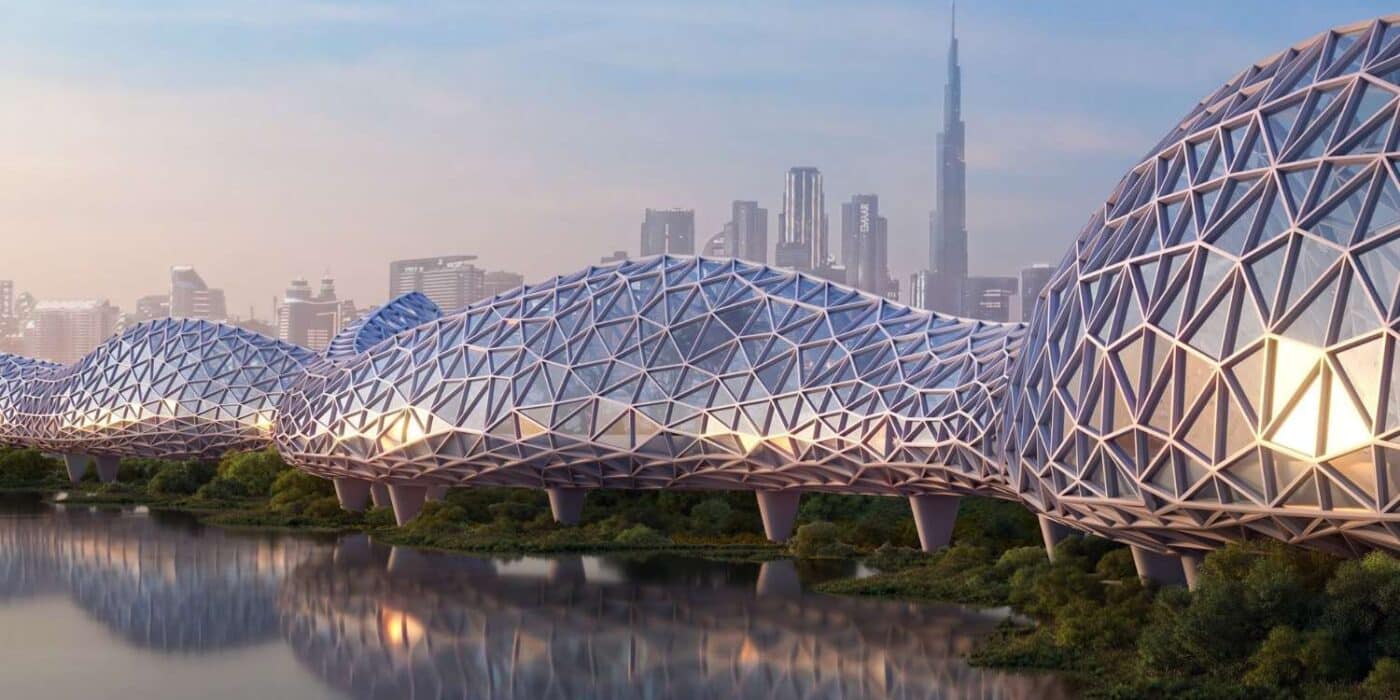
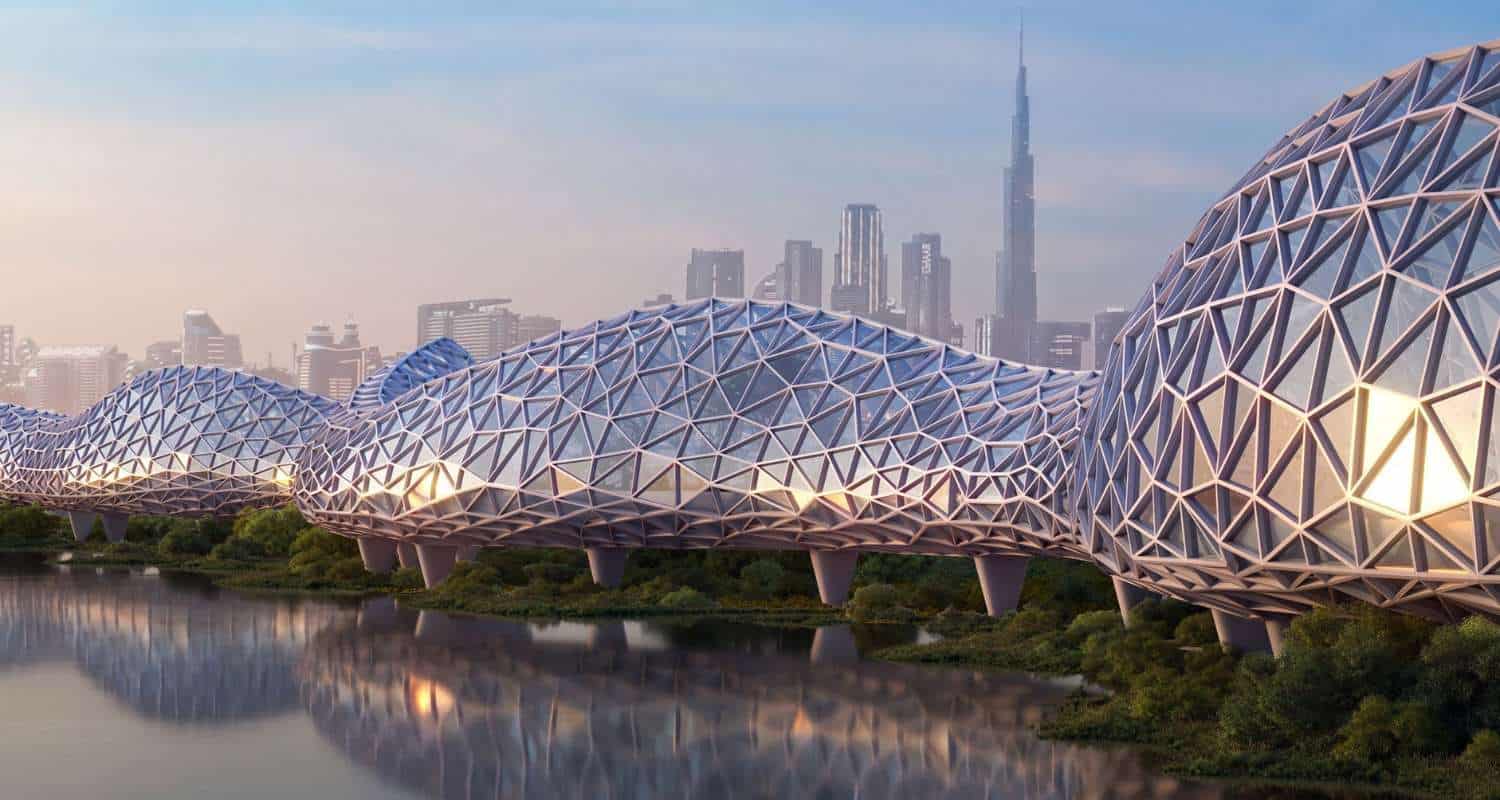
Dubai, being futuristic in its buildings and forward-thinking in its culture, is now introducing a new and groundbreaking project: the Dubai Loop. The proposal will change city travel with the inclusion of a faster, technology-based system of transportation.

The mission is to make daily commutes better by providing improved links throughout the city. We will examine the origins, possible advantages, and technological impacts of this system, which has the promise of revolutionizing how people travel in cities. Dubai’s new transport system is going to be a model for city transport worldwide.

This ambitious venture is designed to make flow easier, enabling citizens to travel through the city in previously unimaginable ways. Dubai Loop is a giant leap for the future, emphasizing the value of adopting innovative technology to transform the way we live on a daily basis to become more efficient and interconnected. As this vision comes into fruition, it will certainly attract international attention, evidencing Dubai’s commitment to staying ahead of the curve in advancing novel solutions for city mobility.

Let's explore the Dubai Loop Project

An innovative transportation scheme, the Dubai Loop Project, has been unveiled to revolutionize transport across Dubai. This visionary project is the brainchild of a thought created by Elon Musk, the founder of The Boring Company, and is to be implemented through collaboration with Dubai’s Road and Transport Authority (RTA) and Omar Sultan Al Olama, Minister of State for Artificial Intelligence, Digital Economy, & Remote Work Applications in the UAE.

The core of this transport plan is the establishment of an underground loop system of 17 kilometers. This tunnel shall serve as a corridor for high-speed electric cars. His Highness Sheikh Mohammed Bin Rashid Al Maktoum approved the announcement of the project, which was a joint announcement by The Boring Company and Dubai RTA.

The project was cemented after the two major collaborators signed a formal agreement. Its purpose is to link Dubai’s major destinations with a quick, green, and effective alternative to conventional travel means.

Project origins: RTA and The Boring Company partnership collaboration

The first signing of an agreement took place at the World Government Summit in Dubai, creating a collaborative project between Dubai’s Roads and Transport Authority and The Boring Company to develop the future transit solutions of the city.

The memorandum of understanding signed spells out their collaborative efforts to explore the feasibility and implementation of an underground transportation system. The initial phase of the project is the construction of a network of eleven stations spanning seventeen kilometers.

This travel system will move around 20,000 individuals an hour. It uses fast electric cars, which will be able to travel up to 16 kilometers an hour. That speed and the system’s capacity to transport lots of individuals will actually reduce how much time is taken in traveling from one destination to another in Dubai.

The Las Vegas Loop has been a source of inspiration

The Dubai Loop Project idea comes from the operation systems of The Boring Company in Las Vegas. The Las Vegas system, which was opened in 2021, uses underground tunnels, or a ‘wormhole’ as Elon Musk has called it, to move individuals. With the use of Tesla cars, it has transported over three million riders since it opened.

This new endeavor seeks to alleviate above-ground traffic by introducing an efficient underground transportation network. The effective performance and favorable public response of the Las Vegas Loop have demonstrated a viable blueprint for Dubai’s planned underground transit development.

Progressive technological developments

New Techniques for Tunneling

Elon Musk’s Boring Company is renowned for its extremely sophisticated tunneling methods. The business plans to use modern tunnel boring machines (TBMs) for the Dubai Loop Project in an effort to reduce costs and accelerate project schedules.

TBMs can tunnel continuously and with the fewest interruptions. Furthermore, in contrast to traditional boring techniques, this highly modern technology promotes building. During and after construction, efficiency and safety will be improved by using autonomous, driverless vehicles for the transfer of tunnel lining portions.

Fast Electric Vehicles

The Dubai Loop Project relies heavily on advanced, fast-moving electric vehicles. These vehicles are designed to reach speeds of 160 kilometers per hour, demonstrating remarkable engineering and offering secure, rapid travel between stops.

The project’s integration of electric vehicles supports the city’s dedication to achieving ultimate sustainability by 2040. These driverless vehicles aim to decrease carbon emissions and promote the expansion of environmentally friendly energy options.

Anticipated Advantages

Enhanced Connectivity

The initial development of the Dubai Loop Project is designed to establish connections between Dubai’s major, densely populated zones, thereby streamlining transportation. The project’s scope includes various significant residential sectors, commercial centers, and tourist sites, promoting the welfare of residents and visitors. This project aims to drive economic growth and attract foreign residents and investors to Dubai.

Reduction of Congestion in Traffic

The accelerated development of Dubai as a prominent urban center has generated substantial traffic bottlenecks, notably within heavily populated districts. The Dubai Loop Project presents a viable strategy for addressing this challenge, provided a novel transportation methodology is implemented to supersede conventional transit.

A notable reduction in surface transportation will ensue when a considerable proportion of commuters utilize the subterranean network, thereby yielding enhanced air quality and diminished travel durations.

Sustainability in the Environment

The Dubai Loop initiative prioritizes environmental balance and supports Dubai’s 2050 Clean Energy goals. Using renewable energy to power the proposed electric vehicles is expected to lower greenhouse gas releases, notably carbon emissions. Furthermore, the underground tunnel network will lessen the urban heat effect, keeping the ground level open for walking paths and green spaces.

Integration with the Current Infrastructure

Continual Intermodal Transfers

The goal is for the planned stations to make getting around easier and provide simple ways to switch between the Dubai Loop and other transportation choices. For example, by placing stations near bus hubs, metro links, and main streets, travelers can conveniently move from one type of transportation to another. This smooth transfer process is expected to make Dubai’s transportation system work much better overall.

Enhancing Public Transportation in Dubai

The Dubai Loop Project is launched to complement, rather than completely replace, the existing public transit mode, including RTA bus networks and Dubai Metro. Through this project, planned routes will be provided with high-speed alternatives, reducing pressure on the existing system. Additionally, it will add up the options for passengers, unveiling tailored modes that fit their schedules and destinations.

https://luxuryspaces.co/
CategoriesBlog

What Is The Best Way To Find A Rental Property In Dubai

what is the best way to find a rental property in Dubai

Introduction

Dubai’s rental market is one of the most active and diverse in the world. With a wide range of properties—from budget-friendly apartments to luxury villas—available across various neighborhoods, the city attracts residents from all walks of life. Whether you’re relocating for work, education, or lifestyle, finding the right rental home in Dubai can be both exciting and overwhelming.

Choosing the right approach to your property search is crucial. With so many options, platforms, and agents, knowing where to begin—and how to avoid common pitfalls—can save you time, money, and stress.

This guide is specially designed for expats, working professionals, and families who are either moving to Dubai for the first time or looking to upgrade their current rental. Whether you want to live near the beach, in the heart of the city, or in a peaceful suburban community, this guide will help you navigate the process with confidence.

Market research: Understand Your Requirements

Before beginning your property search in Dubai, it’s essential to clearly define your personal and financial needs—especially in today’s evolving rental landscape.

Budget

With rental prices in Dubai fluctuating due to demand and market conditions, setting a realistic budget is the first step. Consider not only the monthly rent but also additional costs like the security deposit, agency fees, DEWA (utilities), chiller charges, and maintenance.

Preferred Location

Dubai offers a wide variety of neighbourhoods—some ideal for working professionals, others perfect for families or beach lovers. In the current climate, many residents are prioritising areas with easy access to metro stations, schools, supermarkets, and healthcare facilities. Choosing a location that fits your daily lifestyle and commute is more important than ever.

Property Type

Are you looking for a studio, a spacious villa, or a modern apartment with amenities? Each property type comes with its own benefits and trade-offs. For instance, apartments often offer shared amenities like pools and gyms, while villas provide more space and privacy—ideal for families spending more time at home.

Furnished vs. Unfurnished

With rising relocation and lifestyle changes, the choice between furnished and unfurnished rentals depends on your plans. Furnished properties are ideal for short-term stays or expats who want to move in quickly. Unfurnished units are better suited for long-term residents who want to personalise their space.

Duration (Short-term or Long-term)

Short-term rentals offer flexibility, especially for newcomers or those in transition. However, long-term leases typically offer better rental rates and stability. It’s important to understand what aligns with your current situation—whether you’re settling in Dubai or staying temporarily.

Best Ways to Find a Rental Property in Dubai

In today’s competitive and fast-moving rental market, knowing where and how to search can make all the difference. Here are the most effective and reliable ways to find your ideal home in Dubai—keeping in mind current trends, digital convenience, and the importance of safety.

A. Online Property Portals

Start your search with trusted property websites like Iconre, Luxuryspaces, Property Finder, Dubizzle, and Zoom Property. These platforms offer a wide variety of listings updated daily, giving you access to both new and existing rentals across all areas of Dubai.

    • Use smart filters to narrow your search by price, location, property type, and amenities

    • Set up instant alerts to stay ahead of the competition

    • Use map views to explore proximity to schools, metro stations, or offices

With remote work and hybrid schedules now common, online search tools have become more powerful and essential than ever.

B. Real Estate Agencies

Working with a RERA-certified real estate agent ensures that your property search is legally compliant and stress-free. Professional agents can help you:

    • Find hidden listings that are not always published online

    • Negotiate rental terms and payment flexibility

    • Understand the legal requirements, like Ejari registration and tenancy contract review

Due to ongoing changes in rental laws and market demand, having an experienced agent on your side can protect your interests and prevent costly mistakes.

C. Social Media & WhatsApp Groups

Platforms like Facebook Groups, Telegram channels, and WhatsApp communities (e.g., Expats in Dubai, Dubai Property Rentals) have become popular for direct owner listings and real-time updates.

However, always exercise caution:

    • Avoid offers that sound too good to be true

    • Never pay deposits without seeing the property or verifying ownership

    • Cross-check agent credentials before making any deal

D. Driving Around Target Areas

Despite the rise of online tools, physically exploring your preferred neighborhoods still works well—especially for spotting “For Rent” signs not listed online. Many buildings have available units, and speaking with:

    • The building’s security or receptionist

    • Local agents or property managers on-site

can lead to quick and direct rental opportunities.

Legal & Financial Considerations

Renting a property in Dubai involves more than just finding the right space. Understanding the legal and financial requirements is essential to ensure a smooth, safe, and compliant rental process—especially in today’s changing market environment.

Ejari Registration

Ejari is a mandatory registration system governed by Dubai’s Real Estate Regulatory Agency (RERA).

    • Once the tenancy contract is signed, it must be registered through Ejari.

    • This official record protects both tenant and landlord rights and is required for setting up utilities, sponsoring family visas, or resolving disputes.

    • You can complete Ejari registration online or at authorised typing centres.

Security Deposit (Usually 5%)

Tenants are required to pay a refundable security deposit to the landlord:

    • Typically 5% of the annual rent for unfurnished properties, and 10% for furnished ones.

    • The deposit is held to cover potential damages and is refundable at the end of the lease, subject to inspection.

    • Ensure the deposit is acknowledged in the contract with proper receipts.

Payment Terms (Post-Dated Cheques)

In Dubai, rent is commonly paid via post-dated cheques—a practice still standard despite increased digitalization.

    • Most landlords accept 1 to 4 cheques per year.

    • In the current market, flexibility is increasing, with some landlords offering monthly or bi-monthly payment plans to attract tenants.

    • Always confirm payment terms in writing and avoid verbal agreements.

Agency Commission (Typically 5%)

If you’re working with a real estate agent, expect to pay a commission fee, which is:

    • Usually 5% of the total annual rent or a fixed amount (often AED 5,000–10,000).

    • Paid upon contract signing.

    • Make sure the agent is RERA-certified and issues a formal invoice.

DEWA Connection & Housing Fees

To activate water and electricity, you’ll need to register with DEWA (Dubai Electricity & Water Authority):

    • A refundable deposit of AED 2,000–4,000 is required depending on the property type.

    • Tenants also pay a 5% housing fee, included in the monthly DEWA bill.

    • For some buildings, there may be chiller or air conditioning fees billed separately—always clarify this in advance.

Tips for a Successful Rental Experience

Renting a property in Dubai can be smooth and rewarding—if you take the right precautions. Given the current market trends, rising rental activity, and increasing number of first-time renters, it’s more important than ever to follow these key tips to ensure a secure and satisfying rental journey.

Visit and Inspect the Property

Before committing to any rental, always visit the property in person (or via a verified virtual tour if you’re overseas).

    • Inspect the condition of walls, flooring, appliances, and fittings

    • Check water pressure, air conditioning, lighting, and security systems

    • Make note of any damages and ensure they’re documented before signing

In today’s competitive market, rushing into a rental without inspection can lead to costly regrets.

Understand Maintenance and Service Charges

Not all landlords cover maintenance. Some buildings also have separate service or chiller fees.

    • Ask what’s included in your rent: is AC, maintenance, or parking covered?

    • Understand who is responsible for fixing appliances, plumbing, or painting

    • Get clarity on whether you’ll be billed monthly or annually for extra charges

This is especially important now, as many tenants overlook hidden costs that impact the total living expense.

Check the Landlord’s Identity and Ownership

To protect yourself from scams or illegal sublets, verify the landlord’s credentials:

    • Ask for the Title Deed or Oqood certificate to confirm ownership

    • Cross-check the landlord’s Emirates ID or passport copy

    • If dealing with a property manager, make sure they have a valid power of attorney

Fraud cases are rising in some areas, so being cautious now is smarter than resolving legal disputes later.

Always Get a Written Contract

Never rely on verbal agreements or casual promises. Your tenancy contract should be written, signed, and legally registered (through Ejari).

    • Ensure all terms—rent, deposit, payment schedule, duration, and responsibilities—are clearly stated

    • Read the fine print carefully, and don’t hesitate to ask for clarification

    • If needed, get legal or professional advice before signing

A formal contract protects both parties and serves as your legal proof if issues arise.

Working with a Real Estate Expert:

Dubai’s rental market is vibrant and fast-paced, but it also demands caution—especially with the current increase in online activity, demand fluctuations, and rising fraud attempts. Whether you’re a first-time renter or relocating within the city, avoiding these common mistakes can save you from major financial and legal troubles.

Falling for Scams or Fake Listings

With more listings now appearing on online portals and social media, scammers are targeting unsuspecting tenants.

    • Be wary of listings with unusually low prices or vague descriptions

    • Always verify the agent’s RERA license number and cross-check with official platforms

    • Never transfer money without seeing the property or signing a verified contract

    • Avoid cash deals and insist on proper receipts

Current Tip: If it seems too good to be true, it probably is.

Rushing Without Proper Inspection

In a competitive market, many tenants feel pressure to secure a property quickly. However, rushing without a full inspection can lead to problems later.

    • Visit the unit during both day and evening to check lighting, noise, and security

    • Look for signs of mold, water leakage, or maintenance issues

    • Confirm that amenities promised in the listing actually exist and function properly

Take your time—a hasty decision could cost you more in the long run.

Not Understanding Your Legal Rights

Dubai has well-defined rental laws, but many tenants sign agreements without understanding their rights.

    • Know the terms for rent increase, eviction, and early termination

    • Understand the process for dispute resolution via the Dubai Rental Dispute Settlement Center

    • Make sure your contract is registered with Ejari, giving you legal protection

In today’s climate, being legally informed is not optional—it’s essential.

Ignoring Hidden Fees

One of the most overlooked aspects of renting is the extra cost beyond rent.

    • Ask about service charges, chiller fees, parking fees, and maintenance terms

    • Find out who pays for DEWA connection, municipality fees, and Ejari registration

    • Check if there are move-in/move-out fees (common in gated communities or towers)

These hidden costs can add up quickly, especially with rising living expenses in some areas of Dubai.

Avoiding these mistakes can protect you financially, legally, and emotionally—helping you enjoy a smooth and stress-free rental experience in today’s Dubai market.

Bonus: Best Areas to Rent in Dubai (2025)

Dubai offers a wide range of residential communities, each catering to different lifestyles, budgets, and preferences. In 2025, rental trends continue to evolve with factors like accessibility, amenities, and community living becoming top priorities. Whether you’re looking for luxury, convenience, family-friendly vibes, or affordability—there’s a perfect spot for everyone.

Luxury Living: Downtown Dubai & Palm Jumeirah

If you’re seeking elegance, exclusivity, and world-class amenities, these areas remain top-tier choices:

    • Downtown Dubai offers premium high-rise apartments with views of the Burj Khalifa and Dubai Fountain. It’s ideal for professionals and executives who want to live in the heart of the city.

    • Palm Jumeirah delivers beachfront living with ultra-luxury apartments and villas, private access to the sea, and a resort-style atmosphere.

Current Note: Both areas maintain strong rental demand despite rising prices, driven by high-net-worth tenants and long-term expats.

Popular with Expats: Dubai Marina & Jumeirah Lake Towers (JLT)

These well-connected waterfront communities are favorites among young professionals and expat couples:

    • Dubai Marina is known for its vibrant lifestyle, marina walk, nightlife, and easy access to public transport.

    • JLT offers a balanced mix of residential towers, office spaces, restaurants, and green parks—at slightly more affordable rates than Marina.

Current Note: Newer buildings and flexible payment options in these areas make them attractive for digital nomads and hybrid workers in 2025.

Family-Friendly Areas: Mirdif & Arabian Ranches

For families looking for peaceful surroundings, spacious homes, and schools nearby, these communities are ideal:

    • Mirdif is a well-established suburban area with parks, malls, and schools. It’s more affordable than villa communities yet highly livable.

    • Arabian Ranches is a gated villa community with landscaped streets, excellent schools, and leisure facilities—perfect for growing families.

Current Note: These areas are increasingly in demand as more families prioritize quiet, community-centric environments.

Affordable Options: Al Nahda & International City

If you’re budget-conscious but still want good connectivity and livability, these neighborhoods offer value for money:

    • Al Nahda (near the Sharjah border) is ideal for those working in both Dubai and Sharjah, offering large apartments at reasonable rents.

    • International City provides affordable studio and 1-bedroom units with access to Dragon Mart, making it a favorite among single professionals and small families.

FAQ – Frequently Asked Questions

Q1: What documents do I need to rent a property in Dubai?
A: You’ll need a valid passport, visa, Emirates ID, and proof of income or employment. Sometimes landlords also ask for a cheque book.

Q2: What is Ejari, and why is it important?
A: Ejari is a government system that registers your tenancy contract. It’s mandatory and protects both tenant and landlord rights.

Q3: Can I negotiate the rent with the landlord or agent?
A: Yes, rent is negotiable in many cases, especially for long-term contracts or if you’re paying fewer cheques.

Q4: How much commission do real estate agents charge?
A: Most agents charge a commission of 5% of the annual rent or a fixed fee agreed upon in advance.

Q5: Is it safe to rent directly from owners without an agent?
A: Yes, but you must verify ownership, insist on a formal contract, and ensure the property is registered with Ejari.

Conclusion

Renting a property in Dubai has never been more accessible—yet also more complex—due to the dynamic nature of the current market. With high demand, evolving rental practices, and increasing digital activity, it’s important to take a smart, well-informed approach.

Start by clearly defining your needs, using reliable online portals like Iconre, Luxuryspaces, or Property Finder, and don’t hesitate to consult RERA-certified agents for guidance and legal support. Combine the convenience of technology with the local knowledge of professionals to find the right property faster and more safely.

Above all, stay informed, ask questions, and never rush into a decision. Understand your legal and financial responsibilities, and always verify listings, documents, and contracts before making any payments.

By following the right steps and avoiding common mistakes, you’ll not only secure a great home—but also enjoy peace of mind throughout your rental journey in Dubai.

https://luxuryspaces.co/
CategoriesBlog

Dubai’s latest real estate projects launching in March 2025

Dubai's latest real estate projects launching in March 2025

Dubai’s standing as a premier destination for upscale homes and investment opportunities is growing. Similar to previous months, March 2025 offers a striking array of recently listed houses in Dubai. There are alternatives to fit every taste and lifestyle, from chic, contemporary apartments to magnificent private residences.

Come along as we offer helpful information on the most anticipated future real estate developments in Dubai, regardless of your level of experience as an investor, whether you are purchasing your first home or are simply curious about the ever-evolving Dubai real estate market.

Dubai’s Latest Property Launches: New Apartments in March 2025

Those looking to invest in apartments in Dubai that are yet to be built will see a wide range of new apartments being launched in the city in March 2025, covering many different designs and lifestyles.

Address Villas Tierra at The Oasis

Dubai’s standing as a premier destination for upscale homes and investment opportunities is growing. Similar to previous months, March 2025 offers a striking array of recently listed houses in Dubai. There are alternatives to fit every taste and lifestyle, from chic, contemporary apartments to magnificent private residences.

Come along as we offer helpful information on the most anticipated future real estate developments in Dubai, regardless of your level of experience as an investor, whether you are purchasing your first home or are simply curious about the ever-evolving Dubai real estate market.

    • Developer: Emaar Properties x Address Hotels + Resorts
    • Location: The Oasis
    • Property types: Ultra-luxury 4, 5 and 6-bedroom villas
    • Tentative handover date: Q2 2029

Affini Residences

Moving on to our second exciting new property launch for March of 2025: Affini, brought to you by HAMRK Real Estate Development in Al Jaddaf. This is a luxury residential spot that’s going to be part of the Marriott Bonvoy Tribute Portfolio. You’ll find everything from fully furnished studios to sprawling penthouses, plus they’re throwing in some really nice perks like rooftop pools, fitness centers, and a cool hangout area.

    • Developer: HAMRK Real Estate Development
    • Location: Al Jaddaf
    • Property types: Studio apartments to penthouses
    • Tentative handover date: 2026

Beachfront Gates

In March of 2025, Dubai South Properties announced their newest residential venture, Beachfront Gates, situated within Dubai South’s Residential District, as they continue to expand property development in Dubai. At this time, only Beachfront Gates Tower 2 is being offered for sale, which includes 157 roomy apartments. The design of this development places emphasis on family living, providing numerous features and facilities located on the podium level.

Those living there will have access to designated play spaces and fun areas for kids, fostering a lively neighborhood environment. The development also includes separate swimming pools for adults and children, along with a range of sports and leisure amenities on the podium decks, making Beachfront Gates a solid option for individuals looking at new construction in Dubai South.

    • Developer: Dubai South
    • Location: Dubai South
    • Property types: 1 to 4-bedroom apartments
    • Tentative handover date: Q4 2026

15 Cascade

Developments of new properties in Dubai for March 2025 include a building finished with exclusive Versace Ceramics! This fifteen-story structure features a smooth, flowing architectural style that successfully combines the thrill of the Dubai Autodrome race track with the elegance of moving water, making it a natural fit for its location.”

Situated within Motor City, Cascade 15 provides a remarkable selection of luxurious features, such as a beautiful thirty-meter edge pool and an elevated fitness center. This building also includes a skating area, a rooftop garden, and areas designed for relaxation and health, catering to those who desire both activity and peace.

    • Developer: Iman Developers
    • Location: Motor City
    • Property types: Apartments with 1–4 bedrooms, duplexes with 3–4 bedrooms, and penthouses with 4 bedrooms
    • Tentative handover date: Q3 2028

Celeste Heights

In March of 2025, Dubai’s new property offerings will include Zimaya’s first residential development, situated in Al Furjan. Celeste Heights will offer apartments with one, two, and three bedrooms, in addition to special, unique residences for those seeking something distinct.

The rooftop, spanning two floors, will provide an infinity pool, elevated lounges, a place for wellness, and a modern gym for both relaxation and recreation. A lavish, spacious lobby, complete with shared workspaces, will enhance the living experience, providing a seamless combination of comfort and high-end living.

    • Developer: Zimaya Properties
    • Location: Al Furjan
    • Property types: 1 to 3-bedroom apartments
    • Tentative handover date: 2027

Chedi Private Residences

A new luxury residential project, The Chedi Private Residences, is being launched in Dubai by Al Seeb Real Estate Development and Devmark. Situated along Sheikh Zayed Road, this development represents the initial foray of The Chedi into private branded residences.

Studio Bruno Guélaff’s design for this Dubai project includes a remarkable 238.6-meter-high glass skyscraper housing luxurious new residences, complete with exceptional amenities such as a 60-meter lagoon-shaped swimming pool and private relaxation cabanas.

    • Developer: Al Seeb Real Estate Development
    • Location: Sheikh Zayed Road
    • Property types: 2 to 5-bedroom apartments, duplexes and exclusive triplex penthouses
    • Tentative handover date: Q1 2029

Coastal Haven by Prestige Harbour

Coastal Haven, located within the Dubai Islands, is a collaborative creation by Prestige One Developments and Prestige Harbour Real Estate Development. It’s redefining the standards for contemporary waterfront living in Dubai.

Coastal Haven’s available apartments are crafted for maximum luxury and comfortable living, showcasing large rooms, superior fixtures, and up-to-date facilities. The property offers shared spaces such as pools, fitness centers, and green gardens.

    • Developer: Prestige One Developments
    • Location: Dubai Islands
    • Property types: 1 to 3-bedroom apartments
    • Tentative handover date: Q1 2028

Edgewater Residences 2

Edgewater Residences 2, a deluxe waterfront community situated within the beautiful Dubai Islands, is unveiled by MGS Development.

The forthcoming development consists of three twelve-story buildings, each built upon two platform levels, providing semi-furnished one, two, and three-bedroom apartments that include high-quality BOSCH kitchen equipment. Individuals living on the fifth level and higher will enjoy spectacular vistas of the Arabian Gulf. Edgewater Residences further provides a diverse collection of both interior and exterior facilities intended to encourage health, entertainment, and leisure.

    • Developer: MGS Development
    • Location: Dubai Islands
    • Property types: 1 to 3-bedroom apartments
    • Tentative handover date: Q3 2026

Edgewater Residences 2

Edgewater Residences 2, a deluxe waterfront community situated within the beautiful Dubai Islands, is unveiled by MGS Development.

The forthcoming development consists of three twelve-story buildings, each built upon two platform levels, providing semi-furnished one, two, and three-bedroom apartments that include high-quality BOSCH kitchen equipment. Individuals living on the fifth level and higher will enjoy spectacular vistas of the Arabian Gulf. Edgewater Residences further provides a diverse collection of both interior and exterior facilities intended to encourage health, entertainment, and leisure.

    • Developer: MGS Development
    • Location: Dubai Islands
    • Property types: 1 to 3-bedroom apartments
    • Tentative handover date: Q3 2026

Elemental 22

In March 2025, Dubai will see the launch of Elemental 22, a new property in Jumeirah Garden City. This project, part of the city’s growing real estate scene, centers on three core ideas: balance, comfort, and connection, resulting in living areas designed for both getting things done and unwinding.

A wide range of facilities are available at Elemental 22 to support a pleasant living. Regular exercise is possible in the fitness facility, while relaxation is encouraged by the sauna and steam rooms. The Greenhouse offers a workspace with a natural theme. Children may enjoy entertainment in a special kids’ club, and movie nights are held at a home theater. There are two swimming pools accessible for pleasure and exercise.

    • Developer: Elemental – Al Barari Group
    • Location: Jumeirah Garden City
    • Property types: 1 and 2-bedroom apartments

Luxury Living at Flora Isle Beachfront Residences

Coming up in Dubai for March 2025 is Flora Isle, a new property development. Situated on Island A within the Dubai Islands, it’s roughly a half-hour journey to both Business Bay and Downtown Dubai. The development consists of three smaller buildings, offering contemporary apartments. These homes include large balconies and stunning vistas of the Arabian Gulf. A key advantage for those living there will be the convenient access to Dubai Island Beach.

    • Developer: Flora Isle Development
    • Location: Dubai Islands A
    • Property types: 1, 2 and 3-bedroom apartments
    • Tentative handover date: Q1 2028

Moonsa 2 Residences

A wide range of facilities are available at Elemental 22 to support a pleasant living. Regular exercise is possible in the fitness facility, while relaxation is encouraged by the sauna and steam rooms. The Greenhouse offers a workspace with a natural theme. Children may enjoy entertainment in a special kids’ club, and movie nights are held at a home theater. There are two swimming pools accessible for pleasure and exercise.

    • Developer: Dugasta Properties
    • Location: International City
    • Property types: Apartments
    • Tentative handover date: Q4 2026
https://luxuryspaces.co/
CategoriesBlog

What Makes Dubai a Tax-Friendly Haven for Foreign Buyers?

What Makes Dubai a Tax-Friendly Haven for Foreign Buyers?

Dubai’s appeal to international real estate investors is driven by its advantageous placement, diverse possibilities for investment, a practical setting for both residence and commerce, and its favorable tax structure. Prior to committing funds, investors, whether experienced or new, weigh various elements, with taxation being a key consideration. The absence of taxes in Dubai has transformed property investment into a financially rewarding option for those seeking returns.

Dubai has a well-established reputation as a top global investment location. For real estate investors, the city’s favorable tax structure and government initiatives, such as the Dubai Golden Visa, provide up a multitude of options with high potential returns. Dubai stands out as a top choice for real estate investments if you want to build wealth. We ought to investigate this more.

What Makes Dubai a Tax-Friendly Haven for Foreign Buyers?

Dubai’s appeal as a prime investment location stems from its carefully considered placement, diverse real estate purchase opportunities, including properties not yet built, the availability of outright ownership, the potential for substantial profit, and favorable tax policies. Additionally, the integration of modern technology within the property market, upscale conveniences, a robust and dependable financial climate, and its secure environment all contribute to the city’s overall allure.

In simple terms, The real estate industry in Dubai is thriving. In addition to having the chance to purchase their dream homes in a completely completed city, investors may make significant financial returns. This degree of profitability may be attributed in great part to the city’s favorable tax system, which does away with inheritance, capital gains, and income taxes.

Let's Examine Dubai's Zero-Tax Advantage in More Detail

The fundamental aim of investment is, without question, to produce earnings. However, significant tax responsibilities can reduce the possibility of a strong return, thereby causing some markets to be less desirable for those who invest in property. For this reason, investors carefully analyze the tax setup of a given place prior to making investment choices. Dubai’s tax advantages allow them to get the most out of their returns without facing overwhelming financial pressure.

    • No Annual Property Tax: While numerous nations require homeowners to pay yearly property taxes, Dubai exempts residential properties from this obligation. Consequently, those who invest in Dubai real estate are not subject to any yearly property tax payments.

    • No Capital Gain Tax: There is no capital gains tax in Dubai, ensuring that all profits remain with the investor. Regardless of whether the property was purchased for personal residence or investment, the total profit from its sale belongs entirely to the owner, with no portion owed to the government.

    • No Inheritance Tax: Property transfers in Dubai, UAE are simplified by the absence of inheritance tax. This allows property owners to bequeath their assets to their successors without incurring any further financial burdens.

    • No Income Tax: Dubai does not levy income tax, a policy that benefits both residents and foreign nationals. All earnings remain with the individual, free from any income tax obligations. This tax-free environment makes Dubai a highly desirable location for both investors and professionals.

Why Dubai’s Tax-Free Policies Are a Game-Changer for Investors

High Rental Returns
Individuals investing in Dubai’s real estate market are exempt from annual levies such as property taxes, gains on capital, and income taxes. Since property taxes are not taken from earnings in Dubai, investors keep the entirety of their profits, directly enhancing their overall financial standing.

Capital Appreciation
The favorable tax climate continues to draw investors worldwide, leading to increased property demand. This surge in demand strengthens Dubai’s real estate industry and, due to basic market economics, results in the increased value of properties.

A Thriving Market
Those who invest in Dubai properties are able to keep all of the revenue they generate. This type of regulation, which is very supportive of investors, brings in both those looking for long-term investments and those seeking quicker returns, allowing them to achieve significant returns on their investment without the concern of any subtractions. This situation also encourages the advancement of the Dubai property market.

Why Dubai Real Estate is a Goldmine for Investors

Property Ownership Rights
Individuals from outside the country are permitted to own real estate within Dubai. Acquiring property in specific, unrestricted ownership zones of the city grants comprehensive rights to the buyer. Those who possess real estate have the freedom to utilize their assets as they see fit, including the option to sell for financial gain or bequeath them to their successors.

Off-Plan Properties For Sale In Dubai
Those who invest in real estate can also acquire properties that are currently being built or are not yet finished in Dubai. These are known as pre-construction or off-plan properties. Purchasing properties in this stage is a straightforward process, frequently accompanied by appealing and adaptable payment schedules, which simplifies financial management for investors.

Off-Plan Properties For Sale In Dubai
Acquiring real estate in Dubai is now quite achievable due to desirable and manageable payment schedules, such as a 1% monthly payment option. This arrangement enables those investing in property to remit just 1% of the overall price each month following the initial deposit.

Residency Visa
Dubai extends residency permits to those who invest in property. Ownership of a property valued at AED 750,000 in Dubai qualifies an individual to apply for a three-year residency permit that can be renewed. Furthermore, holding property with a minimum value of AED 2 million allows one to obtain a Dubai Golden Visa, a ten-year residency permit.

A Comparison Of Dubai’s Tax System With Other Global Cities:

Dubai’s appeal to investors is significantly enhanced by its tax-free structure, particularly the absence of income tax. This sharply contrasts with major global cities like London, Copenhagen, and New York, where investors incur tax liabilities. Notably, income tax rates in countries such as Denmark, France, Sweden, and Finland can climb to 55.9%, 45%, 52.9%, and 51.2%, respectively. Adding to its allure, Dubai also boasts notably higher returns on investment than numerous other prominent urban centers. These combined factors solidify Dubai’s position as a premier investment hub, delivering not only tax advantages but also modern living spaces, superior infrastructure, and a wealth of premium amenities for property investors.

Conclusion

Fiscal policies can negatively impact an investor’s capacity to invest. Conversely, Dubai distinguishes itself through tax advantages, policies designed to encourage investment, remarkably strong investment returns, and a consistently robust property market. These factors collectively establish Dubai as a leading international center for real estate investment. Dubai’s lack of income, capital gains, and inheritance taxes draws property investors globally. Furthermore, investors have the potential to achieve substantial returns on their investments. They also have the opportunity to acquire property, engage in off-plan real estate purchases utilizing flexible payment schedules, and pursue residency visas by investing within Dubai’s real estate industry.

Luxury, Location, Lifestyle – Find Your Perfect Property with Us!

Dubai offers numerous real estate investment possibilities, and our agency is well-equipped to guide you through them. Whether you’re a resident or an overseas investor, we’re here to assist. We’re a well-known Dubai real estate firm, and our experienced agents are committed to delivering valuable, top-tier services through customized real estate strategies. If you’re interested in acquiring property in Dubai, United Arab Emirates, connect with us. We’ll find an investment that perfectly aligns with your unique desires.

Luxury, Location, Lifestyle – Find Your Perfect Property with Us!;

Can foreigners own real estate in Dubai?
Individuals from other countries, whether living in Dubai or not, have the right to buy and possess any type of property there. If you are not a native resident, you can acquire real estate in designated ownership zones within the city, including places like Downtown Dubai, Dubai Marina, and Palm Jumeirah.

Does Dubai impose income tax?
Dubai does not impose taxes on personal earnings. The governing body does not claim a portion of your financial gains. Your earnings remain entirely yours.

Why invest in Dubai?
Dubai stands out due to its advantageous geographical positioning, diverse investment prospects, superior infrastructure, favorable tax policies, and strong returns on investment. Furthermore, making investments in the real estate market provides investors the chance to secure residency permits within Dubai.

What are the best areas to consider for real estate investment in Dubai?
For those looking to invest in Dubai’s property market, areas such as Downtown Dubai, Dubai Marina, Palm Jumeirah, Jumeirah Village Circle (JVC), Business Bay, and Expo City Dubai are among the most highly recommended.

https://luxuryspaces.co/
CategoriesBlog

Best Investment Areas for Long-Term Rental Properties in Dubai

Best Investment Areas for Long-Term Rental Properties in Dubai

Dubai’s vibrant atmosphere, superior quality of life, secure surroundings, upscale residences, and top-tier services have positioned it as a globally coveted place to reside. Its distinctive cityscape, varied housing choices, and the effortless, agreeable ambiance of Dubai draw individuals searching for homes from across the globe.

Given Dubai’s tranquil residential atmosphere, opulent real estate, superior facilities, and abundant career prospects, it presents itself as a worthy city for extended stays. Numerous neighborhoods within Dubai provide options for extended rental periods. Individuals can select the most suitable community for their time in Dubai, tailored to their specific lifestyles, financial plans, and living desires.

To take advantage of Dubai’s favorable tax policies, excellent living standards, robust safety protocols, and modern conveniences, and to establish a long-term residence there, continue reading this article. You’ll discover information on the top neighborhoods offering extended rental agreements within Dubai, allowing you to identify the most advantageous choice.

Why Dubai is the Perfect Destination for Long-Term Living:

Dubai offers a significant financial benefit: no personal income tax. Individuals working in Dubai keep their entire earnings, as the government does not impose a tax on their income. This absence of taxation empowers investors to retain a larger portion of their capital.

Low Crime Rates: Dubai boasts an exceptionally low crime rate, ranking among the world’s most secure urban centers. The city’s effective enforcement of laws and ordinances fosters a safe and stable atmosphere, rendering it an ideal choice for those seeking a permanent residence.

Diverse Housing Options: Dubai presents a broad spectrum of homes, featuring options like standalone villas, multi-family apartments, connected townhouses, and high-end penthouses. With such a diverse market, securing the living space you desire is achievable.

Economic Prosperity: Dubai’s thriving economic landscape offers benefits to various individuals, including those employed in professional roles, business owners, and entrepreneurs, as it provides a fertile ground for business growth and career advancement.

Residency Visa Options: Dubai provides various residency visas, notably the Dubai Golden Visa, to those who invest in properties, have professional expertise, launch businesses, or are recognized intellectuals. These visa choices permit non-citizens to lengthen their stay within Dubai and proceed with their business or other activities.

Excellent Health Services and Educational Resources: Dubai provides residents with superior healthcare and educational options. The city features a network of outstanding hospitals, clinics, and educational centers, encompassing international schools and universities, that deliver cutting-edge health services and excellent education.

The Comprehensive Guide to Long-Term Rental Communities in Dubai:

Damac Hills 2
Damac Properties’ Damac Hills 2, a sustainable and fully integrated housing project in Dubai, offers a complete lifestyle experience. Situated between Jebel Ali – Lehbab Road (E77) and Al-Ain Dubai Highway (E66), this development, which was once Akoya Oxygen, is designed for families and boasts a wealth of premium conveniences, such as parks, thoughtfully crafted gardens, play zones for children, and various recreational activities.

If you’re planning on staying in Dubai for an extended period, you might want to consider renting in Damac Hills 2. They have a good selection of apartments and villas for long-term residents. To give you an idea of costs, a studio apartment averages AED 47,000 per year, and a one-bedroom apartment is roughly AED 57,000. For villas, a two-bedroom will usually cost around AED 96,000 annually, and a three-bedroom, approximately AED 103,000.

The Valley
Emaar Properties’ The Valley is a distinct, independent residential area situated in Dubai. Positioned near Al-Ain Road (E66), it lies on the city’s periphery. Residents can choose from villas and townhouses, all designed for a luxurious standard of living. The community is equipped with superior facilities, enabling a fulfilling lifestyle and access to premium amenities such as sports areas and a fitness center.
Situated close to Dubailand and the former Expo 2020 grounds, this residential area benefits from its advantageous location, drawing in both renters and property buyers. If you are seeking a long-term rental investment, Emaar’s The Valley presents a compelling option. Residents here can expect a life of complete enjoyment, characterized by exceptional comfort and refined living.

Dubai Hills Estate
Within Dubai, a secure, privately owned residential area exists called Dubai Hills Estate. This development marks the initial stage of the larger Mohammed Bin Rashid City project. It represents a cooperative effort between Emaar Properties and Meraas Holding. Residents can choose from a variety of living spaces, including apartments, standalone homes, and row houses, ensuring they find accommodations that suit their needs. Benefiting from a superior location and a wealth of upscale services and conveniences, this locale is considered an ideal spot for those seeking to buy or lease a residence.

Its appeal as a family-oriented neighborhood is enhanced by offerings like retail stores, restaurants, and leisure activities, along with parks, verdant landscapes, readily accessible modern medical and educational institutions, exercise facilities, opportunities for outdoor recreation, and its closeness to significant points of interest. For those considering rental options, a studio apartment in Dubai Hills Estate typically commands an annual rent of AED 81,000. One-bedroom apartments average AED 102,000, while two-bedroom units are generally priced at AED 145,000 per year.

Arabian Ranches
Emaar Properties’ Arabian Ranches presents a fully integrated, family-oriented villa neighborhood within Dubai. Situated where Sheikh Mohammed Bin Zayed Road (E11) and Al Qudra Road meet, this community, offering freehold ownership, showcases meticulously crafted residences drawing inspiration from Arabian, Spanish, and Mediterranean architectural styles. Created to provide an opulent yet serene way of life, the Ranches is equipped with high-quality amenities, allowing those who live there to experience complete enjoyment. With all it provides, it stands as an ideal place for upscale living.

Residential areas within Arabian Ranches are distributed throughout fifteen distinct sub-neighborhoods. This community is set to deliver an extravagant lifestyle, granting residents access to modern, forward-thinking facilities. The typical annual lease cost for a two-bedroom villa in Arabian Ranches is AED 183,000, while the yearly lease costs for three-bedroom and four-bedroom villas are AED 254,000 and AED 411,000, respectively.

Jumeirah Golf Estates
In Dubai, Jumeirah Golf Estates presents a residential area where families can own their properties outright. Situated alongside Mohammed Bin Zayed Road (E311), this locale provides diverse housing choices, including detached homes, flats, and row houses. The community’s placement, close to essential parts of the city, coupled with upscale conveniences like parks, green spaces, leisure activities, and an environmentally conscious design, establishes it as an ideal place to reside in Dubai.

Featuring two renowned golf courses, Fire and Earth, this district promotes an energetic way of life. In this area, inhabitants can achieve their desired lifestyle, and it also accommodates individuals to live according to their personal preferences. Typically, the yearly rental cost for a one or two-bedroom apartment within Jumeirah Golf Estates is AED 87,000 and AED 143,000, respectively. For a three-bedroom villa, the typical annual rental cost is AED 359,000, while a four-bedroom villa averages AED 506,000.

Town Square Dubai
Nshama Group’s Town Square, a high-quality housing project, can be found adjacent to Al Qudra Road (D63). It’s widely recognized as a favored spot for apartment rentals within Dubai. This community, designed with families in mind, enjoys proximity to numerous schools and provides amenities like green parks, carefully designed outdoor spaces, and children’s playgrounds, among others. Furthermore, it includes shared living arrangements, allowing residents to combine their living and working environments.

Truly, this is an attractive neighborhood created to deliver a refined way of life, where residents can enjoy maximum ease and style. The typical yearly rental price for a studio apartment in Town Square is AED 42,000, while a one-bedroom and two-bedroom apartment average AED 66,000 and AED 92,000, respectively. For those seeking villas, the average yearly rental for a three-bedroom villa is AED 151,000, and a four-bedroom villa averages AED 203,000.

Dubailand
Dubai Properties’ Dubailand is a substantial project situated in Dubai, covering an expansive area of more than three million square feet and organized into various distinct zones. Due to its sheer scale, it’s often referred to as a self-contained urban environment, encompassing numerous housing developments. Its position near Sheikh Mohammed Bin Zayed Road (E311) provides convenient connections to crucial locations, including Al Maktoum International Airport and Dubai International Airport.

This development presents a diverse selection of housing choices, enabling renters and buyers to locate their ideal living space. Amenities available include recreational parks, retail centers, fitness centers, swimming pools, children’s playgrounds, and a broad spectrum of contemporary conveniences. The typical yearly rental price for a studio apartment in Dubailand is AED 43,000, and for a one-bedroom apartment, it’s AED 60,000. For one-bedroom villas, the average annual rental amount is AED 74,000, while two-bedroom villas average AED 131,000.

Damac Lagoons
Damac Lagoons, developed by Damac Properties, presents an upscale living environment. Situated across from Damac Hills and within easy reach of Dubai Sports City and The Els Club, the development benefits from a desirable setting. Providing a diverse selection of residences, encompassing villas, apartments, and townhouses, it caters to a wide spectrum of residents and investment seekers. Residents can enjoy a high-end lifestyle enhanced by amenities like kayaking, a lagoon zipline, a wave pool, snorkeling, and wave surfing. Organized into eight distinct neighborhoods, the community showcases individual architectural styles and features.

The Oasis
The Oasis, a new residential project by Emaar Properties in Dubai, provides luxury villas and mansions. Created for the increasing demand for high-end real estate, it fulfills the desires of luxury buyers. Its location near four international golf courses also provides easy access to Dubai’s main areas. The properties feature high-value designs and include top-tier amenities, such as elite schools, medical facilities, gyms, and children’s play areas.

Emaar South
Dubai’s Emaar South, developed by Emaar Properties, stands as a highly desirable locale. Situated within Dubai World Central (Dubai South), its strategic positioning along Sheikh Mohammed Bin Zayed Road (E311) and Emirates Road (E611) ensures excellent connectivity. Featuring ten residential developments with a variety of housing options, including villas, apartments, and townhomes, this community prioritizes resident comfort. Amenities such as swimming pools, designated grilling zones, children’s play areas, and expansive parks and greenery contribute to an elevated standard of living.

Conclusion

Dubai stands out as a top global city, offering an ideal setting for those pursuing a high-quality lifestyle. Its impressive cityscape, premium services, supportive work and living conditions, job availability, advantageous tax structure, safe environment, residency pathways, and entrepreneurial possibilities make it a highly desirable location. Those seeking long-term rental properties in Dubai, including real estate investors, business owners, and professionals, can find diverse options such as villas, townhouses, and flats in favored areas like Damac Hills 2, Arabian Ranches, Emaar South, and Dubailand, all known for their popularity among long-term renters.

Find Your Dream Home with Us!

Luxury Spaces is a well-known Dubai real estate agency dedicated to serving clients. They assist individuals in the purchase, sale, and rental of properties throughout the United Arab Emirates. Whether your goal is to rent or buy a home, their knowledgeable team makes the process achievable. Client satisfaction is paramount at Luxury Spaces, where they are committed to delivering customized real estate solutions.

FAQs

What is the best community to live in Dubai?
In Dubai, for those wanting to rent a property for a long time, popular choices include Arabian Ranches, Dubai Hills Estate, Emaar South, Dubailand, Nad Al Sheba, and Jumeirah Golf Estates.

Where do most expats live in Dubai?
Jumeirah Village Circle (JVC) attracts a large portion of the international community seeking a place to live. Those living outside of their home country can select any living location within Dubai that suits their individual needs, including travel time to work or other locations.

Can foreigners buy property in Dubai?
Dubai’s districts that grant full property ownership, encompassing areas like the central business district, JVC, the harbor area, and the man-made island development, are open to purchases of both homes and commercial buildings by those from other countries and global financial backers.

Can I obtain a residency visa in Dubai?
The United Arab Emirates extends residency visas to a variety of individuals, including property investors and those possessing specialized expertise, such as intellectuals, professionals, and scientific researchers. Compliance with stipulated requirements facilitates the procurement of extended residency in Dubai. Specifically, a real estate acquisition valued at a minimum of 2 million qualifies an individual for the Dubai Golden Visa, a ten-year renewable residency permit.

https://luxuryspaces.co/
CategoriesBlog

Smart Homes in Dubai: A Growing Trend in the Property Market

How Smart Home Innovation Is Driving Dubai’s Property Market

Dubai’s reputation extends beyond the Burj Khalifa, its superior residential and commercial settings, and its advantageous tax structure. It is perpetually a leader in inventive solutions and technological progress. The city is equally committed to delivering customized and fluid living experiences to its inhabitants. This has prompted the development of automated homes that prioritize optimal convenience, security, and ecological balance.

Dubai is implementing sophisticated technology and advancing toward automated living, both to facilitate personalized lifestyles and to realize its objectives regarding sustainable and environmentally sound developments. This concentration on intelligent dwellings will also preserve the city’s worldwide prominence and position it as a leading example of forward-thinking living. Governmental efforts, technical breakthroughs, and a rising need for modern lifestyles are all contributing to this pattern.

Exploring the Idea of Connected Residences in Dubai:

Advanced automation and artificial intelligence are ubiquitous in a smart home. The Internet of Things is a network of networked devices that these houses use to do things like entertainment, security, lighting, and temperature control. The integration of technology into homes enhances comfort and efficiency since AI and machine learning allow these smart spaces to learn and respond to the requirements and habits of the residents.

Features of Smart Homes in Dubai

    • AI and IoT-Powered Automation: Thanks to the integration of artificial intelligence and the Internet of Things, smart homes allow residents to effortlessly manage their lighting, climate, and entertainment systems using either spoken commands or smartphone applications.
    • Temperature Optimization: To effectively manage interior climates, smart homes feature thermostats driven by artificial intelligence. These setups boost both comfort and ease of use, while also decreasing the amount of energy used.
    • Smart Security Solution: By utilizing smart security features like biometric entry and sophisticated surveillance, homeowners gain the ability to oversee and manage access from any location, resulting in greater security and a sense of calm.
    • Connected Appliances: Appliances within the home, including refrigerators, coffee machines, laundry units, and ovens, are made more convenient through AI, as homeowners are provided with the capability to supervise and command them from afar.

What Makes Smart Properties in Dubai a Beneficial Investment?

Dubai’s real estate market is undergoing a transformation, embracing innovative ideas like intelligent residences.
These contemporary builds provide more than just a forward-thinking way of life; they also promise sustained financial worth. We will now examine the advantages of purchasing smart homes within Dubai.

Lifestyle Improvement

Modern technology integrated within real estate enhances the daily lives of those living there. Residents find they can tailor their environments, managing household devices and climate through their phones or verbal commands. Additionally, these intelligent residences foster well-being by tracking air quality, thanks to built-in monitoring systems.

High Rental Value & Significant Capital Appreciation

Properties outfitted with modern technological advancements are experiencing a surge in popularity. High-income earners, business professionals, and innovative entrepreneurs favor living spaces that include features like integrated climate management, computerized security, and resource-efficient mechanisms. Primarily, the monetary value of these residences rises due to the growing consumer desire, producing a considerable return on funds allocated.

Eco-friendly and sustainable living

To address contemporary needs and minimize environmental impact, Dubai is prioritizing environmentally sound and lasting city planning. Residences equipped with features like photovoltaic arrays, water conservation technologies, intelligent power usage monitoring, and sensor-driven illumination provide energy-conscious and economically advantageous lifestyles. Therefore, these dwellings facilitate a lifestyle that is both sustainable and environmentally responsible.

A Secure and Comfortable Living Environment

To guarantee the highest level of safety for families, properties are equipped with off-site observation, identification through biological data, and intelligent, computer-driven observation systems. This allows property owners to manage and watch over their homes from any location via their mobile devices. Additionally, computer-driven observation provides instant notifications and movement detection, fostering a sense of ease and protection.

Smart Homes vs. Traditional Homes: Which is the Better Choice?

Energy Efficiency
Residences equipped with intelligent technology consume reduced electrical power compared to conventional dwellings. This is achieved through sophisticated components like self-regulating temperature controls, automated illumination, and power consumption analysis. Moreover, in these advanced homes, artificial intelligence and programmed routines refine energy expenditure, whereas standard houses depend on human-operated settings.

Convenience
Dwellings with integrated smart technology provide increased convenience by automating routine household operations. Residents can manage temperature, lighting, and even security protocols using smartphone applications or spoken instructions. Conversely, conventional residences lack these capabilities, resulting in more time spent on everyday chores.

Security Context
For heightened security, homes with intelligent systems utilize security systems powered by artificial intelligence, electronic locking mechanisms, movement detectors, and video monitoring. This allows residents to monitor their property’s security status instantly, regardless of their location. In contrast, standard residences typically rely on simple security measures such as mechanical locks and, in some cases, human security personnel.

Property Value
The inclusion of features like automated domestic systems, appliances designed for minimal energy consumption, security protocols powered by artificial intelligence, and infrastructure optimized for energy efficiency drives the popularity of technologically advanced homes, consequently boosting their market value. While the worth of a standard residence is undeniably tied to its condition and geographic placement, it often necessitates renovations to preserve its worth.

Dubai government initiatives promoting smart home innovation

Dubai is recognized for its forward-thinking approach and contemporary lifestyle. To encourage homeowners and property investors to embrace these modern ideas, the city has launched numerous programs. Government policies are designed to stimulate this movement.

Dubai Green Building Code: In 2011, Dubai implemented the Dubai Green Building Code to encourage environmentally friendly and energy-saving construction methods. This code mandated that new construction projects adhere to specific minimum standards for energy efficiency and structural integrity.

Smart Dubai Initiative: The government launched the Smart Dubai initiative in 2013, with the goal of positioning Dubai as a leading global city in technological advancement. This initiative promoted the adoption of smart homes to enhance the quality of life for residents.

Dubai Smart City Project: In 2014, the Dubai Smart City project was introduced to accelerate the development of smart homes. This project, which encompasses smart homes, transportation, energy, and services, aims to provide residents with a comprehensive and unique smart city experience.

Dubai Electricity and Water Authority (DEWA) Efforts: The Dubai Electricity and Water Authority (DEWA) has also introduced a range of programs to advance the concept of smart homes within Dubai. For example, the Shams Dubai initiative was created to boost the installation of solar panels and other electricity-generating technologies.

The Rise of Smart Homes: Impact on Dubai’s Real Estate

Increase In Demand: Modern individuals seek lifestyles that prioritize ease and comfort. They gravitate towards residences that offer support and simplify daily life. In Dubai, the allure of Smart Homes is growing significantly, driven by their features, which cater to the desire for luxurious yet convenient living among affluent individuals, business owners, and professionals.

Emergence of Business Opportunities: The rise of smart homes presents commercial opportunities for firms specializing in their design and upkeep. These entities can capitalize on the expanding market for these residences, unlocking various avenues for expansion.

Improved Quality Of Life: Dubai consistently leads in innovation, modern design, and opulent living. The focus on smart home development has elevated living standards. These contemporary dwellings empower residents to automate everyday tasks, fostering a sense of supreme comfort and refined style.

Sustainable and Eco-Friendly Developments: The expansion of Smart Homes assists the government in achieving its goals concerning sustainability and environmental consciousness. These contemporary residences are considered environmentally responsible and sustainable.

The Future of Smart Homes in Dubai's Real Estate Market

Dubai’s landscape for intelligent residences holds considerable potential. The evolution of technology, combined with continuous investor enthusiasm and governmental support, is reshaping Dubai’s real estate market. Contemporary investors prioritize streamlined operations, environmental consciousness, lavishness, and grandeur, driving the popularity of these types of homes.

While the perception of smart home technology has traditionally been one of high cost, a notable change is occurring. This suggests that these dwellings will eventually become more accessible and budget-friendly, providing a superior level of cutting-edge features, lavish comfort, and serene living at reasonable prices.

As time progresses, residences will incorporate greater complexity, enabling homeowners to oversee domestic tasks through digital platforms. Automated environmental regulation, appliances driven by artificial intelligence, and additional attributes of smart homes are contributing to their growing appeal as dependable, environmentally sound, and ecologically responsible investment choices.

The Conclusion:

In Dubai, Luxury Spaces stands out as a leading real estate firm. This agency guides individuals through the complexities of property deals. Their experienced team of real estate experts crafts personalized strategies, consistently achieving outstanding outcomes. For those eager to invest in Dubai’s real estate market, we can identify the most suitable investment opportunities tailored to your specific needs.

Discover Dubai’s Potential – Invest with Experts!

Residences designed with intelligent automation and artificial intelligence are redefining contemporary living. These homes integrate cutting-edge technology to foster a sustainable, environmentally conscious, and user-friendly way of life. The growing desire for these types of properties is transforming the Dubai real estate landscape, as both investors and business owners show significant interest. Should this pattern continue, Dubai’s property market will likely see a continued influx of investors, business professionals, and entrepreneurs, emphasizing its potential for growth.

FAQs

Is investing in smart homes in Dubai profitable?
This selection offers financial benefits. Individuals owning residences can benefit from features like systems that operate automatically and devices powered by artificial intelligence, while those who invest in property may achieve substantial financial gains through increases in property value or income from renting.

How do smart homes impact daily life?
Residences equipped with intelligent technology are intended to revolutionize everyday living. These dwelling choices elevate ease of use, effectiveness, and safety, enabling individuals to experience a pleasant, environmentally responsible, and nature-friendly way of life.

Do Smart Homes use more electricity?
Residences with intelligent features conserve energy. These dwellings are constructed to maximize energy efficiency, which lowers power consumption and encourages lifestyles that are environmentally sound and nature-friendly.

Can foreigners invest in smart homes?
Individuals have the option to invest in and acquire homes with intelligent technology when purchasing within specified or outright ownership zones of the urban area. Acquiring your ideal property in Dubai is possible within zones that offer full ownership rights.

https://luxuryspaces.co/
CategoriesBlog

What is the notice period for rent Increase In Dubai?

What is the notice period for rent Increase In Dubai?

Recognizing the difficulties encountered, the authorities in Dubai have instituted a range of regulatory revisions to enhance the real estate domain’s openness, steadiness, and impartiality. Prominent among these is the establishment of a compulsory 90-day notification period preceding rental rate increases, in conjunction with the debut of an advanced, digitally intelligent Rental Pricing Benchmark. This all-encompassing overview elucidates the newly established statutes, their functional procedures, and their significance for individuals leasing and leasing out properties during 2025 and the years to come.

The Rental Market's Changing Landscape in Dubai

The property sector in Dubai is experiencing substantial change as the city adjusts to increased demand and shifting economic factors. Due to a yearly increase in lease registrations, heightened tenant assurance, and population growth, the governing bodies have identified the need to harmonize the interests of those renting and those owning property. The implementation of the Smart Rental Index demonstrates Dubai’s dedication to utilizing technological advancements to stabilize the market. This novel system provides current data and also modifies how rental rate adjustments are handled, guaranteeing that any increase is equitable and defensible.

The 90-day notice provision, which requires property owners to inform tenants of any anticipated increases in rental rates prior to the lease’s expiration, is a key component of this change. The legislative framework, system operation, and overall impact of this policy on the leasing market are all examined in this conversation.

Comprehending The 90-day Notice Requirement

A crucial adjustment to Dubai’s rental rules involves a mandatory three-month notification period. This requires property owners to give renters this timeframe before raising the rent. This rule exists so that tenants have sufficient opportunity to assess the proposed change, discuss it, or explore other living arrangements if they feel the new rent is too high.

Key Factor of the 90-Day Notification Period

    • Mandatory Advance Notice:
      Should a property owner plan to increase rental fees, they must give their renters written notification a minimum of three months prior to the end of the existing rental agreement.
    • Protection Against Arbitrary Increases:
      When a property owner neglects to deliver the mandated three-month advance notice, renters are shielded from any rental price hike, even if the Smart Rental Index suggests a different permissible amount.
    • Uniform Application:
      This stipulation is applicable to all housing units within Dubai, encompassing both owned and leased lands. This establishes an equitable environment for everyone involved in the market.
    • Legal and Administrative Clarity:
      The Dubai Land Department and RERA oversee the execution of this rule, thereby working to reduce conflicts and facilitate prompt resolutions.

Understanding the Importance of the 90-Day Notice Period in Real Estate

Giving a 90-day notice has several advantages:

    • Informed Decision Making:
      Renters are able to evaluate their monetary standing and living requirements with ample lead time, allowing them to either discuss terms or arrange a relocation if needed.
    • Enhanced Transparency:
      Property owners are required to validate any suggested rent rise by citing the Smart Rental Index, guaranteeing that the procedure is based on factual information and is open to scrutiny.
    • Market Stability:
      A consistent system for changing rental rates aids in keeping the market balanced, stopping abrupt and substantial rent increases that might destabilize the housing sector.
    • Legal Recourse:
      Renters possess a defined set of legal rules to challenge any rent increase that fails to adhere to the required notification timeframe, thus minimizing the likelihood of disagreements.

Smart Rental Index: Revolutionizing rental market regulation

Key Features of the Smart Rental Index

    • AI-Powered Data Analysis:
      The index applies to all areas in Dubai, whether freehold or non-freehold, ensuring that every property is subject to the same rigorous evaluation process.
    • Individual Property Assessments:
      Rather than categorizing real estate by area, the updated index assesses each structure separately. This facilitates more exact rental price modifications, taking into account unique building features and placements.
    • Real-Time Updates:
      Real estate valuation revisions are provided by the platform on demand, affording both property owners and renters access to the latest market data.
    • Star Rating System:
      To improve clarity, the index includes a star-based ranking for housing structures. This ranking supports interested parties in rapidly determining a property’s standard and market worth.
    • Wide Coverage:
      The index covers every part of Dubai, regardless of ownership status, guaranteeing that each piece of real estate undergoes an identical, thorough assessment procedure.

Benefits of Using the Smart Rental Index

The Smart Rental Index has produced good results from its inception.

    • Market Stabilization:
      The index’s delivery of precise, up-to-the-minute information aids in controlling rising rental costs and ensuring price stability, a vital factor in a quickly expanding market.
    • Informed Investment Decisions:
      Dependable information empowers property owners and investment professionals to make enhanced choices, fostering a more enduring real estate environment.
    • Reduction in Disputes:
      The presence of transparent, evidence-supported regulations is projected to substantially lessen disputes between property owners and renters, with authorities estimating a 20% reduction.
    • Enhanced Transparency:
      Renters gain a deeper understanding of the factors behind rent adjustments, which builds confidence in the process and minimizes occurrences of random price settings.

Understanding Rent Increases: How the Smart Rental Index Calculate Pricing

The Smart Rental Index offers a precise method for calculating allowable rent hikes. This calculation is derived from the disparity between the rent being charged and the prevailing market rate, ensuring that all increases are balanced with the market’s current state.

The Rent Increase Calculation Table

Example Scenario:

Let’s say your yearly rental expense is currently AED 80,000. Comparing this to the Smart Rental Index, which indicates similar residences in your locality are averaging AED 100,000, your present rental cost is 20% less than what’s typical. Based on the established guidelines, your property owner has the option to adjust your rent upwards by a maximum of 5%, which could result in a new annual rental amount of AED 84,000.

The Benefits of Property Calculation on Real Estate Stakeholders

    • For Tenants:
      A defined method of computation guarantees that all rent adjustments are supported and kept within acceptable boundaries. Renters have the ability to compare the numbers with the Smart Rental Index and discuss terms if needed.
    • For Landlords:
      Property owners receive explicit instructions that allow them to modify rental costs in a way that mirrors the prevailing market, which helps to prevent possible disagreements.
    • Market Integrity:
      This clear and open method supports the overall health of the market by confirming that rental costs stay consistent with actual market worth.

Examining how the 90-day notice period functions alongside the Smart Rental Index.

It is essential for both those renting and those owning property to grasp the connection between the 90-day notification and the Smart Rental Index. The following is a detailed explanation of the procedure.

Step 1: Landlord’s Intention to Increase Rent

    • Initiation:
      After examining how the property fares in comparison to the Smart Rental Index, a property owner might conclude that raising the rent is warranted.
    • Verification:
      Prior to taking action, the property owner utilizes the Smart Rental Index to compare the current rent to the typical market rate. This index supplies the essential information needed to ascertain whether the property’s rent is considerably lower than the prevailing market prices.

Step 2: Issuing the 90-Day Notice

    • Formal Notification:
      When the choice has been finalized, the owner of the property must send a documented notification to the person renting, with a lead time of 90 days before the end of the rental period. That notification needs to explain the intended increase in rent and identify the Smart Rental Index as the method of calculation.
    • Content of the Notice:
      The notice must clearly state:
      The current rent amount.
      The proposed new rent amount.
      The percentage increase allowed is based on the index.
      The effective date of the new rent if the tenant agrees.

Step 3: Understanding the Core Concept

    • Review the Data:
      When tenants get the notification, they should check the suggested rent hike against the Smart Rental Index. Doing so allows them to determine if the new rate is reasonable in light of the property’s current market worth.
    • Negotiation:
      Should tenants believe the higher rent is too much or question the way it was figured, they are free to talk things over with the property owner. The three-month advance notice gives a sufficient window for these conversations.
    • Decision Time:
      Following the review and any possible discussions, renters have these choices:

      • Agree to the updated conditions.

      • Seek additional modifications.

      • Opt to move out of the residence should the higher rental cost prove to be too much.

Step 4: Applying the Correct Index

    • Determining the Applicable Index:
      For tenant leases extended prior to the year 2025, the established index regulations from before will remain valid. When leases are extended in 2025 or any year following, the updated Smart Rental Index regulations become mandatory. This distinction guarantees that agreements made during the changeover period are managed in an equitable and uniform manner.
    • Final Confirmation:
      When all involved parties give their consent, the revised rental conditions begin on the date of lease renewal. If an agreement cannot be made, the tenant has the option to pursue mediation or lodge a formal complaint with the Dubai Rental Dispute Settlement Centre (RDC).

Tenant Rights: What to Do When You Get a Rent Increase Notice

When your landlord informs you of a rental price hike with a 90-day advance notice, it can feel overwhelming; however, knowing your legal standing and available choices allows you to manage the situation successfully. Below, you’ll find useful strategies and suggestions for renters.

Essential Steps to Take After Receiving Notice

    • Review the Notice Carefully:
      Verify the notification contains every necessary piece of information, like the present rental cost, the intended revised rental cost, the amount of the rise expressed as a percentage and a citation of the Smart Rental Index.
    • Verify the Data:
      You can find the Smart Rental Index on the Dubai Land Department’s official online platform, or you can get in touch with a neighbourhood property professional to double-check that the price hike is consistent with prevailing market rates.
    • Document Everything:
      Retain duplicates of all correspondence, including the notification, electronic mail, and any records of discussions. This paperwork will be crucial should any disagreements occur.
    • Negotiate:
      Should you believe the price increase is unwarranted, communicate with your property owner. Employ the information from the Smart Rental Index to back up your case and suggest a reasonable modification.
    • Seek Legal Advice:
      In the event that discussions reach an impasse, or you have reason to believe the increase infringes upon your entitlements, think about seeking advice from a law specialist or getting in touch with the Dubai Rental Dispute Settlement Centre (RDC).
    • Consider Your Options:
      Determine if accepting the higher rental cost aligns with your financial plan, or if it would be more sensible to investigate other living arrangements.

Additional Tips for Tenants

    • Stay Informed:
      Consistently monitor official releases from the Dubai Land Department and property market reports to remain informed about any alterations to tenancy rules.

    • Plan Ahead:
      That three-month notification period is intended to provide ample opportunity for well-considered choices. Take advantage of this duration to thoroughly evaluate your accommodation requirements and monetary standing.

    • Engage with the Community:
      Participate in area-specific renter groups or virtual communities where you can exchange personal accounts and acquire knowledge on managing rental price adjustments in Dubai.

Benefits for Landlords in a Growing Rental Market

Despite the common focus on tenant security when considering the 90-day notice and Smart Rental Index, these regulations equally present substantial advantages for landlords, ultimately fostering a robust Dubai real estate environment.

Advantage For Landlard

    • Data-Driven Decisions:
      Landlords can leverage the Smart Rental Index to access up-to-the-minute market information, allowing them to establish rental prices that are both competitive and equitable.
    • Reduced Disputes:
      By employing well-defined directives and standardized computations, the likelihood of disputes and legal issues is reduced, thereby conserving valuable time and finances.
    • Enhanced Investor Confidence:
      Investors drawn to market consistency and unambiguous procedures are attracted to a rental adjustment system that is both open and reliable.
    • Streamlined Administration:
      Utilizing artificial intelligence and online systems streamlines the tracking of rental market patterns, which in turn lessens the burden of administrative tasks.

Broader Market Benefits

    • Market Stabilization:
      The updated framework, which ties rent adjustments to prevailing market rates, effectively stops abrupt escalations in rental costs, thereby promoting a steadier housing market.
    • Improved Transparency:
      Instant access to up-to-date information provides advantages to renters and property owners alike, leading to a rental environment with greater clarity.
    • Economic Balance:
      Equitable rental procedures guarantee that housing stays within reach, an essential factor in urban areas undergoing swift expansion and increasing resident numbers.
    • Enhanced Regulatory Compliance:
      When clear guidelines are combined with modern technological tools, it simplifies the process of tracking and implementing rental rules, which in turn diminishes occurrences of violation.

FAQs

Can my landlord increase rent without providing a 90-day notice?
No, according to the latest Dubai rules, landlords need to give tenants a written notification at least three months before the lease ends. If they don’t, any rent hike they suggest won’t count, even if the Smart Rental Index indicates an increase is permissible.

How do I verify if the rent increase is in line with market standards?
To check the information, use the Smart Rental Index found on the Dubai Land Department’s online portal. Also, talking with real estate professionals in the area can give you a better grasp of the current market.

What should I do if I believe the rent increase is unjustified?
If you think the rent increase isn’t right, you should:

    • Look over the notice and the related information.
    • Try to come to an agreement with your landlord.
    • Get legal help or reach out to the Dubai Rental Dispute Settlement Centre (RDC) for help with resolving the issue.

Is there a cap on how much the rent can be increased?
Yes, the amount a landlord can raise the rent depends on how far below the going market rate your current rent is. For instance, if your rent is less than 10% below the market, they can’t raise it at all. However, they can increase it by as much as 20% if your rent is more than 41% below the market rate.

What happens if my lease was renewed before 2025?
If your lease was renewed before 2025, the older rental index rules will be used. For leases renewed in 2025 or later, the updated Smart Rental Index rules are in effect, so any rent increase will match the current market situation.

https://luxuryspaces.co/
CategoriesBlog

What’s Changing in Dubai’s Real Estate Laws by 2025?

What’s Changing in Dubai’s Real Estate Laws by 2025?

Understanding Dubai's Real Estate Laws and Finding Key Answers

Navigating Dubai’s property sector means understanding a complex web of legal frameworks, including statutes, rules, and government directives. This comprehensive resource is designed for individuals – whether they are investors, residents, or those relocating from abroad – who seek clarity on Dubai’s real estate legalities. It aims to demystify key legal questions and procedural requirements.

Dubai, a prominent Emirate within the United Arab Emirates, has gained global recognition for its contemporary infrastructure, impressive skyscrapers, and stunning architectural designs. It offers high-end lodging for visitors, establishing itself as a premier destination within the Middle East region. The city’s exceptional infrastructure has transformed it into a major tourist center, subsequently driving substantial demand for its real estate in recent years. This surge in interest has attracted property investors from across the globe to Dubai. To streamline property transactions, the Emirate’s governing body has implemented a series of legal guidelines specific to Dubai’s real estate market. These regulations address a wide range of legal aspects related to property, which are vital for both real estate professionals and investors to comprehend. This document will deliver a summary of Dubai’s property laws, designed to facilitate a more efficient process for both selling and purchasing real estate within Dubai.

Exploring the legal framework of Dubai's property market

Dubai’s expanding infrastructure and enticing investment prospects are drawing global interest to its property market. To protect transactions, the local government established the Dubai Real Estate Laws. It is crucial for both those purchasing property and the agents facilitating the sales to have a solid grasp of these legal guidelines before any deal is finalized.

Differing from practices elsewhere, property buyers in Dubai do not need to present documentation to confirm the property’s validity. A signed contract is the primary requirement. Consequently, familiarity with Dubai’s property regulations is essential for securing a legitimate investment. Understanding the Dubai Real Estate Laws throughout the UAE empowers individuals to comprehend their entitlements and the possible hazards tied to property ownership or tenancy, not just in Dubai, but across the Emirates.

Of particular relevance to this proposal, the Dubai Land Department (DLD) is a governmental body in Dubai that manages all property transactions within the city, aiming to deliver a seamless, clear, and dependable experience for users. This organization offers details about its primary regulatory divisions, including the Real Estate Regulatory Agency (RERA) and the Real Estate Investment Management and Promotion Center, along with crucial services like verifying ownership certificates, resolving rental disputes, and providing statistical analyses.

Furthermore, the DLD furnishes details regarding its digital platforms and applications, specifically the Smart Investment Map (SIM), Mollak System, eMart Dubai Real Estate Market, and REST. Information regarding the DLD’s collaborative partners is also made available.

Overview of Dubai`s Real Estate Market in Q2 2024

The Dubai property market saw a 4.8% rise in values during the second quarter. Flats are currently valued at roughly 1,300 AED per square foot, while houses stand at approximately 1,500 AED per square foot. In locations such as Palm Jumeirah, house values climbed by 8% this quarter and a significant 46% when compared to the previous year, surpassing the peak reached in 2014.

House prices in sought-after districts like Palm Jumeirah experienced substantial growth, reflecting a surge in the high-end market. Dubai maintains its position as a reasonably priced luxury location, with top-tier property values increasing by 48.8% annually. The availability of high-end residences remains limited, with only an estimated 368 new units expected to be built between now and 2025. Dubai has become the most active market for extremely high-value homes, those exceeding US$10 million, with 92 transactions in the first quarter of 2024, exceeding the numbers seen in Hong Kong and New York.

Off-Plan Sales and Future Supply

Revenue from sales in markets outside of the original development plans reached AED 65.7 billion during the initial six months of 2024. In order to meet the rising demand from a larger population, the construction of 59,000 new apartments and 27,000 villas is projected for completion by the year 2028.

The legal framework governing property transactions within Dubai

Dubai, a prominent part of the United Arab Emirates, draws significant revenue from both its tourism sector and its real estate industry. This economic dependence has resulted in an exceptionally rapid expansion of its property market. For those who grasp the legal framework governing Dubai’s real estate, profitable investments are achievable. These regulations provide a comprehensive structure for transactions involving the buying, selling, and holding of real estate assets within Dubai.

Here are key factors to consider when purchasing an apartment in Dubai:

    • To secure a property purchase, purchasers are required to provide a down payment ranging from ten to twenty percent of the overall price.
    • It is important to understand that payments for properties still under construction are typically structured as a series of scheduled payments.
    • During the property payment process, a two per cent portion of the complete purchase price is mandated to be allocated to the seller or any designated intermediary as outlined within the acquisition agreement.

It’s essential for those involved in Dubai’s property market—investors, buyers, and sellers—to have a solid grasp of the key legal frameworks governing real estate in the emirate.

Law No. (7) of Dubai Real Estate

In 2006, the Dubai government enacted Real Estate Law Number 7, a move designed to relax the limitations placed on foreign nationals regarding land and property possession. Prior to this legislative change, individuals from outside the country were prohibited from owning real estate within Dubai. Following the law’s implementation, those not residing in Dubai, as well as foreigners, gained the ability to rent or lease land and property, subject to a government-sanctioned term reaching a maximum of 99 years.

Legacy Property Law in Dubai

Navigating inheritance property regulations in Dubai can present greater challenges than other real estate statutes within the emirate. Should the property owner not be a citizen of the UAE, the inheritance laws of their home country will be used. A further layer of complexity arises when an owner has dual citizenship, but neither is Emirati. In such situations, the regulations that align with the established legal norms of the UAE or Dubai will prevail. Moreover, it is crucial to ensure the rightful transfer of property to designated heirs through proper legal channels.

When a legally valid will is absent, the courts will determine if the property will be transferred to the government or distributed among the appropriate beneficiaries. Consequently, it is imperative for all non-resident or international investors in Dubai to establish a formal will to safeguard their assets for their families.

Tips for Real Estate Developers

To engage in property development within Dubai legally, companies need to hold a registration with the Dubai Real Estate Regulatory Agency, or RERA. During this registration, they are required to demonstrate their monetary and schedule-based dedication to the undertaking, alongside presenting a comprehensive business strategy.

Following registration, developers are obligated to comply with all RERA mandates. Before initiating any property development venture, they are required to secure authorization from RERA and share thorough details concerning the project, including its placement, dimensions, and the types of residential or commercial spaces it will contain. This involves abiding by advertising protocols, supplying all required information, and settling any disagreements that may occur. Additionally, each project necessitates the establishment of an escrow account, where purchasers are required to place their payments, serving as a protective measure to guarantee that the funds are solely utilized for the project’s finalization.

Non-compliance with RERA rules and regulations may lead to fines or project suspension.

Tips for For Real Estate Brokers

In Dubai, the regulations for real estate brokers are defined by Bylaw number 85 from the year 2006. This piece of legislation is fundamental, establishing the operational guidelines for all brokerage professionals within the emirate. To legally function as a real estate broker within Dubai, individuals are required to complete specialized instruction through the Dubai Real Estate Institute and successfully complete an evaluation administered by RERA, which then authorizes their real estate brokerage permit. Furthermore, Bylaw 85 details the mandatory compliance standards for all individuals holding brokerage licenses.

This legal framework applies to any entity or individual that facilitates real estate transactions, covering a range of intermediary actions. These actions include locating properties that align with client preferences, conducting negotiations between those purchasing and those selling, producing and validating agreements of sale, and offering professional counsel related to real estate topics.

1. Strata Law

The division of real estate into individually possessed residences and collectively managed shared spaces, administered by a homeowner’s group, is governed by condominium legislation. This set of rules is pertinent to buildings containing multiple residences, including apartments and row houses.

These regulations define the standards for the administration and preservation of communal conveniences and features within these buildings containing multiple living spaces.

2. Three broker rules

The DLD has enacted a policy that allows sellers to authorize a maximum of three brokers to list their property. This measure is designed to combat the issue of numerous identical property listings, which in turn enables qualified brokers and real estate agencies to provide superior services and create a more positive experience for property seekers. This protocol is advantageous for both property owners and potential buyers.

3. Three broker rules

Beyond the transactions of purchasing and disposing of properties, Dubai presents appealing returns on rental investments. Consequently, governing bodies in the United Arab Emirates have established particular regulations for rental properties to safeguard the rights of both property owners and those who rent.

    • To finalize a rental in Dubai, individuals intending to lease a residence are required to sign a lease for a duration of twelve months.
    • During the lease’s term, property owners cannot raise the rental price; adjustments are only permissible when the agreement concludes or is being considered for extension.
    • Additionally, Dubai’s housing regulations limit rent increases by property owners to a maximum of fifteen per cent per adjustment.
    • In the event of disagreements between the lessor and lessee, they must seek resolution through the city’s rental dispute resolution board.
    • Both the property holder and the renter are obligated to follow the decisions made by the committee.
    • Regulations governing property ownership in Dubai for non-citizen residents and expatriates.

Dubai presents some of the world’s most open regulations concerning overseas property ownership, drawing in global investors. Certain districts within the emirate have no restrictions on real estate acquisition, simplifying the process for non-residents to transact in property. This strategy aims to boost capital inflow into the housing sector, cementing the city’s standing as a prime spot for real estate ventures.

Acquiring real estate in Dubai is generally straightforward, offering a diverse array of housing options, from opulent villas showcasing Palm Jumeirah vistas to more traditional three-bedroom city apartments or residences with Burj Khalifa views. It’s essential to remember that overseas buyers are required to secure authorization from the Dubai Land Department before finalizing a property purchase.

Who is Eligible to Buying Property in Dubai?

Historically, those from outside the country faced challenges when attempting to purchase property in Dubai. The established property regulations within the United Arab Emirates initially restricted foreign residents from holding ownership within the local real estate sector. However, recognizing the growing desire of international investors to participate in Dubai’s property market, Sheikh Mohammad Bin Rashid Al Maktoum, the leader of Dubai, instituted updated real estate regulations. These new laws granted foreign residents the ability to acquire freehold lease entitlements for periods extending up to 99 years.

Following the implementation of this updated legislation, foreign residents are now permitted to own property within designated freehold or leasehold zones throughout Dubai. This grants them similar ownership privileges to Dubai’s citizens, who are entitled to property ownership throughout the city. These freehold and leasehold entitlements closely resemble standard property ownership rights found in other nations. Foreign residents who legally hold freehold or leasehold properties can utilize and benefit from these assets throughout the duration of their lease or indefinitely. Additionally, these rights can be transferred to their heirs or any designated individual.

Consequently, family members can now possess real estate within Dubai. Moreover, designated beneficiaries are entitled to inherit these assets upon the passing of the freehold holder. It’s important to note that maintaining ownership of freehold property in specific Dubai districts necessitates securing authorization from the present Dubai governing body.

Understanding Dubai's Property Registration Procedures

A comprehensive guide to the property registration process is available at this online resource: How to Register Your Property with the DLD in Dubai.

Legal Paperwork Required for Buying or Selling Property

For any real estate deal conducted in Dubai, there are a few necessary documents, these have been listed below.

  • Title Deed 
  • No Objection Certificate (NOC) 
  • Memorandum of Understanding (MOU) 
  • Sale and Purchase Agreement

To gain a comprehensive understanding, along with a full breakdown, consult this blog article: A Complete Guide to RERA.

Taxes and the Real Estate Market in Dubai

Dubai’s real estate market is especially appealing due to its status as a tax-free zone. To illustrate, there are no personal income taxes, capital gains taxes, or conventional property taxes. Still, it’s vital for investors to be familiar with the various charges related to property deals.  

For a thorough explanation of Dubai’s property tax policies, explore this page: Is There Property Tax in Dubai?

Common Legal challenges in Dubai`s Real Estate Market

Dubai’s real estate market presents a variety of potential legal complications for both property investors and established owners.

    • Insufficient thorough due diligence on properties and developers.
    • Misinterpretation of contractual terms and obligations.
    • Overlooking hidden fees.
    • Accepted rental increase clauses.

For the purpose of addressing these possible threats, it is wise to connect with trusted real estate enterprises and legal authorities who are knowledgeable in Dubai’s property legal framework.

How Do Foreign Ownership Laws in Dubai Compare to Those in Other Countries?

Dubai offers a unique system for overseas property buyers, unlike many other nations. Within certain designated areas, foreigners can secure complete ownership of properties, a practice that is not common in other countries. The significant differences are as follows:

    • Designated areas allow freehold property ownership.
    • No restrictions exist on repatriating profits.
    • Investors may qualify for residency through property investment.

The legal structure designed to support investors has turned Dubai into a core location for property investment, and a location that global businesses actively investigate.

Laws for Off-Plan Property in Dubai

Purchasing properties before they are constructed is a prominent practice within Dubai’s property sector. Comprehending the legal framework that oversees these pre-construction deals is essential for investors. Key components of this legislation include:

    • Developer’s Responsibilities and Coverage
    • Legal Protection for Buyers
    • Cancellation and Refund Procedures

Consequently, a detailed examination of the agreements is essential, and seeking counsel from relevant legal professionals is recommended when considering pre-construction property purchases in Dubai.

Conclusion

Whether you live in Dubai or elsewhere, understanding the city’s real estate regulations is essential for anyone thinking about buying, selling, renting, or investing in apartments. These laws provide crucial information for investors, such as who qualifies to purchase property, how ownership can be transferred, the impact of holding multiple citizenships, and the length of time foreigners can lease freehold properties. Grasping these legal frameworks allows individuals to make sound investment choices and optimize their returns.

FAQs

Can I sell my off-plan property in Dubai?
It is certainly feasible to sell properties before they are built within the city. Nevertheless, it is essential to review the terms of your contract with the builder, as certain development projects might have limitations or charges associated with the transfer of ownership.

How much is the off-plan fee in Dubai?
Generally, the costs associated with purchasing properties before construction in Dubai include a 4% fee payable to the Dubai Land Department and a 2% commission for the real estate agent. However, these expenses can vary depending on the particular developer or project.

Is there a capital gains tax in Dubai?
Profits earned from selling real estate in Dubai are not subject to income tax. This is a major benefit for both residents and international investors, among other advantages.

What is the commission for off-plan in Dubai?
Typically, the expected commission for selling properties before construction in Dubai is 2% of the property’s value. However, this percentage can change depending on the agent and the specific terms of the agreement.

What is the 180-day rule in Dubai?
In Dubai, developers are required to commence construction within 180 days of receiving approval from RERA. This rule serves to protect buyers from potential scams and also encourages developers to adhere to their planned schedules.

It is essential to familiarize yourself with the real estate laws and regulations in Dubai. While this guide offers a comprehensive overview of the legal aspects of property transactions in Dubai, seeking advice from a legal professional is recommended for personalized guidance and prompt responses to your specific circumstances.

Demo Title

Demo Description


Introducing your First Popup.
Customize text and design to perfectly suit your needs and preferences.

This will close in 20 seconds

[field id="field_2f7c340"]

This will close in 20 seconds