

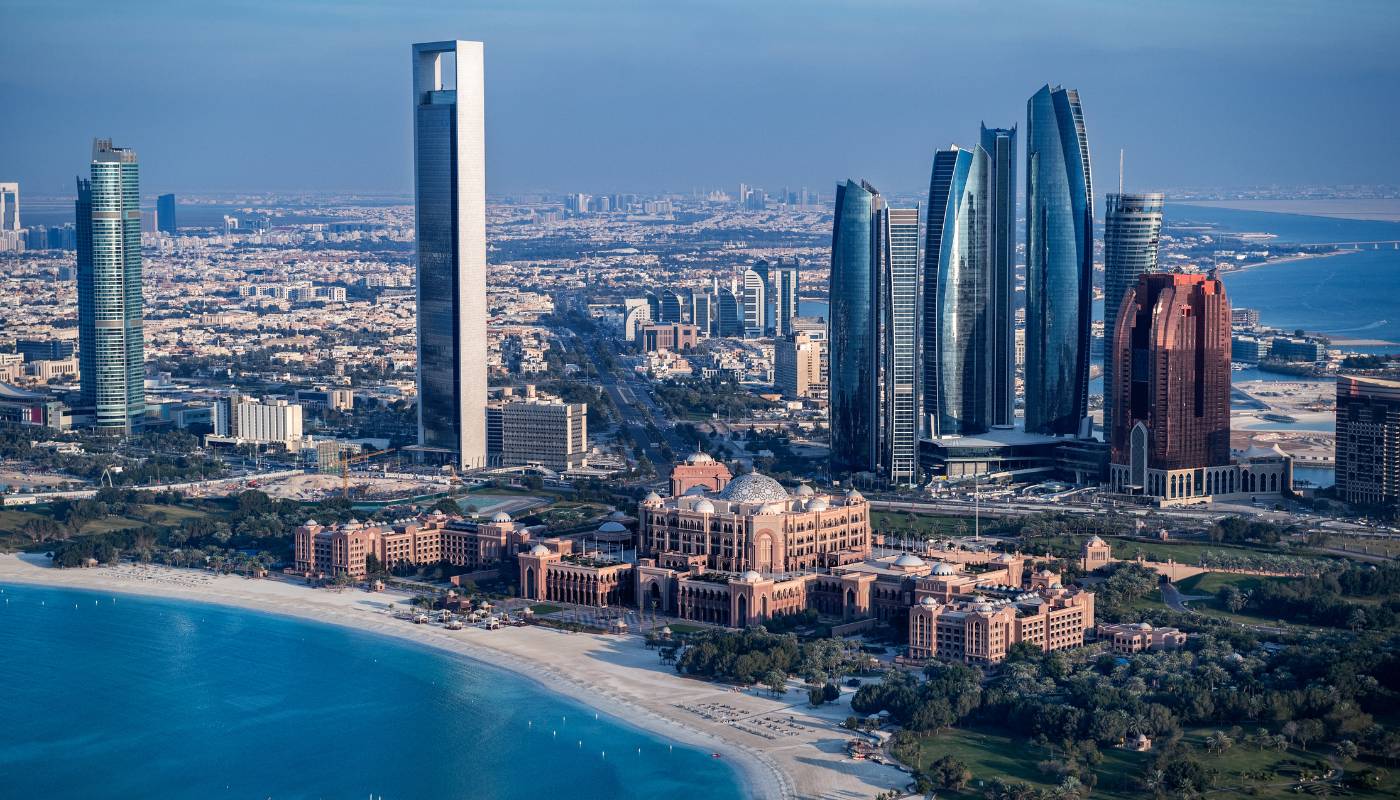
What Fees Do You Need to Pay When Buying Property in Abu Dhabi?
Introduction
Buying a home in Abu Dhabi isn’t just about paying the property’s listed price — it’s about understanding every hidden and additional cost that comes with the purchase. From government registration fees to real estate commissions and maintenance charges, there are several expenses that can easily catch buyers off guard if they’re not prepared.
For many first-time buyers and investors, these extra costs can make a big difference in the total amount they end up spending. That’s why it’s essential to know exactly what to expect before signing the sales agreement.
Purchasing a property is a major life milestone — it’s both a dream come true and a long-term investment. However, the process isn’t always simple, especially when hidden costs come into play. From registration charges to infrastructure fees, these additional expenses can significantly affect your total purchase amount. If you’re planning to invest in the UAE’s capital, this guide will help you understand all the key service fees involved in buying property in Abu Dhabi.
Why Understanding the Costs Matters of Buying a Property in Abu Dhabi
When it comes to buying real estate in Abu Dhabi, transparency isn’t just a good practice — it’s a necessity. Knowing exactly what fees you’re required to pay ensures you can budget accurately and make informed financial decisions.
Abu Dhabi’s property market is one of the most stable and investor-friendly in the region. It’s carefully regulated by the Department of Municipalities and Transport (DMT), which oversees all property-related transactions to maintain fairness, accountability, and legal compliance.
Understanding the complete fee structure not only helps you avoid last-minute surprises but also ensures that your purchase stays fully compliant with local property laws. Whether you’re an end-user or an investor, being aware of these costs upfront allows you to plan your finances effectively and move through the buying process with confidence.
Knowing the complete breakdown of costs when purchasing a property in Abu Dhabi is just as crucial as choosing the right location, apartment layout, or nearby amenities.
Here’s a detailed overview of the total expenses you can expect when buying a property in Abu Dhabi.
Property Buying and Selling Fees
One of the key expenses when buying property in Abu Dhabi is the property registration fee. As outlined by the Executive Committee under Resolution No. 49, this fee generally ranges between 1% and 4% of the property’s total value and is typically shared equally by the buyer and seller.
Currently, the standard rate stands at around 2%, but it’s important to understand that this percentage may vary depending on specific regulations or market conditions.
MUSATAHA And USUFRUCT Fees in Abu Dhabi
For properties registered under Musataha or usufruct rights, Abu Dhabi imposes a fixed registration fee of 4% of the total value, as per Resolution No. 49. Unlike other charges, there is no upper limit for this fee.
To calculate it, the annual Musataha or usufruct payment (based on the current market value) is multiplied by the entire duration of the agreement, and 4% of that total becomes payable. This amount must be settled in full with the relevant municipality at the time of registration.
Infrastructure Fee
Another cost to consider when purchasing property in Abu Dhabi is the infrastructure fee. Buyers of commercial or investment land are required to pay this one-time fee to the local government. The charge is calculated according to the land’s total area (in square metres) and contributes to the development of key infrastructure such as roads, drainage, and utility networks.
The infrastructure fee is AED 100 per sq. m in Abu Dhabi, AED 90 in Al Ain, and AED 80 in Al Dhafra. Including this expense in your financial planning is essential to avoid unexpected costs during the purchase process.
Disposal of Granted Land
Under Resolution No. 49, the earlier restriction on selling or transferring granted commercial or investment land in Abu Dhabi has been removed. However, if such land is vacant at the time of sale, gifting, or auction, the seller must pay a 15% fee to the local municipality.
It’s important to note that mortgaging the land does not count as a disposal. Still, lenders considering financing on vacant granted land should be aware of this potential fee, as it may apply later if the property is sold through foreclosure or transferred ownership.
Mortgage Fees
When purchasing a property in Abu Dhabi with the help of a mortgage, buyers are required to pay a small 0.1% registration fee as mandated by UAE mortgage law. This charge is a standard part of the overall property acquisition process and ensures your mortgage is legally registered.
Agent Fee
Your real estate agent plays a key role in the buying process—explaining contract terms, assisting with documentation, and finalising the sale. In return, agents typically charge a commission of 2% of the property’s total value, in addition to a 5% Value Added Tax (VAT) on their service fee.
Fees for Increasing Land Area
If you plan to expand your land, the following government fees apply based on the land type:
Residential or agricultural land: 5% of the market value of the area being added.
Commercial or investment land: 75% of the market value of the area being added.
Other Fees Associated with Buying Property in Abu Dhabi
In addition to the major costs above, there are several smaller administrative and registration fees to consider:
| Type of Fee | Cost |
|---|---|
| Mortgage Transfer | AED 200 |
| Replacement of Mortgage | AED 1,000 |
| Commercial Land Consolidation | AED 10,000 |
| Investment Land Consolidation | AED 5,000 |
| Residential & Agricultural Land Consolidation | AED 3,000 |
| Site Plan Issuance | AED 200 |
| Will (for property of a deceased person) | AED 3,000 |
| Abu Dhabi Municipality Fee | ~2% of the purchase price |
| Mortgage Registration Fee | 0.1% of the purchase price |
| Real Estate Agency Fee | 2% of property value + 5% VAT |
| Bank Mortgage Arrangement Fee | Up to 1% of loan amount + 5% VAT |
| Title Deed Issuance | AED 1,000 |
| Property Valuation Fee (by bank) | AED 2,500–AED 3,000 + 5% VAT |
Tips to Reduce Overall Property Purchase Costs
Buying property in Abu Dhabi doesn’t have to stretch your budget to the limit. With a little research and smart decision-making, you can save a significant amount during the buying process. Here are some practical ways to reduce your overall property purchase costs:
Negotiate with Your Agent or Developer
Don’t hesitate to negotiate — real estate prices and commissions often have some flexibility. Many developers and agents are open to discussions, especially if you’re making an upfront payment or buying off-plan. A polite negotiation can help you save thousands of dirhams in fees or secure better payment terms.
Look for Fee Waivers and Promotions
Keep an eye out for developer promotions, especially during property launches or real estate events. It’s common for developers in Abu Dhabi to offer registration fee waivers, free service charges for the first year, or discounted DLD fees to attract buyers. These offers can significantly lower your upfront costs.
Compare Bank Offers for Mortgage Deals
If you’re buying through a mortgage, don’t settle for the first offer. Compare mortgage rates, processing fees, and valuation charges across multiple banks. Even a small difference in interest rates or administrative fees can make a big impact on your total repayment over time.
Review the Sales and Purchase Agreement (SPA) Carefully
Before signing, go through your Sales and Purchase Agreement in detail. Make sure all costs, terms, and developer responsibilities are clearly mentioned. If possible, seek advice from a property lawyer or financial consultant to ensure there are no hidden charges or unclear clauses.
Buy During the Right Market Conditions
Timing matters. Property prices and fees often fluctuate based on market trends. Buying during a buyer’s market or when developers are offering incentives can lead to better deals and lower overall expenses.
Tips to Reduce Overall Property Purchase Costs
Buying property in Abu Dhabi doesn’t have to stretch your budget to the limit. With a little research and smart decision-making, you can save a significant amount during the buying process. Here are some practical ways to reduce your overall property purchase costs:
Negotiate with Your Agent or Developer
Don’t hesitate to negotiate — real estate prices and commissions often have some flexibility. Many developers and agents are open to discussions, especially if you’re making an upfront payment or buying off-plan. A polite negotiation can help you save thousands of dirhams in fees or secure better payment terms.
Look for Fee Waivers and Promotions
Keep an eye out for developer promotions, especially during property launches or real estate events. It’s common for developers in Abu Dhabi to offer registration fee waivers, free service charges for the first year, or discounted DLD fees to attract buyers. These offers can significantly lower your upfront costs.
Compare Bank Offers for Mortgage Deals
If you’re buying through a mortgage, don’t settle for the first offer. Compare mortgage rates, processing fees, and valuation charges across multiple banks. Even a small difference in interest rates or administrative fees can make a big impact on your total repayment over time.
Review the Sales and Purchase Agreement (SPA) Carefully
Before signing, go through your Sales and Purchase Agreement in detail. Make sure all costs, terms, and developer responsibilities are clearly mentioned. If possible, seek advice from a property lawyer or financial consultant to ensure there are no hidden charges or unclear clauses.
Buy During the Right Market Conditions
Timing matters. Property prices and fees often fluctuate based on market trends. Buying during a buyer’s market or when developers are offering incentives can lead to better deals and lower overall expenses.
Conclusion
Owning property in Abu Dhabi is more than just a lifestyle upgrade — it’s a long-term investment in one of the most secure and promising real estate markets in the region. Just like Luxury Homes In Dubai, understanding the value and potential of real estate here is essential. However, the journey to ownership becomes far smoother when you understand every fee and cost involved from the start.
By planning your finances carefully and accounting for registration, agent commissions, mortgage charges, and other related expenses, you can avoid unexpected surprises and ensure a stress-free buying experience.
In short, by budgeting for every cost upfront, you’ll make your dream property purchase not only transparent and well-managed but also financially rewarding in the long run.
If you’re ready to explore your options, Luxury Spaces Real Estate can help you find the right property in Abu Dhabi — guiding you through every step with expert advice and complete transparency.
FAQs
1. How much are the total fees to buy a property in Abu Dhabi?
The total fees usually range between 4% to 7% of the property price, depending on the property type, whether it’s financed or not, and developer policies. These include registration, agent commission, mortgage charges, and other admin fees.
2. Who pays the property registration fee in Abu Dhabi — buyer or seller?
Typically, the buyer pays the property registration fee to the Abu Dhabi Municipality. However, in some cases — especially in developer promotions or negotiated deals — the seller or developer may share or cover this fee.
3. How much is the real estate agent commission in Abu Dhabi?
The standard commission is 2% of the property price, plus 5% VAT. It’s generally paid by the buyer once the sale is completed and ownership is transferred.
4. Are there any annual maintenance or service fees?
Yes. Property owners pay annual service charges to cover building maintenance, security, and common area services. These typically range from AED 10 to AED 30 per sq. ft., depending on the property type and location.
5. Do I need to pay VAT when buying property in Abu Dhabi?
Residential property sales are usually VAT-exempt, but commercial units and some off-plan properties may include a 5% VAT. Always confirm the VAT status in your purchase agreement before finalizing.
6. Can foreigners buy property in Abu Dhabi?
Yes. Foreign investors can buy freehold properties in designated areas like Saadiyat Island, Al Reem Island, Yas Island, and Al Raha Beach, with full ownership rights and eligibility for long-term residency visas.
7. How can I save money when buying a property in Abu Dhabi?
Negotiate with your developer or agent, compare mortgage rates from multiple banks, and look out for registration fee waivers or limited-time offers from developers during property launches.