

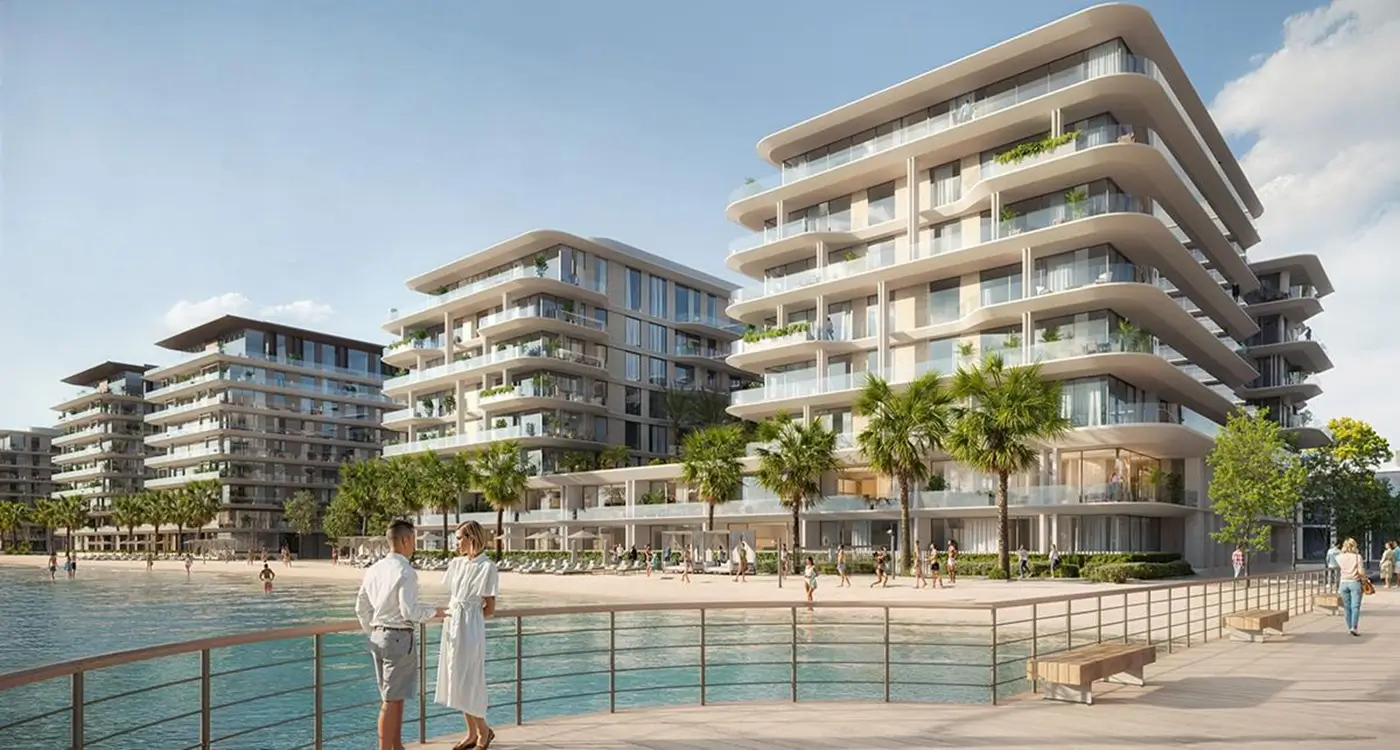
Loan Against Property in Dubai 2026: Eligibility, Rates & Process Guide
Dubai’s financial landscape in 2026 is evolving at a pace that continues to attract global investors, entrepreneurs, and high-net-worth individuals. With strong real estate growth, investor-friendly regulations, and a tax-efficient environment, the city has positioned itself as a hub where property is not just a place to live—but a powerful financial asset. As property values rise across key communities, more owners are exploring ways to unlock liquidity without selling their assets.
This is where a loan against property in Dubai (2026) becomes highly relevant. In simple terms, it allows property owners to leverage the value of their real estate to secure funds for various needs—whether for business expansion, personal investments, or managing financial commitments. Unlike traditional financing, this approach enables borrowers to retain ownership while accessing substantial capital.
The increasing popularity of mortgage loan Dubai solutions reflects a broader shift toward smarter financial planning. Expats, investors, and business owners are now actively using Dubai property financing options to maximize asset efficiency. With property prices trending upward, the borrowing potential tied to real estate is also increasing—making this an opportune time to consider structured financing strategies backed by property.
A loan against property in Dubai gives property owners the ability to access funds by leveraging the value of their real estate—without needing to sell it. As Dubai’s property market remains stable and lending frameworks continue to evolve in 2026, this financing option stands out as a reliable solution for both residents and investors seeking liquidity.
In this guide, you’ll understand:
What is a Loan Against Property (LAP)?
A loan against property (LAP) in Dubai is a secured form of borrowing where an owned property is used as collateral to obtain funds from a bank or financial institution. Instead of financing a new purchase, you are utilizing the equity built in an existing asset.
This type of loan is widely used for purposes such as renovating a home, expanding a business, consolidating debts, or financing new investments. Unlike standard home loans, LAP is generally offered on properties that are either fully owned or have a significant portion of the loan already repaid.
To better understand how LAP differs from other financing methods, it helps to compare it with various mortgage types in Dubai—since LAP is designed for liquidity access rather than property acquisition.
Eligibility Criteria for Loan Against Property in Dubai
Before approving a loan against property in Dubai, lenders assess several criteria, including your residency status, financial strength, and the condition of the property.
Residency Status
Eligibility varies depending on whether you are a resident or non-resident:
UAE Nationals are usually eligible for higher loan-to-value (LTV) ratios, often reaching up to 85%, along with simpler documentation processes.
Expat residents can typically secure up to 80% LTV, depending on the bank and the property’s profile.
Non-residents face stricter conditions, with LTV limits generally around 60% and additional paperwork requirements.
These differences are based on risk assessment policies followed by financial institutions in the UAE.
Income and Financial Requirements
Banks carefully evaluate your ability to repay the loan. Common benchmarks in 2026 include:
A minimum monthly income of approximately AED 20,000 for salaried individuals and AED 35,000 for self-employed applicants (this may vary by lender).
A strong credit profile with a low debt-to-income ratio.
Age limits requiring loan repayment by around 65 years for salaried individuals and 70 years for self-employed borrowers.
Maintaining a stable financial profile can significantly improve your chances of loan approval.
Property Eligibility
The property itself is a key factor when applying for a loan against property in Dubai:
The property should be fully paid or have substantial equity built up.
A valid title deed and proper registration are essential.
Properties located in prime areas or well-maintained communities tend to receive higher valuations.
Location has a direct impact on valuation, as property trends across Dubai highlight differences in demand and performance between various neighbourhoods.
Documentation
The required documents vary based on employment type:
Salaried applicants must provide a passport, visa, Emirates ID, salary certificate, and recent bank statements.
Self-employed individuals need to submit a trade license, audited financial statements, and company bank statements.
A credit bureau report is generally required for all applicants.
Preparing all necessary documents in advance can help speed up the loan approval process and avoid unnecessary delays.
Loan-to-Value (LTV) Ratio and Maximum Borrowing Limits
The loan-to-value (LTV) ratio defines the percentage of your property’s value that a lender is willing to finance.
- UAE nationals: Up to 85%
- Expats: Up to 80%
- Non-residents: Approximately 60%
For properties priced above AED 5 million or when financing a second property, the LTV ratio generally decreases to around 60%–75%.
The final loan amount is also influenced by the type and quality of the property. For example, individuals using high-end assets such as apartments for sale in Dubai or luxury villas for sale in Dubai as collateral may secure better valuations, which can positively impact their borrowing capacity.
Interest Rates and Charges (2026 Overview)
Interest rates for loans against property in Dubai vary depending on market trends, the borrower’s financial profile, and the selected interest structure.
Interest Rate Structures
Financial institutions in the UAE commonly provide the following options:
Fixed interest rates for an initial period (usually 1 to 5 years), followed by a variable rate
Variable rates linked to EIBOR (Emirates Interbank Offered Rate) plus a bank-specific margin
Islamic financing solutions, where profit rates replace conventional interest
Current Interest Rate Ranges (2026)
| Borrower Type | Fixed Rate Range (2026) | Variable Rate (EIBOR + Margin) |
|---|---|---|
| UAE Nationals | ≈ 3.79% – 3.99% | EIBOR + 1.50% to 1.89% |
| Expats/Residents | ≈ 3.89% – 4.50% | EIBOR + 1.79% to 1.99% |
| Non-residents | ≈ 4.19% – 6.50% | EIBOR + 2.00% to 2.50% |
Additional Fees and Costs
Apart from interest rates, there are several other expenses borrowers need to account for:
- Processing fees: Typically between 0.25% and 1% of the total loan amount
- Property valuation charges: Around AED 2,500 to AED 3,500
- Mortgage registration fee: Approximately 0.25% of the loan value
- Insurance requirements: Both life and property insurance are mandatory
Including these costs in your financial planning is essential to avoid unexpected expenses during the loan process.
Loan Application and Approval Process in Dubai
Applying for a loan against property in Dubai follows a systematic procedure and usually takes a few weeks from start to finish.
Step-by-Step Process
Evaluate eligibility and seek pre-approval (if available)
Submit all necessary documentation
Property evaluation by an authorised valuer
Credit assessment and underwriting
Issuance and signing of the loan offer
Registration with the Dubai Land Department and release of funds
Using analytical tools like Property Finder’s Data Guru can help you assess property values and market trends beforehand, allowing you to better understand your borrowing potential.
Timeline for Approval
| Applicant Type | Estimated Timeframe |
|---|---|
| Salaried individuals / UAE Nationals | 3–5 weeks |
| Self-employed / Expats | 4–6 weeks |
| With pre-approval | 1–2 weeks (initial stage) |
Partnering with a Property Finder SuperAgent can further streamline the process. These certified professionals offer expert guidance, assist with documentation, and help compare lenders to secure the most suitable deal.
How to Improve Loan Against Property Terms & Eligibility in Dubai
Getting favorable terms on a loan against property in Dubai largely depends on how well you prepare and position your finances.
- Consider opting for a salary transfer arrangement, as it can help you secure lower interest rates
- Keep your credit score healthy and try to minimise any existing debts or liabilities
- Invest in properties located in high-demand areas to achieve a better valuation
- Choose fixed interest rates when market conditions are stable or advantageous
- Always compare offers from multiple lenders before making a final decision
Even minor improvements in your financial standing can significantly increase your borrowing capacity and help you obtain more competitive interest rates.
Conclusion
A loan against property in Dubai serves as a versatile financing solution, enabling property owners to unlock funds without selling their real estate assets. UAE nationals generally enjoy higher loan-to-value (LTV) ratios, whereas expats and non-residents are subject to slightly stricter requirements.
As of 2026, interest rates remain competitive, with both fixed and variable rate options available. The loan approval process usually takes around 4 to 6 weeks. With proper financial planning and preparation, borrowers can secure more favorable loan terms and maximise their funding potential.
FAQs
1. What is a loan against property in Dubai?
A loan against property in Dubai is a secured loan where you pledge your residential or commercial property to get funds from banks or financial institutions.
2. Who is eligible for a loan against property in Dubai?
Eligibility depends on factors like age, income, employment status, property value, and credit history. Both UAE residents and non-residents can apply, subject to lender policies.
3. What interest rates are offered for property-backed loans in Dubai?
Interest rates for loans against property in Dubai typically vary based on the lender, loan tenure, and applicant profile, usually ranging between competitive market rates.
4. How much loan can I get against my property in Dubai?
Most lenders offer up to 50%–70% of the property’s market value, depending on the type of property and your financial profile.
5. What documents are required to apply?
Common documents include Emirates ID, passport, income proof, bank statements, and property ownership documents.
6. How long does the loan approval process take in Dubai?
The approval process usually takes between 5 to 15 working days, depending on the lender and document verification.