

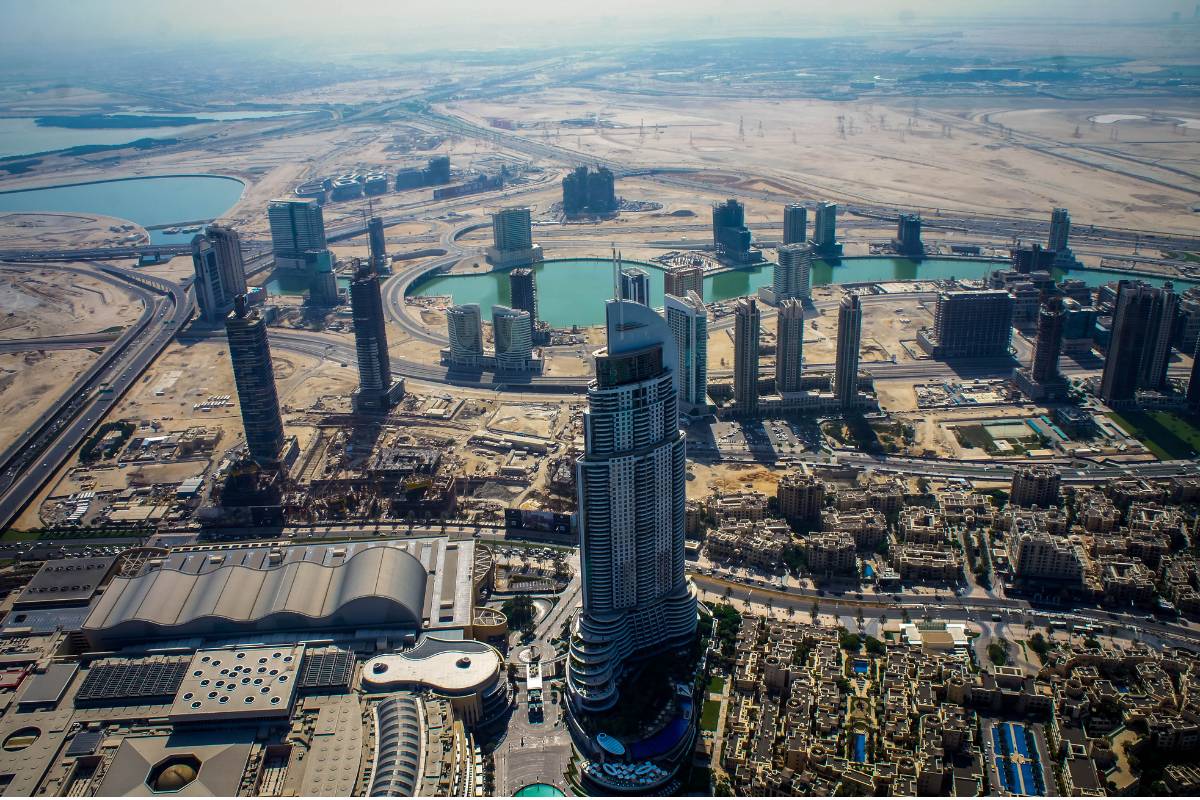
Everything You Need to Know About Buying Property in Dubai
Dubai’s real estate market captivates with its luxurious offerings and vibrant atmosphere. Whether you’re drawn to the allure of pre-construction projects or the immediate appeal of ready-to-move-in properties, navigating this dynamic market requires careful planning. This guide will equip prospective buyers with essential knowledge to make informed decisions.
We’ll delve into the intricacies of the Dubai real estate landscape, providing insights into the various property types available. From the allure of off-plan investments, where you secure a property under development, to the convenience of exploring ready-to-move-in options, we’ll examine the advantages and considerations of each.
Furthermore, this guide will shed light on the legal framework governing property transactions in Dubai. We’ll explore the essential steps involved, including due diligence, legal documentation, and the role of real estate agents. Understanding these procedures is crucial for a smooth and successful property purchase.
Finally, we’ll address the financial aspects of acquiring property in Dubai. This includes a comprehensive overview of associated costs, such as registration fees, transfer fees, and agency commissions. By understanding the financial implications upfront, buyers can effectively budget and plan their investments.
Guidelines for Buying Property in Dubai
Foreigners can Buy property in Dubai. This right is outlined in Real Estate Law No. 7 of 2006: Land Registration Law. Specifically, Article (4) of this law states that property ownership is open to individuals of all nationalities:
- UAE citizens
- GCC citizens
For foreign nationals, the law permits property ownership in certain zones specifically designated for foreign buyers. There are two primary forms of ownership available to foreigners: freehold and leasehold. With leasehold, you gain property rights for a predetermined period.
In contrast, freehold grants you full ownership of both the property and the land it occupies. Grasping these differences is crucial for successfully navigating Dubai’s real estate market.
Exploring the Dubai Real Estate Market
The Dubai real estate market is a dynamic and rapidly evolving sector that attracts investors and homeowners from around the globe. Known for its luxurious properties, innovative architecture, and strategic location, Dubai offers a diverse range of opportunities for both residential and commercial investments. Understanding the market trends, regulatory framework, and economic factors is essential for making informed decisions in this competitive landscape.
Before purchasing property, it’s essential to grasp the intricacies of Dubai’s real estate market. Key aspects like market trends, types of properties, location dynamics, and price fluctuations should be carefully analyzed and understood.
Deciding Between Off-Plan Properties and Ready-to-Move Homes
When it comes to purchasing Property, one of the key decisions you’ll face is whether to invest in an off-plan property or opt for a ready-to-move home. Both options come with their own set of advantages and considerations, and understanding the differences can help you make the best choice for your needs and goals.
Choosing between off-plan and secondary market properties is a crucial decision for buyers. Off-plan developments often appeal to investors with flexible payment options, requiring a smaller initial investment. However, it’s important to weigh the risks, such as possible construction delays or unforeseen challenges. In contrast, ready-to-move properties offer greater certainty and lower risk, though they typically come with a higher price tag. For a deeper dive into this topic, explore our comprehensive guide comparing ready and off-plan properties in Dubai.
Engaging a Registered Broker
When working with real estate agents, it’s essential to collaborate with a registered broker. Always verify their RERA registration number to confirm they are licensed and regulated by the Dubai Land Department. Additionally, asking for references from past clients can offer further confidence in their reliability and professionalism.
Finding the Ideal Community
When making a property purchase, it’s essential to think about the long-term impact by carefully assessing the surrounding area. Key factors such as the family-friendly environment, proximity to schools, and planned developments can greatly influence your decision. Areas like Dubai South, which are set to benefit from major projects such as Expo 2020, present promising opportunities for future growth and value appreciation.
Thorough Building investigate
When considering a property, go beyond assessing the community and focus on the details of the building or complex itself. Look into the developer’s background, their reputation in the industry, and the quality of maintenance and service fees. Take the time to connect with current residents to gain firsthand insights into what it’s like to live there and to evaluate the developer’s reliability and performance over time.
Evaluating the Financial Aspects
Budgeting is crucial: Purchasing property in Dubai requires careful planning. Determine your financial limits, factoring in not only the purchase price but also essential costs like registration fees, agent commissions, and ongoing maintenance expenses.
Financing options in Dubai are diverse. Explore mortgage structures offered by local banks. Understand interest rates, loan terms, and eligibility criteria. This knowledge will empower you to make informed decisions and secure the most suitable financing solution for your property investment.
Navigating Property Purchase in Dubai: A Legal Guide
Buying Property in Dubai is a very easy procedure, whether you’re trying to discover your dream house or want to make a wise investment. There are four essential legal phases in the process. Understanding the legal environment is essential since real estate transactions in Dubai are subject to clear norms and regulations. This entails being acquainted with the rules regulating property ownership, visa requirements, and the duties of regulatory bodies such as the Dubai Land Department (DLD).
The Agreement: A Guide to Buyer-Seller Contracts
After locating the ideal home on Luxury Spaces, speak with the seller to settle on the conditions. Making a thorough and precise contract is essential, regardless of whether you decide to pay with cash or think about mortgage choices. Although it is not necessary to hire a lawyer or real estate agent at this time, having a well-written agreement is essential. To avoid future disagreements, be sure to include the price, payment options, and any other crucial terms.
Execute the Real Estate Sales Agreement
The next step in buying real estate in Dubai is to download the sales contract, also known as the Memorandum of Understanding (MOU) or Form F. You may find this form on the Dubai Land Department’s (DLD) official website. Any particular terms or conditions can be included in the contract. Following the completion of the specifics, the agreement must be signed by the buyer and the seller in front of a witness. It is advised to finish this procedure in the office of the Registration Trustee. It is now additionally necessary to pay the Registration Trustee a 10% security deposit on the property. After the entire transaction is successfully finished, this deposit will be reimbursed.
Securing a No Objection Certificate (NOC)
Start by working with the developer to finish the ownership transfer procedure and acquire a No Objection Certificate (NOC). The developer will issue the certificate as soon as it is verified that there are no outstanding service charges or other obligations related to the property.
Transfer Ownership at the Registrar’s Office
Collect the necessary paperwork, then either go in person to the Registrar’s Office or assign an authorized agent to manage the ownership transfer. There are a few easy and obvious phases in the process:
Provide all necessary documents.
Include a cheque for the property price, made payable as required.
Submit the Emirates ID and passport copies for both the seller and the buyer.
Ensure the original No Objection Certificate (NOC) and the signed Form F contract are submitted.
Double-check and confirm all information for accuracy.
Pay the relevant fees and collect the payment receipt.
Once approved, you will receive a confirmation email and the updated title deed in your name as the new owner.
Adhering to these guidelines will empower you to confidently navigate the complexities of buying property in Dubai, leading to a smooth and secure transaction.
The Cost of Buying Property in Dubai
Dubai has grown to be one of the world’s most desirable real estate markets, drawing both purchasers and investors. It is essential to comprehend the expenses associated with buying real estate, regardless of whether you are searching for an opulent home or a chic apartment. The main costs you should take into account when purchasing real estate in Dubai are broken down below.
Mortgage
- Down Payment: This upfront payment generally amounts to 20% of the total loan value.
- Bank Mortgage Processing Fee: This fee is commonly calculated as 0.5% of the loan amount, plus an additional 5% VAT.
Property Valuation Fee: The cost for - property valuation typically ranges from AED 2,500 to AED 3,500, with an extra 5% VAT applied.
Government
- Transfer Fee: 4% of the property’s purchase price, plus a fixed fee of AED 580.
- DLD Property Registration Fee: AED 4,000, with an additional 5% VAT.
- DLD Mortgage Registration Fee: 0.25% of the total loan amount, plus a fixed fee of AED 290.
- Oqood Certificate (for off-plan properties): A fee of AED 5,250 applies.
Service
Security Deposit: A standard 10% of the total purchase price is required to be paid to the seller.
Agency Fee: This fee amounts to 2% of the property price, plus an additional 5% VAT.
Conveyance Fee: The cost for this service typically falls between AED 6,000 and AED 10,000.
Maintenance
- Maintenance Fee: Determined according to the area in square feet.
DEWA (Dubai Electricity and Water Authority), Gas, Air Conditioning, and Internet: Costs are applied as per the rates set by respective service providers.
- Maintenance Fee: Determined according to the area in square feet.
Insurance
- Life insurance is a requirement for mortgage buyers, with premiums typically ranging from 0.4% to 0.8% annually based on the outstanding loan balance. Additionally, it’s important to explore the hidden costs associated with purchasing property in Dubai before finalizing your decision.
Understanding Upfront vs. Ongoing Costs
Purchasing a property in Dubai involves two main types of costs.
Upfront Costs
The first charges you have to pay at the beginning of the purchase process are known as upfront costs. These expenses are often paid prior to the completion of the transaction and are associated with purchasing the property. Some common up-front expenses associated with buying a home are listed below:
- Down Payment
- Bank Mortgage Processing Fee
- DLD Property Registration Fee
- Property Valuation Fee
- DLD Transfer Fee
- DLD Mortgage Registration Fee
- Oqood Certificate (if the property is off-plan)
- Conveyance Fee
- Agency Fee
- Security Deposit
You should budget around AED 281,000 up front for a house that costs AED 1 million. Monthly mortgage payments of about AED 4,200, yearly maintenance fees of AED 37,500, and annual insurance premiums of AED 4,200 are other recurring charges.
To make sure the investment is manageable, buying real estate in Dubai requires a specific income level. The salary required to purchase a property in Dubai is broken out below.
Risks of Buying Property in Dubai
Real estate investing in Dubai may be quite lucrative, but it’s important to be aware of the possible drawbacks. An overview of the main dangers of buying real estate in Dubai may be found below.
- Market Volatility: Property values can be affected by shifts in the economy, but government policies are in place to help maintain market stability.
- Miscommunication Risks: Be aware of legal limitations for foreign investors, consult a legal expert, and ensure all regulations are followed.
- Developer Reputation: Research developers thoroughly by visiting sites, checking RERA certifications, and reviewing their previous work.
- Construction Delays: Assess the track record of developers and plan for possible income loss if projects are delayed.
- Unexpected Costs: Budget for hidden charges, maintenance expenses, and potential refurbishment needs.
By following these tips, however, you can reduce the risks associated with property investment in Dubai.
FAQs
How long does the property buying process in Dubai take?
The process generally takes between two to ten weeks to complete. However, if the property is being purchased with a mortgage, the timeline may extend further.
How to buy property in Dubai on a mortgage?
For those opting for a mortgage, it’s recommended to obtain pre-approval before finalizing the sale agreement. Additional costs include a 1% Bank Mortgage Arrangement fee and a Property Valuation fee (ranging from AED 2,500 to 3,500 plus 5% VAT). It’s also essential to carefully weigh the advantages and disadvantages of purchasing property in Dubai before making a decision.
Can foreigners buy property in Dubai?
Yes, non-resident foreigners are permitted to own property in designated freehold areas regulated by the Dubai Land Department. Popular freehold zones include Palm Jumeirah, Dubai Marina, Downtown Dubai, and Arabian Ranches. However, buyers must comply with specific conditions and UAE property ownership regulations. For more details, refer to our guide on buying property in Dubai as an expat.
How to buy off-plan property in Dubai?
The process involves setting a budget, researching developers and projects, consulting a real estate agent, reserving the property with a deposit, signing a Memorandum of Understanding (MoU), selecting a payment plan, and completing legal formalities such as obtaining a No Objection Certificate (NOC), registering the property, and securing the title deed. Before investing, it’s important to consider key factors when buying off-plan property in Dubai.
Can you buy property in Dubai without an agent?
Yes, it’s possible to purchase property in Dubai without engaging an agent. Buyers can deal directly with developers or individual sellers in many communities.
This concludes our guide to buying property in Dubai. This detailed overview of legal procedures aims to ensure a seamless investment experience in Dubai’s real estate market. Discover a wide range of properties for sale in Dubai, from luxurious villas to budget-friendly options in sought-after locations, enabling you to make well-informed decisions that align with your preferences and financial goals.