
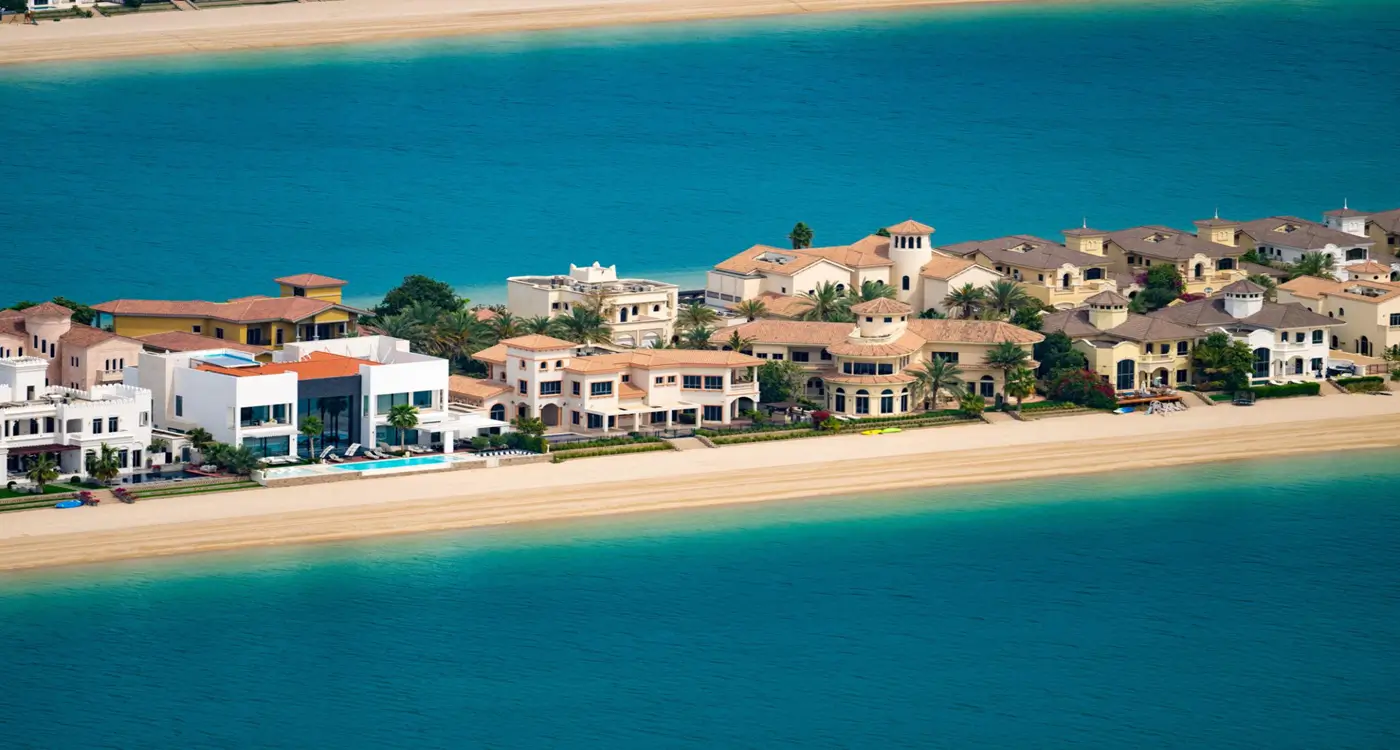
How Non-Residents Can Buy Property in Dubai: Step-by-Step Guide

Dubai has rapidly evolved into one of the world’s most attractive real estate investment destinations, drawing buyers from across Europe, Asia, and beyond. With its tax-free property environment, consistently strong rental yields, and investor-friendly regulations, the city offers a unique combination of security and profitability that few global markets can match.

One of the biggest advantages? You don’t need to be a UAE resident to invest. Non-residents can legally buy property in Dubai, making it accessible to international investors looking to diversify their portfolios or secure a high-performing asset in a stable market. A common question many first-time buyers ask is: “Do I need a residency visa to purchase property?” The answer is no—ownership is open to foreigners in designated freehold areas without requiring residency status.

All real estate transactions are regulated by the Dubai Land Department (DLD), ensuring transparency, legal protection, and a structured buying process.

Is it possible to purchase property in Dubai without holding a residency visa? The answer is yes. Dubai’s real estate market is among the most accessible in the world, allowing non-residents to invest in property under well-defined legal regulations.

This guide breaks down everything you need to know—from eligibility and ownership rights to the step-by-step buying process, expected costs, and how property ownership can eventually support residency opportunities.

Dubai Property Laws: Legal Framework and Ownership Rights Explained

Dubai has established clear laws that regulate how foreign nationals can buy and own real estate.

According to Law No. 7 of 2006 on Real Property Registration, non-UAE citizens are allowed to purchase property in specific zones approved by the Ruler of Dubai. These designated areas provide either full ownership or long-term usage rights, depending on the type of property.

Types of Ownership Available

  • Freehold: Complete ownership of both the property and the land it stands on

  • Leasehold: Long-term leasing rights, typically up to 99 years

  • Usufruct: The right to use and benefit from a property without owning the land

  • Musataha: The right to develop land for a fixed period

Foreign investors can only buy freehold properties in officially approved freehold areas, which include many of Dubai’s prime residential and investment communities.

Do You Need Residency to Be Eligible?

A common concern among international buyers is whether a UAE residency visa is required to invest in Dubai real estate.

The good news is that residency is not a requirement. Non-residents are fully permitted to buy property in designated freehold zones and enjoy the same ownership rights as UAE residents.

You also do not need:

  • A UAE residency visa
  • A local UAE bank account (in most cases)

Typically, a valid passport is enough to complete the purchase and register the property under your name.

Key Eligibility Criteria

  • Age Requirement: Buyers must be legally eligible to enter into a contract. Minors can own property through a legal guardian

  • Nationality: There are no nationality restrictions when purchasing property in designated freehold areas

Step-by-Step Guide for Non-Residents to Buy Property

The property buying journey for non-residents in Dubai is largely similar to that of residents. However, there are a few extra steps related to documentation and verification that international buyers need to follow carefully.

Choose and Verify the Property

The first and most important step is selecting a property within a designated freehold area, where foreign nationals are legally allowed to own real estate. Whether you are exploring premium beachfront villas or searching for options like Siraj apartments for sale in Dubai, confirming ownership eligibility is essential before proceeding.

Real Estate Regulatory Agency

Dubai Land Department

Buyers should ensure the following:

  • The property is located in a recognized freehold zone

  • A RERA-certified real estate agent is handling the transaction

  • The developer is officially registered and the project is approved

  • Ownership proof is verified and cross-checked with Dubai Land Department records

Make an Offer and Sign the Agreement

After selecting the property, the next step is to submit an offer and formalize the deal through the appropriate agreement:

  • A Memorandum of Understanding (MoU) for ready-to-move-in properties

  • A Sale and Purchase Agreement (SPA) for off-plan developments

Important elements to review include:

  • A deposit, typically ranging between 5% and 20%

  • Clearly defined terms covering price, payment structure, and handover timeline

Arrange Payment or Financing

Non-resident buyers can proceed with either full cash payment or mortgage financing, depending on their financial strategy.

  • Cash purchases are common and are usually completed through international bank transfers

  • Mortgage options are available, generally offering up to 50–60% Loan-to-Value (LTV)

  • Non-residents are typically required to pay a higher down payment (around 40–50%) and meet stricter income verification criteria

Prepare Documents and Assign Power of Attorney (If Needed)

Buyers must prepare essential documentation to proceed with the transaction. These typically include:

  • A valid passport copy

  • Proof of funds along with recent bank statements

If the buyer is unable to travel to Dubai, they can appoint a representative through a Power of Attorney (PoA). As of 2026, the process involves stricter verification measures for enhanced security.

UAE Ministry of Foreign Affairs

For a PoA to be valid, it must:

  • Be notarised in the buyer’s home country

  • Be legalised by the UAE Embassy

  • Be attested by the UAE Ministry of Foreign Affairs (MOFA)

  • Be officially translated into Arabic if required

Register the Property with the Dubai Land Department

The final stage involves registering the property under the buyer’s name with the Dubai Land Department.

This process includes:

  • Payment of the 4% DLD transfer fee

  • Issuance of the official title deed

  • Obtaining a developer No Objection Certificate (NOC), if applicable

Once the registration is complete, the buyer receives the official title deed. Today, these documents are often issued in secure digital formats and can be accessed through the Dubai REST mobile application.

Expenses and Financial Considerations When Buying Property

When purchasing property, the listed price is only part of the total investment. Buyers should also plan for several additional expenses that come with the transaction.

Cost TypeEstimated FeeResponsibility
DLD Transfer FeeAround 4% of the property valueBuyer
Administrative & Registration FeesAED 2,000 – 5,000Buyer
Agency CommissionApproximately 2% of the property valueUsually the buyer (sometimes shared)
Developer NOC ChargesAED 500 – 5,000Buyer
Service ChargesAnnual fee, varies by developmentProperty Owner

For non-resident buyers opting for mortgage financing, banks generally impose stricter conditions. This often includes a higher down payment requirement and slightly increased interest rates compared to those offered to UAE residents.
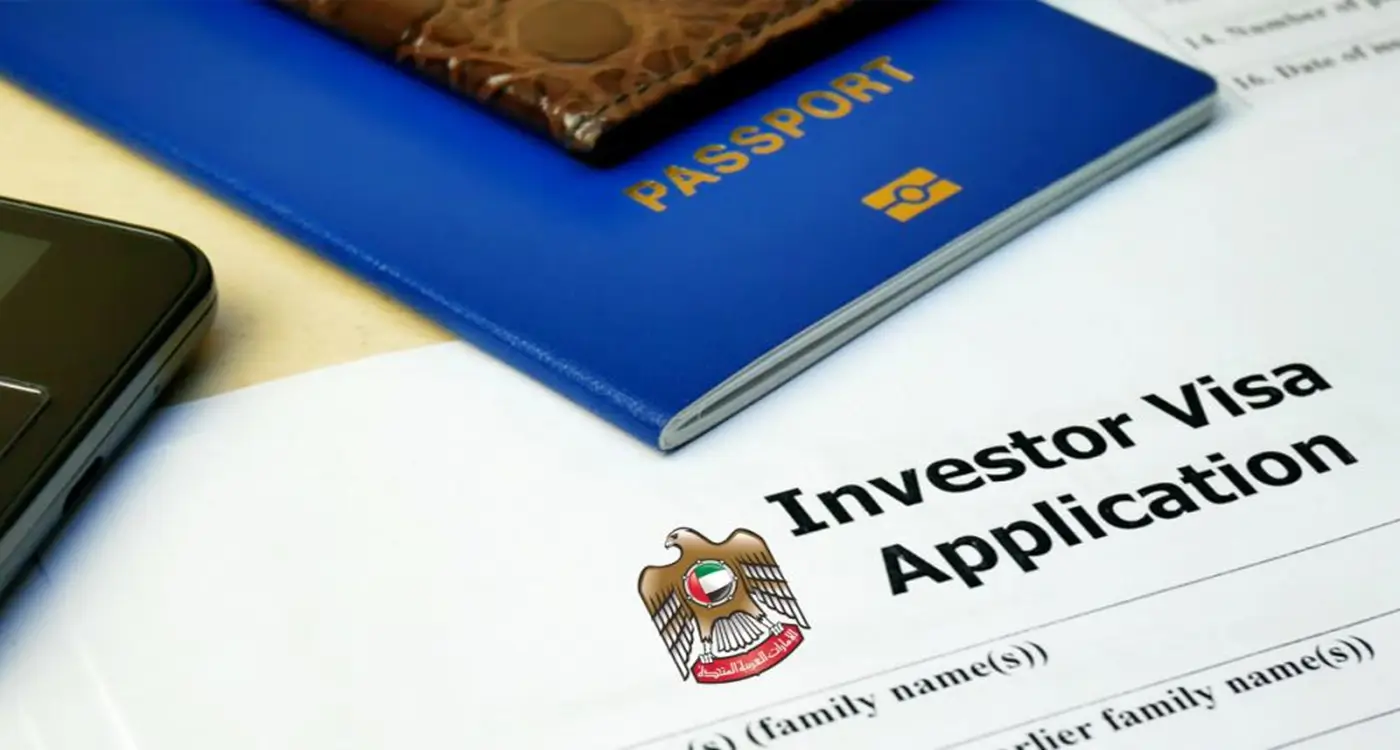
Dubai Property Ownership: Residency and Visa Opportunities

Although owning property in the UAE is not a mandatory requirement for residency, it can help investors qualify for long-term visa options.

Key Residency Options

  • Investor Residence Visa
    Investors who own property valued at AED 750,000 or more may be eligible for a 2-year residency visa.
  • Golden Visa
    Buyers investing AED 2,000,000 or above in property can qualify for a 10-year long-term residency visa.

As of 2026, the eligibility criteria for the Golden Visa have become more flexible. Investors can now qualify even with mortgaged properties, as long as they have paid at least AED 2 million toward the property’s value. The earlier requirement for a minimum upfront cash payment has been removed.

Off-Plan Property Eligibility

For off-plan investments, visa eligibility typically depends on project progress and payment milestones. In most cases:

  • The project should be at least 50% completed

  • The investor must have paid a minimum of 50% of the property value

Final approval is subject to regulations set by the Dubai Land Department (DLD) and UAE immigration authorities.

Common Property Buying Mistakes in Dubai and How to Avoid Them

Non-resident investors need to stay alert to avoid common errors that can lead to legal or financial complications. Here are some key issues to watch out for:

  • Buying property outside officially approved freehold zones
  • Dealing with brokers who are not properly licensed
  • Overlooking ongoing costs such as service charges and maintenance fees
  • Using a Power of Attorney that is incorrect or not properly attested

To minimize these risks, it’s highly recommended to seek guidance from qualified legal professionals and work only with agents who are registered with RERA.

Property Buying Timeline: What to Expect

The time required to complete a property purchase in Dubai depends on the type of transaction. Here’s a general breakdown:

ScenarioEstimated Timeframe
Cash purchase (ready property)2–4 weeks
Property purchase with mortgage3–6 weeks
Off-plan propertyAs per developer timeline + 4–6 weeks after handover

Conclusion

Non-residents are allowed to purchase property in Dubai without needing residency status. A valid passport is generally sufficient to complete a transaction within approved freehold areas. Buyers can choose from multiple ownership structures, with freehold being the most comprehensive option, granting complete ownership rights over the property.

In addition to the property price, purchasers should plan for extra costs, which usually range between 7–10% of the total value. Investors acquiring higher-value properties may also become eligible for residency options such as the Investor Visa or the Golden Visa, and under current regulations, even mortgaged properties can qualify.

To ensure a smooth and secure transaction, conducting detailed due diligence and maintaining accurate legal documentation is crucial at every stage of the buying process.

FAQs

1. Can foreigners buy property in Dubai without residency?

Yes, foreigners can buy property in Dubai without having a residency visa. The government allows non-residents to purchase freehold properties in designated areas.


2. What are the requirements to buy property in Dubai as a non-resident?

You typically need a valid passport, proof of funds, and to complete the property registration process with the Dubai Land Department.


3. Do I get a residency visa if I buy property in Dubai?

Property ownership may make you eligible for a residency visa, but it is not automatic. Eligibility depends on the property value and current visa regulations.


4. What are the costs involved in buying property in Dubai?

Key costs include the property price, Dubai Land Department (DLD) fee (usually 4%), agent commission, and registration fees.


5. Can non-residents get a mortgage in Dubai?

Yes, non-residents can apply for mortgages in Dubai, but they may face stricter eligibility criteria and higher down payment requirements.


6. Is buying property in Dubai a good investment for non-residents?

Dubai offers high rental yields, tax-free income, and strong infrastructure, making it an attractive option for international investors.

Demo Title

Demo Description


Introducing your First Popup.
Customize text and design to perfectly suit your needs and preferences.

This will close in 20 seconds

[field id="field_2f7c340"]

This will close in 20 seconds