

Smart Contracts in Real Estate: A Complete Guide

The UAE is actively pursuing global leadership in innovation by adopting cutting-edge technology throughout its industries. A significant component of this strategy is the use of smart contracts in real estate. These digital agreements are designed to be self-executing, immutable, and fully transparent.

These contracts offer distinct advantages, including time and cost savings, and can even bypass the need for traditional intermediaries like banks and lawyers. Despite these clear benefits, hurdles like legal acceptance and the need for standardization remain. This article will explore the full spectrum of their advantages, challenges, and future potential within the UAE’s real estate market.

What Are Smart Contracts?

Smart contracts are self-executing digital agreements built on blockchain technology, designed to reshape the real estate sector in the UAE. By removing the need for intermediaries such as banks, brokers, or legal representatives, these contracts bring greater efficiency and cost savings.

Through automation, smart contracts ensure that agreements between parties are transparent, secure, and tamper-proof. They also pave the way for innovative investment opportunities, including tokenized real estate, where properties can be divided into digital shares for easier access to investors.

When integrated into property transactions, smart contracts streamline the entire process by covering key aspects such as:

  • Regulatory compliance: Ensuring property sales and ownership transfers are registered with the Dubai Land Department and aligned with local real estate laws.

  • Operational efficiency: Improving the workflow for property managers, auditors, and legal teams by automating back-office tasks.

Automated income distribution: Simplifying the distribution of rental income directly to token holders without manual intervention.

The Role of Smart Contracts in Real Estate

Smart contracts are redefining how property transactions are carried out by addressing some of the biggest challenges in the real estate industry.

  • Eliminating Intermediaries: Traditionally, buying or selling property involves multiple middlemen such as brokers, lawyers, and banks. With smart contracts, the need for these intermediaries is significantly reduced. The blockchain itself acts as the trusted third party, ensuring that agreements are executed exactly as intended.

  • Speeding Up Transactions: Property deals often take weeks or even months to finalize due to paperwork, approvals, and manual checks. Smart contracts automate these processes, allowing transactions to be completed in hours or even minutes. This efficiency makes real estate more accessible and less stressful for buyers and sellers alike.

  • Providing Transparency and Trust: Every action in a smart contract is recorded on the blockchain, making it impossible to alter or tamper with. This creates a clear, verifiable history of the transaction, which builds trust between parties and reduces the risk of fraud or disputes.

In short, smart contracts streamline the property process, making it faster, safer, and more reliable for everyone involved.

Through automation, smart contracts ensure that agreements between parties are transparent, secure, and tamper-proof. They also pave the way for innovative investment opportunities, including tokenized real estate, where properties can be divided into digital shares for easier access to investors.

When integrated into property transactions, smart contracts streamline the entire process by covering key aspects such as:

  • Regulatory compliance: Ensuring property sales and ownership transfers are registered with the Dubai Land Department and aligned with local real estate laws.

  • Operational efficiency: Improving the workflow for property managers, auditors, and legal teams by automating back-office tasks.

  • Automated income distribution: Simplifying the distribution of rental income directly to token holders without manual intervention.

Key Advantages of Smart Contracts in Real Estate

Enhanced Transparency and Security

With blockchain’s immutable ledger, every transaction and ownership record is permanently stored, minimizing the chances of fraud. Since smart contracts are secured through cryptography, they ensure a higher level of trust by recording all agreements and activities transparently on the blockchain.

Faster and More Efficient Processes

By removing intermediaries and reducing manual paperwork, smart contracts make property dealings quicker and more cost-effective. This automation not only cuts transaction expenses but also shortens the overall time required to finalize real estate deals.

Real Estate Tokenisation

Smart contracts make it possible to tokenize real estate assets, allowing properties to be divided into digital tokens. Each token represents a share of the property, enabling investors to purchase fractional ownership.
This innovation opens up the real estate market to a wider pool of global investors, making property investment in Dubai more inclusive and accessible.

Practical Use Cases in Real Estate

Smart contracts are not just theoretical—they are already finding real applications in the property sector. Here are some of the most common and impactful use cases:

  • Property Purchase & Sale Agreements: Buying or selling property becomes seamless with smart contracts. Once payment is made, ownership rights can be automatically transferred, reducing delays and paperwork.

  • Rental & Lease Contracts: Smart contracts can automate rent collection, deposit refunds, and lease renewals. Tenants and landlords benefit from clear, pre-set rules without the risk of disputes.

  • Property Management and Maintenance Agreements: From service contracts with maintenance companies to payment schedules for repairs, smart contracts ensure tasks are completed and payments are released only when conditions are met.

  • Tokenization of Real Estate (Fractional Ownership): Blockchain allows properties to be divided into digital tokens, enabling multiple investors to own a share of a property. This opens the door to fractional ownership, making real estate investment more accessible to a wider audience.

  • Mortgage and Loan Processing: Instead of lengthy approval processes, smart contracts can automatically verify eligibility, manage repayments, and release funds. This improves efficiency for both lenders and borrowers.

Challenges & Limitations

Although smart contracts are transforming the UAE’s property sector with efficiency and transparency, their adoption still comes with several hurdles. Below are the major challenges that need to be addressed:
Legal and Regulatory Barriers
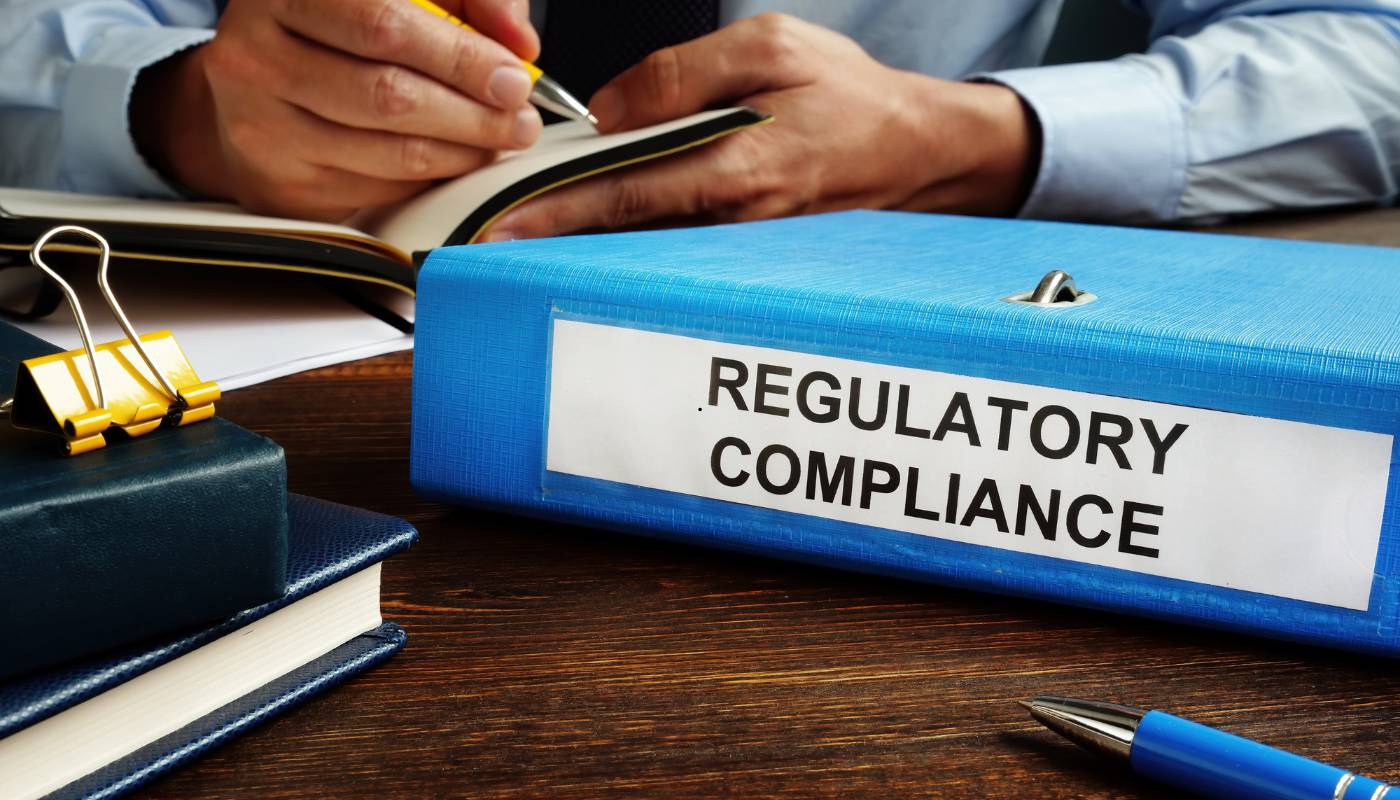
One of the biggest obstacles is the lack of clear recognition of blockchain-based contracts under RERA regulations. Without legal acknowledgment, enforcing such agreements becomes complicated.

Additionally, the pace of blockchain innovation often moves faster than regulatory updates, leaving businesses with uncertain guidelines and compliance issues.

Lack of Standardisation
Real estate laws and practices differ widely across regions, making it difficult to design uniform smart contract frameworks. The absence of standardized protocols and platforms restricts smooth integration with existing property management systems.

Technical Limitations
Developing and deploying smart contracts requires specialized programming expertise, which is not widely available. These contracts are also prone to bugs, security vulnerabilities, and compatibility issues with legacy databases.

Scalability is another concern—most current blockchain networks struggle with processing high transaction volumes. Moreover, the inflexibility of modifying contracts once deployed creates additional risks in the property sector.
Adoption and Industry Resistance
Many real estate professionals are still unfamiliar with how smart contracts work, which leads to hesitation and slow adoption. Stakeholders may resist due to lack of awareness, doubts about the technology, or concerns about reliability.

On top of that, the high initial cost of development and implementation discourages smaller businesses from experimenting with blockchain-based solutions.

Data Privacy Issues
While blockchain is praised for its transparency, it can also expose sensitive ownership and property details. This creates privacy concerns for investors, developers, and buyers—making some reluctant to embrace smart contracts in real estate.

Future of Real Estate Investment Through Smart Contracts


Smart contracts are transforming the real estate sector in the UAE by bringing greater efficiency, transparency, and accessibility to investors. For many global buyers, blockchain technology is emerging as a true game-changer, as it helps automate processes while ensuring secure property transactions.

Dubai, in particular, is positioning itself as a worldwide leader in blockchain-driven real estate. With projects such as the Real Estate Tokenisation Sandbox, companies now have the opportunity to test and implement blockchain-based solutions, in line with the Dubai Blockchain Strategy.

Conclusion

Smart contracts are reshaping the future of real estate by eliminating inefficiencies and bringing automation into one of the world’s most traditional industries. From property purchases to rentals, management, and even fractional ownership, these blockchain-powered agreements are making transactions faster, more secure, and far more transparent.

By reducing reliance on intermediaries and cutting unnecessary costs, smart contracts deliver speed, trust, and efficiency—qualities that modern property buyers, sellers, and investors are actively seeking.

As digital transformation continues, the role of smart contracts in real estate will only expand. Staying informed about these blockchain-driven innovations is essential for anyone who wants to take advantage of smarter, safer, and more streamlined property transactions in the years ahead.

About to Smart Contracts Frequently Asked Questions (FAQs)

1. What is a smart contract in real estate?
A smart contract is a self-executing digital agreement stored on blockchain. It automatically enforces the terms of a property deal—such as payment transfers or ownership changes—without needing intermediaries like lawyers or brokers.

2. How do smart contracts benefit real estate transactions?
They make transactions faster, more transparent, and cost-efficient. By reducing paperwork and manual approvals, smart contracts save time while ensuring trust and security through blockchain technology.

3. Are smart contracts legally recognized in real estate?
Legal recognition depends on the country. Some jurisdictions, like the UAE and parts of the US, are adopting blockchain-friendly regulations, while others still rely on traditional contract laws.

4. Can smart contracts be hacked?
While blockchain itself is highly secure, poorly written smart contracts can have vulnerabilities. This is why auditing and coding best practices are crucial for safe implementation.

5. What is tokenization of real estate?
Tokenization means converting a property into digital tokens on the blockchain. This allows multiple investors to own fractions of a property, making real estate investment more affordable and accessible worldwide.

6. Will smart contracts replace lawyers and brokers in real estate?
Not entirely. While they reduce dependency on intermediaries, complex property deals may still require professional legal and financial advice. Smart contracts complement, rather than completely replace, traditional roles.

7. How soon will smart contracts become common in real estate?
Adoption is growing rapidly in markets like Dubai, the US, and Europe. With increasing digital transformation and clearer regulations, smart contracts could become standard practice within the next decade.

Demo Title

Demo Description


Introducing your First Popup.
Customize text and design to perfectly suit your needs and preferences.

This will close in 20 seconds

[field id="field_2f7c340"]

This will close in 20 seconds