luxuryspaces.co
CategoriesUncategorized

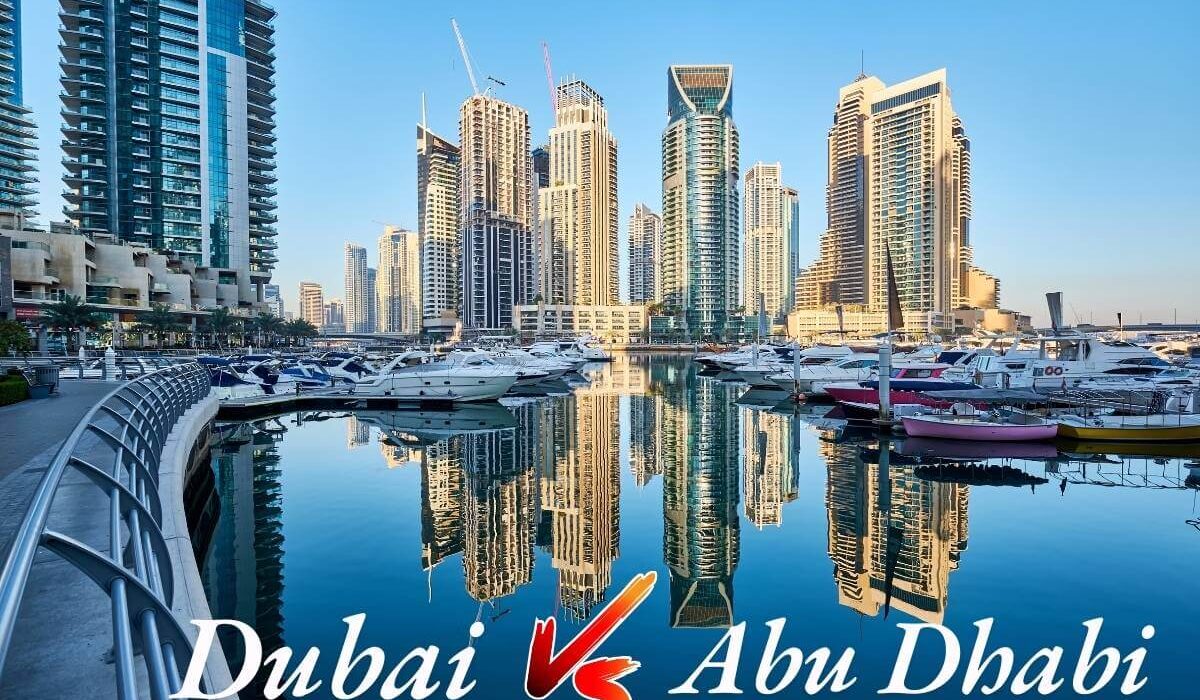
Dubai or Abu Dhabi: Which city is more affordable?

Dubai or Abu Dhabi: Which City is More Affordable?

When considering life in the UAE, Dubai and Abu Dhabi stand out as prime destinations, each with its own distinct character. Dubai is renowned for its lively pace and impressive landmarks, while Abu Dhabi, the nation’s capital, presents a more serene and family-focused environment. For those navigating life in the Emirates, understanding the financial implications of living in either city is crucial. This guide offers a practical comparison of expenses such as housing, transportation, and education to facilitate sound financial planning.

Dubai vs. Abu Dhabi: Understanding the Cost of Living Differences

An analysis of the cost of living in Dubai and Abu Dhabi necessitates an examination of the principal determinants of expenditure in these two emirates. The ensuing discussion will address the influence of geographical location, individual lifestyle, and demographic characteristics.

Location

Lifestyle Preferences

Demographics

Insights

    • Dubai: This is highly recommended for professionals seeking a fast-moving, global work environment characterized by diverse activities and employment opportunities within the private sector.
    • Abu Dhabi: This is a great choice for families and those working in government sectors seeking a more peaceful and consistent way of life.

These core differences lead to variations in housing, transportation, and other living expenses, as discussed in the sections that follow.

Housing Costs: Dubai vs Abu Dhabi

If you’re comparing the cost of living in Dubai and Abu Dhabi, housing is a big one. Let’s take a closer look at rental prices and the types of places you can live in both cities.

Housing in Dubai

  • Popular Residential Areas: Downtown Dubai, Jumeirah, Business Bay, and Dubai Marina.
  • Average Rent:
    • 1BHK Apartment: AED 70,000–100,000/year.
    • 2BHK Apartment: AED 100,000–150,000/year.
    • Villas: AED 200,000–350,000/year (depending on location).
  • Short-Term Rentals: There are several Airbnb alternatives that cater to foreigners and visitors, which frequently raises rates in desirable areas.

Housing in Abu Dhabi

  • Popular Residential Areas: Yas Island, Al Reem Island, Khalifa City, and the corniche.
  • Average Rent:
    • 1BHK Apartment: AED 50,000–75,000/year.
    • 2BHK Apartment: AED 80,000–120,000/year.
    • Villas: AED 150,000–300,000/year (more spacious than Dubai).
  • Family-Friendly Housing: Abu Dhabi offers larger, family-friendly villas with shared amenities that are comparatively less expensive than those in Dubai.

Comparison Table

Category

Dubai (AED)


Abu Dhabi (AED)

1BHK Apartment

70,000–100,000/year


50,000–75,000/year

2BHK Apartment

100,000–150,000/year


80,000–120,000/year

Villa

200,000–350,000/year


150,000–300,000/year

Short-Term Rentals

Higher in tourist zones due to demand.


Limited compared to Dubai.

Insights

  • Dubai: Demand in desirable areas drives up housing costs, especially for luxury units and short-term rentals.
  • Abu Dhabi: choices that are more reasonably priced, particularly for families looking for calmer neighbourhoods and larger areas.

Lifestyle preferences and budget priorities play a major role in how these distinctions affect your ultimate choice.

Dubai vs Abu Dhabi: A Comparative Analysis of Real Estate Investment Returns.

The Return on Investment (ROI) for real estate investments in Dubai and Abu Dhabi is subject to variation based on market trends, the nature of the property, and the investor’s individual objectives. A detailed comparison is presented below.

Dubai: A Competitive Market with a High ROI

  • Average ROI: The return on investment in Dubai’s real estate market typically ranges from 5% to 8% per year for apartments and from 4% to 6% per year for villas, depending on the property’s location and characteristics.
  • Prime Investment Areas:
    • Dubai Marina: 6-7% return on investment because of the high demand for rentals from both tourists and professionals.
    • Jumeirah Village Circle (JVC): Affordable housing investments can yield a return of 7-8%.
    • Downtown Dubai: 5-6% return on investment for high-end units with steady demand.
  • Market Dynamics:
    • Dubai’s prominence as a global hub for business and tourism fuels the demand for rental properties.
    • Platforms for short-term rentals, such as Airbnb, increase profits in high-demand locations.
    • Liquidity and speedy resales are guaranteed by high transaction volume.

Abu Dhabi: Consistent ROI in a Long-Term Market

  • Average ROI: Abu Dhabi offers somewhat lower yearly returns than Dubai, with 4-6% for flats and 3-5% for villas.
  • Prime Investment Areas:
    • Al Reem Island: Investors can expect a 5-6% return on their investment, thanks to the property’s contemporary design and convenient access to commercial hubs.
    • Yas Island: Investors can expect a 4-5% return on investment from these projects, which are well-suited for both family living and tourism initiatives.
    • Saadiyat Island: Luxury properties at the high end of the market typically yield a 3-4% ROI and offer the possibility of substantial long-term appreciation.
  • Market Dynamics:
    • Give secure, long-term leasing priority, especially for government workers and families.
    • The short-term rental market is smaller than Dubai’s.

ROI in Dubai and Abu Dhabi: A Comparison

Factor

Dubai

Abu Dhabi

Average ROI (Apartments)

5-8%

4-6%

Average ROI (Villas)

4-6%

3-5%

Market Liquidity

High due to frequent transactions

Moderate due to long-term focus

Short-Term Rentals

Thriving market (Airbnb, holiday rentals)

Limited demand for short-term stays

Popular Investment Zones

Marina, Downtown, JVC, Business Bay

Al Reem Island, Yas Island, Saadiyat Island


Insights

  • Dubai: Dubai’s real estate market is well-suited to investors seeking strong short-term returns and readily available liquidity. It is a popular choice for those focusing on short-term rentals or acquiring properties in high-demand locations.
  • Abu Dhabi: For investors prioritizing long-term stability and consistent returns, this offers a compelling opportunity with stable ROI and reduced market volatility.

The key factor in deciding between Dubai and Abu Dhabi for real estate investment is your individual investment strategy. high-growth potential (Dubai) or stability and long-term security (Abu Dhabi).

Transportation Costs: Dubai vs Abu Dhabi

The cost of transportation differs substantially between Dubai and Abu Dhabi, influenced by factors such as the availability of public transportation, the expenses associated with owning a vehicle, and the use of ride-hailing services. The following is a detailed analysis.

Public Transport

Factor

Dubai

Abu Dhabi

Modes Available

Metro, buses, trams, water taxis

Bus network with limited rail options

Coverage

Extensive, covering major areas and landmarks

Focused on central areas; fewer routes overall

Cost

Metro: AED 3–8 per trip

Buses: AED 2–4 per trip

Ease of Use

Highly convenient for residents and tourists

Better suited for residents with fixed routes

Car Ownership Costs

Factor

Dubai

Abu Dhabi

Fuel Costs

Approx. AED 3.12 per liter (as of Dec 2024)

Approx. AED 3.12 per liter (same rate)

Registration Fees

AED 450–500 annually

AED 450–500 annually

Insurance

AED 2,000–4,000 (depending on vehicle)

AED 2,000–4,000 (slightly lower for SUVs)

Parking Fees

RTA zones: AED 2–10/hour

Mawaqif zones: AED 2–3/hour

Ride-Hailing Services

Factor

Dubai

Abu Dhabi

Platforms Available

Uber, Careem, local taxis

Uber, Careem, local taxis

Average Cost

AED 15–25 for a short trip

AED 12–20 for a short trip

Accessibility

Widely available across the city

Slightly limited in suburban areas

Monthly Transportation Cost Comparison

Category

Dubai (AED)

Abu Dhabi (AED)

Public Transport Pass

AED 300 (Unlimited Metro + Bus)

AED 200–250 (Bus only)

Car Ownership (Average)

AED 1,500–2,500

AED 1,300–2,000

Ride-Hailing Services

AED 500–1,000

AED 400–800

Insights

  • Public Transport: Non-drivers find it easier to navigate Dubai thanks to its well-developed transportation system and numerous options.
  • Car Ownership: The overall price is comparable, but parking is generally more costly in Dubai.
  • Ride-Hailing: In Abu Dhabi, using ride-hailing apps is typically a little more budget-friendly, however, it’s worth noting that the service might not be readily available everywhere.

Verdict:

  • Dubai: This is a great choice for people who depend on public transport or require access to various transportation methods, such as water taxis.
  • Abu Dhabi: This option is more practical for car owners and residents of well-connected bus service areas.

Utility Expenses: Dubai vs Abu Dhabi

Utility expenses, The cost of essential services, including electricity, water, internet, and mobile communications, is a key factor in comparing the cost of living in Dubai and Abu Dhabi. A detailed breakdown is provided below.

Electricity and Water Costs

Aspect

Dubai (DEWA Rates)

Abu Dhabi (ADDC Rates)

Electricity Rate

AED 0.23–0.38 per kWh (tiered rates)

AED 0.30 per kWh (residential rate)

Water Rate

AED 3–4 per 1,000 gallons

AED 2.1 per 1,000 gallons

Seasonal Variations

High in summer (AC usage)

Similar spikes in summer

Monthly Average (2BHK)

AED 800–1,500 in summer; AED 400–700 in winter

AED 600–1,200 in summer; AED 350–600 in winter

Internet and Mobile Services

Aspect

Dubai

Abu Dhabi

Internet Plans (Home)

Etisalat/Du: AED 300–500/month (100 Mbps)

Etisalat: AED 300–450/month (100 Mbps)

Mobile Plans

Prepaid: AED 150–200/month; Postpaid: AED 200–400/month

Similar rates for prepaid and postpaid plans

Bundled Services

Etisalat/Du bundles for TV, internet, and phone: AED 500–800

Etisalat bundles: AED 500–750

Monthly Utility Expenses: A Comparison Chart

Category

Dubai (AED)

Abu Dhabi (AED)

Electricity & Water

800–1,500 (summer); 400–700 (winter)

600–1,200 (summer); 350–600 (winter)

Internet

300–500

300–450

Mobile

150–400

150–400

Total

1,250–2,400

1,050–2,050

Insights

  • Electricity & Water: In Abu Dhabi, utilities tend to cost less, primarily because water is less expensive and there are fewer high-price periods for electricity
  • Internet & Mobile: Although costs are comparable, Dubai’s urban areas offer better value packages because of high demand.
  • Overall: For families, especially larger ones with considerable water needs, Abu Dhabi has a slight edge in terms of utility costs.

The need for air conditioning in both cities during the summer months leads to predictable increases in utility bills. However, with thoughtful budgeting, residents can lessen the impact of these seasonal changes.

A Comparison of Food and Grocery Prices: Dubai versus Abu Dhabi

Food costs, encompassing groceries and dining, are crucial factors when evaluating the cost of living in Dubai versus Abu Dhabi. Each city provides diverse choices for residents, accommodating both budget-minded individuals and those seeking luxurious dining experiences.

Grocery Costs

Aspect

Dubai

Abu Dhabi

Supermarkets

Carrefour, Lulu, and Spinneys dominate.

Carrefour and Lulu are more prominent; Spinneys is less widespread.

Local Markets

Traditional souks and Union Co-Op for budget shopping.

Affordable markets like Mina Zayed Fish Market and Baqala shops.

Imported Goods

Widely available, slightly more expensive in Spinneys.

Similar selection, but slightly cheaper for staples.

Monthly Grocery Bill (Family of 4)

AED 2,500–3,500 (varies by preference).

AED 2,000–3,000 (marginally cheaper)

Dining Out Costs

Aspect

Dubai

Abu Dhabi

Casual Dining

AED 60–150 per person.

AED 50–120 per person.

Fine Dining

AED 250–500 per person at upscale venues.

AED 200–400 per person at similar venues.

Street Food

AED 15–30 for meals (shawarma, biryani).

AED 10–25 (street vendors or Baqala snacks).

Brunch Culture

Extensive options with prices ranging from AED 200–500 per person.

Fewer options, but typically AED 150–400.

Comparison Table: Grocery and Dining Averages

Category

Dubai (AED)

Abu Dhabi (AED)

Monthly Grocery Bill

2,500–3,500 (family of 4)

2,000–3,000 (family of 4)

Casual Dining

60–150 (per person)

50–120 (per person)

Fine Dining

250–500 (per person)

200–400 (per person)

Street Food

15–30 (per meal)

10–25 (per meal)

Insights

  • Groceries: Abu Dhabi tends to be slightly cheaper for everyday groceries due to less emphasis on premium supermarkets like Spinneys.
  • Dining Out: Dubai offers a broader range of dining options, but Abu Dhabi is generally more affordable for casual and fine dining.
  • Overall: While both cities cater to different lifestyles, Abu Dhabi offers cost savings for families and those preferring home-cooked meals, while Dubai provides unparalleled diversity for food enthusiasts.

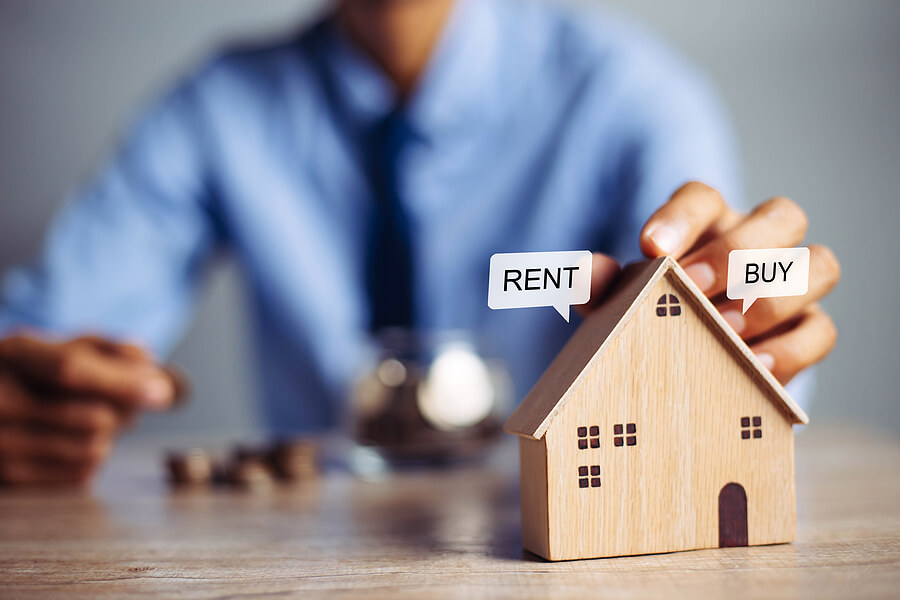
 

Better to buy or rent a property in Dubai - Luxury Spaces
CategoriesBlog

Better to buy or rent a property in Dubai?

Should you rent or buy property in Dubai?

Dubai, a vibrant metropolis, offers a cosmopolitan lifestyle that attracts many. As the real estate market in Dubai continues to grow, deciding whether to rent or buy a home has become increasingly important. Several factors, such as individual preferences and financial situations, play a role in this decision. Should you buy or rent property in Dubai? Let’s explore the factors to consider.

THE ALLURE OF DUBAI’S REAL ESTATE MARKET

Dubai’s real estate market has seen substantial growth in recent years, establishing the emirate as a prominent destination for residential properties worldwide.

The Freehold Decree, enacted in 2002, paved the way for foreign buyers to own properties in specific areas of Dubai, marking a pivotal moment in the city’s real estate landscape.

Many people wonder if it’s better to buy or rent a property in Dubai. Let’s analyze the financial aspects of each option so you can make an informed decision.

BUY OR RENT PROPERTY IN DUBAI: FACTORS TO CONSIDER

Dreaming of living in Dubai? Discover the best approach to renting or buying property, tailored to your needs and preferences.

    • Financial Aspects:
      • Before making a decision about renting or buying an apartment in Dubai, carefully evaluate your individual needs and financial situation.
      • Evaluate your budget, down payment capacity, and the long-term financial consequences of each choice.
      • Account for upfront expenses, recurring costs, and the possibility of property value fluctuations.
      • When considering short-term or medium-term property investments in Dubai, it’s crucial to factor in the potential costs associated with selling the property.
    • Lifestyle and Preferences:
      • Evaluate your current way of living, what matters most to you, and your aspirations for the future.
      • Renting offers flexibility and is a great option for those who are still exploring their options in Dubai.
      • Investing in real estate is often a wise choice for those seeking a stable and permanent home.
    • Market Conditions:
      • Get the latest insights into the Dubai real estate market, including rental activity, property prices, and sales performance.
    • Mortgage Eligibility:
      • Relocating to Dubai can be an exciting adventure, but understanding the local mortgage landscape is crucial for expats planning to purchase property. With a booming real estate market and a diverse expat community, Dubai offers numerous opportunities for homeownership. However, the mortgage process can be different from what you may be accustomed to in your home country. In this article, we’ll delve into the key requirements and criteria that expats need to meet to secure a mortgage in Dubai.
    • Maintenance and Responsibilities:
      • Evaluate the maintenance demands and responsibilities that come with each possibility.
      • Renting often shifts the responsibility for property maintenance to the landlord, while buying a property places the onus on the homeowner to handle upkeep and repairs.

Your decision to buy or rent property in Dubai should be based on a comprehensive assessment of your budget, lifestyle, and investment objectives. Freehold ownership laws offer unique opportunities for property ownership in the city, which may influence your decision.

HOW ARE YOU (REALLY) DOING FINANCIALLY?

Purchasing a home in Dubai requires a significant financial commitment. Before making a purchase, it’s essential to assess your budget and ensure you can comfortably afford the 20% down payment and ongoing monthly instalments.

Financial stability is important when renting a property in Dubai. However, if you are already paying rent, you might consider buying a home instead. This way, you could be a property owner in the UAE in 5, 10, or even 25 years, with all the long-term benefits that come with it.

Looking to invest in Dubai real estate? Consider renting out your property to generate income. This can help cover your mortgage and provide a steady stream of returns.

Expats interested in investing in Dubai real estate can find detailed information about the new rules for foreign property buyers in the UAE.

RENTING VERSUS BUYING: WEIGHING THE PROS AND CONS

The decision to rent or buy a property in Dubai is highly personalized, with both options offering distinct benefits and drawbacks. Your individual circumstances, financial situation, and lifestyle goals will play a crucial role in determining the best choice for you.

    • If flexibility and affordability are your top priorities, renting might be the ideal option.
    • Renting offers the flexibility to move easily, frees you from property maintenance responsibilities, and safeguards your investment against market downturns.
    • Renting can be a costly long-term financial commitment. Over time, the total rent paid might surpass the cost of buying a home.

Dubai’s property market offers a promising opportunity for those seeking stability and financial rewards over the long term.

    • Unlike the annual rental hikes common in Dubai, mortgage payments offer a fixed structure, providing a sense of financial stability.

Renting or Buying in Dubai: Understanding Property Ownership Rights

Compared to renting, owning a property in Dubai grants you more freedom to customize and modify your home without seeking approval from a landlord.

While owning a property offers increased control, it also comes with financial responsibilities. Landlords often face annual maintenance fees, service charges, and the cost of repairs or renovations. The extent of these expenses varies depending on whether the property is held on a 99-year lease or freehold basis. This article explores the key differences between leasehold and freehold property ownership in Dubai.

DO YOUR RESEARCH AND FIND A GOOD AGENT!

When navigating the real estate market, especially as a first-time buyer, a trusted agent can be invaluable. Look for someone who specializes in the area or property type you’re interested in and who you feel comfortable working with. Your agent can provide expert guidance, help you understand the process, and ensure you make informed decisions.

The Financial Equation: Renting vs. Buying in Dubai's Real Estate Market

Buying a property in Dubai can be a more economical alternative to renting.

Let’s look at an actual example.

The average price of a one-bedroom apartment for sale in Dubai Marina is a hefty AED 1.58 million. However, renting a similar space in this vibrant neighborhood is significantly more affordable, with annual rates starting at AED 110,000.

Upfront costs for buying a 1-bedroom apartment in Dubai Marina

How Much Could You Save by Buying a 1-Bedroom Dubai Marina Apartment Instead of Renting for Five Years?

Here is how you can calculate the total upfront costs of a 1-bed flat for sale in Dubai Marina costing AED 1,581,000:

Required Payments Associated Costs in AED
Down Payment (20%)
316,200
Dubai Land Department Fee (4% of the property value + 580 AED admin fee)
63,820
Real Estate Agent Fee (2% of Property Value + 5% VAT)
33,201
Property Valuation fee (varies + 5% VAT)
2,500
Mortgage Registration Fee – 0.25% + 290
4,242.50
Property Registration Fee
4,200
Loan Establishment Fee (1%)*
15,810

Total upfront costs: AED 439,973.50.

How much will it cost to buy a 1-bed apartment in Dubai Marina over five years?

Now that we know the initial investment, let’s explore how much buyers can anticipate paying for a one-bedroom apartment in Dubai Marina over the next five years.

The Costs listed below are in accordance with the regulatory guidelines set by RERA for the Marina Diamond 1 project in Dubai Marina.

Required Payments Associated Costs in AED
Mortgage Value (80%)
1,264,800
EMI – 25 years tenure at 4.8%
7,247
Total EMI over five years
434,820
Annual RERA service charge for five years*
67,490

Total cost of buying over five years: AED 502,310

Please note:

    • The interest rate used in the calculations above is 4.8%, which is a standard fixed mortgage rate. However, it’s important to note that interest rates may vary from one bank to another.
    • The average 1-bedroom apartment in Dubai Marina, as considered for these calculations, measures approximately 850 square feet.
    • The RERA service charge index for Marina Diamond 1 in Dubai Marina is AED 15.88 per square foot in 2024.

Are you thinking about purchasing a property with cash? Understanding the pros and cons of cash vs. mortgage financing can help you make an informed decision about how to proceed.

How much will it cost to rent a 1-bedroom apartment in Dubai Marina over five years?

The average annual rent for a 1-bedroom flat in Dubai Marina is AED 110,000. Over five years, a tenant can expect to pay a total of AED 550,000 in rent. This calculation assumes that the rent remains constant throughout the five-year period, which may not always be the case.

Required Payments Associated Costs in AED
Annual Rent
110,000
Rent over five years
550,000
Real Estate Broker Fee (5% one time fee)
5,500
Annual Ejari Registration Fee + VAT (AED 226 for five years)
1,129

Total cost of renting over five years: AED 556,629

The estimated rental costs provided assume a consistent rental rate over the five-year period. However, it’s important to note that real-world rental markets often fluctuate. Tenants should anticipate annual rent increases ranging from 10% to 20%. This means the actual costs incurred could significantly exceed the initial calculation.

While rent can be a significant expense, it’s important to remember that it’s a cost that disappears at the end of each lease. In contrast, mortgage payments contribute directly to homeownership, a valuable asset that can provide a steady income stream in the future.

Key Costs to Remember

Add Your Heading Text Here

This is the first installment you pay when buying a property. It’s a portion of the full price you’ll owe to the bank if you’re taking a mortgage or to the developer if you’re purchasing a property before it’s built.

Foreign investors purchasing property in the UAE must put down at least 20% of the property’s value as a down payment. UAE nationals buying their first home can qualify with a 15% down payment. It’s important to note that personal loans cannot be used to fund down payments for real estate investments in the UAE.

Navigating the mortgage process in Dubai can be overwhelming, especially if you’re new to the city. Our comprehensive guide offers clear and concise information to help you understand the entire process, from eligibility criteria to closing costs.

Mortgage Repayments (EMI)

These are the monthly payments you make to gradually pay off the remaining balance of your home loan. This amount doesn’t include the initial down payment you made when you purchased the property.

The United Arab Emirates imposes loan-to-value (LTV) restrictions on mortgages. For properties valued below AED 5 million, the maximum loan amount is 80% of the property’s value. However, for real estate priced at AED 5 million or more, the LTV limit is reduced to 70%.

The monthly payments on your mortgage will be calculated based on 80% or 70% of the property’s value, plus the interest rate.

Upfront Costs for property investment in Dubai

Beyond the initial down payment, there are additional costs and fees associated with purchasing a property. These significant expenses can amount to approximately 6% to 7% of the property’s total price and should be factored into any potential investment plans.

While the down payment is typically paid upfront, other costs associated with buying a home can often be financed through a personal loan. These upfront expenses may include:

    • Real Estate Broker Fee: 2% of property value + 5% VAT
    • Dubai Land Department (DLD) Transfer Fee: 4% of property value + administrative charges (AED 580)
    • Mortgage Registration Fee: 0.25% of loan value + administrative charges
    • Property Registration Fee: From AED 4,000 for properties over AED 500,000 + 5% VAT
    • Property Valuation Fee: AED 2,500-AED 3,000 + 5% VAT
    • Bank Mortgage Loan Establishment Fee: 1% of loan amount + 5% VAT

Annual Maintenance Charges

This is a recurring charge payable by landlords to DLD as maintenance fees. The annual maintenance charges are based on the RERA Service Charge Index, which gives a specific charge per sq. ft. of the property and varies for different communities in Dubai. Maintenance charges vary across different emirates as well.

FREQUENTLY ASKED QUESTIONS

WHAT IS THE COST OF BUYING A VILLA IN DUBAI?

Dubai offers a diverse selection of villas, ranging from budget-friendly options starting at AED 600k to luxurious estates, with prices varying according to size and location. Whether you’re seeking a cozy retreat or a sprawling mansion, Dubai’s vibrant villa market has something to suit every preference and budget.

DOES DUBAI HAVE RENT-TO-OWN PROPERTIES?

www.luxuryspaces.co
CategoriesBlog

Dubai Service Charge Index for 2024

Guide to Dubai Services Charges when buying apartments, Villas and more

When buying property in Dubai, it’s important to consider various expenses. These include the deposit, installment payments (if applicable), agency fees, and other related costs, which a trusted real estate agent can guide you through. One key expense to keep in mind is the service charge, commonly known as the Dubai service charge index, which covers the property’s maintenance and upkeep.

www.luxuryspaces.co

What is a service charge?

In simple terms, the service charge on a property is the annual cost of maintaining it. This fee covers general maintenance, cleaning, repairs, and in some cases, chiller fees. Additionally, property owners contribute to a ‘sinking fund,’ which helps stabilize service fees over time. The sinking fund is used for major repairs, such as weather-related damage or chiller maintenance, beyond routine upkeep.

Service charges are calculated per square foot. For villas, the charge is based on the plot area, except in Jumeirah Golf Estates, where it’s based on the built-up area. For apartments, charges vary by development, with some factoring in the balcony or terrace.

Below, we’ve listed the average annual service charges for Dubai’s most popular residential communities.

Al Barari

Arabian Ranches

Damac Hills

DIFC

District One

Downtown Dubai

Dubai Hills Estate

Dubai Marina

Emirates Hills

JBR

Jumeirah Golf Estates

Jumeirah Islands

Jumeirah Park

Jumeirah Village Circle

Mudon

Palm Jumeirah

Town Square

Victory Heights

www.luxuryspaces.co
CategoriesBlog

Dubai vs. The World: A Comparative Analysis of Global Metropolises

Dubai has become a popular choice for real estate investment due to its affordable prices, minimal fees, and favorable business climate. The city was recently named the third most attractive global economic destination in a report by The Economist.

Dubai competes with other popular travel destinations like Hong Kong, London, Niseko, Phuket, and Sydney. However, Dubai offers a unique set of advantages that may make it more appealing to some travelers.

Dubai vs Hong Kong

Dubai and Hong Kong are both popular destinations for real estate investment. To help you make an informed decision, we’ve analyzed various factors including their economies, affordability, property acquisition costs, and taxation. This comparison will highlight the strengths and weaknesses of each location.

Economic Performance

Hong Kong and Dubai are renowned for their robust and resilient economies. Both cities have adopted a peg system, tying their currencies—the Hong Kong dollar and UAE dirham—to the U.S. dollar. This, coupled with low taxation, streamlined business processes, and a pro-business environment, has made them attractive destinations for investors and entrepreneurs. As per the World Competitiveness Yearbook 2023, Hong Kong and the UAE secured the seventh and tenth positions, respectively, among global economies in terms of overall competitiveness.

Dubai and Hong Kong, while both economic powerhouses, exhibit distinct economic landscapes. Dubai, once heavily reliant on oil, has strategically diversified its economy through initiatives in logistics, finance, manufacturing, and tourism. Its focus on education, technology, and skilled labor has been instrumental in reducing its dependence on traditional industries. In contrast, Hong Kong’s economy remains primarily anchored by trading and financial services, lacking the same level of diversification. However, in alignment with China’s 14th Five-Year Plan, Hong Kong is poised to play a pivotal role in the development of a global IT hub.

Affordability

The average cost of luxury real estate in Dubai is significantly lower than in Hong Kong. For example, AED 3.6 million (approximately USD 1 million) can purchase a 1,130 square foot property in Dubai. In contrast, the same amount would only buy a 226 square foot apartment in Hong Kong. Several factors contribute to Hong Kong’s exorbitant property prices. One major factor is the government’s policy of maintaining high land costs and low taxation. Additionally, Hong Kong’s large population, limited land supply, and pricing strategies employed by developers further exacerbate the high prices.

Dubai’s housing market offers a wide range of options, contributing to its affordability. In 2022, real estate developers launched a record-high 50,000 new properties, surpassing the numbers seen in 2008, as reported by the Dubai Media Office. By 2024, Dubai and Hong Kong are expected to have 32,000 and 28,000 new homes, respectively.

Investor-Friendly Laws

Dubai and Hong Kong both generally welcome foreign investment in real estate, allowing non-residents to buy, sell, rent, and develop properties. However, there’s a key distinction: the majority of properties in Dubai are freehold, meaning ownership is perpetual. In contrast, Hong Kong properties are typically leasehold, granted for a fixed term, with St. John’s Cathedral being a rare exception. While Dubai is open to all nationalities, Hong Kong restricts property ownership for individuals from Afghanistan, Albania, Cuba, North Korea, and mainland China.

In Hong Kong, property ownership is unique. Instead of outright ownership, residents hold a lease that grants them the right to occupy a property for a specific period. Historically, this lease has been 50 years. Recently, the government suggested extending leases by another 50 years without additional costs. However, there’s a catch: residents will still need to pay an annual rent equal to 3% of their property’s assessed value.

Dubai offers a significant advantage in terms of property ownership. Unlike some other locations, such as Hong Kong, owners in Dubai have full and unrestricted ownership rights over their properties. This means they can use their property as they see fit without needing government approval for actions like selling or renting. This streamlined process reduces bureaucratic hurdles and simplifies property transactions.

Process and Procedures

The property acquisition process in Hong Kong and Dubai is generally similar, but the timelines differ. In Hong Kong, transactions typically close within two months of signing the formal agreement. In Dubai, the process is often completed in about four weeks. While the procedures are similar, the associated fees may vary between the two cities. It’s important to note that foreign buyers in Dubai have the same property ownership rights and obligations as residents and citizens.

In Hong Kong, foreign buyers face a total of 40% in stamp duties when purchasing property. This includes a 15% Ad Valorem Stamp Tax, a 15% Buyer’s Stamp Duty, and a Special Stamp Duty that ranges from 10% to 20% based on the length of time the property is held. In contrast, Dubai only charges a one-time 4% fee through the Dubai Land Department.

Let’s Explore the required property acquisition fees for international investors in Dubai.

FeesAmount
DLD fee

4 %, plus:

– AED 580 (USD 158) for apartments and offices.

– AED 430 (USD 117) for land

– AED 40 (USD 11) for off-plan

Property registration fee

– For units priced below AED 500K (USD 136K): AED 2K (USD 545)

– For units priced above AED 500K (USD 136K): AED 4K (USD 1K)

Title DeedAED 250 (USD 68)

Real estate agent fees

VAT — applies to the property registration and real estate agent fees

2 % of the property cost

5 %

The property acquisition fees in Hong Kong are as follows:

FeesAmount 
Property registration fee

– For property transactions below AED 2.7M (USD 750K): AED 845 (USD 230)

– For property transactions over AED 2.7M (USD 750K): AED 1.6K (USD 450)

Agent fees1 % of the property value
Ad Valorem Stamp Tax15 % of the property value
Special Stamp Duty

Property owned for 6 months or less: 20 % of the sale price

Owned for 6 to 12 months – 15 %

Owned for 12 to 36 months – 10 % of the sale price

Owned for 36 months or more – 0 %

BSD – Buyer’s Stamp Duty15 %

Imagine you’ve chosen to buy a finished apartment worth AED 800,000 (approximately USD 218,000) and plan to keep it for at least a year. Let’s compare the total cost of ownership in Dubai and Hong Kong.

FeesDubaiHong Kong
DLD feeAED 32K (USD 8.7K)
Plus AED 580 (USD 158)
Property registration feeAED 4,000 (USD 1K)
Plus VAT of AED 200 (USD 54)
AED 845 (USD 230)
Real estate agent feesAED 16K (USD 4.4K)
plus VAT of AED 800 (USD 220)
AED 8K (USD 2K)
Ad Valorem Stamp TaxAED 120K (USD 32K)
Special Stamp DutyAED 80K (USD (USD 22K
Title DeedAED 250 (USD 68)
BSD – Buyer’s Stamp DutyAED 120K (USD 32K)
Total AED 854K (USD 232K)AED 1.12M (USD 305K)

Considering mandatory fees, properties in Dubai often present a more cost-effective option compared to Hong Kong.

Rental Income Tax

Dubai offers a significant advantage for real estate investors: it does not levy income tax on landlords. This makes it a particularly attractive option compared to other markets, such as Hong Kong, where landlords face a standard income tax rate of 15% on the net assessable value of their properties annually. To mitigate the tax burden, Hong Kong provides a statutory allowance of 20% for repairs and outgoings associated with rental properties.

If you earn a gross rental income of AED 36,000 (approximately USD 9,800) per year from a property in Hong Kong, you’ll need to deduct allowable expenses of AED 7,200 (approximately USD 2,000). This leaves a net assessable value of AED 28,800 (approximately USD 7,800). Based on this value, you can expect to pay around AED 4,000 (approximately USD 1,000) in annual property tax as a landlord in Hong Kong.

Rental ROI and Rates

Dubai’s real estate market offers one of the highest returns on investment (ROI) globally. With a growing population and strong demand, investors can expect steady rental income and a quick return on their investment. Despite its high-end reputation, property ownership in Dubai remains relatively affordable compared to other global cities. The average monthly rental for a property in the emirate ranges from AED 4,000 to 6,000 (approximately USD 1,000 to 1,600).

Hong Kong’s rental market offers a steady income stream, though it’s not as lucrative as Dubai. While property acquisition costs are high, rental demand remains strong, ensuring a consistent flow of tenants. A one-bedroom apartment in Hong Kong typically rents for AED 5.5K to 9K (USD 1.5K to 2.5K) or more monthly.

Residence-via-Investment Programmes

Dubai offers two investment-based visa options for property buyers. The first, a two-year visa, is available to those investing at least AED 750,000 in ready property. The second, the UAE Golden Visa, is granted to those investing AED 2 million or more in real estate. Both visas extend to the investor’s spouse and children. The Golden Visa also allows the sponsorship of domestic staff. Hong Kong’s residence-by-investment program, which was suspended in 2023, is currently not accepting new applications for real estate investor visas.

Dubai vs. Other Major Cities

We’ve gathered information on popular real estate investment destinations to compare them with Dubai. The table below provides a detailed overview for your convenience.

LocationAverage price per sq. ft Average monthly rental cost for a 1-bedroom apartment Minimum investment for a visa 
DubaiAED 1K
(USD 270)
AED 4K-6K (USD 1K-1.6K)AED 750K (USD 204K)
Niseko, JapanAED 4.7K (USD 1.2K)AED 1.2K (USD 327)
Phuket and Bangkok, ThailandAED 918 (USD 250)AED 2.2K (USD 600)AED 1.8M (USD 500K)
SingaporeAED 2K (USD 544)AED 8K (USD 2K)
UKAED 1.8K (USD 490)AED 5.5K (USD 1.5K)
Sydney, Melbourne, AustraliaAED 3.8K (USD 1K)AED 8.8 K (USD 2.4K)
CanadaAED 4K (USD 1K)AED 6.K (USD 1.7K)

Conclusion

Dubai stands out as a top global destination for property investment, offering exceptional returns on investment (ROI) and the added benefit of zero income tax. This combination makes it a highly attractive option for real estate investors. Another significant advantage is the Golden Visa program, which sets Dubai apart from most other investment destinations, including the seven others mentioned earlier. While Hong Kong may also offer investment opportunities, it is often characterized by high property acquisition fees and comparatively lower returns, making it less ideal for those seeking to maximize their investment capital.

www.luxiuryspaces.co
CategoriesBlog

Dubai communities life: How to Find the Perfect One

Dubai’s vast community landscape can seem overwhelming, but finding a perfect fit is achievable by focusing on your priorities and preferences.

Discover the best places to live in Dubai with our detailed guide. We’ve covered everything you need to know, from trendy districts to family-friendly communities.

1.Select a Community that Fits Your Preferences.

Consider your budget and lifestyle goals when choosing a place to live. Do you value opulence or affordability?

Dubai’s diverse landscape caters to all lifestyles, from the lively to the serene.

Want to discover the ideal Dubai community? Data Guru, powered by Property Finder, has a Community Insights feature that lets you easily explore and compare different neighborhoods to find the perfect match for your lifestyle.

Property Finder’s Data Guru offers a curated selection of communities, making it easy to find the ideal option based on your requirements.

Community Insights tool on Data Guru

Luxury Communities 

1. Business Bay

Business Bay, a dynamic district in Dubai, provides a luxurious living experience and a thriving business hub.

Business Bay’s iconic skyscrapers, upscale shopping malls, and world-class restaurants embody the pinnacle of modern living.

Additionally, the community offers a diverse range of housing options, from upscale apartments to luxurious villas. Its prime location provides convenient access to Dubai’s top destinations and business hubs, making it a coveted address.

2. Jumeirah Golf Estates

Don’t be fooled by the grandeur. Jumeirah Golf Estates proves that a lavish lifestyle can coexist with nature. Experience the epitome of residential living surrounded by breathtaking scenery and top-tier facilities.

Overlooking the scenic Earth and Fire golf courses in Dubai, these villas offer a serene living experience. The gated community provides added privacy, making it one of the most desirable residential areas in the city.

If you’re looking for a luxurious, spacious home in a gated community, Jumeirah Golf Estates is the ideal choice.

Looking for a gated community in Dubai? We can help.

Family Friendly

1. Al Fujran

Al Fujran, a family-friendly area in Dubai, provides affordable housing and top-notch amenities, ensuring a convenient and enjoyable lifestyle.

Al Fujran offers a variety of housing options, such as spacious villas and townhouses, making it ideal for families. Its convenient location near major roads and public transport ensures easy access to the rest of the city.

If you’re moving to Dubai with your family, Al Fujran is a fantastic area to live in.

2.Jumeirah Village Circle

Jumeirah Village Circle, a peaceful community with a circular layout and abundant greenery, is an ideal choice for families.

Furthermore, the community provides a diverse selection of housing choices, from apartments to villas and townhouses, ensuring there’s something for every family size and budget.

Residents have given JVC a 3.8 rating out of 4 on Data Guru, indicating their satisfaction with the community.

Budget-Friendly Communities

1. Dubai Land

Dubai Land offers affordable housing choices, from apartments to villas, without sacrificing quality.

Moreover, it offers a variety of amenities and facilities. Dubai Land’s budget-friendly housing options and well-organized infrastructure make it an ideal choice for those looking to get the most for their investment.

2. Dubai Sports City

Dubai Sports City is a popular destination for expats seeking a contemporary lifestyle, central location, and affordable housing.

Sports enthusiasts will find paradise in this community, which boasts world-class facilities like stadiums, golf courses, and fitness centers.

Looking for an affordable yet comfortable place to live in Dubai? offers both apartments and townhouses, ensuring there’s something for everyone.

Waterfront Areas

1. Palm Jumeirah

Escape to Palm Jumeirah, a prestigious coastal destination where you can indulge in a lavish lifestyle without compromising on breathtaking views.

Resembling a palm tree, this artificial island offers luxurious beachfront living. Choose from a selection of units, including apartments, villas, hotel apartments, and branded residences.

Additionally, residents can indulge in the luxury of private beaches, swimming pools, and world-class dining options, making it a highly desirable community.

2. Dubai Creek Harbour

Dubai Creek Harbour offers the epitome of waterfront living. Experience the perfect blend of modern luxury and traditional charm.

Offering panoramic views of the water and city, these residences provide an unmatched living experience. Coupled with world-class amenities, this community is a premier choice for those seeking luxury living in Dubai.

3. Jumeirah Beach Residence

Jumeirah Beach Residence (JBR) offers stunning views and modern living in a residential tower.

Dubai’s sought-after community offers a variety of apartments with breathtaking views of the Arabian Gulf. Its lively atmosphere and excellent amenities make it a popular choice for residents.

JBR’s lively atmosphere and beachfront location appeal to those seeking an energetic and waterfront lifestyle.

2. See What People Think About It

Once you have a few potential places in mind, ask people who live there about their thoughts.

Want to know what people think about Dubai’s neighborhoods? Data Guru’s Area Ratings tool gives you instant access to resident feedback.

Beyond the ratings, resident reviews offer a unique perspective on the community’s lifestyle. These honest assessments can help you get a better sense of what it’s like to live in the area.

3. Check out our pricing and unit availability.

The next step is to determine if the community’s housing prices are affordable for you and identify the types of homes offered.

This step might be the most daunting part of the process, but actually, it’s not with Data Guru.

The Community Insights tool offers a House Prices section on each community page. This gives you up-to-date pricing data for homes in the area, helping you make informed decisions.

To find a community that fits your budget, you can use the Price Map tool. It’s like looking at a map of Dubai, where different areas are color-coded to show whether they have high, average, or low prices.

Find your perfect match of budget and demand in just a few minutes!

PRICE MAP TOOL ON DATA GURU

4. Find More About the Community

After Choosing your desired features and budget, take the next step and explore the community that perfectly aligns with your lifestyle.

Before making a decision, it’s crucial to thoroughly investigate the area you’re interested in. Consider factors such as local lifestyle, nearby amenities, available services, types of buildings, and other relevant details.

The FAQ section and community overviews within the Community Insights tool provide comprehensive information on any Dubai community. This one-stop resource addresses all your questions about specific areas.

5. Explore the Community’s Buildings

Now it’s time to explore different areas and homes to select the ideal place for your new life.

While some Dubai districts, including JLT, Dubai Marina, and Business Bay, are dominated by towering skyscrapers, other neighborhoods within the city are characterized by mid-rise buildings.

To find the best apartments and villas in each area, simply check the ‘Popular Apartments/Villas’ section on the community page. This section highlights the most popular options and features reviews from residents, giving you a better understanding of each property.

You’ll get a complete picture of the city’s real estate market, with information on amenities, services, unit choices, and pricing.

if you’re considering multiple residential choices, the Residential Insights tool on Data Guru can help you make an informed decision.

This provides a comprehensive overview of the city’s housing options, including amenities, services, unit types, and price points.

www.luxuryspaces.co
CategoriesBlog

Why A Smart Investment Decision for Real Estate Investors in Dubai

Dubai has established itself as a premier global real estate market, drawing in investors from across the globe. Its strategic location, robust economy, and investor-friendly environment make it a prime destination for those seeking lucrative property investments.

Dubai, a global hub of luxury and innovation, offers a compelling opportunity for real estate investment. With its thriving economy, strategic location, and world-class infrastructure, Dubai has emerged as a sought-after destination for both residents and investors. Here are some compelling reasons why you should consider investing in Dubai’s real estate market:

  • Robust Economy: Dubai’s economy is experiencing a strong rebound from the COVID-19 pandemic. Tourism, trade, and a revitalization across various sectors are fueling this growth. The city’s hosting of major events, such as Expo 2020, has increased international interest, making it even more attractive for investors. Dubai’s diversified economy, driven by sectors like tourism, trade, and finance, has demonstrated remarkable resilience and consistent growth. This economic stability provides a strong foundation for real estate investment.
  • Strategic Location: Dubai’s strategic geographical position at the crossroads of Europe, Asia, and Africa makes it a global business hub. Its excellent connectivity, including a modern airport and efficient transportation network, enhances its appeal to investors and residents. Dubai’s strategic location as a bridge between Eastern and Western markets makes it a prime destination for international companies and residents. This unique position ensures a steady demand for real estate, encompassing both residential and commercial properties.
  • World-Class Infrastructure: Dubai is renowned for its world-class infrastructure, encompassing modern roads, state-of-the-art healthcare facilities, and high-quality educational institutions. This well-developed infrastructure contributes to a high standard of living and attracts investors seeking stable and comfortable environments.
  • Strong Rental Market: Dubai’s vibrant rental market offers attractive returns for property investors. The city’s growing population, driven by economic opportunities and a high quality of life, creates a steady demand for rental properties.
  • Government Support: The Dubai government has implemented various policies and initiatives to support real estate investment. These measures, such as streamlined procedures and investor-friendly regulations, create a favorable environment for property ownership.
  • Tax Benefits: Dubai’s property market presents a unique opportunity for investors seeking tax-free returns. Unlike many other global locations, Dubai imposes no property tax, allowing investors to potentially enjoy higher profits from their real estate investments.
  • Safety: Dubai Super ranks among the top five safest cities globally.

The Dubai Land Department’s regulatory framework

The Dubai Land Department (DLD) has implemented a robust regulatory framework to safeguard foreign investors and ensure transparency in the real estate market. These regulations create a secure and conducive environment for those looking to invest in Dubai’s property sector.

  • Property Ownership Rights: Foreign investors are permitted to purchase freehold property in specific areas of Dubai. This ownership model grants genuine property rights, making it possible to invest for the long term.
  • Regulated Market Environment: Dubai’s Department of Land and Development (DLD) has put in place strict rules to oversee real estate deals. These rules make sure that all property sales, leases, and contracts are officially recorded. This helps to prevent fraud and ensures that all real estate transactions are legal and binding.
  • Transparent Sales Procedures: The DLD operates an online database that enables investors to quickly and easily verify property ownership and review transaction records. This open access fosters confidence among investors as they can independently confirm the accuracy of property information.
  • Escrow Accounts: In off-plan property sales, developers are obligated to use escrow accounts to secure buyers’ investments. These accounts hold buyers’ funds until construction milestones are achieved, ensuring their money is protected until they receive their property. This safeguard is in place to prevent developers from misusing funds before the project is completed.
  • Legal Framework for Dispute Resolution: A well-structured legal framework is essential for resolving disputes efficiently and fairly. This framework outlines the procedures and rules that govern the dispute resolution process, ensuring that all parties involved have equal opportunities to present their cases and reach a mutually agreeable outcome.The DLD has implemented a dedicated real estate tribunal to expedite the resolution of property disputes. This specialized court provides a streamlined process for addressing grievances, fostering a more secure and investor-friendly environment.
  • Investment Incentives: Dubai’s government has implemented attractive incentives to encourage foreign investment, including extended residency visas for property buyers. These policies aim to make Dubai an even more appealing destination for international investors seeking long-term opportunities.

A Guide to Luxury and Ultra-Luxury Project

Dubai has emerged as a premier global investment destination, offering a diverse range of real estate opportunities. From sprawling land plots to luxurious villas, apartments, and mansions, the city caters to every investment preference. The real estate market is thriving, with a surge in high-end and ultra-high-end projects. Renowned luxury brands, including SHA, Bugatti, and Lamborghini, are partnering with local and international developers to create exclusive residential developments.

Dubai’s economy is booming, offering strategic advantages and a robust regulatory environment that makes it an ideal time for real estate investment. The Dubai Land Department’s stringent regulations create a secure and transparent market, inspiring confidence in foreign investors. With its thriving economy and world-class infrastructure, Dubai’s real estate market presents a unique opportunity for growth and profitability.

“At fäm Properties, we’re committed to helping you achieve your real estate goals in Dubai. Our experienced team offers personalized solutions tailored to your unique needs, whether you’re buying, selling, or renting. From luxury apartments to beachfront villas, we have the expertise to guide you through the vibrant Dubai market.”

Discover Your Dream Home Today.

Connect with our experienced real estate experts for a free consultation. Let’s explore the perfect property that aligns with your lifestyle and goals. Call +971 55 706 8811 to schedule your appointment.”

https://luxuryspaces.co/
CategoriesBlog

All About Property Valuation in Dubai

Dubai’s real estate market is vibrant and dynamic, making property valuation a crucial aspect for anyone involved. Whether you’re buying, selling, or renting, understanding the valuation process is essential to make informed decisions.

Property valuation involves determining a property’s fair market value based on various factors. These factors include location, size, condition, and other relevant characteristics. Licensed valuers, equipped with specialized knowledge and skills, conduct these assessments. They employ different approaches to ensure accurate and comprehensive valuations that reflect current market trends.

Property valuation benefits everyone involved in the real estate market. From renters and buyers to sellers and investors, knowing the true value of a property is crucial for making informed decisions and protecting your interests.

How to Get the Correct Valuation of Your Property in Dubai?

Property valuation in Dubai is influenced by several key factors. Understanding these elements can help you accurately determine the market worth of your property.

The primary factors impacting home values include:

  • Location: Properties in prime locations, such as those near popular tourist destinations or business districts, tend to have higher values.
  • Property Size: Larger properties generally command higher prices, especially in areas where space is limited.
  • Property Condition: The overall condition of the property, including its maintenance and upgrades, significantly affects its value.
  • Market Demand: High demand and limited supply can drive up property prices, while an oversupply can lead to lower values.

To obtain an accurate valuation for your Dubai property, consider these common methods:

  • Professional Appraisal: Engage a qualified real estate appraiser to conduct a thorough assessment of your property’s value.
  • Online Valuation Tools: Many real estate websites offer online valuation tools that provide estimates based on property characteristics and recent sales data.
  • Real Estate Agent Consultation: Consult with experienced real estate agents who specialize in the Dubai market. They can provide insights and valuations based on their expertise.

By understanding these factors and utilizing appropriate valuation methods, you can make informed decisions regarding your property’s value and potential investments.

Dubai Land Department (DLD):

“Dubai’s real estate market is overseen by the Dubai Land Department (DLD). One of their essential services is providing property valuations. If you need an official assessment of your property’s worth, you can request a valuation report from the DLD. To do so, you’ll need to submit specific documentation as outlined by the department.”

  • Pictures of the property
  • Dubai Municipality plans
  • A copy of a judgment or judicial order issued to evaluate the rent of the property

The Dubai Land Department is the authority overseeing real estate transactions in Dubai. It mandates that property valuations must be conducted according to specific guidelines.

The department has established a framework of standards and criteria for property valuers to follow. These rules ensure that valuations are accurate, consistent, and reflect current market conditions.

The DLD provides a list of licensed valuation firms and specialists. It also monitors the work of registered valuers to ensure compliance with its regulations.

Online Tools:

“Many websites and online resources offer tools to estimate property values. These tools use computer programs and data analysis to determine a property’s worth based on factors like location, size, and condition. To use these tools, you typically need to provide information about your property, such as whether it’s an apartment, house, or townhouse. You’ll also be asked about other important details, like the neighborhood, number of bedrooms and bathrooms, and the property’s age. One example is the Home Value Estimator on Property Finder, which uses recent and past property listings to estimate your property’s value.”

Hire a Licensed Property Valuation Firm

“An alternative method to obtain a property valuation in Dubai is to consult with local real estate or property valuation firms. These companies offer guidance and assistance based on their expertise in the Dubai real estate market.

Dubai has various reputable property valuation firms that can help you determine the appropriate asking price for your home, whether you’re buying, selling, securing a mortgage, or calculating your taxes.

These firms provide you with a market value assessment by conducting a comparative market analysis. They compare your property to similar properties in the area to determine its fair market value.”

FAQs:

What is meant by property valuation?

Property valuation, also known as property appraisal, involves determining the fair market value of a piece of real estate. This information is crucial for buyers, sellers, and renters. Buyers want to ensure they’re paying a fair price, while sellers need to know how much their property is worth to set a competitive listing price. Renters may also use property valuations to compare rental rates in their area.

Who can conduct property valuations in Dubai?

Real estate professionals who have met the specific qualifications and licensing requirements set by the Dubai Land Department (DLD) are authorized to conduct property valuations in Dubai.

What factors influence property valuation in Dubai?

Factors that influence property prices in Dubai include location, size, amenities, condition, and market trends.

– Location of the property – Size of the property – Property condition – Age of the property – Amenities available on the property – Current market demand for the property

https://luxuryspaces.co/
CategoriesBlog

Trends in the real estate market in Dubai and the UAE

A Thriving Dubai Real Estate Market: Q1 2024 Overview

property values. Both residential and commercial properties are experiencing increased demand, driven by the influx of foreign investors and residents.

The emirate’s appeal lies in its world-class infrastructure, cutting-edge technology, and favorable business climate. Coupled with attractive visa and tax policies, Dubai continues to draw a steady stream of international buyers. This growing demand is fueling the real estate market and pushing prices upward.

As we look ahead, Dubai’s real estate market is poised for further growth. The emirate’s reputation as a global hub, combined with its ongoing development initiatives, makes it a prime destination for investors and homebuyers alike.

Dubai’s Real Estate Market Remains Strong in Early 2024

Dubai’s real estate market has maintained its upward trajectory into 2024, echoing the key trends that characterized the previous year. A wave of new projects continues to flood the market, meeting sustained demand from buyers. Luxury properties, in particular, have witnessed a surge in interest, reflecting a growing appetite for high-end living.

Rental and purchase costs across all property types have been steadily rising, indicative of the market’s strength. The focus on sustainability and eco-friendly development remains a prominent theme, with developers incorporating green initiatives into their projects. Additionally, the industry has embraced technological advancements, introducing innovative solutions to enhance the real estate experience.

High demand for homes

The population of Dubai has surged by approximately 100,000 in 2023, according to the Dubai Statistics Center. This rapid growth has fueled a strong demand for housing in the emirate. In fact, 2023 witnessed a record-breaking 133,000 property transactions, marking a threefold increase compared to the previous year.

As the number of residents in Dubai continues to rise in the coming years, the trend of buying property instead of renting is expected to persist. The soaring rental costs have prompted many foreigners to opt for homeownership. This shift is likely to further drive the real estate market in 2024.

Growth in real estate value

The real estate market in the UAE is booming. In 2023, the value of under construction and finished properties increased across all segments – affordable, mid-range, and premium. Experts predict that prices will continue to rise in 2024, with an average increase of 5-7%.

Muhammad Binghatti, CEO of Binghatti, one of the UAE’s largest development companies, is even more bullish on the market. He predicts that property prices could increase by as much as 12-14% in 2024. This is due to a number of factors, including:

    • Population growth: The UAE’s population is growing rapidly, which is driving demand for housing.
    • Declining mortgage interest rates: Mortgage interest rates in the UAE are expected to decline in 2024, making it more affordable for people to buy homes.
    • Influx of wealthy people: The UAE is attracting a growing number of wealthy people from around the world, who are willing to pay high prices for luxury properties.

Overall, the outlook for the UAE real estate market is very positive. Prices are expected to continue to rise, and there is strong demand for all types of properties.

Boom in the luxury housing segment

In recent years, Dubai has witnessed a surge in popularity among the world’s ultra-wealthy. This influx has fueled an unprecedented demand for premium real estate, far outpacing the supply. Prime neighborhoods like Downtown Dubai, Dubai Marina, and Palm Jumeirah have been particularly sought after by millionaires.

The trend of affluent individuals seeking exclusive luxury properties in Dubai shows no signs of abating. As the city continues to attract the global elite, collaborations with renowned brands from fashion, automotive, and hospitality sectors are expected to flourish. In fact, Dubai has emerged as a global leader in branded housing, with projections indicating a doubling of units in this segment by 2030.

Growth of supply in the secondary real estate market

Dubai Developers to Deliver 50,000 New Homes in 2023

Dubai’s real estate market is booming, with developers planning to deliver 50,000 new homes in 2023. This represents a significant increase from the previous year, and is expected to help meet the growing demand for housing in the emirate.

In addition to the 50,000 new homes being built this year, there are also another 67,000 ready properties on the market. This means that there will be a total of 117,000 new homes available for purchase in Dubai in 2023.

The strong demand for housing in Dubai is being driven by a number of factors, including the emirate’s growing economy, its attractive lifestyle, and its reputation as a safe and stable place to live.

The increase in the number of new homes being built in Dubai is also expected to put downward pressure on prices. However, prices are still expected to remain relatively high, due to the strong demand for housing and the limited supply of land available for development.

Overall, the Dubai real estate market is in a strong position. The large number of new homes being built this year is expected to help meet the growing demand for housing and put downward pressure on prices.

Digitalisation and innovation in the real estate industry

Dubai, a global leader in innovation, is at the forefront of digital transformation. The city’s rapid adoption of cutting-edge technologies like artificial intelligence, proptech, and 5G is revolutionizing real estate services.

Financial transactions have become seamless and secure, with Dubai pioneering the use of cryptocurrency for real estate purchases. As we move into 2024, the integration of IoT and other advanced technologies into residential areas will further enhance the real estate experience.

Online platforms offering buying, selling, and renting services will continue to expand, providing residents with greater convenience and choice. Dubai’s commitment to technological advancement solidifies its position as a leading real estate destination.

Sustainability principles

“As residential buildings contribute significantly to global carbon emissions, developers are increasingly focused on creating more environmentally friendly structures. Sustainability is a major trend in the real estate industry, with nearly all new projects incorporating renewable energy sources, green technologies, and other eco-friendly practices.

Conclusion

Following a period of exceptional growth, Dubai’s real estate market shows no signs of slowing down in 2024. The city’s appeal as a global business hub, coupled with its high quality of life and attractive residency options, continues to draw investors from around the world.

With property values and rental rates on the rise, Dubai offers a compelling opportunity for those seeking stable returns on their investments. Whether you’re looking for a long-term rental property or a potential resale asset, the city’s thriving real estate market presents a promising outlook.

www.luxuryspaces.co
CategoriesBlog

Can Foreigners Buy Properties in Dubai?

Considering investing in real estate in the United Arab Emirates, particularly Dubai? As a foreigner, you might have questions about property ownership rights and the process involved. This article aims to provide you with the necessary information to make an informed decision.

Foreign Ownership Rights

  • Dubai: Dubai is one of the most foreigner-friendly emirates in the UAE. Foreigners are generally allowed to purchase properties in freehold areas, meaning they have full ownership rights.
  • Other Emirates: While Dubai is the most popular choice, other emirates like Abu Dhabi, Sharjah, and Ras Al Khaimah also offer freehold zones for foreign investors.

The Buying Process

  1. Research: Begin by researching different areas in Dubai or other emirates. Consider factors such as location, amenities, and potential for property value appreciation.
  2. Choose a Real Estate Agent: A reputable real estate agent can guide you through the process, help you find suitable properties, and negotiate on your behalf.
  3. Property Viewing: Visit potential properties to assess their condition, layout, and overall suitability.
  4. Offer and Negotiation: Once you’ve found a property you like, make an offer. The agent will negotiate with the seller on your behalf.
  5. Due Diligence: Conduct due diligence to ensure the property has clear title and no legal encumbrances.
  6. Mortgage (If Applicable): If you’re financing the purchase, secure a mortgage from a local bank.
  7. Documentation: Complete the necessary paperwork, including the sales agreement, mortgage documents (if applicable), and residency visa application (if required).
  8. Transfer of Ownership: Once all the documentation is in place, the property ownership will be transferred to your name.

Tips for Foreign Buyers

  • Consult a Legal Advisor: A local lawyer can provide expert advice on legal matters related to property ownership and the buying process.
  • Understand the Off-Plan Market: Dubai has a thriving off-plan market where properties are sold before construction is completed. Understand the risks and benefits associated with off-plan purchases.
  • Consider Rental Income: Dubai’s strong rental market offers opportunities for investors to generate income from their properties.
  • Research Property Taxes and Fees: Be aware of property taxes, maintenance fees, and other costs associated with owning a property in the UAE.

Who Are the Foreigners that Can Buy Properties in Dubai?
Whether you’re a longtime resident or a first-time visitor, Dubai offers a unique opportunity to own property. Regardless of your residency status, you are invited to invest in the city’s vibrant real estate market.
What Types of Properties Can Foreigners Buy in Dubai?
Dubai has become a popular destination for real estate investment, offering a range of property types and ownership options for foreigners. Over the years, the Dubai government has implemented various regulations to facilitate property ownership by non-residents.
Freehold Properties Freehold ownership grants foreigners the complete right to buy, sell, and lease property within designated freehold zones. This type of ownership provides maximum flexibility and security.
Leasehold Properties Leasehold properties are leased to foreigners for a specific duration, typically 99 years. While the owner does not have outright ownership, they enjoy the right to use and benefit from the property during the lease period.

Key Points to Remember

  • Ownership Restrictions: Certain areas in Dubai may have specific restrictions on property ownership for foreigners. It’s essential to consult with local real estate experts to understand the applicable regulations.
  • Off-Plan Purchases: Foreigners can also invest in off-plan properties, which are properties under construction. This can provide opportunities for capital appreciation, but it’s important to understand the risks involved.
  • Legal Advice: Seeking legal advice from a qualified attorney specializing in Dubai real estate is highly recommended to ensure compliance with local laws and regulations.

Dubai’s dynamic real estate market, coupled with its favorable investment climate, has made it an attractive destination for foreigners seeking property ownership opportunities. By understanding the different property types and ownership options available, you can make informed decisions and maximize your investment potential.

Freehold Properties

Dubai offers a unique opportunity for non-citizens and expats to own freehold property within designated areas. This means the owner has complete control over the property, including the right to buy, rent, or invest in the land and any structures on it.
The Dubai Land Department (DLD) regularly updates the list of freehold zones. These areas are specifically designated for foreign ownership and provide a secure and attractive investment option.

  • The Palm Jumeirah
  • Downtown Dubai
  • Burj Khalifa
  • Dubai Marina
  • Emirates Hills
  • Barsha Heights
  • Blue Water Island
  • Business Bay.

Leasehold Properties

Leasehold properties offer a unique ownership structure where individuals purchase the right to use and benefit from a property for an extended period, typically 99 years. This is similar to a long-term lease agreement. While leaseholders enjoy the advantages of property ownership, there are important considerations to keep in mind.

One key limitation of leasehold properties is that owners generally do not have the same level of control as freehold owners. They may need to obtain permission from the freehold owner before making significant changes or renovations to the property. This can impact their ability to customize their living space or make improvements as they see fit.
It’s essential for potential leasehold property buyers to carefully review the terms of the lease agreement. This document outlines the specific rights and responsibilities of both the leaseholder and the freehold owner. Understanding these details will help individuals make an informed decision about whether a leasehold property is the right choice for their needs and lifestyle.

Can Foreigners Buy Properties for Business Purposes? 

India has opened its doors to foreign investors, making it possible for them to purchase properties for both residential and commercial purposes. However, there are specific regulations in place to ensure that these investments align with the country’s economic goals.

For those looking to use their property for commercial ventures, a valid Trade License is a mandatory requirement. This document serves as official proof that the property is being utilized for business activities.

One popular strategy among foreign investors is to rent out their properties to tenants. This can be a lucrative investment, especially in areas with high demand for rental housing. To streamline the management process, many investors choose to partner with property management companies. These firms handle tasks such as tenant screening, rent collection, and property maintenance, providing a hassle-free experience for the property owner.

What Taxes Are Imposed on Foreigners Who Buy Property in Dubai?

Dubai, UAE – The United Arab Emirates has solidified its position as a premier destination for foreign investment by introducing a tax-friendly environment. The UAE government’s recent policy changes have eliminated taxes on rental income and property purchases by non-residents.

This significant move aims to attract more international investors and bolster the country’s economy. By offering a tax-free haven, the UAE is creating a favorable climate for businesses and individuals seeking lucrative investment opportunities.

Can Foreigners Acquire a Residence Visa for Buying Properties?

Dubai has become a popular destination for foreign property investors, offering a range of benefits including a strong economy, luxurious lifestyle, and favorable investment climate. One of the most significant advantages for foreign buyers is the ease of obtaining a long-term residence visa.

The Property Investor Visa

For those interested in purchasing property in Dubai, the Property Investor Visa provides a straightforward path to residency. This visa can be obtained for either three or five years, depending on the value of the property purchased.

  • 5-year residence visa: Foreigners who own a property worth AED 5 million or more are eligible for a 5-year residence visa.
  • 3-year residence visa: For a 3-year residence visa, the property value must be at least AED 750,000.

Golden Visa Opportunities in Abu Dhabi

In addition to the standard Property Investor Visa, Abu Dhabi is actively seeking to attract foreign investors. The Abu Dhabi resident office is offering additional incentives, including assistance in obtaining a golden visa for those who purchase a property worth more than AED 2 million from Aldar’s projects.

The golden visa offers even more significant benefits, including a longer residency period, multiple entry visas, and the ability to sponsor family members.

Can Foreigners Get a Loan for Buying Houses in Dubai?

Dubai’s vibrant property market offers a lucrative investment opportunity for foreigners. One of the most common ways to purchase a property in Dubai is through a mortgage.

Both national and private banks in Dubai provide mortgage services to foreigners. However, the specific requirements and processes can vary from one bank to another.

Key factors considered by banks when evaluating mortgage applications include:

Monthly income: A stable and sufficient income is a crucial requirement.
Country of residence: The applicant’s nationality and residency status can influence the loan terms.
To secure a mortgage, foreigners typically need to:

Meet the bank’s eligibility criteria: This includes having a clean credit history and providing necessary documentation.
Submit required documents: These may include proof of income, identification, and residency.
Undergo a credit check: Banks assess the applicant’s financial history to determine their creditworthiness.
Once the application is approved, the bank will provide the loan amount, interest rate, and repayment terms. It’s important to compare offers from different banks to find the most suitable mortgage for your needs.

What Are the Steps You Should Take to Buy a Property in Dubai?

Dubai has become a popular destination for real estate investment, offering a blend of luxury, stability, and a vibrant lifestyle. If you’re a foreigner considering purchasing property in Dubai, here’s a simplified guide to the process:

Purchasing a New Unit
Choose an Approved Developer: Select a developer registered with the Dubai Land Department (DLD). This ensures the property is legitimate and protected by local laws.
Obtain a Loan: If necessary, secure financing from a local bank or mortgage provider. Dubai offers various mortgage options for foreigners.
Register the Property: Once the purchase is complete, register the property under your name with the DLD. This official registration secures your ownership rights.
Purchasing a Resale Unit
Find a Registered Agent: Work with a real estate agent licensed by the Real Estate Regulatory Agency (RERA). They can guide you through the process and ensure a smooth transaction.
Obtain a No Objection Certificate (NOC): Before purchasing a resale unit, obtain an NOC from the previous owner or developer. This confirms that there are no outstanding debts or legal issues associated with the property.
Register the Property: After the purchase, register the property with the DLD to establish your ownership rights.
Additional Tips:

Research: Thoroughly research different neighborhoods and property types to find the best fit for your needs and budget.
Legal Advice: Consult with a local real estate lawyer to understand the legal implications and protect your interests.
Off-Plan Purchases: If considering an off-plan property, be aware of the associated risks and benefits.
Rental Yield: Research rental yields in Dubai to assess the potential return on your investment.
By following these steps and seeking professional guidance, you can successfully navigate the process of buying property in Dubai and enjoy the benefits of owning real estate in this dynamic city.

FAQ
Can You Buy Property in Dubai as a Non-resident?
Dubai has become a popular destination for real estate investment, offering a blend of luxury, modern infrastructure, and a thriving economy. As a foreigner, you can indeed purchase property in certain areas of Dubai.
The Dubai government has designated specific zones where foreign ownership is permitted. These include iconic developments like Palm Jumeirah, Downtown Dubai, Dubai Marina, Arabian Ranches, and Jumeirah Beach Residence.
Dubai Hills Estate is another prime location where foreigners can invest in real estate. This master-planned community offers a wide range of residential options, including villas, apartments, and townhouses, making it a desirable choice for both residents and investors.
Before making a purchase, it’s essential to consult with a local real estate agent who can provide expert advice and guidance on the process, legal implications, and potential returns on your investment.
Can You Own 100% Property in Dubai?
If you’re looking to invest in real estate in Dubai, you’ll be pleased to know that foreigners can own property in certain areas of the city. These designated zones are known as “freehold” areas, and they offer full ownership rights to non-residents. This means you don’t need a local partner or sponsor to buy a property in a freehold zone.”
When Did Dubai Allow Foreigners to Buy Property?
In 2002, Dubai made a groundbreaking decision that would forever alter its real estate landscape. The emirate boldly allowed foreigners to purchase freehold properties, a move that had far-reaching implications. This unprecedented step paved the way for foreign investors to enter the Dubai market, and today, non-residents can own property in designated freehold zones.
What Is the Minimum Salary to Buy a House in Dubai?
The cost of a house in Dubai varies depending on the property you’re considering and its location. Generally, banks like to see a monthly income of at least AED 15,000,. However, some might consider you even if you earn less, sometimes under AED 10,000.
Here are some additional things to keep in mind when considering buying a house in Dubai:

  • The type of property you want. There are a wide variety of properties available in Dubai, from apartments to villas. The price of a property will vary depending on its size, location, and amenities.
  • Your budget. It is important to set a budget before you start looking for a property. This will help you narrow down your options and avoid overspending.
  • The location of the property. The location of a property can have a big impact on its price. Properties in prime locations, such as Downtown Dubai or Palm Jumeirah, will be more expensive than properties in less desirable areas.
  • The amenities offered by the property. Some properties will offer amenities such as swimming pools, gyms, and security. These amenities will add to the cost of the property.
  • The financing options available to you. You may be able to get a mortgage from a bank or other financial institution. The interest rate on your mortgage will vary depending on your credit score and other factors.

If you are considering buying a house in Dubai, it is important to do your research and compare prices from different developers. You should also talk to a financial advisor to get help with your budget and financing options.
Is it a Good Idea to Buy a House in Dubai?
benefits, especially if you’re looking for a solid return on investment and a touch of luxury.
Dubai’s thriving economy, welcoming environment for investors, and the availability of freehold areas (where foreigners can own property outright) make it a compelling choice. If you’re considering such a move, now might be an ideal time to explore the various real estate options available to foreign buyers.
For more detailed information on foreign ownership rights in the UAE, check out this informative article on Property Finder.

www.luxuryspaces.co
CategoriesBlog

All about DLD’s smart evaluation ‘Instant Sale’ feature

Dubai’s real estate market is booming. Fueled by a strong economy and investor interest, demand for properties is soaring. To make buying and selling homes quicker and easier, the Dubai Land Department (DLD) has introduced a new tool called “Instant Sale.” This innovative system uses smart technology to value properties instantly, removing the need for lengthy audits. By streamlining the process, DLD aims to revolutionize real estate transactions in Dubai.

Dubai Economic Agenda D33

Dubai’s ruler, Sheikh Mohammed bin Rashid Al Maktoum, has unveiled an ambitious plan to double the emirate’s economy within the next ten years.This comprehensive strategy, known as D33, aims to solidify Dubai’s position as a global economic powerhouse.

Here are four alternatives for “The agenda focuses on:

      • Economic expansion through increased Gross Domestic Product, international trade, and foreign investment.
        Stimulating economic growth by boosting Gross Domestic Product, expanding foreign trade, and attracting foreign investment.
      • Economic expansion through increased Gross Domestic Product, international trade, and foreign investment.
        Stimulating economic growth by boosting Gross Domestic Product, expanding foreign trade, and attracting foreign investment.
      • Global Leadership Aspiration: Establishing Dubai as a Top Three Global City Across Multiple Sectors
        Elevating Dubai: A Strategy to Secure a Top Three Global Position in Diverse Industries
        Dubai’s Global Ambitions: Targeting a Top Three Ranking in Key Economic Sectors.
      • Improving the city’s living standards to attract residents and businesses.
        Enhancing urban living: A strategy to draw residents and businesses

Under the D33 agenda, Dubai is expected to double its economy by 2033 (Image Credit: UAE govt. official website)

Dubai aspires to cement its global standing as a leading business and tourist destination while enhancing the overall quality of life for its residents. The Instant Sale feature is a key component of this ambitious plan, designed to streamline real estate transactions.
Dubai’s overarching goal is to solidify its position as a premier global business and tourism hub, coupled with improving the standard of living. The Instant Sale initiative is a pivotal part of this strategy, aimed at simplifying the real estate buying and selling process.
“Let’s examine its function, We should see what it can do.”

Smart Evaluation – Instant Sale feature by DLD

The Dubai Land Department (DLD) has introduced a new service called Instant Sale, which is revolutionising the way property transactions are handled. This innovative system uses smart technology to instantly assess property value, eliminating the need for lengthy audits.

By streamlining the process and allowing buyers and sellers to complete contracts, valuations, payments, and title deeds in minutes at a Real Estate Registration Trustee office, Instant Sale is significantly improving efficiency and customer satisfaction. This rapid turnaround aligns perfectly with Dubai’s ambitious goal of becoming a global business leader, as outlined in the D33 Economic Agenda.

This new service applies to apartments and villas located in freehold areas and is set to enhance Dubai’s reputation as a world-class city to live and work.

Here’s the complete list of freehold areas in Dubai where non-GCC residents can buy a property

FAQS ABOUT SMART EVALUATION INSTANT SALE FEATURE IN DUBAI

WHY DOES DLD USE SMART CONTRACTS FOR PROPERTY MARKETING AND SALES IN DUBAI?

Dubai’s property market is being transformed by smart contracts. This innovative technology, built on blockchain, automates the entire property transaction process, from initial listing to final sale. By eliminating paperwork and reducing errors, smart contracts streamline the buying and selling process, resulting in quicker deal completion. Furthermore, the transparent nature of blockchain ensures that all property information is publicly accessible, enhancing trust and security for all parties involved.

WITHIN HOW MANY DAYS SHOULD A REAL ESTATE DEVELOPER REGISTER THE SALE TRANSACTION IN THE DUBAI LAND DEPARTMENT?

Dubai Land Department (DLD) has introduced a new rule requiring property developers to pay property registration fees within 60 days of the buyer’s 4% payment on the property sale price. Developers who fail to meet this deadline will face penalties.

This change is part of DLD’s broader D33 reforms aimed at streamlining real estate transactions through the Instant Sale feature.

Considering investing in Dubai property? Learn more about the Dubai property buying process. We also have a comprehensive FAQ section to answer your questions.

To gain valuable insights into property prices, explore our Dubai Transactions page, which provides detailed market data. It’s essential to stay updated on the latest UAE property compliance regulations when investing in Dubai.

Demo Title

Demo Description


Introducing your First Popup.
Customize text and design to perfectly suit your needs and preferences.

This will close in 20 seconds

[field id="field_2f7c340"]

This will close in 20 seconds