

The Sustainable City
Sustainable City: Benefits & Future of Green Urban Living
As urban populations continue to grow, cities are facing increasing pressure on infrastructure, natural resources, and the environment. This rapid urbanization has made the concept of a sustainable city more important than ever. A sustainable city is designed to support economic growth while protecting the environment and improving the overall quality of life for its residents. By integrating environmentally responsible planning with modern infrastructure, cities can create spaces that are both livable and resilient for future generations.
Today, many cities around the world are embracing sustainable urban development through green infrastructure, renewable energy solutions, efficient transportation systems, and smart technologies. These initiatives help reduce environmental impact while promoting healthier and more balanced communities. Sustainable policies and innovative planning approaches are shaping a new model of urban living that prioritizes long-term sustainability. This article explores the core principles, key benefits, and future potential of sustainable cities in modern urban development.
What Is a Sustainable City?
A sustainable city is an urban environment designed to minimize its impact on the natural world while improving the quality of life for the people who live there. As cities continue to grow, sustainable urban planning focuses on creating systems that use resources efficiently, reduce environmental damage, and support long-term economic and social development. The goal is to build cities that can meet present needs without compromising the ability of future generations to thrive.
Sustainable cities emphasize several key elements. These include the efficient use of natural resources, the integration of renewable energy sources such as solar and wind power, and the development of green transportation systems like public transit, cycling networks, and walkable streets. Effective waste reduction and recycling programs also play a crucial role in lowering environmental impact. At the same time, sustainable urban development encourages inclusive social growth, ensuring that communities have access to housing, services, and opportunities.
Urban planners also consider long-term environmental health, economic resilience, and community well-being when designing sustainable cities. Around the world, places like Copenhagen, Singapore, and Dubai are adopting innovative strategies to support sustainable urban living. Ultimately, sustainability is not only about protecting the environment—it is about creating resilient, livable cities where people, businesses, and ecosystems can thrive together.
Key Principles of Sustainable Cities
Sustainable cities are built on planning strategies that balance environmental protection, economic development, and community well-being. These cities aim to reduce environmental impact while creating healthier and more efficient urban environments. Several core principles guide sustainable urban development, helping cities become more resilient and resource-efficient over time.
Efficient Energy Use
One of the most important principles of a sustainable city is reducing energy consumption while increasing efficiency. Cities achieve this by adopting renewable energy sources such as solar and wind power, which help reduce dependence on fossil fuels. Many modern urban developments also use smart energy grids that monitor and manage electricity usage more efficiently.
Energy-efficient buildings are another critical component. These buildings are designed with advanced insulation, natural lighting, and energy-saving systems that lower energy demand. Technologies such as solar panels and smart building management systems allow cities to produce and use energy more responsibly while minimizing carbon emissions.
Sustainable Transportation
Transportation plays a major role in urban sustainability. Sustainable cities prioritize public transportation systems such as buses, metro networks, and light rail to reduce the number of private vehicles on the road. In addition, many cities are encouraging the adoption of electric vehicles and expanding charging infrastructure.
Urban planners also focus on cycling infrastructure and walkable city designs, making it easier for residents to travel without relying on cars. By reducing car dependency, cities can significantly lower greenhouse gas emissions and improve overall air quality.
Green Infrastructure
Integrating nature into urban environments is another key principle of sustainable cities. Green infrastructure includes urban parks, green roofs, vertical gardens, and urban forests that bring natural elements into densely populated areas.
These green spaces help improve air quality, reduce urban heat, and support biodiversity. They also provide recreational areas that enhance the quality of life for residents, making cities healthier and more enjoyable places to live.
The Role of Smart Technology in Sustainable Cities
Smart technology plays a crucial role in shaping modern sustainable cities by improving efficiency, reducing waste, and enhancing urban services. As cities continue to grow, digital innovations help manage resources more effectively and support environmentally responsible development. By integrating technology into infrastructure and daily operations, cities can respond to challenges such as traffic congestion, energy consumption, and waste management more efficiently.
One important example is smart traffic management systems, which use real-time data to control traffic lights, monitor road conditions, and reduce congestion. This helps decrease fuel consumption and lowers carbon emissions. Energy monitoring systems are also widely used in sustainable cities, allowing buildings and utilities to track energy usage and identify opportunities to improve efficiency.
Another key innovation is smart waste management, where sensors in waste bins alert collection services when they are full, reducing unnecessary collection trips and lowering operational costs. In addition, water conservation technologies help monitor water usage, detect leaks, and ensure efficient distribution across urban areas.
Sensors, artificial intelligence, and data analytics enable city authorities to make better decisions based on real-time information. These technologies allow cities to optimize resource use, minimize environmental impact, and improve public services. As a result, smart city solutions are becoming closely linked with sustainable development, helping create more resilient and efficient urban environments for the future.
Benefits of Sustainable Urban Development
Sustainable urban development offers a wide range of advantages that support environmental protection, economic growth, and social well-being. By adopting sustainable planning strategies, cities can create healthier environments while improving long-term urban resilience. These benefits not only enhance the quality of life for residents but also contribute to the stability and prosperity of communities.
Environmental Benefits
One of the most significant benefits of sustainable urban development is its positive impact on the environment. Sustainable cities focus on reducing carbon emissions, minimizing air and water pollution, and lowering waste generation through recycling and responsible resource management. Renewable energy sources, green infrastructure, and efficient transportation systems help reduce dependence on fossil fuels. In addition, sustainable urban planning supports the protection of natural ecosystems by preserving green spaces, urban forests, and biodiversity within city environments.
Economic Benefits
Sustainable development also strengthens local economies. It helps create green jobs in sectors such as renewable energy, sustainable construction, and environmental technology. Energy-efficient infrastructure and resource management systems can reduce long-term operational and maintenance costs for cities. Furthermore, sustainable cities attract investment from environmentally focused businesses and investors, making them hubs for innovation in clean technology and green industries.
Social Benefits
Sustainable cities also improve the overall quality of life for residents. Cleaner air, reduced pollution, and increased access to parks and green spaces contribute to better physical and mental health. Well-designed public spaces encourage social interaction and community engagement. As a result, sustainable urban development promotes inclusive, resilient communities where people can live, work, and thrive in healthier environments.
Examples of Sustainable Cities Around the World
Across the globe, several cities are adopting innovative strategies to become more sustainable and environmentally responsible. These cities serve as examples of how modern urban development can successfully integrate sustainability into everyday living while maintaining economic growth and high living standards.
Copenhagen is widely recognized as one of the most sustainable cities in the world. The city has invested heavily in cycling infrastructure, making bicycles a primary mode of transportation for many residents. Copenhagen also focuses on renewable energy and has set ambitious goals to become carbon neutral. Its strong commitment to clean energy and sustainable transportation has significantly reduced emissions and improved urban mobility.
Singapore is another leading example of sustainable urban development. Known as a “city in a garden,” Singapore integrates greenery throughout its urban landscape, including vertical gardens, green roofs, and extensive park systems. The city also uses advanced water recycling systems and smart urban planning to manage resources efficiently while maintaining a clean and healthy environment.
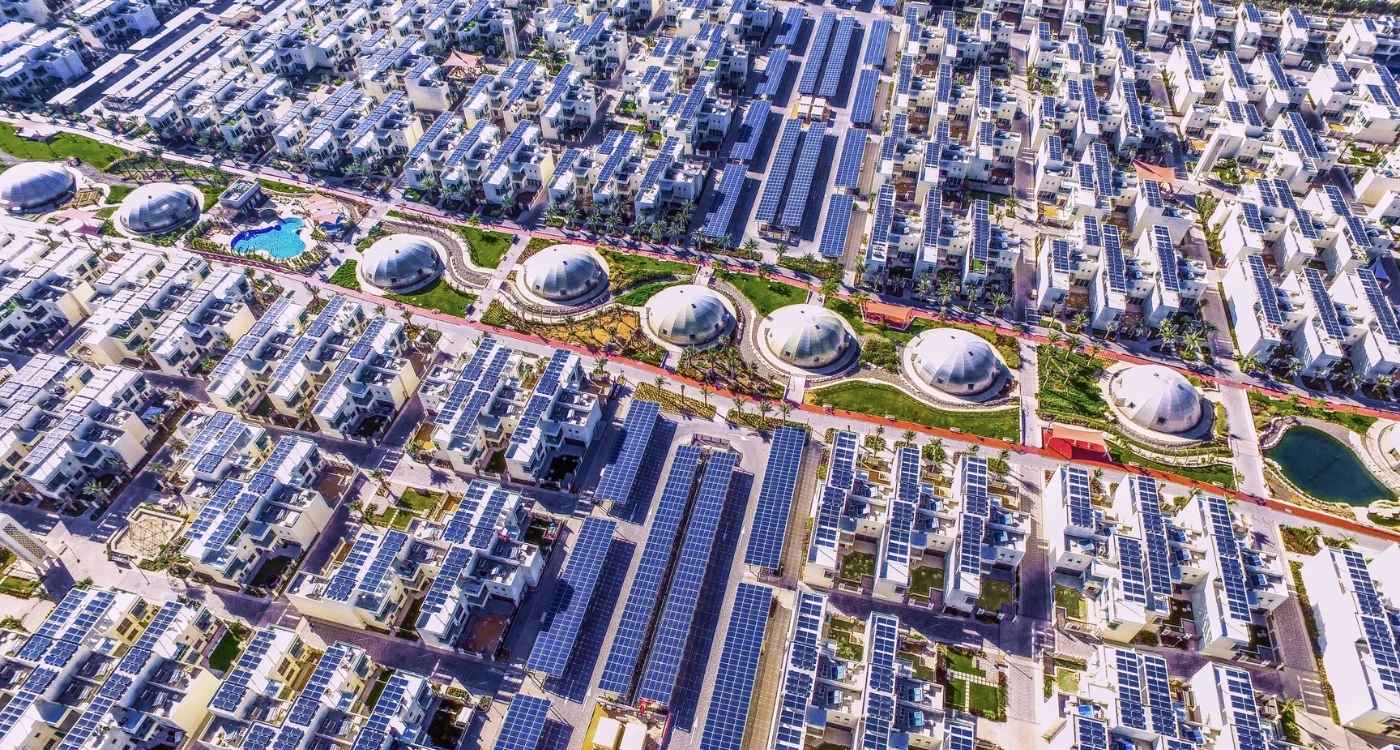
The Sustainable City in Dubai represents a modern eco-friendly community designed to reduce environmental impact. The development features solar-powered homes, energy-efficient buildings, and car-free residential zones that encourage sustainable mobility. Urban farms, green spaces, and water conservation systems are also part of the community’s design.
These cities demonstrate that sustainability can be successfully incorporated into modern urban development, creating healthier, more efficient, and future-ready communities.
Challenges in Creating Sustainable Cities
While sustainable cities offer numerous environmental, economic, and social benefits, developing them also comes with several challenges. Transforming traditional urban environments into sustainable ones requires significant planning, resources, and long-term commitment. Cities must adapt existing infrastructure, introduce new technologies, and change how resources are managed, which can be complex and time-consuming.
One of the primary challenges is the high initial cost of development. Sustainable infrastructure such as renewable energy systems, green buildings, and smart technologies often requires large upfront investments. Although these systems provide long-term savings, the initial financial commitment can be a barrier for many cities and developers.
Another major challenge is infrastructure transformation. Many existing cities were built decades ago without sustainability in mind. Upgrading transportation networks, energy systems, and water management facilities to meet modern sustainability standards requires careful planning and large-scale coordination.
Policy and governance barriers can also slow progress. Implementing sustainable urban policies requires cooperation between government agencies, urban planners, developers, and local communities. In addition, rapidly growing urban populations place increasing pressure on housing, transportation, and public services.
Successfully transitioning to sustainable cities therefore requires long-term strategies, strong government policies, private sector investment, and active community participation. Collaboration among these stakeholders is essential to create cities that are both sustainable and resilient for future generations.
The Future of Sustainable Cities
The future of sustainable cities will be shaped by innovative technologies, forward-thinking policies, and environmentally responsible urban planning. As global urban populations continue to grow, cities must adopt new strategies that ensure long-term sustainability while maintaining high standards of living. Emerging trends in sustainable development are transforming how cities are designed, built, and managed.
One important trend is the rise of net-zero buildings, which are designed to produce as much energy as they consume through renewable energy systems and energy-efficient construction. Many cities are also working toward carbon-neutral urban development, aiming to significantly reduce greenhouse gas emissions through clean energy, sustainable transportation, and improved infrastructure.
Transportation is also evolving with the introduction of autonomous electric vehicles, which can reduce traffic congestion, lower emissions, and improve mobility within urban environments. At the same time, cities are investing in climate-resilient infrastructure that can withstand extreme weather events and environmental challenges.
Another emerging concept is the circular economy, where resources are reused, recycled, and managed efficiently to minimize waste. Future cities will increasingly rely on digital connectivity, smart technologies, and sustainable design to optimize resource use.
As urban populations expand, sustainable urban planning will become essential to ensure cities remain livable, efficient, and environmentally responsible for future generations.
How Real Estate Is Supporting Sustainable Urban Growth
The real estate sector plays a crucial role in supporting the development of sustainable cities. As demand for environmentally responsible living continues to grow, developers are increasingly integrating sustainability into residential and commercial projects. Modern real estate developments now focus on reducing environmental impact while providing healthier and more efficient living spaces.
One key approach is the adoption of green building certifications, which encourage sustainable construction practices and energy-efficient building standards. Developers are also incorporating energy-efficient designs, such as improved insulation, natural lighting, and renewable energy systems that help reduce energy consumption and operational costs.
In addition, many new developments are integrating smart home technologies that allow residents to monitor and control energy use, lighting, and water consumption more efficiently. The use of eco-friendly construction materials further supports sustainability by minimizing environmental impact during the building process.
As sustainability becomes a priority in urban planning, eco-friendly real estate developments are attracting environmentally conscious buyers and investors. By combining sustainable design with modern living standards, the real estate industry is helping shape communities that support long-term environmental responsibility and improved urban living.
Conclusion
Sustainable cities are becoming essential in addressing the environmental, economic, and social challenges created by rapid urbanization. By focusing on responsible resource management, clean energy, efficient transportation, and green infrastructure, sustainable urban development helps create healthier and more resilient communities. These cities aim to balance environmental protection, economic growth, and social well-being, ensuring that urban areas remain livable for both current and future generations.
The transition toward sustainable cities requires collaboration between governments, urban planners, developers, businesses, and local communities. Through supportive policies, innovative technologies, and responsible development practices, cities can build infrastructure that supports long-term sustainability. As global populations continue to grow and environmental concerns increase, sustainable urban planning will play a critical role in shaping the future of urban environments. Ultimately, sustainable cities represent a forward-looking vision where modern development and environmental responsibility work together to create better places to live, work, and thrive.