

Who can invest in Tokenised Property in Dubai: ROI, top 20 Q&A
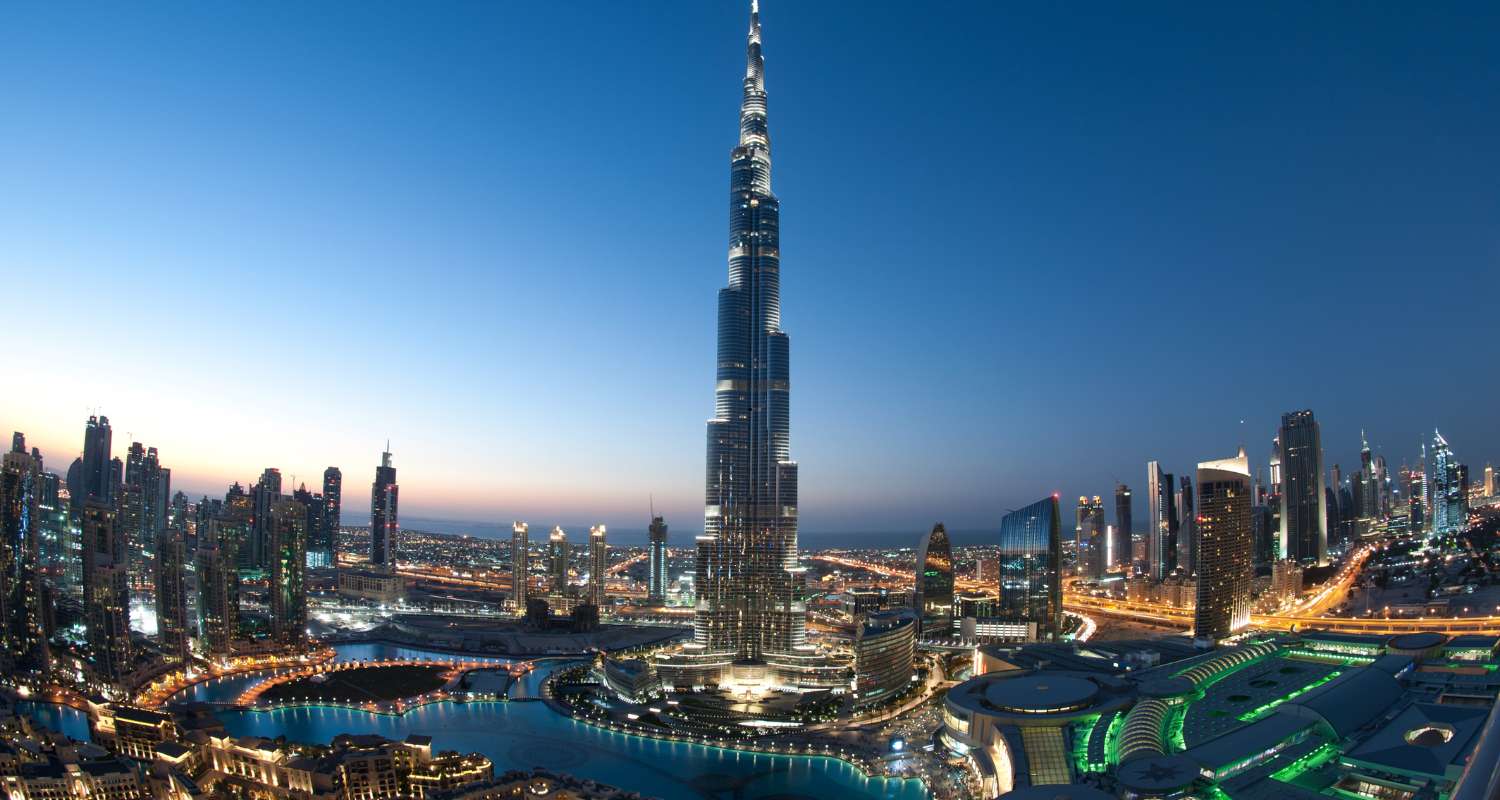 Dubai started the pilot phase of its “Real Estate Tokenation Project”. This allows for partial ownership of innovative program properties, making real estate investment more accessible. The very first assets presented under this scheme saw extraordinary interest in the first property, especially from small investors, highlighted a strong demand for more inclusive and digitised investment opportunities in the Emirates’ dynamic property market.
Investing in the property market is now within reach for UAE residents, who can begin with just Dh2,000 via the Prypco Mint platform. This initiative was launched by Prypco in partnership with key entities including the Dubai Land Department (DLD), the Virtual Assets Regulatory Authority (VARA), and Zand.
This guide provides vital details for UAE investors regarding a fresh investment chance in Dubai’s vibrant property market.
What is Property Tokenization in Real Estate?
Imagine being able to invest in a high-end Dubai property without needing millions of dirhams or even living in the UAE. That’s exactly what tokenised real estate allows you to do.
In simple terms, tokenised real estate is the process of converting ownership of a physical property into digital tokens using blockchain technology. These tokens represent a share of the property, just like how stocks represent a share of a company. Investors can buy, sell, or trade these tokens, gaining exposure to real estate markets without the need to buy an entire property.
What makes this possible is blockchain—a secure, transparent, and tamper-proof digital ledger. Each token is recorded on the blockchain, proving your ownership and ensuring that all transactions are visible and traceable. No paperwork hassles. No middlemen. Just fast, secure transactions that can happen from anywhere in the world.
Unlike traditional real estate, where a single person or company owns the entire property, tokenisation allows fractional ownership. This means one property can have dozens (or even hundreds) of investors, each owning a portion and earning a share of the rental income or profits when the property is sold.
Smart contracts play a key role here. These are self-executing digital agreements that automate processes like rental income distribution, profit sharing, and resale terms—without the need for manual processing or legal intermediaries.
In today’s uncertain global economy, investors are increasingly turning to tokenised assets for diversification, lower entry costs, and passive income. And with Dubai’s growing real estate sector and crypto-positive environment, tokenised property is not just a trend—it’s becoming a strategic investment choice for the future
Why Dubai?
Dubai isn’t just building futuristic skylines—it’s also shaping the future of real estate investment. In 2025, the city continues to lead as a global hub for tokenised property, thanks to a combination of progressive government regulations, strong rental returns, and a tech-forward mindset.
Pro-Blockchain Regulations and Crypto-Friendly Policies
The UAE government has taken bold steps to embrace blockchain and digital assets. Dubai’s Virtual Assets Regulatory Authority (VARA) has set clear guidelines for crypto-related activities, ensuring investor protection while encouraging innovation. Unlike many global markets still unsure about digital real estate, Dubai welcomes it with structured oversight—giving both local and international investors a high level of confidence.
RERA and Blockchain Integration
The Real Estate Regulatory Agency (RERA) has already begun integrating blockchain into property records and transactions. This adds transparency, speed, and security to real estate deals. By tokenising properties and registering them on blockchain platforms, investors can verify ownership in real time—eliminating forgery, delays, or legal ambiguity.
Strong ROI and Rental Yield Opportunities
Despite global market fluctuations, Dubai’s real estate remains one of the highest-yielding markets in the world. In 2025, average rental yields in areas like Business Bay, Jumeirah Village Circle, and Dubai Marina range between 7% to 11%, depending on property type and location. Tokenisation makes it possible to access these strong returns even with small investment amounts—without full property ownership responsibilities.
A Tax-Free, Inflation-Hedging Investment
Dubai continues to offer a tax-free environment on personal income and capital gains—making it incredibly attractive for international investors. In an era of rising inflation and currency volatility, real estate in Dubai offers a stable hedge. Tokenised assets backed by physical properties provide a solid foundation, combining both safety and liquidity for modern investors.
Who Can Invest in Tokenised Property in Dubai?
One of the biggest advantages of tokenised real estate in Dubai is its inclusive investment model. Whether you’re a UAE national, a foreign expat, or someone living halfway across the world, you can now own a slice of Dubai’s booming property market—without needing a visa, residency, or millions in capital.
UAE Nationals
Emirati citizens have full access to tokenised property investments and are often early adopters of government-regulated blockchain platforms. With Dubai actively supporting digital asset innovation, local investors benefit from familiarity, legal clarity, and streamlined onboarding.
Expats Living in Dubai
Expats make up a significant portion of real estate investors in the UAE. Whether you’re renting or already own property in Dubai, tokenised real estate offers an affordable way to diversify your portfolio and generate passive income—without having to take full ownership or apply for a mortgage.
Non-Residents and Foreign Investors
Here’s the game-changer: you don’t need to live in Dubai or even visit the UAE to invest. Non-residents from around the world can legally buy tokenised shares in Dubai-based properties. With no need for physical presence, it’s an ideal solution for global investors looking for exposure to a stable, high-yield market.
Institutional Investors and Funds
Real estate funds, wealth managers, and corporate entities are also entering this space. Tokenisation allows institutions to efficiently diversify portfolios, lower acquisition costs, and manage real estate exposure across multiple assets with ease.
Minimum Requirements to Get Started
Getting started is surprisingly simple. Most platforms or providers will require:
Minimum age: Usually 18 or 21+, depending on platform
Valid ID or passport for identity verification
KYC (Know Your Customer) process to comply with anti-money laundering laws
Digital wallet for storing or transacting tokens
Initial investment: As low as AED 500 to AED 5,000 depending on the provider
No UAE Residency Required
Unlike traditional property purchases that may involve paperwork, in-person visits, or local accounts, tokenised property removes these hurdles. Residency is not required. You can invest, earn rental income, and even sell your tokens from anywhere in the world—fully online.
How Much ROI Can You Expect?
One of the main reasons investors are turning to tokenised real estate in Dubai is the potential for solid, consistent returns—without the overhead and complexity of full property ownership. Whether you’re after rental income, capital growth, or both, Dubai’s market continues to deliver in 2025.
Rental Yield Trends: Then and Now
Historically, Dubai has outperformed many global cities in rental yields. Even during global economic uncertainty and inflationary pressures, key areas have maintained net rental yields between 6% to 10%.
As of mid-2025, here are average yields in high-demand districts:
Jumeirah Village Circle (JVC) – 8.2%
Business Bay – 7.5%
Dubai Marina – 6.9%
Arjan & IMPZ – 9%+ (for select furnished studios)
Tokenised investors receive proportional rental income based on their share in the property—often paid quarterly or monthly, depending on the platform.
Capital Appreciation Potential
Dubai’s property values have seen strong growth over the past 3 years due to:
Population growth
Expo 2020 legacy
Remote work migration
Investor-friendly visa programs
For example:
A unit in JVC priced at AED 480,000 in early 2022 is now valued at over AED 610,000 in 2025—a 27%+ appreciation in under 3 years.
While tokenised holders don’t usually control when the property is sold, they do benefit from price appreciation when the asset is liquidated or revalued.
Fees and Hidden Costs to Consider
Although the model is low-cost compared to traditional buying, there are still fees you need to be aware of:
Platform service fees (usually 1-2% annually)
Rental income management fees (5–10%)
Exit fees if tokens are sold before a lock-in period
Blockchain network or transaction fees (minor)
Always check with your chosen platform for a full breakdown—transparent providers disclose all costs upfront.
Sample ROI Calculation for a Tokenised Property
Let’s say you invest AED 5,000 in a tokenised unit that earns an 8% annual rental yield.
Yearly rental income: AED 400
Platform fees (2%): AED 100
Net ROI: AED 300 (or 6% net annual return)
If the property appreciates by 15% over 3 years and is sold, you’d receive your share of the capital gain, boosting your total ROI further.
Top 20 Questions Answered (Q&A Format)
Tokenised real estate is a fast-growing trend in Dubai, but it also raises a lot of questions—especially for first-time investors. Below are the 20 most commonly asked questions, answered clearly to help you make informed decisions in today’s market.
Q1: What is tokenised property investment in Dubai?
It’s a way of investing in real estate by buying digital tokens that represent fractional ownership of a property. Instead of owning the entire unit, you own a portion—just like buying shares in a company, but backed by real estate.
Q2: Is it legal for foreigners to invest in tokenised real estate in the UAE?
Yes, it is 100% legal. Dubai has implemented clear guidelines and launched regulatory bodies (like VARA) to support blockchain and tokenised asset investments, including by non-residents.
Q3: Do I need a UAE bank account or residency visa?
No. You can invest from anywhere in the world. Most platforms accept international investors and allow payments in both crypto and fiat currencies. KYC and identity verification are required, but not local residency.
Q4: What is the minimum investment amount?
It varies by platform, but typically starts from AED 500 to AED 5,000—making it highly accessible for small-scale and first-time investors.
Q5: How do I get paid rental income—crypto or fiat?
Most platforms give you the choice. Rental income can be paid in AED, USD, or cryptocurrency (like USDT or ETH), depending on your preference and the provider’s policy.
Q6: Can I exit or resell my tokens anytime?
Yes, but it depends on the platform and terms. Some have lock-in periods, while others support secondary markets for token resale. Liquidity is improving, but not always instant.
Q7: Is there a secondary market for these tokens?
Yes. A few platforms already support token resale, and more are integrating with decentralized exchanges (DEXs). This allows investors to buy or sell tokens peer-to-peer, improving liquidity over time.
Q8: What are the risks involved?
Like any investment, risks include:
Property value fluctuation
Platform risk (company mismanagement or shutdown)
Liquidity risk (difficulty selling tokens)
Regulatory updates
Always conduct due diligence before investing.
Q9: How is ROI calculated in tokenised real estate?
ROI = (Rental income + capital appreciation – fees) ÷ your investment amount.
Platforms usually display net annual yield, minus their management and platform fees.
Q10: Can I use leverage or financing to invest?
Currently, most tokenised platforms do not offer leverage or mortgages. You invest using your own funds—though this could change as the sector matures.
Q11: Are there taxes on profits or capital gains?
Dubai remains tax-free on personal income and capital gains. However, check your home country’s tax laws—as you may still need to declare and pay taxes there.
Q12: What happens if the property is sold?
If the holding period ends or the asset is sold, profits are distributed among token holders based on their ownership percentage. This includes rental income and capital gains, if any.
Q13: Who manages the property?
Professional property management firms, partnered with the platform, handle:
Tenant screening
Rent collection
Maintenance
Legal compliance
You don’t need to lift a finger.
Q14: Are returns guaranteed?
No. While many properties generate stable income, returns are not guaranteed. Market conditions, tenant vacancy, and unforeseen costs can affect performance.
Q15: Can I visit the property I invested in?
Yes, some platforms allow scheduled visits or virtual tours. However, as a fractional investor, you do not have exclusive access or personal use rights.
Q16: What are the top platforms or companies offering tokenised property in Dubai?
Some notable players in 2025 include:
RealT (global)
Aqarchain (UAE-based)
SmartCrowd (fractional, now offering tokenised options)
Evai Real Estate (blockchain-based, Dubai-focused)
Always check regulatory licenses before investing.
Q17: How is property ownership legally recorded?
Ownership is recorded on a blockchain ledger, linked to a Special Purpose Vehicle (SPV) that legally holds the property title. You own a tokenised share of the SPV, not the physical property directly.
Q18: Can I invest using cryptocurrency?
Yes. Many platforms accept Bitcoin, Ethereum, and stablecoins like USDT/USDC, making it easy for crypto investors to diversify into real estate.
Q19: How secure is my investment from fraud or scams?
As long as you invest through regulated, licensed platforms, the risk of fraud is low. Always verify the platform’s license, custodial arrangements, and security protocols. Avoid private deals with unverified operators.
Q20: What’s the future of tokenised property in the UAE?
The outlook is strong. Dubai’s government is actively integrating blockchain into its real estate systems. With growing demand, improved regulation, and new platforms entering the space, tokenised property is expected to grow exponentially in the next 5 years.
Pros and Cons of Investing in Tokenised Property
Like any investment, tokenised real estate has both advantages and challenges. While it opens new doors for investors, especially in Dubai’s dynamic market, it’s important to weigh the pros and cons carefully before committing your capital.
Pros
Low Entry Barriers
Unlike traditional property investment—which often requires hundreds of thousands of dirhams—tokenised real estate allows you to start with as little as AED 500 to AED 5,000. This makes it ideal for first-time investors, young professionals, and crypto holders looking to diversify into real assets.
Instant Diversification
Because the investment amounts are low, you can spread your funds across multiple properties or locations, reducing your risk exposure. You no longer need to commit all your capital to one apartment or villa—tokenisation makes portfolio-building more flexible.
Transparent and Secure Transactions
Blockchain technology ensures every transaction is permanently recorded, traceable, and secure. Smart contracts automate rental payouts and ownership verification, reducing the chance of human error or fraud.
Passive Income Opportunity
Tokenised real estate offers exposure to Dubai’s strong rental yields (6–10% on average). You earn a steady stream of passive income without dealing with tenants, maintenance, or paperwork—since everything is handled by professional property managers.
Cons
New Market, Less Regulation
While Dubai is making strong regulatory progress, tokenised real estate is still a relatively new asset class. Not all jurisdictions have clear rules, and global standards are still evolving. It’s important to invest through licensed platforms and stay updated on policy changes.
Platform Dependence
Your tokens and income rely on the platform’s technology, legal structure, and performance. If the platform shuts down or faces legal issues, your investment could be affected. Always check platform credibility, licensing, and custody arrangements.
Liquidity Concerns on Resale
Although some platforms offer secondary markets, they’re still limited compared to traditional stock exchanges. Selling your tokens may take time or come with pricing uncertainty—especially during market downturns or outside peak demand seasons.
Step-by-Step: How to Start Investing in Tokenised Property
Getting started with tokenised real estate in Dubai is much easier than traditional property investment. Thanks to streamlined platforms and blockchain integration, you can begin your journey in just a few steps—from anywhere in the world. Here’s how to do it:
Step 1: Choose a Trusted Platform
Start by selecting a regulated, reliable platform that offers tokenised real estate in Dubai. Look for:
Proper licenses (e.g., VARA registration in Dubai)
Transparent fee structure
Proven property management partners
Clear terms on resale and rental payout
Popular platforms in 2025 include SmartCrowd, Aqarchain, and RealT, among others. Always do your due diligence and read reviews before signing up.
Step 2: Complete KYC and Wallet Setup
Before you can invest, you’ll need to complete a basic KYC (Know Your Customer) process. This typically includes:
Uploading a valid passport or ID
Providing proof of address (e.g., utility bill or bank statement)
Answering compliance questions
Next, you’ll either create a crypto wallet through the platform or connect your own external wallet (like MetaMask or Trust Wallet) to store your property tokens securely.
Tip: Use a wallet that supports the blockchain your chosen platform operates on—often Ethereum or Polygon.
Step 3: Browse Available Properties
Once verified, you can explore available properties on the platform. Listings typically include:
Property location and type
Estimated rental yield and past ROI
Property management details
Minimum investment required
Token supply and value
You can diversify by investing in multiple properties or focus on one location depending on your goals.
Step 4: Buy Tokens and Start Earning
Select the property you want, choose how much you want to invest, and purchase tokens. Payments are usually accepted in:
AED or USD (via credit/debit card or bank transfer)
Crypto (USDT, ETH, BTC, etc.)
Once your transaction is complete, you’ll receive digital tokens representing your share of the property. From here, you’ll:
Start earning rental income (monthly or quarterly)
Track your performance via the platform dashboard
Receive reports and property updates automatically
Most platforms also allow you to sell or transfer your tokens in the future, either through their internal marketplace or a connected secondary market.
Conclusion
Tokenised real estate isn’t just a passing trend—it’s a fundamental shift in how people invest in property. And right now, Dubai is leading the global charge. With a crypto-friendly government, strong infrastructure, and a booming rental market, the city has positioned itself as a first-mover in the digital property revolution.
For today’s investor—especially those seeking passive income, portfolio diversification, and entry into the Dubai real estate market without high upfront costs—tokenised assets offer an ideal solution. You can now invest in premium properties, earn rental returns, and track everything in real time, without managing tenants or dealing with legal red tape.
That said, as with any investment—especially in emerging asset classes—it’s important to move with awareness, not just excitement. Every platform operates differently, and the long-term success of your investment depends on doing proper research, understanding the risks, and choosing regulated, transparent providers.
Dubai’s tokenised property market offers an exciting doorway into the future of real estate—just be sure to walk through it wisely.