
CategoriesBlog

Complete Guide for Indians to Invest in Dubai Real Estate

Complete Guide for Indians to Invest in Dubai Real Estate

Introduction

Dubai has emerged as one of the most attractive real estate investment destinations in the world, especially for Indian investors. Its strategic location, tax-free policies, world-class infrastructure, and high rental yields make it a preferred choice for those looking to expand their property portfolio beyond India.

For Indians, investing in Dubai offers a wide range of opportunities—from luxury apartments in Downtown Dubai and Palm Jumeirah to affordable yet high-growth areas like Jumeirah Village Circle. The city’s strong demand for residential, commercial, and holiday home properties ensures that investors can choose options aligned with their financial goals.

Cross-border property investment in Dubai also comes with added advantages such as secure legal frameworks, transparency in property transactions, and the potential for long-term appreciation. Additionally, Indian investors benefit from easy connectivity, cultural similarities, and strong bilateral relations between India and the UAE.

Demand from India’s Tier 2 and Tier 3 cities is driving a new wave of investors toward Dubai, especially as they face stricter regulations at home. This shift is highlighted by the ₹3,173 crore ($389 million) Indians remitted to Dubai in FY2024, a 17% increase.

Dubai’s appeal is undeniable, thanks to its high returns, favorable tax structure, and transparent legal framework. The challenge, however, is knowing how to make a property purchase from India that is not only profitable but also legal and hassle-free. This guide will show you how.

This is the go-to resource for Indian investors looking to buy property in Dubai in 2025, complete with expert advice, a breakdown of current regulations, and a clear process to follow.

Why More Indians Are Investing in Dubai Real Estate

Indian High-Net-Worth Individuals (HNWIs) and Non-resident Indians (NRIs) are increasingly turning their attention to international property markets, with Dubai emerging as the top destination for their real estate investments.

Key Advantages of Investment Property in Dubai

The city of Dubai has evolved into a sophisticated global investment hub. It provides foreign nationals with full freehold ownership, robust legal protections under RERA regulations, and access to top-tier property developers. This isn’t just a sound financial choice; it’s a strategic move for serious investors.

Tax Benefits and High ROI in Real Estate Investment

One of the most significant benefits is the tax-efficient environment. Dubai has no capital gains tax or property tax, which allows your investment to work harder for you. Furthermore, the rental yields in prime Dubai locations can range from 6% to 11%, a substantial difference when compared to the 2% to 4% typically seen in India. When you factor in India’s 18% to 24% capital gains tax versus Dubai’s zero, the impressive return on investment (ROI) in Dubai becomes a clear reason for the surge in cross-border capital flow. Additionally, the India-UAE Double Tax Avoidance Agreement prevents investors from being taxed twice on their business income.

Golden Visa scheme details

For those looking for long-term residency, a real estate purchase in the UAE can provide two distinct paths to securing a Golden Visa.

  • A substantial property investment of at least AED 2 million qualifies you for a 10-year Golden Visa, which also extends to your family.

  • To secure a 2-year investor visa, you can invest at least AED 750,000 in a property, or AED 1 million if it is a shared investment.

A key benefit of the Golden Visa is that it remains active even if the visa holder and their family spend more than six months outside the UAE.

International Yield Comparison: Where to Invest for Higher ROI

Dubai is a standout in the global real estate market, consistently outperforming major cities like London, New York, and Hong Kong, where returns often remain below 4%. According to a June 2025 report from Property Monitor, Dubai’s real estate sector has seen an impressive overall increase of 6.9%. This growth is particularly strong in the apartment market, which experienced a 7.3% surge in interest, while villas also saw a healthy rise of 5%.

For the second quarter of 2025, the UAE’s average gross rental yield stands at 4.87%. This represents a solid increase, building on the strong performance noted in 2024, when data from Bayut/Dubizzle showed rental yields ranging from 5% to 9%, depending on the property’s location and type.

Remittance and Financial Regulations

Emirates NBD’s DirectRemit service has introduced a new fee of AED 26.25 for each international transfer. However, it’s worth noting that transfers to India, the UK, Pakistan, Sri Lanka, the Philippines, and Egypt are still being offered free of charge. In a broader regulatory context, financial institutions in the UAE, including banks and currency exchanges, are required to report any cash transactions exceeding AED 55,000.

While the UAE offers free remittance options for sending funds to India, it’s important for investors to be aware that the reverse process—transferring money from India to Dubai—is governed by the fees and regulations outlined in the Liberalised Remittance Scheme (LRS) under India’s Foreign Exchange Management Act (FEMA).

Why the UAE’s Political and Economic Stability Attracts Global Investors

In a global landscape where many emerging markets face volatility, the UAE stands out for its diverse and stable economy. The country’s leadership continues to invest heavily in key sectors like infrastructure, technology, and housing, which provides investors with a high degree of predictability and consistent returns. For Indian investors in particular, this stability offers a crucial layer of confidence.

Is It Legal for Indians to Invest in Dubai Real Estate?

Yes, it’s crucial for investors to understand the specific technical conditions and regulatory requirements. The transfer of funds is subject to government oversight, so a clear understanding of these rules is essential for a smooth process.

UAE Property Ownership: The Ultimate Guide for Foreign Nationals

In Dubai, Indian nationals are legally permitted to acquire freehold properties. Key areas with freehold zones include sought-after locations like Dubai Marina, Downtown Dubai, and Business Bay. When you purchase a property in these designated areas, you gain full ownership, and your rights as a foreign buyer are legally safeguarded by Dubai’s established real estate regulations.

Indian Government FEMA Guidelines

The Indian government’s Foreign Exchange Management Act (FEMA) includes a provision called the Liberalised Remittance Scheme (LRS). This scheme allows Indian citizens to transfer up to USD 250,000 annually to buy property in other countries, including residential real estate in Dubai.

Property Financing Options & Interest Rates

As a non-resident, you can secure a home loan to finance 50% to 60% of the property’s value, with a potential total loan amount of up to AED 25 million. For specific rates, as of July 3, 2025, Standard Chartered’s EIBOR-linked loan rates are between 4.15-4.30% for a 3-12 month term and 4.02% for a 24-month term. Meanwhile, RAK BANK requires a minimum down payment of 20% for properties valued under AED 5 million and 30% for those above that amount.

Benefits of Investing in Dubai Real Estate for Indians

Dubai has become a preferred destination for Indian property buyers due to its strong returns, investor-friendly regulations, and global appeal. Here are the major benefits that make Dubai real estate an attractive choice:

1. High Rental Yields

One of the biggest advantages is the high rental income. While Indian metropolitan cities usually offer yields of 2–4%, Dubai provides 6%–10% annual rental returns, making it one of the most profitable property markets globally.

2. Secure and Transparent Market

Dubai’s real estate sector is regulated by the Dubai Land Department (DLD) and the Real Estate Regulatory Agency (RERA). These authorities ensure transparency, protect investor rights, and maintain fair practices—giving Indians peace of mind when investing.

3. Residency Benefits

Investors who purchase property worth AED 2 million or more are eligible for the Dubai Golden Visa, which allows long-term residency. This is especially attractive for Indians looking for business opportunities, relocation, or a second home abroad.

4. Diversification of Wealth

Investing in Dubai property enables Indians to diversify their portfolios beyond the domestic market. With Dubai’s stable economy, global connectivity, and growing demand for housing, it provides a secure way to safeguard and grow wealth internationally.

Risks and Challenges of Investing in Dubai Real Estate

While Dubai real estate offers attractive returns and growth opportunities, Indian investors should also be aware of the possible risks and challenges before making a purchase. Understanding these factors ensures smarter decision-making and long-term success.

1. Market Fluctuations

Dubai’s property market, like any global market, is influenced by the international economy, oil prices, and tourism trends. Prices may rise or fall depending on demand, making it important to invest with a long-term perspective rather than expecting quick gains.

2. Service Charges and Maintenance Costs

Apartments and villas in Dubai come with annual service and maintenance charges for facilities such as security, pools, gyms, and landscaping. These costs can add up over time and affect overall returns if not budgeted properly.

3. Currency Exchange Risks

Since property purchases in Dubai are conducted in UAE Dirhams (AED), fluctuations in the INR-AED exchange rate can impact the actual investment cost for Indians. A weaker rupee could increase expenses, while a stronger rupee could reduce costs.

4. Legal and Regulatory Compliance

Dubai has strict property laws regulated by DLD and RERA. Without proper legal guidance, investors risk facing delays, penalties, or disputes. Working with RERA-approved brokers and developers is essential to avoid compliance issues.

Tips for Successful Investment in Dubai Real Estate

Investing in Dubai’s property market can be highly rewarding if done with the right approach. To maximize returns and minimize risks, Indian investors should keep the following tips in mind:

1. Research Developers and Projects Thoroughly

Always check the reputation and track record of the developer before investing. Established developers with a proven history of delivering quality projects on time offer more security compared to lesser-known names.

2. Prefer Freehold Zones for Long-Term Ownership

Foreigners, including Indians, can only buy properties in designated freehold areas. Investing in these zones provides full ownership rights and greater flexibility for resale or rental purposes.

3. Evaluate Off-Plan Projects Carefully

Off-plan properties (under construction) often come with flexible payment plans and lower entry prices. However, it’s important to ensure that the project is RERA-approved and developed by a reliable company to avoid delays or risks.

4. Use Only RERA-Approved Brokers and Developers

To safeguard your investment, always work with RERA-registered agents and developers. This ensures legal protection, transparency, and compliance with Dubai’s property regulations.

5. Think Long-Term Rather Than Short-Term Gains

Dubai’s real estate market can experience short-term fluctuations. Instead of chasing quick profits, focus on long-term capital appreciation and stable rental yields, which provide sustainable returns over time.

Conclusion

Dubai real estate continues to stand out as one of the best investment destinations for Indians, offering a combination of high rental yields, a tax-free environment, and long-term growth potential. Whether your goal is to generate steady rental income, benefit from capital appreciation, or own a luxury holiday home, Dubai provides opportunities to suit every investor profile.

The most important factor is to invest strategically. Conduct thorough research, partner with trusted professionals, and ensure you understand the legal and financial aspects before making a purchase. With the right guidance and long-term vision, a property in Dubai can become not just an investment but also a gateway to global wealth diversification and lifestyle benefits.


CategoriesBlog

How to Invest in Off-Plan Property and Get the UAE Golden Visa

How to Invest in Off-Plan Property and Get the UAE Golden Visa

Introduction

The UAE real estate market has emerged as one of the most dynamic and resilient in the world, attracting investors from across the globe. With Dubai and Abu Dhabi leading the way, the sector continues to thrive on strong demand, government initiatives, and a growing international community.

One of the most attractive opportunities in this market is off-plan property investment. Buyers are increasingly drawn to these projects because of their flexible payment plans, competitive prices, and the potential for high returns once the development is completed. This trend has positioned off-plan properties as a preferred choice for both first-time buyers and seasoned investors.

Adding to the appeal is the UAE Golden Visa program, which allows property investors to secure long-term residency in the country. By meeting certain investment thresholds, buyers of qualifying off-plan properties can enjoy not only financial returns but also lifestyle and residency benefits for themselves and their families.

In today’s market, this combination of real estate investment and long-term residency has become a game-changer. For investors seeking stability, global mobility, and access to one of the world’s most vibrant economies, exploring off-plan properties and the Golden Visa is more relevant than ever.

Why Investing in Off-Plan Property is the Smart Route to UAE Golden Visa

The UAE’s Golden Visa offers a 10-year residency for real estate investors, a program that has been in place since 2019 for those who acquire property valued at AED 2 million or more (around $545,000).

Off-plan properties are a particularly attractive option for a Golden Visa, as they often yield impressive returns. Savvy investors who get in early can sometimes achieve double-digit gains on their purchase before the property is ready.

A recent policy change has simplified the Golden Visa process. The new regulations now consider only the total property value for eligibility, making the opportunity more accessible to investors who may not have a large initial payment available.

Investing in off-plan properties in Dubai can be a direct path to securing a UAE Golden Visa, a 10-year renewable residency permit. This is a strategic way to combine financial growth with long-term residency.

The general rule is that you must invest in a property, or a portfolio of properties, with a total value of at least AED 2 million. The key benefit of using off-plan projects is the flexibility they offer. You don’t have to pay the full amount upfront. Instead, you can follow a flexible payment plan while the property is being built.

UAE Golden Visa Property Requirements: Who is Eligible?

Introduced in 2019, the UAE Golden Visa is a long-term residency programme that offers qualified individuals a renewable 10-year visa. For property investors, eligibility is linked to specific real estate ownership conditions.

To qualify, applicants must meet one or more of the following criteria:

  • Own property or multiple properties with a combined value of at least AED 2 million.

  • Hold real estate that may be under a mortgage, provided valid documentation is submitted.

  • Invest in off-plan projects from government-approved developers.

  • Apply as joint owners (for example, spouses) whose combined property value meets the AED 2 million threshold.

In addition, successful Golden Visa holders are entitled to sponsor their immediate family members. This family-oriented benefit makes the programme especially appealing for investors planning to settle in the UAE with their loved ones.

Golden Visa UAE: Off-Plan vs Ready Property Investment Requirements

Minimum Property Value Needed for a Golden Visa Through Off-Plan Projects

To qualify for a UAE Golden Visa under the property investor category, you must own real estate worth at least AED 2 million (around USD 545,000). This threshold applies to both off-plan and ready properties, but there are some important details to keep in mind.

Key Differences Between Off-Plan and Ready Properties in the Golden Visa Process

  • Ready properties: Investors must provide official documentation from the Real Estate Registration Department in the respective emirate. This certificate confirms both the property’s ownership and its valuation.

  • Mortgaged properties: In addition to the registration documents, buyers are required to obtain a No Objection Certificate (NOC) from the financing bank. Notably, the government has removed the earlier condition of a minimum AED 1 million down payment, making the process more accessible to investors.

  • Off-plan properties: Buying directly from an approved developer is also acceptable for the Golden Visa. As long as your investment totals AED 2 million or more and all required paperwork is submitted, off-plan purchases are fully eligible.

Off-Plan Property and Its Importance for Golden Visa Qualification

Investing in off-plan property has emerged as one of the most attractive routes to securing UAE residency through the Golden Visa program. These properties not only open doors to long-term residency but also provide international investors with excellent opportunities for high returns on investment.

Understanding Off-Plan Property in the UAE

An off-plan property is real estate that is purchased before construction is finished—or in some cases, even before the groundwork begins. Instead of viewing a completed unit, buyers rely on design layouts, architectural blueprints, and developer plans to make their decision. This early-stage investment allows buyers to secure properties at competitive prices directly from developers.

On the other hand, ready property refers to homes or apartments that are fully built, furnished, and available for immediate use or rental, offering a faster move-in option compared to off-plan projects.

How to Qualify for a Golden Visa with Off-Plan Properties in Dubai & UAE

Investing in off-plan properties has become a popular choice among investors due to several strong advantages that make it a smart and rewarding option.

  • Competitive Pricing: Off-plan units are usually priced lower than ready properties, giving buyers the chance to enter the market at more affordable rates.

  • Flexible Payment Plans: Leading developers in the UAE provide investor-friendly structures such as the 80/20 model (where 80% is paid during construction and the remaining 20% at handover) along with extended post-handover plans that can stretch up to 2–4 years.

  • High ROI Potential: One of the most attractive aspects of off-plan investments is the potential for significant capital appreciation. Many properties see a sharp increase in value by the time they are completed, with some investors earning double-digit returns even before handover.

UAE Golden Visa 2025: New Off-Plan Property Rules Explained

The UAE government has recently made significant changes to the real estate Golden Visa, making it easier for a broader range of foreign investors to qualify through off-plan property purchases.

New Update: Get UAE Residency with Off-Plan Property Investment Without Minimum Down Payment

The latest policy change has completely removed the minimum down payment condition.

Now, investors seeking UAE residency through off-plan property investments are not required to meet any fixed upfront payment. Instead, eligibility is determined solely by the total property value, offering buyers greater freedom to structure their payment plans as they choose.

Eligibility Criteria for Mortgaged & Under-Construction Properties in Dubai

Mortgaged real estate is now fully eligible for the Golden Visa under off-plan investment programs. This change is a game-changer for investors who prefer financing options instead of paying the full amount upfront. Additionally, under-construction properties that meet specific development milestones are also considered valid, allowing buyers to secure residency benefits much earlier—without waiting for the project’s final handover.

How Investors Can Combine Multiple Properties to Qualify for the AED 2M UAE Golden Visa

Can investors combine off-plan properties to qualify for the Golden Visa?
Yes — investors are now allowed to combine the value of multiple off-plan properties to reach the AED 2 million minimum investment required for the UAE Golden Visa. This option is particularly beneficial for those who prefer spreading their investment across several smaller units instead of allocating the entire amount to a single property.

Is property completion necessary before applying for the Golden Visa?
No, the property does not need to be fully completed. Investors can apply for the UAE Golden Visa through off-plan property purchases, even if the project is still under development.

UAE Golden Visa 2025: New Rules for Off-Plan Property Investment, Co-Ownership & Family Sponsorship

The UAE has simplified its Golden Visa regulations for property buyers, making it easier for co-owners such as spouses, relatives, or business partners to qualify together. As long as their combined property investment meets the required threshold, they can now apply collectively under the new rules.

In addition, property investors can sponsor their immediate family members with greater ease. The updated process offers quicker approvals, streamlined documentation, and reduced paperwork for dependents.

These updates strengthen the UAE’s appeal as a global investment hub, offering both strong real estate returns and long-term residency benefits for international investors.

Complete Guide: Applying for a UAE Golden Visa via Off-Plan Property Purchase

Careful preparation and proper paperwork are essential for obtaining a Golden Visa through an off-plan property investment. The exciting part? You can gain a long-term residency permit while your new property is still under construction.”

Step-by-step application process

Begin with a Trusted Developer: Your journey should start by selecting a reliable developer with a proven history in Dubai’s real estate market.

Secure Your Property with an SPA: After finalizing your off-plan unit, the next step is signing a Sales and Purchase Agreement (SPA). This document outlines the payment plan, construction milestones, and expected handover schedule.

Fast-Track Your Golden Visa: One of the biggest benefits of investing in off-plan property is that you don’t need to wait until the project is fully paid for or completed. As soon as you make the initial payment, you can apply for your visa. If all documents are submitted accurately, the approval process usually takes two to four weeks.

Required Documents and Approvals for Off-Plan Property Golden Visa

To apply for a Golden Visa through off-plan property investment, you’ll need to provide the following documents and approvals:

  • Sales and Purchase Agreement (SPA) issued by an approved developer, clearly outlining the property details and total investment value.

  • Proof of payment showing that your total investment amounts to AED 2 million or more.

  • Valid passport copy along with your UAE Emirates ID (if already issued).

  • No Objection Certificate (NOC) from the bank in case the property is under a mortgage.

  • Title deed copies of any existing properties you currently own.

  • Birth and marriage certificates of family members you intend to sponsor under your visa.

Golden Visa Eligibility Through Property Valuation

To qualify for the UAE Golden Visa, your off-plan property must be officially valued to confirm it meets the minimum investment threshold of AED 2 million.

Developers are required to issue a handover certificate showing that at least 50% of construction is completed. If the project is below 50%, you’ll need special approval from the Dubai Land Department (DLD). Applications can be submitted through the Dubai REST app, the DLD eServices portal, or the TAMM portal for properties located in Abu Dhabi.

How to Work with Property Developers and Banks in Dubai

Your property developer plays a vital role, as off-plan investments require a 50% completion milestone to automatically qualify for the Golden Visa.

If your property is financed through a mortgage, you must obtain a No Objection Certificate (NOC) from your bank. This document should clearly outline the amount already paid and the outstanding balance.

Many developers now provide dedicated Golden Visa assistance, ensuring your documents are in order and guiding you through the process so that you meet all eligibility requirements with ease.

Important Points: Off-Plan Property & UAE Golden Visa

The UAE’s updated Golden Visa reforms in 2025 have transformed the real estate investment route to long-term residency, making the process easier and more investor-friendly.

  • No Minimum Down Payment Needed: Investors are no longer required to make a specific upfront payment. The only condition is that the property’s total value must be at least AED 2 million to qualify for the Golden Visa.

  • Eligibility for Off-Plan Properties: Wondering if under-construction properties can help you secure a Golden Visa? The answer is yes. Buyers can apply once the project reaches 50% completion, gaining early access to residency before the property is fully built.

  • Combining Multiple Properties: Investors can pool the value of multiple units to meet the AED 2 million requirement. This flexibility allows portfolio diversification while still qualifying for residency.

  • Mortgaged Property Approval: Concerned about financing? The good news is that mortgaged properties now qualify for the Golden Visa. With the required NOC from the bank, buyers no longer need to pay the full AED 2 million in cash.

  • Family Sponsorship Benefits: Golden Visa holders can also sponsor their spouses and unmarried children, making it a practical pathway for families planning a long-term move to the UAE.

Important Points: Off-Plan Property & UAE Golden Visa

1. What is an off-plan property in the UAE?

An off-plan property is a real estate unit that is purchased directly from a developer before construction is completed. Investors benefit from lower prices, flexible payment plans, and potential capital appreciation once the project is handed over.

2. Can I get a UAE Golden Visa by buying an off-plan property?

Yes, property investors can qualify for the UAE Golden Visa if their investment meets the minimum value requirement set by the government. Both ready and off-plan properties are eligible, provided the property is worth at least AED 2 million (as per 2025 guidelines).

3. What are the benefits of the UAE Golden Visa for property investors?

The Golden Visa offers long-term residency (5 or 10 years), the ability to sponsor family members, 100% business ownership, and the freedom to live, work, and study in the UAE without needing a local sponsor.

4. Is it safe to buy an off-plan property in Dubai or Abu Dhabi?

Yes, buying off-plan is safe when dealing with reputable developers and government-approved projects. Authorities like the Dubai Land Department (DLD) and Abu Dhabi Municipality (ADM) regulate the process to protect investors.

5. What documents are required to apply for a Golden Visa through property investment?

Typically, you’ll need:

  • Valid passport copy

  • Title deed or Sales Purchase Agreement (SPA)

  • Proof of property value (minimum AED 2 million)

  • Payment receipts from the developer

  • Passport-sized photos
    Additional documents may be requested during the application process.

6. Can I take a mortgage on an off-plan property and still apply for a Golden Visa?

Yes, but the paid amount must meet the minimum AED 2 million investment threshold. The portion financed by the bank is not considered for Golden Visa eligibility.

7. How long does it take to get the Golden Visa after buying a property?

The process typically takes 2–6 weeks, depending on the property registration and government approval timelines.

8. What happens if I sell my property after getting the Golden Visa?

If you sell your qualifying property and no longer meet the minimum investment requirement, your Golden Visa may be canceled. To maintain residency, you’ll need to reinvest in another eligible property.

CategoriesBlog

Dubai Holiday Homes Market 2025: Trends, ROI & Investment Hotspots

Dubai Holiday Homes Market 2025: Trends, ROI & Investment Hotspots

Introduction

Dubai has established itself as one of the world’s most prominent tourism and investment destinations, attracting millions of visitors each year with its blend of modern infrastructure, luxury lifestyle, and cultural experiences. Beyond being a travel hotspot, the city is also a thriving hub for international investors, particularly in the real estate sector.

In recent years, holiday homes have gained remarkable popularity as a preferred alternative to traditional hotels. Travelers increasingly seek spacious, private, and flexible accommodation options that offer a sense of home while providing access to premium amenities. This shift has led to a surge in short-term rental demand across Dubai’s prime neighborhoods.

The purpose of this overview is to present a comprehensive look at Dubai’s holiday homes market—covering key trends, growing demand, regulatory frameworks, and the investment opportunities it presents for both property owners and global investors.

Dubai’s Rising Popularity and the Growth of Holiday Homes

Dubai is globally recognized for its iconic landmarks, world-class infrastructure, excellent living standards, and exceptional hospitality. Every year, the city welcomes millions of visitors, with both tourists and business travelers contributing to the rising demand for short-term rentals, also known as Dubai holiday homes.

In recent years, the holiday home sector has witnessed remarkable growth, largely fueled by the surge in tourism, the influx of business professionals, and expatriates seeking temporary stays in the city. With benefits such as strong rental yields, attractive tax advantages, and freehold property investment opportunities, Dubai’s holiday home market is proving to be a highly profitable investment avenue.

Why Dubai Holiday Homes Are in High Demand Among Investors

1. Expanding Tourism Sector
Dubai continues to draw global attention with attractions like the Burj Khalifa, Palm Jumeirah, Burj Al Arab, and Dubai Mall. The city’s shopping festivals, vibrant nightlife, luxury entertainment options, low crime rate, and unmatched visitor experiences make it one of the most sought-after tourist destinations worldwide.

2. Flexible Accommodation Options
Business travelers and professionals increasingly choose holiday homes in Dubai due to their affordability and convenience. Unlike long-term rentals, these properties require no extended commitments, making them a cost-effective and practical choice for short stays.

3. Strong Seasonal Demand
The holiday home market experiences significant spikes during Dubai’s peak seasons—such as favorable weather months, festive celebrations, and major business events. Investors in this sector can maximize profits by capitalizing on seasonal surges in demand.

4. Technology-Driven Growth
The integration of online booking platforms, advanced property management solutions, and smart home features has made short-term rentals more appealing. These innovations not only streamline operations but also enhance guest satisfaction, boosting the overall demand for holiday homes in Dubai.

Why Dubai Holiday Homes Are in High Demand

Dubai’s short-term rental market is witnessing remarkable growth and shows no signs of slowing down. Thanks to the city’s world-class lifestyle, diverse residential choices, and premium facilities, Dubai has become one of the most sought-after destinations globally. Industry experts predict that the holiday homes sector in Dubai will grow at a compound annual growth rate (CAGR) of around 10% between 2023 and 2028, supported by rising booking volumes and higher average daily rates.

In fact, short-term rentals are among the top 25 most searched property-related terms in Dubai. By 2024, the city recorded more than 22,000 searches for long-term rentals, while the demand for holiday homes increased by nearly 30% compared to the previous year. This upward trend reflects the booming tourism sector, which continues to fuel demand for vacation rentals and opens up high-return investment opportunities for real estate investors. Dubai also provides a wide variety of rental options — from modern apartments to luxury villas — ensuring that visitors can find accommodation that suits their preferences and budgets.

Looking ahead, the short-term rental market in Dubai is forecast to expand further alongside the city’s growing tourism sector. By 2025, revenues are projected to climb by approximately USD 339.75 million, with experts forecasting an annual growth rate of 3.91%. This steady performance indicates a thriving market, giving investors the chance to capitalize on profitable, high-yield opportunities within Dubai’s dynamic real estate landscape.

Best Areas in Dubai for Short-Term Rentals

Dubai Marina
Dubai Marina is one of the most sought-after neighborhoods for short-term rentals in Dubai. This vibrant waterfront community offers a wide range of serviced apartments and holiday homes, ideal for both tourists and business travelers. Guests can enjoy breathtaking views, modern facilities, and a premium lifestyle experience while staying here.

Palm Jumeirah
The world-famous Palm Jumeirah, designed in the shape of a palm tree, is a true icon of Dubai living. Known for its luxury resorts such as Atlantis The Palm and Anantara The Palm, this destination is perfect for travelers looking for an indulgent and unforgettable short-term stay. With its exclusive beachfront living and high-end amenities, Palm Jumeirah promises a unique holiday experience.

Downtown Dubai
Downtown Dubai stands out as one of the city’s most visited destinations, thanks to world-renowned landmarks like the Burj Khalifa, Dubai Mall, and Dubai Fountain. This vibrant district is a hub for leisure and business visitors alike. A wide variety of holiday homes are available, offering travelers the chance to stay right in the heart of Dubai’s most iconic attractions.

Jumeirah Village Circle (JVC)
For those looking for affordability without compromising comfort, Jumeirah Village Circle (JVC) is a great choice. This community offers budget-friendly holiday homes, making it ideal for families and long-term visitors. With its convenient access to major highways, shopping malls, parks, and dining spots, JVC ensures a well-rounded and enjoyable stay.

Why Dubai’s Short-Term Rental Market is the Best Real Estate Investment in 2025

Booming Opportunity for Investors

Dubai continues to stand out as one of the world’s leading destinations for both leisure and business travelers. From iconic attractions and international festivals to simplified visa processes and enhanced travel experiences, the city attracts millions of visitors annually—fueling strong demand for short-term stays.

High Rental Yields in Dubai Real Estate

Holiday homes in Dubai are delivering higher rental yields compared to traditional long-term leases. With tourism on the rise, investors in short-term rentals enjoy strong ROI and greater profitability, making it an appealing option for property owners looking to maximize returns.

Supportive Government Policies
Dubai’s investor-friendly framework adds to the market’s appeal. The city offers a tax-free environment and long-term residency programs like the Golden Visa, which encourage professionals, entrepreneurs, and global investors to settle, explore, and invest without heavy obligations.

High Occupancy Rates
The city’s ever-growing influx of tourists and business travelers ensures consistently high occupancy for short-term rentals. Major global events, conferences, and exhibitions further boost demand, creating a steady flow of tenants throughout the year.

Consistent Market Growth
Industry reports show that Dubai’s holiday home sector is expanding year after year. This steady upward trend demonstrates not only strong market potential but also reliable long-term demand—making it a secure and lucrative investment opportunity.

How to Get the Best ROI from Your Holiday Home Investment in Dubai

Investing in Dubai’s holiday home market can be highly rewarding, but success depends on making smart, well-informed decisions. To maximize returns, investors must evaluate factors such as location, accessibility, proximity to major attractions, premium amenities, and overall property potential. At the same time, compliance with local regulations is crucial to ensure a smooth and profitable investment journey.

Work with an Experienced Expert: In Dubai’s dynamic real estate market, professional guidance is essential. A qualified real estate agent can provide insights into market trends, ROI potential, and prime investment locations, helping you make strategic choices that lead to higher profitability.

Utilize Online Property Platforms: Digital property portals are powerful tools for investors. They provide comprehensive details about available properties, including pricing, location, amenities, and rental projections. Exploring these platforms allows you to compare options effectively and select investments that align with your financial goals.

Focus on High-Demand Locations: Tourists in Dubai often seek properties with easy access to landmarks, shopping districts, and entertainment hubs. Investing in such prime areas generally ensures a higher occupancy rate and stronger rental yields compared to less central locations.

Choose Properties with Premium Amenities: Guest experience plays a major role in securing repeat bookings and positive reviews. Properties that feature modern furnishings, luxury amenities, and top-notch facilities tend to attract more visitors and command higher rental prices.

Market Your Holiday Home Effectively: Online visibility is the key to maximizing occupancy. High-quality photographs, compelling property descriptions, and competitive pricing strategies can significantly increase your booking rates. Leveraging platforms like Airbnb, Booking.com, and similar sites ensures your property reaches a global audience.

Stay Compliant with Regulations: Investors must follow the rules set by Dubai’s Department of Tourism and Commerce Marketing (DTCM). Obtaining the necessary permits and adhering to their standards and operational guidelines is essential to avoid penalties and ensure long-term business stability.

Conclusion

Dubai’s holiday homes sector has demonstrated strong performance, fueled by the city’s consistent tourism growth, global appeal, and evolving traveler preferences. With high occupancy rates in prime locations and attractive rental yields, the market continues to present lucrative opportunities for both seasoned and first-time investors.

However, success in this sector depends on more than just property ownership. Compliance with Dubai’s regulatory framework and adherence to licensing standards are crucial to maintaining credibility and ensuring long-term profitability. Equally important is professional property management, which enhances guest satisfaction, maintains property value, and helps maximize returns.

For investors seeking a dynamic and rewarding real estate avenue, Dubai’s holiday homes market offers a compelling choice. With the right strategy, proper management, and a focus on guest experience, holiday homes can serve as a profitable and sustainable investment in one of the world’s most vibrant property landscapes.

Trusted Real Estate Investment Opportunities by LUXURY SPACES

Luxury Spaces stands as one of Dubai’s leading real estate agencies, dedicated to guiding clients through buying, selling, and renting all types of properties. Whether you are searching for a home to live in or a commercial space for your business, our experienced team ensures you find the right opportunity. We focus on delivering value-driven, customized real estate solutions that help you make confident and profitable investment decisions.

Frequently Asked Questions (FAQs)

1. Are holiday homes legal in Dubai?
Yes, holiday homes are legal in Dubai but must be licensed by the Dubai Department of Economy and Tourism (DET). Owners and operators are required to comply with specific regulations to ensure safety, quality, and guest satisfaction.

2. Which areas in Dubai are best for investing in holiday homes?
Popular areas with high demand include Downtown Dubai, Dubai Marina, Palm Jumeirah, Business Bay, and Jumeirah Beach Residence (JBR). These locations attract tourists year-round and offer strong rental yields.

3. How profitable are holiday homes in Dubai?
Holiday homes can generate higher returns than traditional long-term rentals. Properties in prime locations often achieve rental yields between 6% to 10%, depending on occupancy rates, property type, and management quality.

4. What is the difference between a holiday home and a hotel apartment in Dubai?
A holiday home is a privately-owned property rented out short-term, while a hotel apartment is managed by a hotel operator. Holiday homes usually offer more privacy, flexibility, and a “home-like” experience.

5. Do I need a property manager for my holiday home in Dubai?
While not mandatory, hiring a professional property management company is highly recommended. They handle licensing, guest services, maintenance, and marketing, ensuring higher occupancy and better returns.

6. Can foreigners invest in holiday homes in Dubai?
Yes, foreigners can purchase and operate holiday homes in designated freehold areas of Dubai. Many international investors are taking advantage of the city’s robust short-term rental market.

7. What are the licensing requirements for holiday homes in Dubai?
Owners must register their property with the Dubai DET, obtain a holiday home permit, and comply with furnishing, safety, and guest service standards. Non-compliance may lead to fines or restrictions.

8. How is demand for holiday homes expected to grow in Dubai?
Demand is expected to rise steadily due to Dubai’s position as a global tourism hub, an increase in business travelers, remote workers, and major events that attract visitors throughout the year.

CategoriesBlog

Smart Home Features Defining Luxury Living in Dubai

Top Smart Home Features Defining Luxury Living in Dubai

Introduction

Dubai has rapidly transformed into a global hub for futuristic living, where innovation meets luxury. As the city continues to embrace cutting-edge technology and sustainable development, smart homes are becoming a highly sought-after trend. More than just a status symbol, these tech-enabled residences are redefining modern living by offering unmatched comfort, enhanced security, and energy efficiency.

With growing interest from luxury buyers and international investors, smart homes in Dubai are setting new standards in real estate. From voice-controlled appliances to AI-powered security systems, technology is reshaping residential spaces into highly efficient, convenient, and sustainable environments. This evolution not only reflects Dubai’s vision as a smart city but also caters to the lifestyle aspirations of its diverse population.

Dubai is renowned as a global hub for innovation and luxurious modern lifestyles. Among its many advancements, one technology is truly transforming the way we live: the smart home. These high-tech residences, which seamlessly integrate with cutting-edge artificial intelligence, are no longer a futuristic concept but a rapidly growing reality in 2025. Smart homes are increasingly becoming the preferred choice for both individuals seeking a superior living experience and investors looking for a valuable asset.

The trend toward smart living has created a significant surge in Dubai’s real estate market. This comprehensive guide will explore the meaning of smart homes in Dubai, highlight their essential features, and explain why they are a driving force in the property market.

What Makes Smart Homes in Dubai the Future of Luxury Living?

A smart home is a technologically advanced residence of the future. These properties come fully equipped with innovative systems that automatically manage a home’s lighting, climate, security, and entertainment. This is often achieved through the integration of artificial intelligence and the Internet of Things (IoT). The growing appeal of smart homes stems from their unparalleled convenience, significant energy savings, and superior security. In Dubai, these properties are at the forefront of the home automation movement, transforming how people live and drawing interest from residents and investors alike who are looking for a state-of-the-art living experience.

Smart Home Features You Should Know in Dubai, UAE

Dubai’s smart homes are becoming a global benchmark for cutting-edge technology and modern living. Their exceptional features are transforming the real estate market, offering residents an unparalleled level of convenience, security, and efficiency. Let’s take a closer look at what makes these properties so sought-after in Dubai and beyond.

Modern Smart Lighting Systems: Energy-Efficient & Automated

In Dubai’s smart residences, homeowners can control their lighting with a simple voice command or via their smartphone. These advanced systems do away with the need for traditional switches and can adjust brightness and ambiance automatically based on the time of day, your mood, or the activity you’re engaged in. This not only creates a more comfortable environment but also helps residents significantly save on energy costs.

Automated Climate Control

With home automation, smart thermostats can regulate the temperature of your home based on your personal preferences, the time, or whether a room is occupied. This is particularly valuable in a hot climate like Dubai, as these systems ensure your comfort is always a top priority while also optimizing energy usage and reducing utility bills.

Voice-Controlled Assistants

Artificial intelligence (AI) assistants like Google Assistant or Alexa are at the core of smart home technology in the UAE. Residents can effortlessly manage their homes hands-free by simply speaking commands. Whether it’s adjusting the curtains, playing music, or controlling various appliances, these assistants make daily life easier and more efficient.

Enhanced Security Features

In a city where safety is paramount, Dubai’s smart homes offer robust security. These properties are equipped with advanced features like biometric locks, facial recognition, and motion sensors. Remote surveillance provides real-time alerts and constant access to security footage from anywhere in the world, guaranteeing peace of mind for residents of smart villas, apartments, and townhouses.

Smart Energy Management

Dubai’s smart homes feature sophisticated energy systems that actively monitor power consumption through detailed dashboards and meters. This provides a clear overview of energy usage, contributing to a more sustainable lifestyle and further helping residents lower their utility expenses.

Impact on the Real Estate Market

The growing demand for smart home technology is driving a boom in Dubai’s real estate sector. These high-tech properties have a higher resale value compared to traditional homes, making them an excellent investment. They are an ideal choice for forward-thinking buyers who value comfort, efficiency, and advanced security.

Dubai’s Smart City Vision

Dubai’s ambition to become a leading smart city is evident in its real estate boom. The integration of technology and the comprehensive features of smart homes directly align with this vision. Top communities like Dubai Hills Estate and Dubai Silicon Oasis are at the forefront of this trend, solidifying Dubai’s reputation as a global hub for innovation.

Why Smart Homes are Popular in Dubai

Dubai has quickly become one of the world’s most advanced real estate markets, and the popularity of smart homes continues to grow each year. Several factors contribute to this rising demand:

Growing Expat Population and Convenience
With a large number of expats calling Dubai home, there is a high demand for properties that offer comfort, efficiency, and ease of living. Smart homes allow residents to control everything from lighting and air conditioning to security and entertainment with just a tap on their smartphone or through voice commands, making everyday life more convenient.

Dubai’s Smart City Initiatives
The Dubai Government has launched multiple smart city projects aimed at making the city more connected, sustainable, and technology-driven. This vision aligns perfectly with the development of smart homes, which integrate advanced systems to improve energy efficiency, security, and overall lifestyle.

Luxury Lifestyle Appeal
Dubai is synonymous with luxury, and smart homes perfectly complement this lifestyle. Features like automated lighting, home cinemas, smart kitchens, and even AI-powered wellness systems cater to residents seeking a modern, high-end way of living. These properties are not just homes but status symbols that reflect sophistication and innovation.

The Impact of Smart Homes on Dubai’s Real Estate Market

Smart home technology in the UAE is reshaping Dubai’s fast-evolving real estate market. Below are some of the most influential factors driving this transformation:

Rising Demand for Smart Living: The popularity of smart villas, apartments, and townhouses in Dubai is growing at a rapid pace. Buyers from across the globe are showing strong interest in these properties, whether for personal use or long-term investments. As a result, nearly 90% of Dubai’s communities are witnessing noticeable growth in real estate prices.

Boost in Property Values: Homes equipped with advanced smart systems are commanding higher prices in Dubai’s property market. Modern buyers—both local and international—are drawn to residences that combine comfort with technology, which naturally elevates overall property values.

Opening New Business Opportunities: The expansion of smart homes in Dubai is also creating new business avenues. From specialized automation services to custom solutions, this demand is generating jobs, encouraging entrepreneurship, and aligning with the UAE’s vision of building an innovation-led economy.

Focus on Sustainability: Smart home automation plays a big role in promoting eco-friendly living. Features such as energy-efficient lighting, smart climate control, and water-saving systems reduce carbon footprints and support Dubai’s sustainability targets. These initiatives are closely tied to the Smart Dubai strategy and the Dubai 2040 Urban Master Plan.

Better Quality of Life: Above all, smart homes improve everyday living by enhancing convenience, security, and comfort. Automated systems simplify routine tasks, create a stress-free environment, and offer residents greater peace of mind. This makes Dubai’s smart homes an ideal choice for modern families and tech-savvy individuals.

Dubai Smart Homes: Growing Demand in the Real Estate Market

Smart homes in Dubai are revolutionizing modern living. These technology-driven residences represent the future of real estate, offering unmatched comfort, energy efficiency, and advanced security. Whether for personal living or long-term investment, smart homes stand out as one of the most valuable choices in the UAE property market. By working with a trusted real estate advisor, you can secure access to some of the most innovative smart residences in Dubai.

At Luxury Spaces, we specialise in guiding clients toward the finest smart home opportunities. Our extensive property portfolio allows us to present you with exceptional options across Dubai’s most sought-after communities. From tailoring searches based on your lifestyle needs, preferred location, and budget, to helping you make well-informed decisions, we ensure a smooth journey to finding your ideal smart property. Connect with us today and take the first step toward owning a future-ready smart home in Dubai.

Benefits of Living in a Smart Home in Dubai

Enhanced Safety and Security
Smart homes in Dubai are equipped with advanced security systems such as biometric locks, video doorbells, motion sensors, and AI-powered CCTV monitoring. These features provide homeowners with peace of mind, whether they are at home or traveling, as they can monitor and control their property remotely.

Energy Cost Savings
With smart thermostats, automated lighting, and energy usage monitoring, residents can significantly reduce utility expenses. Many smart homes also integrate solar panels and water-saving technologies, making them both eco-friendly and cost-effective in the long run.

Higher Property Value
Smart homes are highly desirable in Dubai’s luxury real estate market. Properties equipped with advanced technology tend to attract more buyers and tenants, offering stronger resale potential and higher rental yields compared to traditional homes.

Convenience and Luxury
From controlling appliances through a smartphone to enjoying voice-activated entertainment systems, smart homes bring unmatched convenience. They seamlessly blend technology with lifestyle, allowing residents to enjoy comfort, efficiency, and luxury at the same time.

Conclusion

Smart homes are rapidly transforming Dubai’s real estate market, offering residents a lifestyle that combines luxury, convenience, and sustainability. With advanced features such as home automation, energy efficiency, enhanced security, and wellness-focused technologies, these properties represent the future of modern living in the city.

For buyers, smart homes deliver unparalleled comfort and long-term cost savings. For investors, they offer strong rental demand and increased property value, making them a highly attractive option in Dubai’s competitive real estate market.

FAQ

Q1. Are smart homes in Dubai more expensive than regular homes?
Smart homes may have higher upfront costs due to advanced technology, but they offer long-term savings through energy efficiency and add more value to the property.

Q2. Can expats buy smart homes in Dubai?
Yes. Expats can purchase smart homes in designated freehold areas in Dubai, just like any other property type.

Q3. Do smart homes in Dubai save electricity bills?
Absolutely. Features like smart thermostats, motion sensors, and solar integration can reduce electricity consumption significantly.

Q4. Which areas in Dubai offer the best smart homes?
Popular areas include Downtown Dubai, Dubai Marina, Palm Jumeirah, and newer communities like Dubai Hills Estate and Mohammed Bin Rashid City.

Q5. What are the most in-demand smart home features in Dubai?
Security systems, automated lighting, smart appliances, and energy-saving solutions are among the top features buyers look for.

Q6. Are smart homes in Dubai a good investment?
Yes. With growing demand for modern living, smart homes attract higher rental returns and resale value, making them a smart investment.

CategoriesBlog

Sharjah Real Estate Investment Guide: Opportunities & High ROI

Sharjah Real Estate Investment Guide: Profitable Opportunities & High ROI

Sharjah’s real estate market is emerging as a premier destination for property investments, offering attractive rental yields that can reach between 6-10%. With property prices that are typically more affordable than those in neighboring Dubai, and the potential for both strong returns and long-term appreciation, investing in Sharjah real estate is an increasingly popular choice.

The emirate presents a wide array of investment opportunities, from off-plan properties and commercial real estate to holiday homes. But what makes Sharjah such a compelling investment location, and which areas offer the best potential? Let’s delve into the details.

Why Invest in Sharjah Real Estate?

Cultural & Family-Friendly Environment

Sharjah has steadily emerged as a smart investment destination for those looking to tap into the UAE’s thriving property market without the premium price tag of Dubai or Abu Dhabi.

Sharjah has become a top choice for real estate investment over time. With attractive returns and consistent value growth, the emirate consistently draws investors from all over the world. Investing in Sharjah’s real estate market is advantageous for these reasons. Here’s why it’s gaining momentum among investors. Sharjah has steadily emerged as a smart investment destination for those looking to tap into the UAE’s thriving property market without the premium price tag of Dubai or Abu Dhabi. Here’s why it’s gaining momentum among investors:

Strategic Location

One of the key advantages of investing in Sharjah is its prime location. As the UAE’s third-largest emirate, it is strategically positioned between Dubai and Abu Dhabi, providing convenient access to both major hubs.

For many professionals working in Dubai, living in Sharjah is a popular choice. This is because Sharjah offers more affordable rental prices, allowing for greater savings. This trend directly fuels the demand for real estate in Sharjah, leading to stronger returns and increased investment potential.

Bordering Dubai, Sharjah enjoys excellent connectivity to major highways, airports, and seaports. For residents and businesses alike, this proximity means easy access to Dubai’s booming economy while benefiting from Sharjah’s lower living costs.

Affordable Property Prices

For investors mindful of their budget, Sharjah presents a prime opportunity. The real estate market here is considerably more accessible than in Dubai or Abu Dhabi. Whether you’re making your first investment or you’re a seasoned property owner, Sharjah offers a wide range of options for every type of investor.

Consider the contrast between Downtown Dubai and Al Khan. A studio apartment in Downtown Dubai begins at AED 1.4 million, while the average price for a studio in Al Khan, Sharjah, is significantly lower at AED 444,000.

High Market Demand

For investors mindful of their budget, Sharjah presents a prime opportunity. The real estate market here is considerably more accessible than in Dubai or Abu Dhabi. Whether you’re making your first investment or you’re a seasoned property owner, Sharjah offers a wide range of options for every type of investor.

Consider the contrast between Downtown Dubai and Al Khan. A studio apartment in Downtown Dubai begins at AED 1.4 million, while the average price for a studio in Al Khan, Sharjah, is significantly lower at AED 444,000.

High Returns

Sharjah’s property market offers attractive returns, whether you’re looking at off-plan developments, ready-to-move-in homes, or commercial spaces. For example, investors in off-plan properties can expect to see average returns of 6-10%.

Government Support
Sharjah’s leadership has introduced investor-friendly policies, including freehold ownership in designated areas and improved real estate regulations. These initiatives provide confidence and security for both local and foreign buyers.

Sharjah Real Estate Investment Guide: Top Areas & Market Trends

Sharjah’s real estate market is emerging as a premier destination for property investments, offering attractive rental yields that can reach between 6-10%. With property prices that are typically more affordable than those in neighboring Dubai, and the potential for both strong returns and long-term appreciation, investing in Sharjah real estate is an increasingly popular choice.

The emirate presents a wide array of investment opportunities, from off-plan properties and commercial real estate to holiday homes. But what makes Sharjah such a compelling investment location, and which areas offer the best potential? Let’s delve into the details.

Navigating the world of real estate investment can be challenging, given the multitude of choices. From properties that are still under construction to those ready for immediate occupancy, each presents a unique path to high returns and future appreciation. Let’s explore some of the real estate opportunities available in Sharjah.

Off-Plan Properties

Off-plan properties in Sharjah are highly sought after, a trend mirroring the success of Dubai and Abu Dhabi. The combination of flexible payment schedules and affordable entry points is opening up opportunities for more people to become property owners. We’ll now examine the diverse payment plans on offer for future projects across Sharjah.

  • 80/20: 80% during construction and 20% at handover.
  • 60/40: 60% during construction and 40% at handover.
  • 50/50: 50% during construction and 50% at handover.
  • Post-handover: Property price payments in 3-5 years after construction completion.

Ready-to-Move Properties

  • Investing in a ready-to-move property in Sharjah is a smart move if you have a substantial initial investment. These homes offer a profitable opportunity, driven by the emirate’s stable market and a promising outlook for increased property value.

  • The opportunity to acquire freehold ownership is a key incentive for investors. This allows them to enjoy complete property ownership, with 100% rights in specific freehold areas.

Best Commercial Real Estate Opportunities

Sharjah has emerged as a premier business center, a direct result of its tax-free regulations, affordable costs, and high consumer spending. As more investors, both from within the region and globally, establish their businesses in Sharjah, the demand for commercial real estate is on the rise. Whether it’s an office, a shop, a plot of land, or a warehouse, every type of commercial property presents an opportunity for a high return on investment.

Short-Term Rentals

For investors looking at Sharjah, a compelling option is to explore the market for short-term rentals or holiday homes. Given its reputation as a vibrant center for both culture and commerce, Sharjah sees a steady stream of business and leisure travelers.

The demand from these travelers creates a strong potential for investment in the holiday home sector. Investors can leverage this growing tourism market to achieve excellent profitability.

Freehold Property Ownership & Latest Government Policies in UAE

Sharjah’s government has introduced multiple initiatives designed to make property investment a more attractive and accessible option. A significant change is the ability for foreigners to have full property ownership in the emirate. Expats can now invest in prime locations such as Al Khan, Al Majaz, Muwaileh, and Al Nahda.

The financial advantages don’t stop there. Sharjah also offers low-tax policies, which simplifies the investment process. As a result, investors can maximize their savings, earn higher returns, and benefit from long-term property appreciation.”

Tips for Successful Sharjah Real Estate Investment

Sharjah’s property market offers great potential, but success depends on smart planning and informed decisions. Here are some proven tips to maximise your returns:

1. Work with a Trusted Real Estate Agent
Choose a reputable agency with experience in both Dubai and Sharjah markets. They can guide you through legal processes, negotiate better deals, and ensure you avoid risky projects.

2. Focus on High-Demand Locations
Areas like Al Khan, Al Majaz, and Muwaileh consistently attract tenants due to their connectivity, amenities, and lifestyle appeal. Properties in these zones often enjoy higher occupancy rates and stable rental income.

3. Research Market Trends Before Buying
Study property price trends, rental yields, and upcoming developments in Sharjah. This ensures your investment aligns with future growth potential.

4. Inspect Properties Thoroughly
Whether buying ready or off-plan units, check construction quality, layout efficiency, and potential maintenance issues. Good property condition reduces long-term costs.

5. Understand Ownership Rules
Familiarise yourself with Sharjah’s freehold and leasehold regulations, especially if you’re an expatriate. This will help avoid legal complications later.

6. Leverage Payment Plans
Take advantage of developer payment plans to spread costs and reduce initial financial pressure while maximising ROI potential.

7. Plan for Long-Term Gains
Sharjah is a steady-growth market. While quick flips are possible, most investors benefit from holding properties for medium to long-term rental income and appreciation.

8. Keep an Eye on Infrastructure Projects
Upcoming transport links, community developments, and commercial hubs can boost property value significantly over time.

Best Area in Sharjah for High-ROI Real Estate Investment

Finding the perfect property for investment can be a challenge. It requires careful consideration of key factors like location, available amenities, expected returns, property values, and long-term potential. To help you make an informed decision, we’ve narrowed down the top investment areas in Sharjah. Let’s take a closer look at what makes these spots so promising:

1. Aljada

Arada Developments’ Aljada is a dynamic mixed-use community designed for modern living. Situated conveniently close to Sheikh Mohammed Bin Zayed Road, it draws in a wide range of residents, from career-focused individuals to growing families. The community boasts an extensive portfolio of approximately 70,000 villas and apartments, ensuring there’s a perfect home for every lifestyle and financial plan.

Sale Prices

2. Al Khan

Searching for a desirable waterfront investment opportunity in Sharjah? Al Khan stands out as a highly sought-after location, known for its strong rental demand and impressive yields. The properties here offer a tranquil lifestyle with stunning views of the Al Khan Lagoon.

Al Khan provides housing options to suit every lifestyle, whether you’re an individual, a couple, or a family. Residents also benefit from easy access to all the necessary amenities, such as schools, clinics, supermarkets, and a variety of dining options.

Sale Prices

3. Al Majaz

Al Majaz, a popular waterfront community in Sharjah, is found on the Buhaira Corniche. It provides a great mix of commercial and residential properties, making it ideal for both professionals and families. The area’s modern buildings are a major draw, along with its excellent connections to public transit, schools, and health clinics.

Sale Prices

4. Muwaileh

Muwaileh presents an attractive opportunity for real estate investors. It is distinguished by its luxurious properties, family-oriented facilities, and prime location. The area’s consistent demand and high investment returns make it a favourite for both residents and international buyers.

Sale Prices

Risks & How to Avoid Them

While Sharjah offers excellent real estate opportunities, every investment comes with potential risks. Being aware of these challenges — and knowing how to mitigate them — can protect your returns.

1. Overestimating Rental Income
Some investors expect unrealistically high rental yields based on short-term market spikes.
How to Avoid: Conduct thorough rental market research, check actual transaction records, and base your projections on conservative, long-term averages.

2. Falling for Off-Plan Scams
Unscrupulous developers or unapproved projects can lead to financial losses.
How to Avoid: Only buy from RERA-approved (or Sharjah Real Estate Registration Department-approved) developers with a proven track record. Ask for project registration details before making any payment.

3. Ignoring Service Charges and Hidden Costs
Service fees, maintenance costs, and registration charges can eat into your profits if overlooked.
How to Avoid: Request a full breakdown of annual service charges, utility fees, and one-time costs before committing to a purchase. Include these in your ROI calculations.

Conclusion

Sharjah has evolved into one of the UAE’s most attractive property investment destinations, offering a rare combination of affordability, high rental yields, and steady market growth. Its strategic location next to Dubai, strong tenant demand, and government-backed real estate policies make it a safe and profitable choice for both local and international investors.

For those already invested in Dubai, diversifying into Sharjah provides a balanced portfolio — combining Dubai’s fast-paced capital appreciation with Sharjah’s stable, high-ROI rental income. With the right property, location, and guidance, investors can enjoy consistent returns while tapping into a growing market with long-term potential.

If you’re ready to explore Sharjah’s most lucrative real estate opportunities, partner with a trusted Dubai-based property agency that understands both markets inside out. Expert advice and the right connections can turn your investment vision into reality.

Frequently Asked Questions (FAQs) About Sharjah Real Estate Investment

Q1. What makes a property sustainable in Dubai?
A sustainable property in Dubai is designed with eco-friendly construction materials, energy-efficient systems, water conservation technologies, and smart home features that reduce the overall carbon footprint.

Q2. Are there government incentives for buying sustainable properties in Dubai?
Yes, Dubai offers policies and incentives such as reduced utility bills, sustainable building certifications, and support under the UAE Net Zero 2050 and Dubai 2040 Master Plan initiatives.

Q3. Is investing in green real estate profitable in Dubai?
Absolutely. Sustainable properties often have higher resale value, lower maintenance costs, and stronger demand among eco-conscious buyers and tenants, making them a smart long-term investment.

Q4. Which are the top sustainable communities in Dubai?
The Sustainable City, Dubai Hills Estate, Expo City Dubai, and certain Emaar projects are known for their eco-friendly designs and sustainable living practices.

Q5. Do sustainable homes cost more in Dubai?
While the initial cost may be slightly higher due to advanced technology and eco-friendly materials, buyers save significantly in the long run through lower energy and water bills, higher property value, and healthier living conditions.

Q6. How is Dubai promoting renewable energy in real estate?
Through initiatives like the Mohammed bin Rashid Al Maktoum Solar Park, green building codes, and smart grid integration, Dubai is actively embedding renewable energy solutions into real estate development.

Q7. Can expats buy sustainable properties in Dubai?
Yes, expats can purchase sustainable properties in designated freehold areas, similar to other real estate investments in Dubai.

Q8. What is the future of sustainable real estate in Dubai?
Dubai aims to become one of the world’s most sustainable cities by 2050, with carbon-neutral buildings, smart eco-communities, and innovations like AI-driven energy management shaping the real estate market.

CategoriesBlog

Guide to Foreign Ownership in UAE Property Market

Guide to Foreign Ownership in UAE Property Market

Introduction

The United Arab Emirates has long been a magnet for global investors, and its real estate sector is one of the strongest pillars of its economy. With a thriving economy, world-class infrastructure, and a safe investment environment, the UAE offers lucrative opportunities for property buyers from around the world.

Among its seven emirates, Dubai stands out as a premier investment hub, attracting expatriates and international investors with its cosmopolitan lifestyle, tax-free advantages, and steady property value growth. The city’s ambitious developments, from luxury waterfront communities to futuristic skyscrapers, make it a sought-after destination for both living and investment.

However, for foreign buyers, understanding the laws governing property ownership is crucial. The UAE has specific regulations that determine where and how expatriates can own real estate. These laws are designed to protect investors, maintain market stability, and ensure smooth property transactions. Knowing these rules not only prevents legal complications but also helps investors make informed, profitable decisions in Dubai’s competitive real estate market.

  • In the UAE, foreigners are permitted to acquire real estate, though this is restricted to specific freehold or leasehold zones.
  • Dubai and Abu Dhabi provide the most accommodating regulations, permitting complete ownership in premier locations such as Palm Jumeirah and Saadiyat Island.
  • The property acquisition process involves several key steps: executing a Memorandum of Understanding (MoU), securing a No Objection Certificate (NOC), and completing the registration with the relevant land department.
  • Investors are eligible for UAE residence visas, with options starting at AED 750,000 for a two-year visa or AED 2 million for a ten-year Golden Visa.
  • To avoid common mistakes like unexpected fees, overpayment, and confusion about ownership types, it’s crucial to work with a licensed agent and meticulously review all contracts.

With its flourishing real estate market and favorable tax policies, the UAE is a top choice for foreign investors. This raises a crucial question: What are the actual rules for foreigners buying property in the UAE? Let’s explore the legal framework, covering everything from the regulations to strategies for sidestepping typical challenges.

Understanding Foreign Ownership Laws in the UAE

The first step is to grasp the fundamentals. In the UAE, each emirate, rather than the federal government, establishes property ownership laws. This means that the regulations differ based on whether you are purchasing a property in Dubai, Abu Dhabi, or Sharjah.

For example:

  • Dubai’s Law No. 7 of 2006 enables foreign nationals to own freehold property within specific zones.

  • Abu Dhabi has enacted significant changes in 2019 and 2021, increasing real estate ownership rights for foreign buyers.

  • Sharjah provides long-term leaseholds (up to 100 years) instead of full freehold ownership.

Current Legal Framework

In the UAE, property ownership laws are shaped by a combination of federal regulations and emirate-level legislation. Federal laws provide the broad legal foundation for property rights across the country, but each emirate has the authority to establish its own rules and regulations for real estate transactions. This means the property ownership framework in Dubai can differ from that in Abu Dhabi, Sharjah, or other emirates.

In Dubai, the cornerstone of foreign property ownership is Law No. 7 of 2006 concerning Real Property Registration. Under this law, UAE nationals and GCC citizens can own property anywhere in Dubai, while non-GCC expatriates are permitted to own real estate on a freehold or leasehold basis, but only in areas specifically designated for foreign ownership by the Ruler of Dubai.

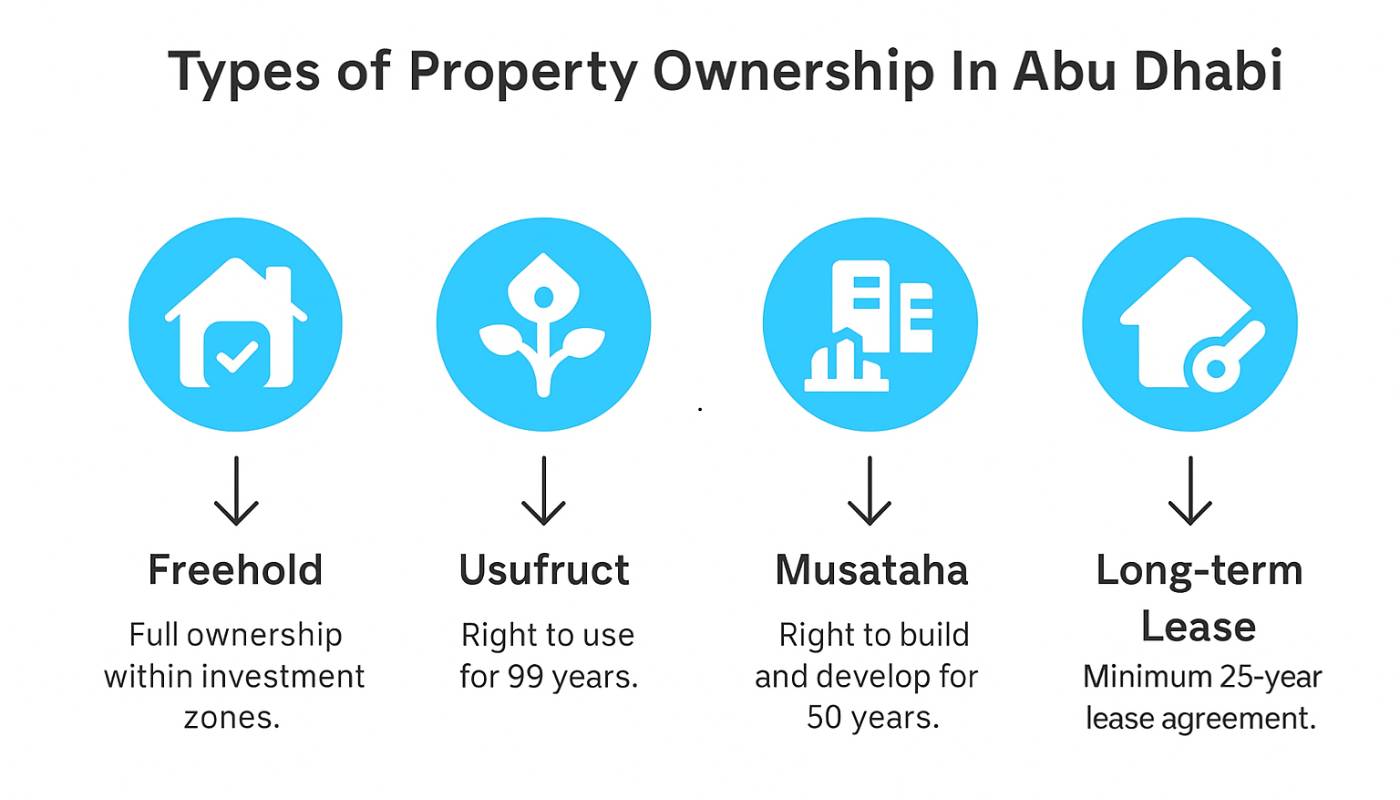
  • Freehold Ownership gives the buyer complete and indefinite ownership of both the property and the land it sits on. Owners can sell, lease, or pass on the property as they wish, and they receive a title deed from the Dubai Land Department.

  • Leasehold Ownership allows the buyer to lease the property for a fixed term—typically between 10 and 99 years—without owning the land itself. At the end of the lease term, the ownership reverts back to the freeholder unless renewed.

Consequently, although there isn’t a single universal regulation, the direction is obvious: a growing number of emirates are welcoming foreign investors.

Guide for Foreigners: How to Buy Property in the UAE

Can foreigners buy property in the UAE? The answer is a clear yes—but with one important condition: you can only do so in specific, designated zones. The UAE has created special freehold areas where foreigners, whether they live in the country or not, are legally allowed to purchase real estate.

When a foreigner buys a property, they generally have two main choices:

  • Freehold: This means you own the property and the land it’s built on, forever.

  • Leasehold: This is a long-term lease that can last for up to 99 years, but you don’t own the land itself.

Some emirates even have additional options like:

  • Usufruct: This is the right to use a property for up to 99 years, but you can’t make any major changes to it.

  • Musataha: This allows you to build or develop on someone else’s land, usually for a period of 50 years with the option to renew.

Keep in mind that how these options work can vary from one emirate to another, so where you want to buy is a very big deal.”

Dubai Property Buying Rules for Foreign Investors

Dubai led the way in the region by allowing foreign ownership of real estate and remains the most accommodating market for global investors.

Freehold Areas in Dubai

Foreigners can own 100% of property in areas like:

  • Palm Jumeirah
  • Downtown Dubai
  • Business Bay
  • Dubai Marina
  • Jumeirah Village Circle (JVC)

Full ownership rights, without the need for a local partner, are granted in these zones, which are governed by the Dubai Land Department (DLD).

Foreign buyers can choose from more than 40 freehold zones in Dubai, featuring everything from luxurious beachfront properties to family-friendly communities.

What’s Available to Buy

  • Apartments
  • Villas
  • Townhouses
  • Commercial spaces
  • Land (in select freehold zones)

Complete Guide to Dubai’s Legal Process: Step-by-Step

  1. Select a licensed real estate agent who is registered with the Real Estate Regulatory Agency (RERA).
  2. Formalize the agreement by signing a Memorandum of Understanding (MoU) that clearly outlines the sale terms.
  3. Secure a No Objection Certificate (NOC) from the property’s developer. This confirms there are no outstanding issues or dues.
  4. Complete the transaction by officially registering it with the Dubai Land Department (DLD).
  5. Settle the necessary fees, which include the 4% DLD transfer fee, a 580 AED administrative fee, and other potential costs like trustee charges.

Property Purchase Regulations for Foreigners in Abu Dhabi

Abu Dhabi has recently streamlined its property ownership regulations, opening up new opportunities for foreign investors.

Types of Property Ownership in Abu Dhabi

  • Freehold in investment zones
  • Usufruct: 99 years, with rights to use but not alter
  • Musataha: 50 years, with rights to build and develop
  • Long-term lease: 25 years minimum

Where Foreign Investors Can Purchase Real Estate in Abu Dhabi

Foreign nationals are able to secure complete ownership of properties in certain designated zones.

  • Yas Island
  • Saadiyat Island
  • Reem Island
  • Masdar City
  • Al Raha Beach
  • Al Reef
  • Al Maryah Island
  • Ghantoot
  • Al Shamkha
  • Nurai Island
  • Lulu Island

Registration and Authority

The Abu Dhabi Real Estate Centre (ADREC), which is a part of the Department of Municipalities and Transport (DMT), manages real estate registration through the TAMM portal.

UAE Residence Visa via Real Estate Ownership

Why Just Invest When You Can Live Here Too?

Visa Options

  • A property investment of at least AED 750,000 can qualify you for a 2-year Investor Visa.
  • A single or multiple properties with a combined value of AED 2 million or more can make you eligible for the 10-year Golden Visa.

If your property is mortgaged, you are eligible for a visa as long as your paid equity is either 50% or more of the property’s value, or a minimum of AED 750,000, whichever amount is greater.

Benefits

  • Sponsor your spouse and children
  • Renewable as long as you own the property
  • No income or property taxes

Top Mistakes to Avoid and How to Fix Them

The UAE’s regulated market offers security, but it’s not foolproof. Discover how to avoid common mistakes and ensure a smooth experience.

  • Overpaying: To avoid overpaying, look into what similar properties have sold for recently, as asking prices can be misleading. A good strategy is to use data from resources such as the DLD Price Index or consult with a real estate professional who has local market knowledge.
  • Hidden Fees: To ensure a transparent and legal transaction, always choose brokers who are registered with RERA and avoid paying any unofficial, “under the table” fees.

  • Confusing Leasehold with Freehold: The presence of a property in Dubai does not automatically guarantee freehold status. It is crucial to inquire about the specific title deed type before placing any deposit.

Skipping Legal Review:Secure long-term peace of mind by making the small investment of hiring a local real estate lawyer to review your contracts.

UAE Real Estate Investment Guide: Is It Worth It for Expats?

The UAE, and Dubai in particular, presents an exceptional proposition for numerous expatriates and international investors.

  • Tax-free income
  • High rental yields
  • Modern infrastructure
  • Legal protections for foreign buyers

The key to a successful purchase is a smart strategy. This means prioritizing freehold zones, working with a licensed real estate agent, and fully understanding your ownership rights.

FAQs

Q1: Can foreigners buy property anywhere in Dubai?
A: No, foreigners can only buy in designated freehold areas or opt for leasehold arrangements in specific zones.

Q2: What is the difference between freehold and leasehold property?
A: Freehold gives you full ownership of the property and land, while leasehold grants ownership for a set period (up to 99 years) without land ownership rights.

Q3: Do I need a UAE residency visa to own property in Dubai?
A: No, you don’t need a residency visa to buy property, but certain property investments can qualify you for one.

Q4: What fees should I expect when buying property in Dubai?
A: Common fees include Dubai Land Department registration fees, agency commission, and service charges.

Q5: Can I rent out my property if I’m a foreign owner?
A: Yes, foreign owners can rent out their property, but they must comply with Dubai’s tenancy laws and register the lease with Ejari.

Q6: Are there taxes on property ownership in Dubai?
A: No annual property tax, but there are one-time purchase-related fees and annual maintenance charges.

CategoriesBlog

Types of Property Payment Plans in Dubai for Buyers

Types of Property Payment Plans in Dubai for Buyers

Introduction

Dubai’s real estate market has rapidly evolved into one of the most dynamic and investor-friendly markets in the world. With its iconic skyline, tax-free investment opportunities, and high rental yields, Dubai continues to attract both local and international property buyers.

Whether you’re a first-time buyer, a seasoned investor, or an expat planning to settle in the UAE, understanding the various property payment plans in Dubai is essential. These plans are designed to offer flexibility, reduce financial pressure, and make luxury living more accessible.

    • In Dubai, a Deference Type of payment options is available, including post-handover, instalment-based, and rent-to-own arrangements.
    • With post-handover plans, you can lower your initial expenses as payments are spread out over multiple years, starting after you’ve received the keys to your new property.
    • Typically, instalment plans are structured around key construction phases or predetermined schedules, such as a 60/40 or 70/30 payment split.
    • A rent-to-own plan gives you the opportunity to apply a part of your monthly rent payments directly towards the eventual purchase of the property.
    • Before committing, it’s crucial to research the developer’s history, look for any hidden charges, and carefully review the terms regarding resale or exiting the agreement early.

Buying a property in Dubai is now more achievable than ever before, largely due to the variety of payment plans on offer. Grasping these different payment structures is vital, whether you’re a seasoned investor or buying your first home. Let’s explore these options to help you determine which one aligns best with your financial situation and investment objectives.

Importance of Flexible Payment Plans in Real Estate

Dubai’s real estate market is celebrated worldwide for its opulence, forward-thinking designs, and attractive opportunities for investors. As property values increase, however, the upfront cost can be a barrier for some. This is where flexible payment plans become a crucial solution. They are structured to:

    • Lower the entry barrier for buyers
    • Offer easier cash flow management
    • Attract foreign investors
    • Provide personal payment plan options tailored to individual needs

Best Property Payment Plans in Dubai for Investors and Buyers

Flexible Post-Handover Payment Plan for Easy Property Ownership

    • How It Works: You make a partial payment initially, get the keys to your new home, and then settle the remaining balance through payments spread out over a few years.
    • Recommended For: This is an ideal option for homebuyers who require more time to accumulate the full amount or who plan to use rental income to cover their payments.
    • Typical structure: The process typically starts with a 20–30% down payment, and the rest is paid off through manageable monthly or quarterly installments for a period of 3 to 5 years after you’ve moved in.

Pay in Easy Installments

    • How It Works: Payments are structured in predetermined phases, which are typically aligned with key construction milestones. This payment schedule spans from the initial booking to the final handover, just prior to receiving the keys to your new property.
    • Recommended For: This option is ideal for buyers with reliable funds throughout the construction phase who wish to avoid any financial obligations after the property is handed over.
    • Typical Structure: Typical payment plans are structured as 10/90 (10% paid upfront, with the remaining 90% due during the construction phase), 50/50, 60/40, and 70/30, or can be customized based on the project’s development progress.
    • Popular Areas: Key locations include Business Bay, Meydan, Arjan, and Dubai Creek Harbour.
    • Benefit: This approach frequently includes more competitive pricing and a greater number of incentives from the developer.
    • Potential Drawback: The requirement to complete all payments before moving in may not be a suitable option for buyers who need the property for immediate use or to generate rental income.

Lease-to-Own Payment Plan

    • How It Works: This arrangement allows you to lease a home for a predetermined time, often 3 to 5 years, and gives you the choice to buy it when the lease ends. A part of every rent payment you make goes toward the property’s cost.
    • Recommended For: This option is perfect for individuals who need time to improve their financial situation, such as new expats and entrepreneurs with variable income. It also helps buyers who are unable to secure a traditional mortgage due to a lack of credit history.
    • Typical Structure: The agreement generally runs for 3 to 5 years. Every month, part of your rent payment contributes to the purchase price, and you have the option to buy the property for a price that is locked in from the start.
    • The following areas are popular for this type of agreement: Dubai Silicon Oasis, Al Furjan, and Mirdif.
    • Benefit: It provides a clear pathway to homeownership without the need for a large down payment.
    • Potential Drawback: The rent payments are typically higher than a standard rental, and you could lose the money you’ve credited toward the purchase if you don’t go through with buying the home.

Flexible Down Payment Options for Home Buyers

    • How It Works: You’ll typically pay 30% to 70% of the property’s price upfront. The rest of the balance is due once the project is completed or handed over.
    • Recommended For: This approach is best for those paying with cash who want to get a better deal, investors looking for immediate savings, or people who prefer not to be tied to a long-term payment plan.
    • Typical Structure: Buyers usually pay 30% to 70% of the property cost when they book it. The final payment is made when the project is finished. This payment plan is most often used for properties that are ready or almost ready.
    • Popular Areas: These plans are popular in areas like Mohammed Bin Rashid City, Jumeirah Village Circle, and Business Bay.
    • Benefit: You could potentially get a 2% to 5% price reduction for making a large, early payment. However,
    • Potential Drawback: it requires a larger initial capital investment and offers less flexibility if your plans change.

Flexible and Customised Payment Options

    • How It Works: Dubai developers sometimes provide personalized payment plans designed to fit a buyer’s specific financial situation, lifestyle, or investment goals. These custom plans often feature unique timelines and combinations that differ from traditional models.
    • Recommended For: These flexible payment options are particularly beneficial for VIP clients, buyers of luxury homes, and those with unpredictable income sources, including entrepreneurs, investors, or international earners.
    • Typical Structure: Payment terms differ greatly, but they can feature extended timelines of a decade or more, periodic or one-time ‘balloon’ payments, or a combination of pre-handover installments and payments after the property is completed. All of these terms are custom-designed in partnership with the developer.
    • Popular Areas: Key areas offering such opportunities include Palm Jumeirah, Dubai Hills Estate, and Emirates Hills.
    • Benefit: Enjoy greater flexibility and more room for negotiation, making it easier to match your payment schedule to your personal or business finances.
    • Potential Drawback: Be aware that custom plans can sometimes be less clear, leading to higher total costs over time and fewer options for reselling the property during the payment term.

Construction-Linked vs Time-Linked Payment Plans: Which Real Estate Payment Option is Better for You?

Construction-Linked

How It Works: Payments are linked to the successful completion of key construction milestones.

Typical Milestones Include:

    • Foundation completion
    • 50% structural completion
    • Handover stage

Benefits of Property Payment Plans in Dubai

    • Affordability: Spread the cost over time without a heavy one-time payment
    • Developer Incentives: Offers like 0% interest, discounts, and no commission

    • No Bank Involvement (for some plans): Avoid complex loan approvals and interest

    • Greater Flexibility: Choose a plan based on your cash flow and goals

    • More Control for Buyers: Customize your investment pace and budget

    • Appealing to Foreign Buyers: Makes Dubai real estate more accessible to global investors

FAQ Types of Property Payment

1. Is a post-handover plan better than a mortgage?
It depends on your financial situation and goals. A post-handover payment plan allows buyers to pay a portion after moving in, offering flexibility without involving banks or interest. It’s ideal for those who want to avoid loans or have irregular income. On the other hand, mortgages are better suited for salaried individuals looking for long-term financing with lower upfront costs. While mortgages come with interest, they are regulated and provide legal protection.

2. Are payment plans available to non-residents?
Yes, many Dubai developers offer flexible payment plans to non-resident buyers. These include post-handover, off-plan, and even rent-to-own schemes. Non-residents can also apply for mortgages, though eligibility depends on their country of residence, income, and credit history. Dubai is one of the few global markets that actively encourages international investment through tailored payment options.

3. Can I switch plans after booking?
Switching payment plans after booking a property is possible in some cases, but it depends on the developer’s policy and your agreement terms. You may need to renegotiate, and fees or penalties might apply. It’s essential to clarify all terms before signing, but if your financial situation changes, you should speak with your agent or developer as early as possible to explore available options.

Conclusion

Understanding the different property payment plans in Dubai is essential for anyone looking to make a smart real estate investment. From post-handover plans to mortgages and rent-to-own schemes, each option comes with unique benefits tailored to different financial situations and buyer profiles.
These flexible plans offer several advantages—affordability, developer incentives, reduced bank involvement, and accessibility for non-residents—making Dubai one of the most buyer-friendly property markets in the world.
However, choosing the right plan requires careful evaluation of your financial goals, risk tolerance, and long-term plans. What works for one buyer may not work for another.
That’s why it’s important to make informed decisions with the help of professional real estate advisors who understand the market and can guide you through the process. With expert support, you can find a payment plan that maximizes your investment while minimizing risk.

CategoriesBlog

How to Register Ejari Online in Dubai: A Complete guide

How to Register Ejari Online in Dubai: A Complete guide

One of the first things new renters in Dubai must do is register their Ejari tenancy contract. This is an essential step for renting any property in the emirate. To help you navigate this, we’ve developed a simple guide that breaks down the process. You can register with minimal hassle by using the official DLD website or the convenient Dubai REST app.

Ejari in Dubai: Everything You Need to Know About Registering Rental Contracts

If you’re planning to rent a property in Dubai, understanding Ejari is crucial. “Ejari,” which means “my rent” in Arabic, is a system established by the Real Estate Regulatory Agency (RERA) to oversee the rental market and tenancy agreements in Dubai. Since its implementation in 2010, all rental and lease contracts must be officially registered with the Dubai Land Department.

The Ejari system is designed to safeguard the interests of both tenants and landlords. The official Ejari tenancy contract serves as a verifiable record of your rental agreement and promotes transparency. It’s also a necessary document for handling any rental disputes, as the Ejari certificate is required to file a case.

After registering your Ejari online or at an authorized center, you will be issued a unique Ejari number and a corresponding barcode.

Ejari in Dubai: Everything You Need to Know About Registering Rental Contracts

If you’re planning to rent a property in Dubai, understanding Ejari is crucial. “Ejari,” which means “my rent” in Arabic, is a system established by the Real Estate Regulatory Agency (RERA) to oversee the rental market and tenancy agreements in Dubai. Since its implementation in 2010, all rental and lease contracts must be officially registered with the Dubai Land Department.

The Ejari system is designed to safeguard the interests of both tenants and landlords. The official Ejari tenancy contract serves as a verifiable record of your rental agreement and promotes transparency. It’s also a necessary document for handling any rental disputes, as the Ejari certificate is required to file a case.

After registering your Ejari online or at an authorised centre, you will be issued a unique Ejari number and a corresponding barcode.

You must have an attested Ejari Dubai contract to successfully apply for essential services.

    • Water and electricity (DEWA) connection
    • Telephone and Internet connection
    • Commercial licenses
    • Residence visas a  nd other services

The Ejari certificate is a crucial document in Dubai, as it verifies the attestation of your tenancy agreement. A copy of this certificate is required for a number of official procedures. The attested Ejari tenancy contract certificate can be obtained by printing it directly from the official website.

Dubai EJARI Online Registration & Renewal

Registering Ejari online is a simple process, provided you understand the steps. Usually, it is the landlord or a real estate agent who takes care of the Ejari tenancy contract registration or renewal, as well as the fees involved.

Ready to register your Ejari? Follow this step-by-step guide to complete the process online:

    • Dubai REST App
    • DubaiNow App
    • Dubai Land Department website
    • Real Estate Service Trustees Centres

Who can apply for Ejari registration online?

Registering Ejari online is a simple process, provided you understand the steps. Usually, it is the landlord or a real estate agent who takes care of the Ejari tenancy contract registration or renewal, as well as the fees involved.

Ready to register your Ejari? Follow this step-by-step guide to complete the process online:

    • Dubai REST App
    • DubaiNow App
    • Dubai Land Department website
    • Real Estate Service Trustees Centres

In Dubai, the responsibility of registering a tenancy contract with Ejari rests with landlords, tenants (or their designated representatives), and property management companies. While landlords often assign this duty to a real estate agent, it’s also common for tenants to manage the Ejari registration process and cover the required fees.

Make sure that all the important details, like your deposit, how long the contract lasts, and the rent amount, are clearly listed in your Ejari. You can get it registered at a Dubai Ejari office or by using the user-friendly Ejari app.

Required Documents for Online Ejari Registration in Dubai

Registering for Ejari online is simple. All you have to do is scan and upload these documents:

    • Recent DEWA bill or security deposit
    • Passport/Emirates ID of the landlord
    • Emirates ID of the tenant
    • Receipt of security deposit
    • Title deed of the rented property
    • Trade license (for commercial properties)

Don’t forget to ask your real estate agent about any other required paperwork. Other potential documents you might need are:

    • Original unified tenancy contract
    • Power of Attorney number (if issued in Dubai, submission of the document is not required; if issued outside Dubai, the document must be attached).

Tenant’s Guide to EJARI Online Registration: How to Complete the Process

If you’re Searching how to register for Ejari online, you have two convenient options: the official website or the Dubai REST app.

Ejari Online Registration Made Simple Through the Dubai REST App

If you’re using the app, follow these steps:

    1. Download the ‘Dubai REST’ app on your device.
    2. Go to the ‘Services’ section and choose ‘RERA’.
    3. Click on ‘Register Ejari Contract’.
    4. Complete the form with accurate information and upload the necessary documents.
    5. Press ‘Submit’ to apply.
    6. The landlord must approve the tenant’s registration request through Dubai REST.
    7. Once approved, pay the Ejari registration fee through the app.
    8. The Ejari contract will be issued immediately on the Dubai REST app.

Ejari Registration Online Through Our Website

Follow these steps to complete your Ejari registration online via the website:

    1. Visit the DLD official website.
    2. If you’re new here, please create an account. If you’ve used our services before, you can simply sign in.

    3. From the main page, navigate to the ‘Services’ tab and choose ‘Tenant’ from the options that appear.

    4. Under the ‘Real Estate Rental Services’ section, find and select ‘Registration and renewal of lease application’.

    5. To begin the Ejari registration, click on the ‘Access this service’ button.

    6. Fill in the property and contract information, such as:
      •  Location
      • Type of property (Residential or Commercial)
      • Rental amount
      • Lease duration
      • Other relevant information
    7. Upload the required documents.
    8. Pay the Ejari registration fee.
    9. Review all the information and documents entered.
    10. Submit your application and wait for the certificate.

OFFLINE EJARI REGISTRATION

If you prefer to complete your rental lease registration in person, you can visit a real estate service trustee centre or a typing centre located in Dubai.

    1. Find a nearby centre.
    2. Bring along all relevant documents.
    3. Provide the centre representative with details about the rental, such as the type of property, rent amount, lease term, and other relevant information.
    4. Pay the necessary fees.
    5. Get a copy of the contract and the Ejari certificate.

Easily download your Ejari certificate online directly from the official Dubai Land Department (DLD) website.

Ejari Registration Cost in Dubai

Dubai Land Department has fixed the following fees for registering Ejari online:
Using the Dubai REST Application:

    • AED 100 for registration of Ejari contracts (excluding VAT)
    • Knowledge fee: AED 10
    • Innovation fee: AED 10

Trusted Real Estate Services Through Certified Trustee Centres:

    • Total AED 215 (including VAT)
    • Knowledge fee: AED 10
    • Innovation fee: AED 10

A Complete Guide To Renewing Ejari In Dubai:

It is a legal obligation to renew your Ejari each year, a process that also brings considerable benefits. The renewal procedure mirrors the initial registration, allowing you to submit your application online via the same channels: the DLD website, the Dubai REST App, or in person at Ejari typing centres and Real Estate Services Trustee centres located across Dubai.

To renew your tenancy contract in Dubai, make sure you have these essential documents ready:

    • The original unified tenancy contract
    • Emirates ID card
    • Copy of a valid power of attorney document (if applicable)
    • Copy of previous Ejari
    • Trade licence (for commercial properties only)

The process to renew your tenancy contract closely follows the same steps as Ejari registration in Dubai.

Ejari Typing Services Centers

CategoriesBlog

What to Do if You Have a Rental Dispute in Dubai

What to Do if You Have a Rental Dispute in Dubai

Dubai’s real estate market is one of the most dynamic in the world, attracting millions of residents, investors and tenants every year. With increasing population and constant movement in the rented market, the disputes between tenants and landlords are not uncommon. These issues are from disagreement ranging from increase in fares and can delay for maintenance, which can impropually delay eviction and uncontrolled security.

The landlord-owner dispute is a universal reality. The early and appropriate solution to these issues is important for a healthy rental market. In Dubai, the disagreement of Rera-related fare is recorded and addressed by specific fare disposal forums. If your tenancy dispute has reached a point where traditional solutions are insufficient.

To ensure fair treatment and protect the rights of both sides, the Dubai government established the RERA (Real Estate Regulatory Agency) and the Rent Disputes Center (RDC). The RERA controls the field of fare, while RDC works as an official legal body to solve struggles related to tenancy.

Understanding how to file and track rental disputes through RERA and RDC is important for both tenants and zamindars. Knowing your legal rights, proper procedure and necessary documents not only helps you protect your interests, but also gives acce to the resolution process. Whether you are renting a villa in Jumera or managing many apartments in business bay, getting familiar with the dispute process can save time, money and stress.here’s a guide on how to file rental disputes in Dubai.

What Is RERA and the RDC?

The Real Estate Regulatory Agency (RERA) is the official government body that oversees Dubai’s real estate sector. It operates under the umbrella of the Dubai Land Department (DLD) and is responsible for regulating and managing the relationship between landlords, tenants, property developers, and real estate brokers. RERA ensures transparency, stability, and legal compliance in all real estate transactions across the emirate.

To specifically manage and resolve rental disputes, the Dubai Land Department established the Rental Dispute Center (RDC). The RDC is a judicial body that handles all types of tenancy conflicts between landlords and tenants, offering a structured, fast, and legally binding resolution process. It is designed to provide a fair, efficient, and cost-effective alternative to traditional court proceedings.

When Is the Right Time to File a Rental Dispute with RERA in Dubai?

Even to support tenants, landlords, buyers and sellers with strong systems implemented by the Dubai Land Department, disagreement and violations of contractual rights can occur.

Initially, looking for a solution that benefits all sides, always has a preferred approach. However, there are times when all efforts of communication and interaction with the other side prove fruitless. At this point, it becomes necessary to file a RERA fare controversy in Dubai.

This specific platform focuses on resolving the conflicts between tenants and landlords in Dubai, such as addressing many issues, but not limited:

    • Failure to pay rent on the part of the tenant
    • Unfair increase in rent on the part of the landlord
    • Tenant resistance to vacating the property in due time
    • Landlords severing essential services to force tenant eviction
    • Disagreement over security deposit refund

The Rent Disputes Resolution Centre, under the supervision of the Real Estate Regulatory Agency (RERA), has jurisdiction over all rental disputes in Dubai, except:

    • Financial lease contracts
    • Rent dispute cases arising in Dubai-free zones like DMCC, JAFZA and TECOM.

Understanding the different types of rental disputes in Dubai is crucial before you proceed with filing a complaint.

How to File a Rental Dispute in Dubai

The Rental Dispute Resolution Centre (RDC) is where tenants and landlords can submit cases to resolve rental conflicts. This section will guide tenants through the steps of filing a complaint against their landlord. Bear in mind that landlords will follow comparable procedures if they need outside help to settle issues with their tenants.

Step 1. How to File a Rental Dispute in Dubai

Before starting a rental dispute in Dubai, it is important to understand the Dubai Tenancy Law. The Government of Dubai has implemented strict rules for overseeing rental agreements within the city.

For example, about the increase in fares, the law suggests that zamindars provide tenants to tenants with a 90 -day notice of intention to increase the fare. This increase should be aligned with the rented index of the rera, and the notification should be distributed electronically or through a registered mail service.

Familiarity with the RERA law is the fundamental step for effective dispute resolution, which benefit both landlords and tenants. You cannot only dispute fare at the fare dispute center in Dubai on the basis of beliefs. In situations where you lack a clear understanding of the law, it is highly recommended to take legal advice.

Step 2: Contact the Other Party to Negotiate and Resolve the Issue

After achieving clarity on a legal basis for your RERA complaint, it is formally advised to communicate its legal position to the other side. For example, if you believe that you have faced an inappropriate rental growth, you should inform your landlord of this concern. Remember to keep a deep record of all communications with them.

Whether a mutually agreed solution should prove to be elusive, your next step is to initiate a complaint of a fare controversy in Dubai. You can directly submit a RERA fare complaint to the rental dispute committee in Dubai.

While the process of submitting a complaint of a rental dispute in Dubai is quite simple, it is important to understand that it usually takes time to resolve the case of fare controversy in Dubai.

As a result, consider the rent dispute center Dubai as the last option for resolution. If you have reached this decision, continue reading as we guide you through the stages of filing a rental dispute in Dubai.
Re -written: As a result, the rent dispute center Dubai should be considered as the last option for resolution. If you have reached this decision, continue reading as we guide you through the stages of filing a rental dispute in Dubai.

Step 3: All Documents Required to File a RERA Rental Dispute in Dubai with the RDC

    • Ejari tenancy contract and certificate
    • Latest DEWA bill
    • Title deed and passport of the landlord (original and copy)
    • Tenant’s passport and visa copy
    • Emirates ID (original and copy)
    • Rental deposit slips
    • Copies of cheques made to the landlord
    • Proof of correspondence between the parties
    • Any other supporting documents regarding the dispute

Ensure all necessary documents are translated into Arabic prior to your visit to the Rental Disputes Centre (RDC) in Deira. The typists at the RDC can also provide this translation service.

Step 4: File a Rental Dispute Online or Visit the Rent Disputes Resolution Centre (RDC) in Dubai

Dubai’s Rental Dispute Resolution Centre (RDC) was established by Decree No. 26 of 2013 to address and resolve all rental disputes. If you have all the necessary documents to file a rental dispute case, you can visit the RDC Head Office at 10 3rd Street, Riggat Al Buteen, Deira.

There, an RDC typist will assist you. You’ll present your documents, and the typist will help you complete your RERA complaint. They will ask about your rental dispute and guide you through the process of formalizing and filing your case.

Alternatively, you can file a rental dispute with RERA online. The Rent Disputes Resolution portal provides a clear and easy-to-follow procedure for submitting a rental dispute complaint in Dubai.

Step 5: Understanding the Legal Case Proceedings

When you submit the required paperwork and officially register your case, the disagreement of fare in Dubai will initially be sent to the Mediastiation Department. This department will try to solve the conflict within a period of two weeks.

Whether the two sides should reach an agreement, settlement will be formally documented, which will take the legal weight of an enforcement order. If the arbitration process is not successful, you will need to formally sue your Rera complaint. A decision on this case is usually provided within 30 days.

On filing a suit, Rera will provide a specific date and time to present your fare dispute case. This hearing can last for several hours depending on the number of cases prescribed for that day.

Should the tribunal determine that your Dubai fare dispute lacks merit or adequate support evidence, you may need to attend an additional hearing. The party which does not prevail, maintains the right to appeal for the decision within 15 days. However, an appeal about a rental dispute in Dubai is only allowed for more than AED more than 50,000 disagreement.

To extend the case to the court court, the value of the case must be the minimum AED 330,000. This appeal can be recorded within 30 days after the final decision.

This entire process can spread for several weeks, or months, before reaching a resolution. As a result, it is important for both tenants and zamindars to fully evaluate all possible results and details before starting a dispute case with Rera in Dubai.

For information about matters related to other property, you can learn how to appeal to a real estate dispute in Dubai.

How to Check the Status of Your RERA Rental Dispute Case in Dubai Online

Tracking your RERA rental dispute in Dubai is straightforward and free, thanks to the Dubai Land Department’s official website. Just visit the DLD portal, where you’ll find the ‘RDC’ tab. Click on ‘RDC Track Your Case,‘ enter the required details, and the most recent status of your dispute will be displayed.

Frequently Asked Questions (FAQs)

1. Can I file a dispute without Ijari?
No, you cannot officially dispute the rent with the fare controversy center (RDC) in Dubai without a valid educational certificate. The educational system legally registers your tenancy contract with the Dubai Land Department, and this is an essential requirement for the legal process related to any tenancy. If your contract is not registered, your case may be dismissed or not accepted.

2. How long does a decision take?
Typically, the RDC aims to resolve fare disputes within 15 to 30 working days from the date of filing, depending on the complexity of the case and the availability of the necessary documents. In some cases, people associated with especially appeal or non-transportation may take longer. Full documents and clear evidence can help in speeding up the process.

3. What if landlords or tenants do not attend the hearing?
If either the landlord or tenant fails to attend the scheduled hearing without a valid reason, the RDC has the right to move forward in their absence and issue a decision based on the evidence available. Remembering the hearing can weaken your case, so it is important to ensure or ensure that your legal representative is present.

4. Are RDC ruling final?
Yes, RDC ruling are legally binding and applied in Dubai. However, the parties involved in the dispute have the right to appeal the initial decision within a specific time limit, usually 15 days from the date of the ruling. If no appeal is filed, the decision is final and it should be executed as per the order.

Frequently Asked Questions (FAQs)

1. Can I file a dispute without Ijari?
No, you cannot officially dispute the rent with the fare controversy center (RDC) in Dubai without a valid educational certificate. The educational system legally registers your tenancy contract with the Dubai Land Department, and this is an essential requirement for the legal process related to any tenancy. If your contract is not registered, your case may be dismissed or not accepted.

2. How long does a decision take?
Typically, the RDC aims to resolve fare disputes within 15 to 30 working days from the date of filing, depending on the complexity of the case and the availability of the necessary documents. In some cases, people associated with especially appeal or non-transportation may take longer. Full documents and clear evidence can help in speeding up the process.

3. What if landlords or tenants do not attend the hearing?
If either the landlord or tenant fails to attend the scheduled hearing without a valid reason, the RDC has the right to move forward in their absence and issue a decision based on the evidence available. Remembering the hearing can weaken your case, so it is important to ensure or ensure that your legal representative is present.

4. Are RDC ruling final?
Yes, RDC ruling are legally binding and applied in Dubai. However, the parties involved in the dispute have the right to appeal the initial decision within a specific time limit, usually 15 days from the date of the ruling. If no appeal is filed, the decision is final and it should be executed as per the order.

Conclusion

The filing and tracking of fare controversy with the rental dispute center (RDC) in Dubai may seem complicated at first, but with correct information and documentation, the process can be straight and efficient. Each step plays an important role in strengthening your case by understanding the essential documents such as EJARI certificates, tenancy contracts, and evidence of communication by understanding its tenancy rights under RERA.

Legal awareness is necessary for both tenants and landlords, in rapidly growing and regulated real estate markets like Dubai. To know how to resolve disputes through appropriate legal channels, it protects your interests and promotes the ecosystem of more transparent fare.

Whenever possible, try to solve minor disagreements through clear communication and interaction before contacting RDC. However, when legal action is necessary, information can be informed and prepared can create all differences.

By following the steps mentioned in this guide, you can handle the fare struggle with confidence and ensure that your rights within the real estate structure of Dubai are respected.

CategoriesBlog

How to Check Title Deeds Using the Dubai REST App

How to Check Title Deeds Using the Dubai REST App

The real estate field of Dubai stands globally for its remarkable vibrancy and activity, linging equally to investors, potential home owners and developers. Its appeal has been carried forward by a decisive geographical location connecting gorgeous options, state -of -the -art infrastructure and diverse areas. These factors have firmly installed Dubai as a top level location for real estate undertakings. A person around the world, whether he is demanding residence or investment, is keen to join with this rich market. Nevertheless, such high demand requires strong security measures to guarantee that each property transaction is both secure and transparent. Given the important value involved, no one has paramount to obtain property to protect their financial commitment.

There is a central title deed for any real estate exchange, which is an indispensable document in the property acquisition process. This official record legally confirms ownership, details the owner’s rights and confirms their claims to the property. The possession of a title deed accepts the legal authority to administer, divide or move the property. Due to its intensive importance, it is necessary to verify the authenticity and validity of the title deed. By neglecting proper verification, individuals can be exposed to the threat of fraud activities, possibly leading to financial failures or disagreement related to property rights.

The reply to the rising calls for the safe property deal and the imperative to keep both buyers and sellers safe, Dubai’s Land Department (DLD) has rolled out various digital devices to simplify procedures. The most impressive and widely used platforms have the Dubai Rest (Real Estate Self -Transaction) application. This groundbreaking app, construction of the Dubai Land Department, streamlined complex property transactions, which offers diverse functionalities to users, including the option to validate the title deeds. Through its accessible and intuitive interfaces, Dubai Rest App easily empowers users to confirm the validity of their title deeds, with the need for prolonged physical trips or tedious documentation.

Within this blog post, we will run you through the stages of verifying the title deeds through the Dubai Rest App – an important action to confirm the true nature of the ownership of your property. Whether you are a new homeowner, an experienced real estate investor, or an agent who facilitates property deals, this guide will equip you with the insight required to use the function of the app and confidently see the title verification. Confirming the legal firmness of the ownership of your property is not only about the safety of your financial outlay; It also brings invaluable assurance in the frequent developed real estate landscape of Dubai.

What Is the Dubai REST App and How Does It Work?

Launched by the Dubai Land Department, the Dubai Rest App is an official mobile application designed to streamline real estate transactions within Dubai. It offers a comprehensive suit of services, such as property registration, rental agreement processing and title deed authentication. This application provides convenient access to both residents and non-residents both residents and non-residents, which once requires physical visits in government offices.

Users can use the Dubai REST app to:

    • Verify title deeds
    • Apply for Ejari (rental) registration
    • Access property market information
    • Initiate real estate transactions
    • Track property ownership
    • Receive notifications on market trends and property values

The Importance of Verifying a Property's Title Deed

Before we delve into the process of verifying title deeds using the Dubai REST app, it’s essential to grasp the critical importance of title deed verification:

    • Legal Ownership Proof: The title deed acts as official proof of ownership, empowering property holders to legally sell, lease, or transfer their real estate.
    • Fraud Prevention: To avoid fraudulent activities, including property scams or unauthorized sales, it’s essential to verify the title deed.
    • Securing Financing: A verified title deed is frequently a prerequisite for banks and lenders when approving financing like home loans and mortgages.
    • Peace of Mind: Knowing your title deed is genuine brings a sense of security, confirming the legal integrity of your property transaction.

Step-by-Step Guide to Verifying Title Deeds Using the Dubai REST App

The Dubai REST application offers a streamlined method for title deed verification. Discover the process through our detailed guide:

Step 1: Download the Dubai REST App
To get started, simply download the Dubai REST application, accessible via the Apple App Store and Google Play Store.

    • For iOS users, find “Dubai REST” on the App Store.

    • Android users can search for “Dubai REST” in the Google Play Store.

After downloading, install and launch the app:
Step 2: Register or Log In
The first time you open the application, you’ll be given the option to create a new account or access an existing one.

    • New users can create an account by providing their Emirates ID (for residents) or passport details (for non-residents), mobile number, and email. Once these details are entered, a verification code will be sent via SMS or email to finalize registration.

    • Existing users can log in using their registered mobile number or email.

Step 3: Navigate to “Verify Title Deeds
After logging in, you’ll see a range of real estate services available through the app. Navigate to the ‘Title Deed Verification’ option, usually found within the ‘Services’ or ‘Property’ sections on the main screen.

Step 4: Enter Title Deed Details
For the verification of your title deed, kindly provide the following information:

    • The Title Deed Number is a distinct identifier for your property, located on the official title deed document.
    • Kindly provide either the plot number, if your property is land, or the property number, for residential or commercial units, based on your specific property type.

Please verify the accuracy of your entered information. The application will validate these details against the Dubai Land Department’s official records.

Step 5: View Verification Results
Submit your information, and the app will immediately handle your request. Within seconds, you will get verification results, so that you will know that the title deed is real and correct. ,

    • If the title checks the deed, the app will show you the major details such as the owner’s name, property address and other important information.
    • If there is a problem or the title deed is not valid, the app will alert you, suggesting you to reach the Dubai Land Department for further help.

Step 6: Download or Print Verification Report (Optional)
After completing the verification process, the Dubai REST app enables you to download a Verification Report. You have the option to save this report for your personal files or print a physical copy. Keeping this document accessible is beneficial for any future transactions or legal considerations.

Top Additional Features Offered by the Dubai REST App

The Dubai Rest App provides functionality beyond the simple title deed confirmation. This includes many other valuable features:

    1. Property Search: Users can detect available properties and get detailed information about the development of various real estate in Dubai, including their current status, category and geographical placement.
    2. Lease Agreement Administration (EJARI): The application streamlines the process of registering the rental contracts through Ejari, which enables zamindars and tenants to effectively oversee their agreements.
    3. Property assessment: Users have the ability to detect market value of assets and obtain evaluation obtained from current real estate patterns.
    4. Real Estate Deals: Both investors and property holders can start or monitor real estate transactions, such as buying and selling, eliminating the need to go to DLD office.
    5. Notifications and Alerts: Stay informed about significant market changes, changes in asset evaluation, and relevant alerts for your real estate portfolio.

Advantages of Using the Dubai REST App to Verify Title Deeds

To confirm the property ownership documents, taking advantage of the Dubai Rest application presents many benefits: “

    1. Convenience: This application personally removes the need to visit government offices, allowing you to confirm your property deed from your own residence.
    2. Speed: The confirmation process is faster and straight, usually only a few moments are required.”
    3. Accuracy:: Because the app is directly connected to the central database of the Dubai Land Department, it provides accurate and current details.
    4. Security: Digital verification empowers users to protect against misleading practices, which ensures authenticity of property.
    5. Availability: The application can be used by both residents and non-residents, increasing its access to property holders globally.

Common Problems and Fixes

Even though the Dubai Rest App is designed for ease of use, you can withstand some obstacles during the verification phase.

There are some often encountered problems and their related solutions:

    • Incorrect details: Double-check that all the information you have recorded correctly matches your title deed. Even minor anomalies can prevent successful verification.
    • Connectivity problems: If you find app leggings or unansweezy, verify your internet connection. A quick app Restart can also clean any performance glitter.
    • Arriving for assistance: Should your title be failed to verify the deed or if you experience technical troubles, feel free to feel free by calling the Dubai Land Department through the dedicated support area of ​​the app or calling their helpline.

FAQs – Verifying Property Ownership in Dubai

1. Is the Dubai Rest app free to use?
Yes, Dubai Rest App is completely free to download and use. It provides ownership details without essential real estate services such as title deed verification, property listing and any hidden fee.

2. Can you use this app for foreign property verification?
Absolutely. Both residents and foreign investors can use the Dubai Rest App to verify the ownership of the property, provided they have the correct title deed numbers and related details. It is a valuable tool for anyone interested in buying or selling property in Dubai.

3. Is this app available in English and Arabic?
Yes, the app supports both English and Arabic languages, with which it is a user friendly to a wide range of users, including expats and local citizens.

4. What if I lost my original title deed?
If you have lost your original title deed, you should immediately report it to the Dubai Land Department (DLD). They will guide you through the process of obtaining a duplicate copy after verifying your ownership and identity.

Conclusion

Dubai Rest App simplifies the title deed verification, adding significant security to your property transactions. Its ability to confirm the ownership quickly and accurately allows for confident real estate in Dubai. For all property stakeholders, for the first time, from buyers to experienced investors, Dubai Rest App is required to certify the property title deeds.

Following the guidance here in, you can help prevent normal loss and protect your real estate investments in Dubai’s active market.

Demo Title

Demo Description


Introducing your First Popup.
Customize text and design to perfectly suit your needs and preferences.

This will close in 20 seconds

[field id="field_2f7c340"]

This will close in 20 seconds