
CategoriesBlog

How to Get a UAE Business Golden Visa – Eligibility, Benefits & Process

How to Get a UAE Business Golden Visa – Eligibility, Benefits & Process

The United Arab Emirates has emerged as a second home for a diverse population that has been instrumental in its growth and prosperity. To acknowledge these vital contributions, the country established the Golden Visa program, which grants long-term residency to key investors and professionals. Specifically, the UAE Golden Visa for entrepreneurs was created to foster continued economic expansion by encouraging business leaders and investors to establish themselves in the country. This guide provides comprehensive information on the Business Golden Visa in the UAE.

Understanding the Business Golden Visa in the UAE

The UAE Business Golden Visa is a long-term residency program for entrepreneurs, investors, and highly skilled professionals, issued under the country’s broader Golden Visa system. Unlike a typical two-year visa, it provides a renewable residency for 5 or 10 years.

Specifically for entrepreneurs, this visa offers permanent residency, enabling non-UAE nationals to establish and manage businesses within the country, while also having the flexibility to live both inside and outside the UAE. The continuation of this permanent residency is subject to the applicant’s ongoing compliance with the visa’s terms and conditions during each five-year renewal cycle.

Business Golden Visa in the UAE: Key Benefits & How It Helps Investors

The UAE Business Golden Visa offers far more than just simplified company formation—it provides a host of exclusive advantages designed to support entrepreneurs and investors. Key benefits include:

  • Long-Term Residency for Family – Secure residency for dependents, including spouses, children, and parents, subject to specific conditions.

  • 6-Month Multiple-Entry Visa – Receive an initial six-month, multiple-entry permit to speed up business setup and related procedures.

  • Residency for Senior Staff – Nominate up to three senior executives or key business personnel for residency under your sponsorship.

  • No Stay Restrictions – Travel freely, as there is no requirement to remain in the UAE to keep your Golden Visa valid.

  • Unlimited Domestic Helpers – Enjoy the ability to sponsor an unlimited number of domestic workers.

  • No Employer Sponsorship Required – Apply for the visa independently without the need for a local sponsor or employer.

  • Family Residency Security – In the unfortunate event of the visa holder’s death, family members can remain in the UAE until their permits expire.

Specifically for entrepreneurs, this visa offers permanent residency, enabling non-UAE nationals to establish and manage businesses within the country, while also having the flexibility to live both inside and outside the UAE. The continuation of this permanent residency is subject to the applicant’s ongoing compliance with the visa’s terms and conditions during each five-year renewal cycle.

Eligibility Criteria for the UAE Business Golden Visa

Entrepreneurs from any part of the world can apply for the UAE Business Golden Visa, provided they have successfully established a business at least once in their career. To qualify, applicants must meet the following requirements:

  • Proven Entrepreneurial Experience – Provide documentation verifying prior entrepreneurial ventures or business achievements.

  • Ownership or Leadership in a Startup – Hold or have held majority shares or a senior leadership role in a startup valued at a minimum of AED 500,000.

  • Commitment to Establish a UAE Business – Be prepared to legally relocate and launch a new business in the UAE.

  • Comprehensive Business Plan – Present a viable business idea or plan for the intended entrepreneurial project.

  • SME Ownership or Partnership – Own or partner in a UAE-based small or medium enterprise (SME) generating annual revenues of at least AED 1 million.

  • Official Start-Up Approval – Obtain necessary approvals for the business concept from the Ministry of Economy, a recognized business incubator, or other relevant UAE authorities.

  • Successful Exit from a Previous Venture – Be a sole proprietor or founding member of a prior project that was sold for at least AED 7 million.

Eligibility Criteria for the UAE 10-Year Golden Visa

The UAE grants the prestigious 10-year Golden Visa to individuals who meet specific eligibility requirements. Applicants from the following categories may qualify:

  • Investors – including those in public investments and real estate.

  • Entrepreneurs – founders or owners of successful projects within the UAE.

  • Executive Directors – senior professionals holding key leadership roles.

  • Humanitarian Pioneers – individuals recognized for their exceptional humanitarian work.

  • Exceptional Talents – achievers in art, culture, sports, digital technology, or other critical sectors.

  • Doctorate Holders – individuals with a PhD in recognized fields.

  • Scientists and Professionals – experts in healthcare, business administration, information technology, law, culture, or social sciences.

  • Engineers – specialists in computer engineering, electronics, programming, electrical engineering, or biotechnology.

  • Education Specialists – professionals in priority fields such as early childhood education.

  • Outstanding Students & Graduates – high-achieving scholars from UAE or international institutions.

  • Experts in Emerging Sciences – professionals in Big Data, Artificial Intelligence, Virology, and Epidemiology.

  • Frontline Workers – individuals who made extraordinary contributions during the COVID-19 pandemic.

  • Humanitarian Contributors – distinguished members, sponsors, or volunteers of regional and international humanitarian organizations.

In addition to meeting these category-specific qualifications, applicants must also comply with the Federal Authority for Identity and Citizenship (FAIC) requirements, which include:

  • A comprehensive health assessment

  • A thorough background check

It’s important to note that meeting the eligibility criteria does not guarantee approval. Applications are carefully reviewed by specialized committees that evaluate the candidate’s profile and supporting documents.
However, the process for business owners and investors is typically faster compared to other categories.

Step-by-Step Guide to Applying for a UAE Golden Visa

Thinking about securing a UAE Golden Visa? Here’s a clear, step-by-step process to help you through the application:

Visit the ICA Website
Go to the Federal Authority for Identity and Citizenship (ICA) official website.

Select “Golden Services”
From the top menu, choose the “Golden Services” category.

Create a Nomination Request
Scroll down and generate a request for “Visa – Golden Visa – Nomination Request for Golden Residence.”

Start the Service
Click on “Start Service” to begin your application.

Fill Out the Application Form
Provide the required details, including:

    • Personal information: Full name, visa category, nationality, gender, place of origin, date of birth, and other basic details.
    • Passport details: Passport type, number, expiry date, and related information.
    • Contact information: Phone number, permanent address, and country of residence.
    • Professional background: Work experience, entrepreneurial or business details.

Upload Supporting Documents
Attach all the necessary documents as specified in the application.

Pay the Application Fee
Complete the payment for the processing fee to move your request forward.

Submit Your Application
Review all the entered details and submit your application.

Processing Time & Next Steps

  • Initial Review: After submission, it may take up to 30 days for the authorities to review your nomination for the Golden Residence program.

  • Document Upload: If approved, you’ll receive an email with a secure link to upload the required supporting documents for the final visa application.

  • Final Approval: This stage can take another 30 days for scrutiny. Once approved, you’ll get an email with full instructions on how to receive your UAE Golden Visa.

If Your Application Is Not Approved

If your nomination is not accepted within the first 30 days, you can reapply after a 90-day waiting period.

How to Track Your UAE Golden Business Visa Application Status

Thinking about securing a UAE Golden Visa? Here’s a clear, step-by-step process to help you through the application:

Visit the ICA Website
Go to the Federal Authority for Identity and Citizenship (ICA) official website.

Select “Golden Services”
From the top menu, choose the “Golden Services” category.

Create a Nomination Request
Scroll down and generate a request for “Visa – Golden Visa – Nomination Request for Golden Residence.”

Start the Service
Click on “Start Service” to begin your application.

Fill Out the Application Form
Provide the required details, including:

    • Personal information: Full name, visa category, nationality, gender, place of origin, date of birth, and other basic details.
    • Passport details: Passport type, number, expiry date, and related information.
    • Contact information: Phone number, permanent address, and country of residence.
    • Professional background: Work experience, entrepreneurial or business details.

Upload Supporting Documents
Attach all the necessary documents as specified in the application.

Pay the Application Fee
Complete the payment for the processing fee to move your request forward.

Submit Your Application
Review all the entered details and submit your application.

Processing Time & Next Steps

  • Initial Review: After submission, it may take up to 30 days for the authorities to review your nomination for the Golden Residence program.

  • Document Upload: If approved, you’ll receive an email with a secure link to upload the required supporting documents for the final visa application.

  • Final Approval: This stage can take another 30 days for scrutiny. Once approved, you’ll get an email with full instructions on how to receive your UAE Golden Visa.

If Your Application Is Not Approved

If your nomination is not accepted within the first 30 days, you can reapply after a 90-day waiting period.

How to Track Your UAE Business Golden Visa Application

If you’ve applied for a UAE Business Golden Visa, you can easily follow up on the status of your nomination using the contacts below:

Once your initial nomination is approved and the visa processing begins, you should reach out to the Federal Authority for Identity and Citizenship (ICA) for further updates:

Health Insurance Plans for Golden Visa Holders

Golden Visa residents can choose from recently introduced medical insurance packages that provide comprehensive coverage:

  • Standard Plan – Annual premium of AED 2,393 with a coverage limit of up to AED 300,000.

  • Enhanced Gold Package – Annual premium of AED 4,985 offering coverage of up to AED 2.5 million.

  • Premier Package – Premium of AED 39,857 per year with an extensive coverage limit of AED 20 million.

Esaad Card Benefits for Golden Visa Residents

Dubai Golden Visa holders are also entitled to receive an Esaad Card, unlocking a wide range of exclusive offers and discounts. Members can enjoy special deals across various brands and services not only within the UAE but also in 92 countries worldwide.


CategoriesBlog

How Does Property Handover Work in Dubai? Complete Buyer’s Guide

How Does Property Handover Work in Dubai? Complete Buyer’s Guide

Buying a new home in Dubai is exciting, but one of the most crucial stages of the journey is the property handover. Understanding this process ensures a smooth transition from construction to legal ownership. The handover involves multiple steps, including final inspections, snagging checks, document signing, and registration with the Dubai Land Department (DLD).

Knowing how property handover works can help you avoid unexpected delays and financial setbacks. This guide walks you through every step of the process so you can enjoy a stress-free move into your new property.

In Dubai’s real estate market, a property handover marks the final stage when ownership officially transfers from the developer to the buyer. It is the point where investors and homeowners finally receive the keys to their property, making it a crucial milestone in any real estate transaction.

The year 2025 is particularly significant for property handovers in Dubai. With a surge of new residential and commercial projects reaching completion, the city is expected to witness one of the highest volumes of handovers in recent years. Alongside this growth, authorities such as the Dubai Land Department (DLD) and RERA have introduced stricter regulations and improved digital processes to ensure transparency, protect investors, and streamline the handover experience.

For buyers and investors, a smooth handover is more than just receiving a property—it represents legal security, financial assurance, and peace of mind. Whether purchasing for personal use or as an investment, understanding the handover process in 2025 is essential to avoid delays, disputes, or unexpected costs.

What is Property Handover in Dubai?

Property handover in Dubai refers to the process of transferring a fully completed, ready-to-move-in property from the developer to the buyer. This stage confirms that the construction is finished, all required permits have been approved, and the purchaser can officially take possession of the unit—whether it’s an apartment or a villa.

For investors, the handover marks the beginning of potential rental income and future resale opportunities. For end-users, it represents the exciting step of moving into a brand-new home.

Before the final handover occurs, several important steps must be completed. These include securing a completion certificate and conducting a snagging inspection. The inspection helps identify any defects or issues within the property that need correction. Once these checks are satisfied, the buyer settles the outstanding payment, signs the required documentation, and proceeds with the official transfer of ownership.

How Does the Property Handover Process Work in Dubai?

The step-by-step procedure for a property handover in Dubai is as follows:

Completion Notice

The property handover process in Dubai begins when the developer provides the buyer with a completion notice, which serves as an official confirmation that the project is complete. Upon receiving this notice, the buyer has a 30-day window to complete the handover. The notice also provides a Property Index Number (PIN), a key piece of information needed for both Ejari registration and utility connections. If you do not receive the notice, you should contact the Dubai Land Department without delay.

Property Inspection & Snagging

Before accepting the unit, the buyer should conduct a comprehensive snagging inspection to identify any construction defects or finishing issues that the developer must fix at their own cost. A thorough snagging checklist usually covers:

  • Structure & Finishes: Check for cracks on walls/ceilings, poor plastering, tile alignment, chipped tiles, and damaged doors, windows, or cabinetry.

  • Electrical System: Test sockets, switches, light fittings, and circuit breakers for proper installation and functioning.

  • Plumbing & Water: Inspect water pressure in taps and showers, drainage systems, toilets, and water heaters.

  • Air Conditioning & Ventilation: Ensure proper airflow, thermostat calibration, and absence of leaks or unpleasant odors.

  • Doors & Windows: Verify locking mechanisms and check for air or water leakage.

  • Appliances (if provided): Test kitchen hoods, ovens, washing machines, and other installed appliances.

  • Balconies & Terraces: Check waterproofing, tiling, and railing stability.

After the inspection, a snagging report is prepared, including photos of defects, a room-by-room checklist, severity notes, and a timeline for repairs.

Clearing Final Payments

Once the developer rectifies any issues highlighted in the snagging report, the buyer must settle all outstanding payments, which may include:

  • Remaining installments on the property.

  • Delayed payment penalties, if applicable.

  • The buyer must pay a 4% title deed registration fee based on the property’s purchase price.

After payment and verification, the DLD issues the Title Deed, officially transferring ownership to the buyer.

Miscellaneous charges such as service fees, maintenance deposits, or processing charges.

Submitting Required Documents for Handover

After payments are cleared, the buyer must provide specific documents to officially receive the property. If attending in person, prepare:

  • Valid Emirates ID or Passport

  • Sales and Purchase Agreement (SPA)

  • Payment clearance letter or final receipt

  • DEWA connection certificate

  • Fire alarm compliance certificate (if required)

If the buyer cannot attend the handover, they can authorize a representative by submitting:

  • A signed authorization letter or consent email specifying the unit number, project name, buyer’s contact details, and confirmation of full settlement.

  • Copies of both the buyer’s ID and the authorized person’s ID.

  • Proof of payment and service charge settlement.

  • A copy of the Sales and Purchase Agreement (SPA).

Some developers may also request a Power of Attorney (POA) if:

  • The authorized person is not directly related to the buyer.

  • The buyer is overseas and unable to attend.

  • There are potential liability or dispute concerns.

Transfer of Ownership & Title Deed

The final stage is the registration of ownership with the Dubai Land Department (DLD).

Key Takeaway
The property handover process in Dubai is straightforward if each step is carefully followed. From receiving the completion notice and conducting a thorough snagging inspection, to clearing payments and securing the title deed, every stage ensures your investment is fully protected.

Common Delays and Issues During Property Handover in Dubai

Despite Dubai’s well-regulated real estate market, buyers and investors may still encounter certain setbacks during the property handover process. Below are some of the most frequent delays and issues to be aware of:

Possible Delays

  • Incomplete construction: Projects may not be finished on schedule if additional work or unexpected changes arise.

  • Pending completion certificate: Developers sometimes need extra time to obtain the final completion certificate from the relevant authorities before the property can officially be handed over.

Typical Issues

  • Undetected or unreported defects: If property defects are not identified and reported to the developer before handover, the responsibility for repairs shifts to the buyer after the transfer. To avoid this, it’s essential to conduct a detailed inspection with professional help before signing off.

  • Incomplete documentation: Missing or incorrect paperwork can slow down the entire handover process. Working with a qualified real estate agent ensures that all necessary documents are prepared correctly, helping you achieve a smooth and hassle-free transfer.

Post-Handover Payment Plan in Dubai

A post-handover payment plan allows buyers to pay a portion of a property’s price before the handover and settle the remaining balance after taking possession. Many Dubai developers offer this flexible financing option, making it easier to purchase premium apartments and villas. These plans provide financial freedom by spreading payments over time. Common options include:

  • 90-day post-handover payment plan

  • 3-year post-handover payment plan

  • 5-year post-handover payment plan

  • 10-year post-handover payment plan

With these structures, buyers and investors can pay the outstanding amount in manageable installments instead of a single lump sum.

Why Investors Choose Post-Handover Payment Plans

Post-handover plans come with several key benefits, which is why they are highly attractive to investors:

  • Easy installment payments: Spread the remaining cost over months or years without straining your budget.

  • Immediate property possession: Move in or rent out the property while continuing to pay the balance.

  • Rental income advantage: Lease the unit and use the rental returns to cover ongoing installments.

Example Scenario

Consider Zayed, who purchased an apartment on Dubai’s iconic Palm Jumeirah for AED 4 million. Instead of paying the full price upfront, he chose a 5-year post-handover plan. Zayed paid AED 2 million (50%) at handover to take ownership, while the remaining AED 2 million was divided into quarterly payments over five years. After receiving the keys, he rented the apartment for AED 450,000 per year, using the rental income to pay his installments and reduce financial pressure.

Explore Dubai Properties Today

Whether you are looking for off-plan projects or ready-to-move-in homes, Dubai’s wide selection of post-handover payment plans makes property investment more achievable than ever.

Investor Insights: Why Property Handover in Dubai Is Crucial

Property handover in Dubai marks the key moment when an investor’s returns truly begin. Once the handover is complete, owners can either rent out their property or sell it, unlocking the potential for steady income or capital gains.

A smooth and timely handover is critical because it directly impacts ROI and rental yield. As soon as the process is finalized, investors can put their units on the rental market and start earning income. Even minor delays—especially in high-demand locations—can reduce annual returns, making an efficient handover essential for maximizing profitability.

Off-plan properties remain one of Dubai’s most attractive investment options, offering a more affordable entry point compared to ready-to-move-in homes. Their lower initial prices allow investors to benefit from strong capital appreciation once the project is completed. Many choose to sell the finished property at a higher market rate and reinvest the profits into new premium developments such as Dubai South, Dubai Creek Harbour, and other upcoming hotspots.

Completing the property handover also opens the door to valuable residency opportunities. Investors who purchase property worth AED 750,000 or more can apply for a 2-year residency visa, while those investing AED 2 million or above qualify for a coveted Golden Visa, offering a 10-year residency. This allows them to live, work, and grow their wealth in one of the world’s most dynamic cities.

Who Offers the Best Property Handover Services in Dubai? Discover Luxury Spaces

Luxury Spaces stands out as one of Dubai’s leading real estate agencies, providing end-to-end solutions from property buying and selling to professional management and handover services. Our experienced team ensures every property is delivered in flawless condition, free of defects, and ready for immediate occupancy.

Key services include:

  • Comprehensive snagging inspection to identify any issues before handover.

  • Detailed snagging report prepared and submitted directly to the developer.

  • Follow-up with the developer to monitor and confirm resolution of all identified concerns.

  • Regular photo and video updates to keep clients informed at every stage.

With our expert guidance, homeowners and investors enjoy a seamless, stress-free property handover experience.

Conclusion

The property handover marks a crucial milestone in Dubai’s real estate journey. For buyers seeking Luxury Homes in Dubai, a well-managed and timely handover ensures a smooth move-in experience and allows investors to start generating rental income and capital growth without delays. Understanding the complete procedure helps avoid unnecessary costs, complications, and time overruns.

Whether you’re purchasing an apartment, a villa, or an off-plan property, being well-prepared for the handover process maximizes ROI, rental potential, and long-term property value. Get in touch with our experts today for professional assistance and a hassle-free handover.

Frequently Asked Questions (FAQs) on Property Handover in Dubai

Q1. What is a property handover in Dubai real estate?
A property handover is the process where ownership of a completed property is officially transferred from the developer to the buyer. It includes inspection, final payments, documentation, and title deed registration.

Q2. How long does the property handover process take in Dubai?
The process usually takes 2 to 6 weeks, depending on the developer, payment clearance, and Dubai Land Department (DLD) procedures. With the 2025 digital updates, timelines are becoming faster.

Q3. What documents are required for property handover in Dubai?
You’ll typically need:

  • Sale and Purchase Agreement (SPA)

  • Passport and Emirates ID copy

  • Final payment clearance letter

  • Service charge receipt

  • Any additional documents requested by the developer or DLD

Q4. Do I need to pay fees during property handover?
Yes, buyers must pay:

  • DLD registration fee (4% of property value)

  • Oqood registration (for off-plan purchases)

  • Service charges for common areas

  • Any pending developer fees

Q5. What is snagging in property handover?
Snagging is the process of inspecting a property for defects or unfinished work before taking possession. Common issues include cracks, plumbing leaks, or electrical faults. Developers are responsible for fixing these before completion.

Q6. Can property handover in Dubai be delayed?
Yes, delays can happen due to construction issues, developer approvals, or pending payments. To avoid this, buyers should ensure all documents and payments are cleared on time.

Q7. How is property handover in 2025 different from before?
In 2025, handovers are faster and more transparent thanks to digital title deeds, blockchain verification, and stricter RERA oversight. This reduces disputes and improves investor confidence.

Q8. Should I hire a lawyer or consultant for property handover in Dubai?
It’s not mandatory but highly recommended. A property consultant or lawyer can handle inspections, verify legal compliance, and ensure a hassle-free transfer.

Q9. Can I rent or sell my property immediately after handover?
Yes, once the title deed is registered in your name, you can legally rent, lease, or sell your property in Dubai.

Q10. What happens if defects are found after handover?
Developers in Dubai are legally obliged to fix structural defects for up to 10 years and mechanical/electrical issues for up to 1 year after handover (warranty period).

CategoriesBlog

Top Non-Freehold Areas in Dubai for GCC & Emirati Investors

Top Non-Freehold Areas in Dubai for GCC & Emirati Investors

Dubai continues to strengthen its reputation as one of the most vibrant real estate markets in the world, offering a wide variety of opportunities for investors. With a skyline that constantly evolves through iconic developments, the city has become a global hotspot for property investment. While freehold areas—where foreign investors can freely buy property—often dominate conversations, there is another equally important segment of the market that deserves attention: non-freehold areas.

These zones are far more than just geographical divisions. Non-freehold areas are deeply rooted in Dubai’s cultural, historical, and social fabric, reserved exclusively for UAE nationals and citizens of GCC countries. They give investors access to communities that have played a vital role in shaping Dubai’s identity and growth over the decades.

Investing in these areas is not only about financial returns—it’s also about safeguarding heritage and contributing to the city’s legacy. While exclusivity is often associated with non-freehold zones, their value extends beyond prestige. They provide investors with an opportunity to secure long-term stability, maintain cultural ties, and preserve traditional neighborhoods. Buying property here means becoming part of Dubai’s ongoing journey, bridging its rich past with its prosperous future.

In this article, we’ll explore the unique role of non-freehold areas in Dubai’s property market. We’ll highlight why they are an attractive choice for Emirati and GCC investors, what sets them apart from freehold areas, and how they present a meaningful, long-term investment strategy. Whether you are an experienced investor seeking diversification or a first-time buyer with cultural connections, these zones offer unmatched advantages that cannot be ignored.

Non-Freehold Areas in Dubai: Complete Guide for Property Investors

 Non-freehold areas in Dubai are specific zones where property ownership is restricted to UAE citizens and GCC nationals. Unlike freehold districts, which allow foreign ownership and full property rights, non-freehold areas operate under special regulations designed to protect the cultural and social fabric of local communities.

These areas ensure that Emiratis and GCC citizens maintain a strong presence in some of Dubai’s most historically significant and culturally vibrant neighborhoods.

Prominent Non-Freehold Areas in Dubai

Some of the well-known non-freehold districts include:

  • Deira

  • Bur Dubai

  • Karama

  • Al Rashidiya

  • Al Barsha (select zones)

  • Jumeirah (select zones)

Each of these locations carries its own heritage and character, reflecting the transformation of Dubai from a small trading port to the cosmopolitan metropolis it is today. For investors, these neighborhoods represent more than just real estate—they symbolize continuity, community, and cultural pride.

Key Benefits of Investing in Non-Freehold Areas

1. Strong Cultural and Community Connection

For Emirati and GCC nationals, buying property in non-freehold zones offers more than just financial gains—it represents a deeper connection to cultural heritage and traditions. These communities are often built around long-standing local values, giving investors a chance to be part of Dubai’s authentic social fabric. In such areas, ownership isn’t just about real estate; it’s about preserving identity and belonging.

2. Government Backing and Investment Security

Non-freehold zones benefit from consistent support from the UAE government. With policies focused on cultural preservation, infrastructure upgrades, and community development, these areas enjoy a strong foundation for growth. This proactive governance ensures a secure and stable environment for investors, encouraging confidence in long-term returns.

3. Attractive Leasing Opportunities

Even though non-GCC residents cannot purchase property in non-freehold areas, they can lease homes, which fuels a healthy rental market. This creates opportunities for Emirati and GCC investors to generate steady rental income. Long-term leases, in particular, appeal to tenants seeking affordable housing options in central locations that hold cultural and social importance.

4. Long-Term Capital Growth

Properties in non-freehold areas are often located in prime, well-established districts close to key business hubs, government institutions, and essential infrastructure. Because of limited ownership opportunities and strategic locations, these properties typically see steady appreciation over time. This makes them a reliable asset for GCC investors looking for consistent value growth and long-term wealth preservation.

Why Investing in Non-Freehold Properties

The Dubai real estate market is in a period of unprecedented growth, attracting investors from around the world, especially to its freehold properties. This is because freehold ownership offers foreign buyers full control, making it a highly attractive investment in Dubai’s thriving economy. However, there is a strategic, often overlooked, opportunity for Emirati and GCC investors in the non-freehold market.

The non-freehold sector is home to many of Dubai’s undiscovered real estate gems. These areas, reserved for UAE and GCC nationals, allow for ownership in the city’s most historic and culturally important locations. While global capital is drawn to freehold developments, the non-freehold market quietly presents exclusive advantages that smart local investors are beginning to prioritize.

Strong Market Momentum

Dubai’s property market is experiencing strong growth, creating excellent opportunities for Emirati and GCC nationals in the non-freehold sector. Property prices continue to rise, particularly in sought-after areas, while demand is surging across the city. Non-freehold communities, often located in some of Dubai’s most established neighborhoods, provide investors with long-term stability and the potential for steady value appreciation. For those seeking secure assets that promise sustainable growth, these areas stand out as a smart investment choice.

Government Support and Infrastructure Growth

Another major driver behind the appeal of non-freehold investments is the UAE government’s active role in boosting infrastructure and creating a pro-business environment. Non-freehold neighborhoods—many with deep cultural and historical roots—are benefiting from targeted urban development initiatives.

Key upgrades in transportation, healthcare, and education are either underway or planned, making these areas more attractive than ever. Expanded transport networks are improving connectivity, while world-class healthcare and modern educational facilities are enhancing livability. These enhancements not only improve quality of life but also increase property values, offering investors a strong advantage.

Exclusive and Less Saturated Opportunities

Unlike freehold zones that attract a global pool of buyers, non-freehold areas are reserved for Emirati and GCC nationals, creating an exclusive investment environment. This exclusivity reduces competition, giving qualified investors access to prime locations without the overcrowding seen in the freehold market.

With Dubai’s long-term vision focused on economic diversification and urban transformation, demand for these culturally significant communities is expected to grow. By investing in non-freehold properties now—when the wider real estate market is flourishing—investors are well-positioned to secure strong returns and enjoy the long-term benefits of owning property in areas that combine heritage, convenience, and growth potential.

Future Growth Opportunities and Trends

Dubai’s real estate future looks increasingly bright, especially for non-freehold investments. As the city continues to expand, the demand for properties in centrally located, culturally significant, and historically rich areas is expected to grow steadily. Alongside this, Dubai is set to introduce further infrastructure developments and government-led incentives aimed at boosting homeownership for UAE nationals and GCC investors.

This growth outlook is reinforced by Dubai’s ambitious economic agenda, which includes massive investments in tourism, trade, and technology. As these sectors thrive, the appetite for residential properties in non-freehold zones is projected to rise—making now an ideal time for investors to secure opportunities in this niche but rewarding segment.

A Strategic and Sustainable Investment Path

Investing in Dubai’s non-freehold areas goes beyond financial gain—it’s a calculated strategy that aligns with the UAE’s long-term vision of growth and cultural preservation. These communities are deeply connected to Dubai’s identity and development journey, offering not only attractive returns but also the opportunity to be part of the city’s transformation story.

For Emirati and GCC investors, these properties represent a chance to participate in Dubai’s progress while safeguarding its cultural roots. The exclusivity, long-term stability, and enduring potential of non-freehold assets make them a highly appealing choice for investors seeking more than just the mainstream freehold market.

Coclusion

Although freehold properties often capture global headlines, non-freehold zones remain a cornerstone of Dubai’s real estate market. For Emirati and GCC nationals, they provide a unique opportunity to invest in areas that blend economic security with cultural richness. Whether the goal is long-term capital appreciation, consistent rental yields, or owning a part of Dubai’s historic charm, non-freehold investments deliver unmatched value.

In essence, choosing non-freehold properties is a forward-looking decision—one that combines financial growth with cultural significance. By leveraging these exclusive opportunities, Emirati and GCC investors can secure assets that not only appreciate in value but also uphold Dubai’s heritage for generations to come.

FAQs on Non-Freehold Areas in Dubai

Q1. What are non-freehold areas in Dubai?
Non-freehold areas are specific zones in Dubai where only Emirati and GCC nationals are allowed to own property. These areas are designed to preserve the city’s cultural heritage and social fabric, unlike freehold zones that permit global investors.

Q2. Who can buy property in Dubai’s non-freehold areas?
Only UAE citizens and nationals of GCC countries (Saudi Arabia, Kuwait, Qatar, Oman, and Bahrain) are eligible to purchase property in non-freehold areas. Expats and other foreign investors cannot own here, but they can lease properties.

Q3. Why should GCC and Emirati investors consider non-freehold areas?
Investing in non-freehold areas offers multiple benefits:

  • Strong cultural and community connection

  • Stable long-term capital growth

  • Government support with infrastructure development

  • Attractive rental income from leasing opportunities

Q4. Which are the prominent non-freehold areas in Dubai?
Some of the key non-freehold zones include:

  • Deira

  • Bur Dubai

  • Karama

  • Al Rashidiya

  • Al Barsha (select zones)

  • Jumeirah (select zones)

These locations are historically significant and centrally connected, making them attractive for investment.

Q5. Can foreigners lease properties in non-freehold areas?
Yes. While foreign nationals cannot buy in non-freehold zones, they can lease properties, creating a healthy rental market. This benefits Emirati and GCC investors by ensuring consistent rental income.

Q6. Do non-freehold properties in Dubai offer good returns?
Yes. Due to their limited availability, cultural importance, and central locations, non-freehold properties usually appreciate steadily over time. They are also supported by UAE government initiatives, making them a secure long-term investment.

Q7. How do non-freehold investments compare with freehold properties?
Freehold properties allow foreign ownership and attract global demand, whereas non-freehold properties are reserved for GCC and Emiratis, offering exclusivity, cultural ties, and reduced competition. For locals, non-freehold zones are often more sustainable and stable.

Q8. What future growth opportunities exist in non-freehold areas?
With Dubai’s ongoing infrastructure projects, economic diversification, and government-backed community upgrades, demand in non-freehold areas is expected to rise. This ensures steady capital appreciation and long-term investment security.

CategoriesBlog

Smart Contracts in Real Estate: A Complete Guide

Smart Contracts in Real Estate: A Complete Guide

The UAE is actively pursuing global leadership in innovation by adopting cutting-edge technology throughout its industries. A significant component of this strategy is the use of smart contracts in real estate. These digital agreements are designed to be self-executing, immutable, and fully transparent.

These contracts offer distinct advantages, including time and cost savings, and can even bypass the need for traditional intermediaries like banks and lawyers. Despite these clear benefits, hurdles like legal acceptance and the need for standardization remain. This article will explore the full spectrum of their advantages, challenges, and future potential within the UAE’s real estate market.

What Are Smart Contracts?

Smart contracts are self-executing digital agreements built on blockchain technology, designed to reshape the real estate sector in the UAE. By removing the need for intermediaries such as banks, brokers, or legal representatives, these contracts bring greater efficiency and cost savings.

Through automation, smart contracts ensure that agreements between parties are transparent, secure, and tamper-proof. They also pave the way for innovative investment opportunities, including tokenized real estate, where properties can be divided into digital shares for easier access to investors.

When integrated into property transactions, smart contracts streamline the entire process by covering key aspects such as:

  • Regulatory compliance: Ensuring property sales and ownership transfers are registered with the Dubai Land Department and aligned with local real estate laws.

  • Operational efficiency: Improving the workflow for property managers, auditors, and legal teams by automating back-office tasks.

Automated income distribution: Simplifying the distribution of rental income directly to token holders without manual intervention.

The Role of Smart Contracts in Real Estate

Smart contracts are redefining how property transactions are carried out by addressing some of the biggest challenges in the real estate industry.

  • Eliminating Intermediaries: Traditionally, buying or selling property involves multiple middlemen such as brokers, lawyers, and banks. With smart contracts, the need for these intermediaries is significantly reduced. The blockchain itself acts as the trusted third party, ensuring that agreements are executed exactly as intended.

  • Speeding Up Transactions: Property deals often take weeks or even months to finalize due to paperwork, approvals, and manual checks. Smart contracts automate these processes, allowing transactions to be completed in hours or even minutes. This efficiency makes real estate more accessible and less stressful for buyers and sellers alike.

  • Providing Transparency and Trust: Every action in a smart contract is recorded on the blockchain, making it impossible to alter or tamper with. This creates a clear, verifiable history of the transaction, which builds trust between parties and reduces the risk of fraud or disputes.

In short, smart contracts streamline the property process, making it faster, safer, and more reliable for everyone involved.

Through automation, smart contracts ensure that agreements between parties are transparent, secure, and tamper-proof. They also pave the way for innovative investment opportunities, including tokenized real estate, where properties can be divided into digital shares for easier access to investors.

When integrated into property transactions, smart contracts streamline the entire process by covering key aspects such as:

  • Regulatory compliance: Ensuring property sales and ownership transfers are registered with the Dubai Land Department and aligned with local real estate laws.

  • Operational efficiency: Improving the workflow for property managers, auditors, and legal teams by automating back-office tasks.

  • Automated income distribution: Simplifying the distribution of rental income directly to token holders without manual intervention.

Key Advantages of Smart Contracts in Real Estate

Enhanced Transparency and Security

With blockchain’s immutable ledger, every transaction and ownership record is permanently stored, minimizing the chances of fraud. Since smart contracts are secured through cryptography, they ensure a higher level of trust by recording all agreements and activities transparently on the blockchain.

Faster and More Efficient Processes

By removing intermediaries and reducing manual paperwork, smart contracts make property dealings quicker and more cost-effective. This automation not only cuts transaction expenses but also shortens the overall time required to finalize real estate deals.

Real Estate Tokenisation

Smart contracts make it possible to tokenize real estate assets, allowing properties to be divided into digital tokens. Each token represents a share of the property, enabling investors to purchase fractional ownership.
This innovation opens up the real estate market to a wider pool of global investors, making property investment in Dubai more inclusive and accessible.

Practical Use Cases in Real Estate

Smart contracts are not just theoretical—they are already finding real applications in the property sector. Here are some of the most common and impactful use cases:

  • Property Purchase & Sale Agreements: Buying or selling property becomes seamless with smart contracts. Once payment is made, ownership rights can be automatically transferred, reducing delays and paperwork.

  • Rental & Lease Contracts: Smart contracts can automate rent collection, deposit refunds, and lease renewals. Tenants and landlords benefit from clear, pre-set rules without the risk of disputes.

  • Property Management and Maintenance Agreements: From service contracts with maintenance companies to payment schedules for repairs, smart contracts ensure tasks are completed and payments are released only when conditions are met.

  • Tokenization of Real Estate (Fractional Ownership): Blockchain allows properties to be divided into digital tokens, enabling multiple investors to own a share of a property. This opens the door to fractional ownership, making real estate investment more accessible to a wider audience.

  • Mortgage and Loan Processing: Instead of lengthy approval processes, smart contracts can automatically verify eligibility, manage repayments, and release funds. This improves efficiency for both lenders and borrowers.

Challenges & Limitations

Although smart contracts are transforming the UAE’s property sector with efficiency and transparency, their adoption still comes with several hurdles. Below are the major challenges that need to be addressed:

Legal and Regulatory Barriers
One of the biggest obstacles is the lack of clear recognition of blockchain-based contracts under RERA regulations. Without legal acknowledgment, enforcing such agreements becomes complicated.

Additionally, the pace of blockchain innovation often moves faster than regulatory updates, leaving businesses with uncertain guidelines and compliance issues.

Lack of Standardisation
Real estate laws and practices differ widely across regions, making it difficult to design uniform smart contract frameworks. The absence of standardized protocols and platforms restricts smooth integration with existing property management systems.

Technical Limitations
Developing and deploying smart contracts requires specialized programming expertise, which is not widely available. These contracts are also prone to bugs, security vulnerabilities, and compatibility issues with legacy databases.

Scalability is another concern—most current blockchain networks struggle with processing high transaction volumes. Moreover, the inflexibility of modifying contracts once deployed creates additional risks in the property sector.

Adoption and Industry Resistance
Many real estate professionals are still unfamiliar with how smart contracts work, which leads to hesitation and slow adoption. Stakeholders may resist due to lack of awareness, doubts about the technology, or concerns about reliability.

On top of that, the high initial cost of development and implementation discourages smaller businesses from experimenting with blockchain-based solutions.

Data Privacy Issues
While blockchain is praised for its transparency, it can also expose sensitive ownership and property details. This creates privacy concerns for investors, developers, and buyers—making some reluctant to embrace smart contracts in real estate.

Future of Real Estate Investment Through Smart Contracts


Smart contracts are transforming the real estate sector in the UAE by bringing greater efficiency, transparency, and accessibility to investors. For many global buyers, blockchain technology is emerging as a true game-changer, as it helps automate processes while ensuring secure property transactions.

Dubai, in particular, is positioning itself as a worldwide leader in blockchain-driven real estate. With projects such as the Real Estate Tokenisation Sandbox, companies now have the opportunity to test and implement blockchain-based solutions, in line with the Dubai Blockchain Strategy.

Conclusion

Smart contracts are reshaping the future of real estate by eliminating inefficiencies and bringing automation into one of the world’s most traditional industries. From property purchases to rentals, management, and even fractional ownership, these blockchain-powered agreements are making transactions faster, more secure, and far more transparent.

By reducing reliance on intermediaries and cutting unnecessary costs, smart contracts deliver speed, trust, and efficiency—qualities that modern property buyers, sellers, and investors are actively seeking.

As digital transformation continues, the role of smart contracts in real estate will only expand. Staying informed about these blockchain-driven innovations is essential for anyone who wants to take advantage of smarter, safer, and more streamlined property transactions in the years ahead.

About to Smart Contracts Frequently Asked Questions (FAQs)

1. What is a smart contract in real estate?
A smart contract is a self-executing digital agreement stored on blockchain. It automatically enforces the terms of a property deal—such as payment transfers or ownership changes—without needing intermediaries like lawyers or brokers.

2. How do smart contracts benefit real estate transactions?
They make transactions faster, more transparent, and cost-efficient. By reducing paperwork and manual approvals, smart contracts save time while ensuring trust and security through blockchain technology.

3. Are smart contracts legally recognized in real estate?
Legal recognition depends on the country. Some jurisdictions, like the UAE and parts of the US, are adopting blockchain-friendly regulations, while others still rely on traditional contract laws.

4. Can smart contracts be hacked?
While blockchain itself is highly secure, poorly written smart contracts can have vulnerabilities. This is why auditing and coding best practices are crucial for safe implementation.

5. What is tokenization of real estate?
Tokenization means converting a property into digital tokens on the blockchain. This allows multiple investors to own fractions of a property, making real estate investment more affordable and accessible worldwide.

6. Will smart contracts replace lawyers and brokers in real estate?
Not entirely. While they reduce dependency on intermediaries, complex property deals may still require professional legal and financial advice. Smart contracts complement, rather than completely replace, traditional roles.

7. How soon will smart contracts become common in real estate?
Adoption is growing rapidly in markets like Dubai, the US, and Europe. With increasing digital transformation and clearer regulations, smart contracts could become standard practice within the next decade.

CategoriesBlog

Dubai Real Estate Violation System (RVS): Complete Guide

Dubai Real Estate Violation System (RVS): Complete Guide for Property Owners & Investors

Over the past 20 years, Dubai’s real estate market has grown into one of the most dynamic investment hubs worldwide. Fueled by significant foreign investments from individuals as well as global developers, the property sector now plays a vital role in strengthening the emirate’s economy. To ensure this growth remains sustainable and fair, the government has implemented strong regulatory measures. One of the most important among them is the Real Estate Violation System (RVS) — a framework designed to address breaches, protect stakeholders, and maintain market stability.

What is the Real Estate Violation (RVS) System?

The Real Estate Violation (RVS) System is a regulatory framework introduced in Dubai to monitor, record, and address violations within the property sector. It acts as a safeguard to ensure that all real estate activities in the emirate are conducted transparently and in line with established laws.

The primary purpose of the RVS system is to promote fair practices, protect investors, and maintain market credibility. By identifying and addressing breaches, it ensures that buyers, tenants, developers, and brokers operate in a secure and trustworthy environment.

Oversight of the RVS system lies with the Dubai Land Department (DLD) and its regulatory arm, the Real Estate Regulatory Agency (RERA). Together, these authorities enforce compliance, investigate reported violations, and take corrective action when necessary. Their role is crucial in strengthening Dubai’s global reputation as one of the most transparent and investor-friendly real estate markets.

How Does the RVS System Work?

The Real Estate Violation (RVS) System in Dubai follows a structured process to ensure fairness, accuracy, and accountability. It is designed to address violations efficiently while giving stakeholders the opportunity to respond. Below is the step-by-step workflow:

Violation Identification
A violation may be detected through routine inspections by RERA/DLD, reported by authorities, or flagged by members of the public.

Recording in the RVS System
Once verified, the violation is officially logged into the RVS database, ensuring that the case is documented and traceable.

Notification to Parties Involved
The concerned party (such as a broker, developer, or landlord) is formally notified about the violation and informed of the next steps.

Corrective Action or Penalty Imposed
Depending on the severity of the violation, the responsible party may be required to take corrective measures or face penalties such as fines, license suspension, or restrictions on activities.

Resolution and Record Maintenance
After the case is resolved, the outcome is recorded for future reference. This helps maintain a transparent track record of compliance.

To enhance efficiency, the system is integrated with digital platforms and smart technologies, allowing faster detection, processing, and resolution of violations. This ensures real-time monitoring and supports Dubai’s vision of building a transparent, tech-driven real estate sector.

Key Highlights of the Dubai Real Estate Violation System

The RVS (Real Estate Violation System), introduced by the Dubai Land Department (DLD), is a smart digital platform built to promote compliance, transparency, and accountability across the property sector.

Whether it’s filing a complaint against a real estate company, reporting a broker’s misconduct, or simply checking regulatory compliance, the RVS makes the process faster and more efficient. By handling violations systematically, it plays a crucial role in ensuring investor confidence and strengthening the UAE’s property market.

Licensing and Permit Management

One of the standout features of the RVS platform is its ability to streamline licensing and operational approvals. Real estate firms in Dubai can now apply for business licenses, renewals, and renovation permits through automated workflows that align with DLD regulations.

This digital-first approach not only minimizes paperwork but also guarantees that companies meet all legal requirements before carrying out any real estate activities. As a result, both businesses and investors benefit from a more reliable and transparent market ecosystem.

Digital Broker and Management E-Cards

A key highlight of the Real Estate Violation System (RVS) is the introduction of digital e-cards for brokers and management companies. These smart cards serve as proof of official authorization, eliminating the need to physically visit government offices. With these e-cards, brokers can seamlessly manage property listings, maintain compliance, and deliver faster services, while also ensuring easy verification of broker permits in Dubai.

Property Listing Verification through Portal Integration

The RVS is directly connected with Dubai’s official property listing portals to automatically screen and validate advertisements. Only listings approved by the Dubai Land Department (DLD) are published online, which helps reduce fake or misleading ads. This integration plays a vital role in identifying unlicensed real estate agents, minimizing scams, and giving users a safer and more reliable platform to explore properties.

Broker & Office Registration Services

The system also streamlines the entire registration process for real estate brokers and offices. Agents can submit applications, upload required documents, and track their status digitally without visiting DLD branches. This process not only simplifies compliance but also strengthens the RVS’s role in managing complaints and monitoring brokerage firms across Dubai’s real estate sector.

Reporting Suspicious Calls

If you receive a fraudulent or unethical call related to real estate, the RVS allows you to file a report instantly. By submitting details such as the phone number, time of call, and description of the incident, the Dubai Land Department can take swift action to address real estate fraud and protect market integrity.

Contract Dispute Resolution Support

The RVS also assists individuals facing contract-related disputes. Users can raise inquiries about pending agreements and receive automated guidance on how to proceed. This service is especially useful for those filing real estate complaints in Dubai regarding contractual issues, promoting fairness and transparency in the property market.

How to File a Complaint Using the RVS System

If you need to submit a complaint through Dubai’s Real Estate Violation System (RVS), you can do so directly on the official RVS portal or via the Dubai Land Department’s website.

Step-by-step process:

  1. Go to the official RVS website.

  2. On the homepage, click on “Register a Complaint.”

  3. From the list of categories, select “Real Estate Violation.”

  4. Provide complete details of your complaint, including information about the party you are reporting.

  5. Fill out the remaining fields in the form and attach the required documents, such as:

    • Sale and Purchase Agreement

    • Copy of Emirates ID or Passport

    • Security Deposit proof (if applicable)

    • Any supporting papers (e.g., Power of Attorney)

Write a clear and detailed explanation of your complaint. Make sure the description does not exceed 1,000 words.

Conclusion

The Real Estate Violation (RVS) System plays a vital role in maintaining the integrity and transparency of Dubai’s property market. By detecting and addressing violations promptly, it ensures that all real estate activities are carried out in line with the law and industry standards.

For investors, buyers, and tenants, the RVS system serves as a protective shield against fraudulent practices, unlicensed activities, and non-compliant transactions. It strengthens trust in the market by holding developers, brokers, and landlords accountable for their actions.

Ultimately, compliance with the RVS system is not just about avoiding penalties—it is about contributing to the long-term growth and sustainability of Dubai’s real estate sector. As the city continues to position itself as a global property hub, adherence to these regulations will ensure a secure, fair, and investor-friendly environment for everyone involved.

(FAQs) about the Real Estate Violation (RVS) System in Dubai

1. What is the Real Estate Violation (RVS) System in Dubai?
The RVS system is a regulatory platform introduced by the Dubai Land Department (DLD) and the Real Estate Regulatory Agency (RERA) to monitor, record, and address violations in the property sector. It ensures transparency, protects investors, and promotes fair real estate practices.

2. Who can report a real estate violation in Dubai?
Violations can be reported by authorities, licensed brokers, developers, tenants, buyers, or even members of the public. The system allows for complaints through official RERA/DLD channels.

3. What types of violations are recorded in the RVS system?
Common violations include false or misleading property advertisements, unlicensed brokerage, breach of escrow account rules, project delays, and illegal rentals or subletting without permits.

4. What are the penalties for real estate violations in Dubai?
Penalties may include fines, suspension of licenses, blacklisting of brokers or developers, and in severe cases, legal proceedings. The exact penalty depends on the nature and severity of the violation.

5. How can property buyers and tenants benefit from the RVS system?
The RVS system protects buyers and tenants by ensuring that they deal only with licensed professionals, safeguarding their investments, and minimizing the risk of fraud or disputes.

6. How can brokers and developers stay compliant with the RVS system?
They should always register with RERA, renew licenses on time, follow advertising regulations, use escrow accounts for off-plan projects, and ensure all property contracts are legally documented.

7. Is the RVS system part of Dubai’s smart city vision?
Yes. The system integrates digital tools and smart governance to streamline monitoring, reporting, and resolution of violations, aligning with Dubai’s vision of building a transparent, technology-driven property market.

CategoriesBlog

Home Staging Tips in Dubai: Essential Do’s & Don’ts

Essential Home Staging Tips in Dubai: Do’s and Don’ts for Sellers and Investors

Are you planning to sell your Dubai property but finding it tough to capture the attention of buyers? With countless homes already listed online, the key to success is to differentiate your listing. Simple, practical home staging techniques, such as deep cleaning, decluttering, and strategic decor placement, can give you that competitive edge.

Avoid making the common mistake of using excessive bright colors or undertaking costly renovations, as these choices can often deter potential buyers. Our comprehensive home staging checklist provides a clear guide on the essential ‘dos’ and the crucial ‘don’ts’ you need to know. Continue reading to learn more.

Importance of Home Staging in Dubai

Dubai’s real estate market is dynamic and highly competitive, with a strong demand for both luxury homes and short-term rental properties. Home staging plays a vital role in helping properties stand out in such a fast-moving environment.

Today’s buyers in Dubai are drawn to modern, elegant, and move-in-ready spaces that reflect a premium lifestyle. A well-staged home highlights these qualities, making it easier for potential buyers or tenants to visualize themselves living there.

Beyond aesthetics, staging also creates an emotional connection, which is often the deciding factor in closing a deal. By showcasing the property in its best light, sellers can not only attract more interest but also increase the property’s market value and achieve faster sales.

Key Dos of Home Staging: Expert Tips for a Perfect Setup

Selling a home in Dubai? Don’t underestimate the power of home staging. This vital step is key to maximizing your property’s value and drawing in a flood of potential buyers. Discover our top strategies for staging a home and making it the property everyone wants to see:

The First Step: Deep Cleaning

First impressions are everything when selling a property. A pristine, inviting space can immediately capture a buyer’s interest, while dust and clutter can quickly turn them away.

Start by deep-cleaning the kitchen and bathrooms until every surface shines. Vacuum and mop all the rooms, focusing on those often-missed spots like corners and behind furniture. Don’t forget to dust lampshades, curtains, and ceiling fans—the details really matter.

If your schedule is too packed, consider bringing in one of Dubai’s top professional cleaning services to ensure your property looks its absolute best.

Repair Small and Major Issues

Many sellers assume that buyers ignore minor faults—but even the smallest flaw can make your property less appealing. Walk through your home with the perspective of a buyer, and jot down all visible repairs, no matter how small.

Once you have your list, reach out to trusted home maintenance services in Dubai to fix them. Pay extra attention to major concerns such as roof leaks, cracked tiles or pavements, peeling wall paint, and loose cabinet handles. A well-maintained home reassures buyers that the property is truly move-in ready.

Declutter for a Spacious Feel

When preparing your home for sale, less is often more. Decluttering not only makes your space look tidy but also allows buyers to imagine themselves living there.

Focus on home organisation by clearing out wardrobes, shelves, and bedside tables. Pack away personal photographs, unnecessary items, and stacks of old newspapers. A clean, organised home helps create a fresh canvas where buyers can picture their future lifestyle.

Take the Approach of an Interior Designer

To make your home stand out, think from an interior designer’s perspective. Highlight the strengths of your property and minimise its weaker aspects.

For example, a small room can appear more spacious by using a centrally placed rug and moving furniture slightly away from the walls. Keep windows open during viewings to maximise natural light and choose lighter-coloured furniture to brighten the space.

If you prefer expert guidance, you can always collaborate with leading interior design companies in Dubai for professional staging.

Understand Your Target Market

Different buyer groups have unique expectations, so staging your home with the right audience in mind is crucial. Identify whether your property appeals most to singles, couples, or families, and adjust your presentation accordingly.

For instance, families often value a dedicated children’s room. Transforming a spare room into a playful nursery with a cradle or toys can help them envision family life in your home. Tailoring your staging to your target market increases the chances of a quick and profitable sale.

Simple Makeover Idea: Repaint Your Home for a Fresh Look

If your walls show scratches or wear, now is the ideal time to repaint. Neutral shades are the best choice as they make interiors feel brighter, larger, and more welcoming to potential buyers. For a seamless look, consider using the same colour for connecting spaces, such as the dining area that flows into the kitchen.

Use Eco-Friendly Materials

Adding sustainable features is one of the most appealing home staging strategies. It not only attracts eco-conscious buyers but also highlights your commitment to a greener lifestyle. In Dubai, many buyers are willing to pay extra for homes designed with sustainability in mind.

Simple upgrades include installing LED lights, switching to smart home devices, or replacing traditional hardwood flooring with eco-friendly alternatives like cork.

How DIY Helps You Cut Costs

If you’re working on a tight budget, do-it-yourself home staging can be both cost-effective and creative. Instead of purchasing new décor, explore what you already have at home and repurpose it into something fresh. Here are a few DIY ideas:

  • Use spare wooden flooring strips to create a rustic garden fence.

  • Repurpose old doors into unique headboards for bedrooms.

  • Transform leftover fabric pieces into customised artwork for a gallery wall.

Make Use of Unused Corners

Empty corners can make a property feel unfinished or lifeless. While minimalism is attractive, too many blank spaces may leave buyers unimpressed. To solve this, transform underutilised areas into functional or decorative features.

For example, you can convert an unused nook into a cosy reading corner with a comfortable chair and a small bookshelf, instantly adding charm and purpose to the space.

Upgrade Your Kitchen with Modern Appliances

If you’re aiming to impress buyers right away, updating your kitchen appliances is a smart move. Many sellers hesitate to replace stoves, ovens, or refrigerators, but these upgrades often pay off by delivering an excellent return on investment.

A sleek, modern kitchen instantly gives off a fresh and functional vibe—exactly what today’s buyers want. You can also add small touches, like a well-organized coffee station, to make the space feel inviting and stylish.

Enhancing Property Value Through Exterior Improvements

The exterior of your property is the very first thing buyers notice, so keeping it neat and welcoming sets the right tone for the entire tour. Staging should also extend to less obvious areas such as the garage, patio, or outdoor seating spots.

Consider adding potted plants by the entrance, fixing or replacing outdoor light fixtures, and placing a small bench or table to create a warm and inviting atmosphere.

Make Your Property Images Stand Out and Attract Buyers

Short on time or budget for traditional staging? Virtual staging is an affordable alternative that delivers impressive results. With advanced technology, you can showcase realistic furniture layouts without physically moving anything. Plus, it’s far more cost-effective than conventional staging while still making your property visually striking.

Here’s how you can maximize virtual staging:

  • Use enhanced lighting to highlight features like high ceilings or wide windows.

  • Display multiple layout possibilities (e.g., transforming a guest room into a nursery or home office).

  • Stick to neutral tones and minimal décor to keep the images universally appealing.

Work with a Professional Home Stager

For homeowners who want to sell faster and at the best possible price, hiring a professional home stager is a worthwhile investment. With their expertise, they know exactly how to highlight your property’s strengths and make it stand out in the market—helping you attract serious buyers without the guesswork.

Home Staging Mistakes to Avoid: What Not to Do

When selling a property, even the smallest errors can affect the way buyers perceive your home. To create a strong impression, make sure you avoid these common home staging mistakes:

Stay Away from Bright or Bold Colours

Not every buyer is attracted to bold colours or patterned wallpaper. In fact, loud shades often distract from the true potential of a room and may discourage interest. A better choice is to repaint walls in neutral tones, giving the space a clean, fresh and universally appealing look.

Don't ignore Minor Repairs

Minor issues such as a leaking faucet, a loose handle, or a chipped tile can immediately make buyers question how well the home has been maintained. Before showcasing your property, walk through each room and take care of these easy fixes. Small improvements are inexpensive but go a long way in making your home appear well cared for and move-in ready.

Avoid Overspending on Major Renovations

Many sellers think that a major kitchen or bathroom remodel is necessary before listing, but this isn’t always true. Instead of draining your budget, focus on simple updates that give your home a refreshed look without heavy costs.

No Need to Buy New Furniture for a Fresh Look

Many sellers think that a major kitchen or bathroom remodel is necessary before listing, but this isn’t always true. Instead of draining your budget, focus on simple updates that give your home a refreshed look without heavy costs.

CategoriesBlog

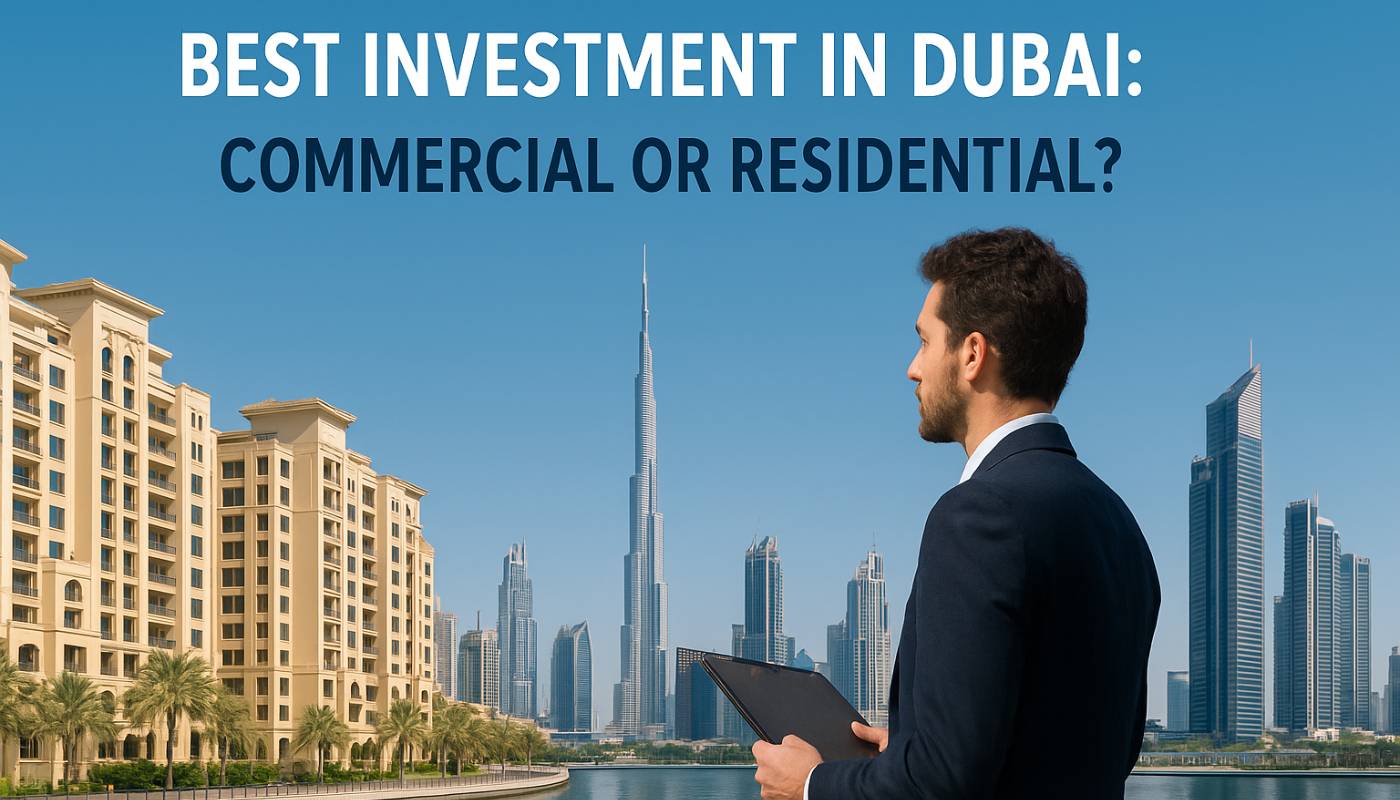
Best Investment in Dubai: Commercial or Residential for Higher Returns?

Best Investment in Dubai: Commercial or Residential for Higher Returns?

Dubai’s real estate sector has established itself as one of the most dynamic and lucrative property markets in the world. Known for its iconic skyline, world-class infrastructure, and investor-friendly policies, the city continues to attract both local and international buyers. Over the years, Dubai has transformed into a global hub for business, tourism, and lifestyle, making property investment here a highly appealing opportunity.

With increasing foreign investment, government initiatives like long-term residency visas, and consistent population growth driven by expatriates, Dubai has become a hotspot for real estate investments. Investors now face a crucial question: Should they invest in commercial or residential properties to maximize their returns?

Dubai has long been a magnet for international investors, offering a unique blend of stability, remarkable growth, and world-class infrastructure. From glittering skyscrapers to serene waterfront homes, the city presents a wide range of opportunities. But for those aiming to maximize their returns, a crucial question often arises: in the battle between commercial and residential properties, which investment truly provides the upper hand?

As a dynamic metropolis that consistently attracts global capital, Dubai continues to offer exceptional real estate investment opportunities in both sectors. However, the best choice for you ultimately depends on your financial objectives, risk tolerance, and long-term goals.

Understanding the Dubai Real Estate Market

Dubai has established itself as a leading real estate market globally over the past ten years. Its appeal is heightened by favorable tax laws, the absence of capital gains tax, and full foreign ownership in specific areas, making it a top choice for individuals and companies looking to invest.

While both residential and commercial properties offer strong investment potential, they cater to different objectives. Residential properties are generally more accessible and appeal to a larger pool of tenants, whereas commercial properties can provide greater rental yields and longer lease terms. However, commercial investments often come with higher initial costs and the risk of longer vacancies. The choice between them depends on your financial goals, comfort with risk, and investment timeline.

Dubai’s real estate market has witnessed steady growth in recent years, fueled by strong demand across both residential and commercial sectors. Following the global spotlight of Expo 2020, the city experienced a surge in population growth, tourism, and business activities. This has created rising demand for housing, especially among expatriates who make up the majority of Dubai’s residents. In parallel, the commercial property market has gained traction with the influx of multinational companies, start-ups, and entrepreneurs establishing a base in the emirate.

One of the biggest drivers behind this boom is Dubai’s investor-friendly regulatory framework. Initiatives such as the Golden Visa program, which grants long-term residency to investors, entrepreneurs, and professionals, have significantly increased foreign interest. Additionally, the government’s move to allow 100% foreign ownership of companies in most sectors has boosted confidence in commercial real estate. These policies ensure that Dubai remains an attractive and secure destination for global investors.

Another key factor that shapes returns on investment is the location and type of property. Prime residential areas like Downtown Dubai, Dubai Marina, and Palm Jumeirah consistently generate high rental yields due to their popularity among expatriates and tourists. Similarly, business hubs such as DIFC, Business Bay, and Dubai Silicon Oasis offer strong opportunities for commercial property investors seeking long-term rental stability. Choosing the right location and asset class is often the deciding factor between average and exceptional returns in Dubai’s property market.

At Luxury Spaces, we assist investors in navigating this choice by providing data-driven insights and customized strategies. Our goal is to help you achieve the highest possible return on your Dubai property investment.

Residential Investment in Dubai

Key Features

Residential properties remain the most popular choice for investors in Dubai, with apartments, villas, and townhouses dominating the market. These property types cater to a wide range of tenants, from young professionals to families seeking premium living experiences. Key residential hotspots include Downtown Dubai, Palm Jumeirah, Dubai Marina, and Business Bay, all of which are renowned for their luxury lifestyle offerings and proximity to business districts.

The residential market is largely driven by expatriate demand, as well as the growing popularity of short-term rentals through platforms like Airbnb. This dual demand—long-term and holiday rentals—makes residential real estate a versatile and attractive investment option.

Benefits of Residential Investment

  • High Rental Demand: With expatriates making up nearly 90% of Dubai’s population, there is a consistent need for rental housing.

  • Flexible Rental Options: Investors can choose between long-term leases for steady income or holiday homes for higher short-term returns.

  • Lower Entry Point: Compared to commercial properties, residential units typically require smaller initial capital, making them more accessible for first-time investors.

  • Financing Opportunities: Banks and developers often provide easier financing options, enabling investors to spread out payments.

Challenges

  • Service Charges: High maintenance and community service charges in luxury developments can eat into profits.

  • Market Fluctuations: Rental yields are closely tied to supply and demand cycles, which means oversupply in certain areas can reduce returns.

  • Tenant Turnover: Short-term rentals, while lucrative, may require more management effort to handle frequent tenant changes.

ROI Snapshot (as of Present Market)

The average residential rental yield in Dubai ranges between 5% and 8% annually, depending on the location and property type. Properties used as holiday homes or short-term rentals can often generate higher yields, sometimes reaching double digits in prime tourist destinations.

Commercial Investment in Dubai

Key Features

Commercial real estate in Dubai primarily includes offices, retail outlets, and warehouses, catering to the emirate’s thriving business ecosystem. Popular investment zones include Dubai International Financial Centre (DIFC), Business Bay, Jumeirah Lake Towers (JLT), and Dubai Silicon Oasis, which are known for their business-friendly environments and proximity to major commercial hubs.

Unlike residential, commercial properties are typically leased to corporate tenants under long-term agreements, providing investors with greater income stability. With Dubai’s position as a global trade and business hub, commercial real estate continues to attract multinational corporations, SMEs, and entrepreneurs.

Benefits of Commercial Investment

  • Stable Income: Longer lease agreements (3–10 years) provide predictable cash flow compared to shorter residential leases.

  • Reduced Landlord Responsibility: Tenants often handle fit-outs, utilities, and maintenance, lowering ongoing costs for investors.

  • Growing Business Demand: The rise of free zones, fintech hubs, and global company expansions has fueled demand for office spaces and retail outlets.

  • Higher Rental Yields: Commercial properties generally offer stronger rental returns than residential units, especially in prime areas.

Challenges

  • Higher Entry Costs: Commercial properties typically require larger upfront capital compared to residential investments.

  • Vacancy Risks: Finding suitable tenants may take longer, and extended vacancy periods can affect overall profitability.

  • Market Sensitivity: Commercial demand is closely tied to economic performance and business activity, which may fluctuate.

ROI Snapshot (as of Present Market)

Currently, commercial properties in Dubai deliver an average ROI between 6% and 9% annually, with premium zones such as DIFC or prime retail spaces potentially offering even higher returns. While the entry costs are higher, the combination of long-term leases and reduced maintenance responsibilities makes commercial real estate a strong contender for investors seeking sustainable, long-term gains.

Commercial vs. Residential: Comparison

Which Investment is Better in 2025?

The answer to whether commercial or residential investment is better in 2025 depends largely on your investment goals and risk appetite.

  • If your priority is steady cash flow and flexibility, residential properties remain the safer choice. They offer consistent rental demand, lower entry barriers, and multiple leasing options, from long-term contracts to short-term holiday rentals.

  • If you are seeking long-term stability and higher yields, commercial real estate is more attractive. Longer leases with corporate tenants ensure reliable income, and properties in prime business hubs can deliver strong rental yields.

Investor Profile Insight:

  • First-time investors may find residential investments more accessible due to lower costs and easier financing options.

  • Experienced or institutional investors with larger capital reserves may benefit more from commercial assets, as they provide higher long-term profitability and reduced landlord involvement.

Expert Tips for Investors

To maximize returns and minimize risks in Dubai’s real estate market, consider the following strategies:

  • Research Community Trends: Study the demand patterns, rental yields, and occupancy rates in your target area before investing.

  • Diversify Your Portfolio: A balanced mix of both residential and commercial assets helps spread risk and ensures stable returns.

  • Track Upcoming Developments: Mega projects such as Dubai Creek Harbour and Expo City Dubai are likely to push property values higher in surrounding areas.

  • Leverage Professional Guidance: Partnering with a trusted real estate consultant or brokerage can provide you with accurate ROI forecasts and access to high-potential projects.

Conclusion

Both commercial and residential properties in Dubai present lucrative opportunities for investors in 2025. Residential investments are generally safer, more accessible, and flexible, making them ideal for those seeking consistent cash flow. On the other hand, commercial investments often deliver higher ROI potential and long-term stability, particularly for seasoned investors who can manage higher entry costs.

Ultimately, the better investment choice depends on your budget, risk tolerance, and long-term goals. By aligning your strategy with Dubai’s evolving market trends and leveraging expert advice, you can position yourself to achieve sustainable and rewarding returns in this thriving real estate market.

FAQs: Commercial vs. Residential Investment in Dubai

Q1. Which investment gives better returns in Dubai – commercial or residential?
Both offer strong returns, but commercial properties generally deliver higher ROI (6–9%) compared to residential (5–8%). However, residential investments offer easier entry and greater liquidity, while commercial is better for long-term stability.

Q2. Is residential real estate in Dubai a good investment in 2025?
Yes. With a growing expat population and rising demand for holiday homes, residential properties remain a solid investment in 2025. Areas like Downtown Dubai, Palm Jumeirah, and Dubai Marina continue to attract tenants and tourists.

Q3. Why invest in commercial property in Dubai?
Commercial investments provide longer leases, higher yields, and fewer maintenance responsibilities. Corporate tenants often sign contracts ranging from 3–10 years, ensuring stable income for investors.

Q4. What is the average ROI for residential properties in Dubai?
The average ROI for residential properties ranges between 5% and 8% annually, with holiday homes and short-term rentals in tourist hotspots generating even higher yields.

Q5. What is the average ROI for commercial properties in Dubai?
Commercial properties currently offer 6–9% annual ROI, with premium business hubs like DIFC or Business Bay achieving even higher returns.

Q6. Which is safer for first-time investors: commercial or residential?
For beginners, residential properties are safer due to lower entry costs, easier financing, and stronger liquidity. Commercial properties require more capital and longer holding periods.

Q7. What factors affect ROI in Dubai real estate?
Key factors include:

  • Location of the property (prime vs. developing areas).

  • Type of property (residential vs. commercial).

  • Market demand from tenants and businesses.

  • Government initiatives and upcoming infrastructure projects.

Q8. Can foreigners invest in Dubai’s real estate market?
Yes. Dubai allows 100% foreign ownership in designated freehold areas, and investors can also benefit from the Golden Visa program, which grants long-term residency for eligible property buyers.

CategoriesBlog

Most Expensive Places to Live in Dubai 2025: Top 14 Luxury Areas

Most Expensive Places to Live in Dubai 2025: Top 14 Luxury Areas

Dubai has become the true symbol of sophistication and grandeur, attracting both local and international investors. Famous for its breathtaking skyscrapers, world-class attractions, and lavish lifestyle, the city continues to strengthen its reputation as one of the world’s leading luxury capitals. Offering a blend of modern living, elegance, and futuristic vision, Dubai is home to some of the most exclusive residential communities—from waterfront villas in Palm Jumeirah to ultra-modern penthouses and high-rise apartments in Downtown Dubai and Dubai Marina.

This vibrant city welcomes everyone—whether you’re moving for career opportunities, business ventures, or to embrace a luxurious way of life. Dubai offers a mix of budget-friendly, mid-range, and high-end residential areas to suit every preference. But if you are an affluent buyer or investor searching for the most prestigious and expensive neighborhoods in Dubai, this guide is for you.

Dubai’s Most Expensive Residential Areas

1. Emirates Hills

Developed by Emaar Properties, Emirates Hills is widely recognized as one of Dubai’s most prestigious villa communities. Often referred to as the “Beverly Hills of Dubai,” this gated neighborhood stands out as the epitome of luxury living. Situated near The Meadows, The Springs, and The Lakes, Emirates Hills provides residents with seamless connectivity to the city’s prime locations.

The community has been carefully master-planned to offer residents a premium lifestyle within a peaceful and private environment. From fine-dining venues and entertainment hubs to shopping centers and family-friendly play zones, everything is within easy reach. Emirates Hills also boasts lush greenery, stunning landscaped gardens, and the renowned Emirates Golf Club.

The villas here are spacious and designed with elegance, featuring private pools, expansive interiors, and world-class security systems. This makes Emirates Hills a top choice for high-net-worth investors and luxury homebuyers seeking exclusivity and comfort.

  • Average rental price: AED 2,550,000 for a 5-bedroom villa; AED 3,100,000 for a 6-bedroom villa

  • Property price range: AED 45,000,000 to AED 205,000,000 for 5–6 bedroom villas

2. Palm Jumeirah

Palm Jumeirah stands as one of Dubai’s most desirable destinations for those seeking an elite lifestyle. Shaped like a palm tree, this architectural marvel is the largest man-made island in the world. It is celebrated for its opulent residential units and a collection of world-class hotels, including Atlantis The Palm, Waldorf Astoria, and FIVE Palm Jumeirah. Due to its status as a pinnacle of luxury, superior amenities, and exceptional living standards, it consistently ranks among the most expensive and prestigious areas in the city.

This iconic island is a symbol of grandeur, sophistication, and affluence. Every detail of the community is designed to appeal to discerning investors and luxury homebuyers. The development consists of 16 “fronds,” each featuring a collection of exquisite properties. For those in search of luxury real estate, whether it’s an apartment, a penthouse, or a waterfront villa, Palm Jumeirah offers unparalleled options. Furthermore, with an average rental yield ranging from 6% to 8%, this community is an excellent choice for investors aiming for a stable and profitable rental income.

Below you will find the average property prices in Palm Jumeirah:

3. Downtown Dubai

Downtown Dubai is a highly coveted and affluent district within the Emirate, distinguished by its cutting-edge infrastructure, premier amenities, and a lifestyle of sheer luxury. This area is home to iconic landmarks such as the Dubai Fountain, Dubai Opera, and the globally recognized Dubai Mall. Residents have the unique privilege of enjoying panoramic 360-degree views of the city from the world’s tallest building, the Burj Khalifa. Its prime location further contributes to its immense value and allure.

This vibrant community appeals to a diverse range of individuals, including entrepreneurs, business professionals, families, and those with a taste for luxury. Developed by Emaar Properties, Downtown Dubai is a prestigious neighborhood in Dubai, offering numerous luxury real estate investment opportunities. The increasing interest from international investors, coupled with its central location, seamless connectivity, high quality of life, and dynamic atmosphere, is consistently driving up property values and demand for high-end real estate. A significant return on investment, typically between 6% and 8%, further fuels this strong demand.

4. Dubai Marina

When discussing luxury properties in Dubai, Dubai Marina is an essential consideration. As one of the city’s most sought-after locations, it provides a waterfront lifestyle that seamlessly blends urban luxury with tranquility. Residents and visitors alike can fully immerse themselves in comfort, sophistication, and peace. The upscale living environments and a significant real estate investment return of 7-8% contribute to its popularity as a top-tier neighborhood.

With a wealth of amenities, an excellent location, easy access to other popular districts, and a wide variety of dining choices, Dubai Marina is a highly desirable place to live in Dubai. Its status as a freehold area is particularly appealing to expatriates and international investors, allowing them to own property in a prestigious part of Dubai and driving up the demand for high-end homes.

This community features a stunning collection of studio apartments, along with beautifully crafted villas and townhouses, which attract a discerning clientele of ultra-high-net-worth individuals. From their lavish, high-rise apartments, residents can enjoy captivating vistas of the Marina and the Arabian Gulf.

A studio apartment in Dubai Marina typically costs around AED 1,200,000, while a two-bedroom luxury apartment is priced at approximately AED 2,200,000. A three-bedroom villa is generally available for about AED 6,242,000. Invest in luxury real estate in Dubai Marina to gain access to an array of modern amenities, embrace an extraordinary lifestyle, and build lasting memories.

5. Emaar Beachfront

Developed by Emaar Properties, the Emaar Beachfront is a highly anticipated gated community in Dubai, spanning over 10 million square feet. Situated in the center of Dubai Harbour, it provides easy access to Sheikh Zayed Road, making it an excellent choice for anyone looking for luxurious waterfront properties in the city. The masterfully planned community features 27 buildings with a wide selection of stunning apartments for sale.

This area is recognized as an exclusive destination, thanks to its exceptional location, which is close to both Palm Jumeirah and Dubai Marina. Its superb connectivity, along with its high-end residential towers and direct private beach access, makes it particularly desirable. The community’s appeal is further enhanced by its state-of-the-art amenities and a sophisticated lifestyle, attracting both luxury buyers and families to invest in Dubai’s real estate market. The available properties at Emaar Beachfront include modern apartments, lavish penthouses, and beautifully designed villas.

Property prices at Emaar Beachfront are as follows:

6. Bluewaters Island

Bluewaters Island represents the pinnacle of luxury real estate in Dubai. This exclusive, man-made island by Meraas Holding is a top choice for high-net-worth investors, located directly off the coast of Jumeirah Beach Residences. It is widely considered an exceptional place for an upscale lifestyle.

The island, famous for Ain Dubai (the world’s largest Ferris wheel), is home to high-end villas, apartments, and mansions. Properties here feature state-of-the-art amenities and offer a world-class living environment. Recognized as one of Dubai’s most expensive communities, Bluewaters Island is a perfect example of sophistication and unique design.

In addition to its luxurious homes, the area provides residents with a variety of upscale malls, restaurants, and cafes, many offering panoramic coastal views.

Current average property prices are as follows:

  • 1-Bedroom Apartment: Average asking price of AED 3,800,000.

  • 2-Bedroom Apartment: Approximately AED 7,200,000.

  • 3-Bedroom Apartment: Approximately AED 9,500,000.

Don’t miss the opportunity to buy a property in this prestigious development. Give your family the modern, elegant lifestyle they deserve. Contact us today to secure your new home in Bluewaters Island.

7. City Walk

City Walk, a prestigious development by Meraas Properties, is a prime destination located near Downtown Dubai. Designed to cater to high-net-worth individuals and the elite, its luxury real estate offers a sophisticated and elegant lifestyle. This community is thoughtfully crafted to meet the modern demands of residents, providing exceptional facilities and a perfect living environment.

Strategically positioned near Sheikh Zayed Road (E11), City Walk is just a short drive from Downtown Dubai and Jumeirah Beach. Its outstanding location and easy access make it a highly desirable choice, allowing residents a seamless daily commute. With its world-class residences, premium amenities, fine dining, entertainment venues, and high return on investment, City Walk is a compelling option for both discerning investors and those seeking a luxury-focused lifestyle.

The community features exquisite apartments and penthouses with stunning views of the Burj Khalifa and the iconic Dubai skyline. Property prices begin at approximately AED 2,200,000 for a 1-bedroom apartment, with 2- and 3-bedroom units starting at around AED 3,000,000 and AED 5,300,000, respectively. Whether you’re looking to buy or rent, an apartment in City Walk offers the pleasure of an unparalleled lifestyle.

8. Mohammed Bin Rashid City

Situated alongside Al Khail Road (E44), Mohammed Bin Rashid City (MBR City) is a prominent freehold, mixed-use community. This world-class development provides easy connectivity to major areas like Business Bay, Downtown Dubai, Al Quoz, and the Dubai Design District. MBR City is celebrated for its luxurious residential options, including high-end apartments, villas, and grand mansions.

With its cutting-edge projects, premium amenities, and a host of attractions, this community is a magnet for affluent investors and individuals seeking a high-end lifestyle. MBR City showcases a collection of sophisticated properties, from stylish villas to contemporary apartments and expansive townhouses, all designed with a focus on modern elegance. Secure your elegant and exclusive property here to experience the perfect fusion of luxury and comfort you’ve always envisioned.

Below is an overview of the property prices in MBR City:

9. Jumeirah Golf Estates

Jumeirah Golf Estates stands as a premier residential destination in Dubai. This sought-after freehold community, located conveniently along Sheikh Mohammed Bin Zayed Road (E311), is a modern and sophisticated enclave featuring an impressive collection of villas, apartments, and luxury townhouses. At its heart are two world-renowned championship golf courses, Earth and Fire, cementing its reputation as one of Dubai’s finest golf-centric communities.

Jumeirah Golf Estates is designed to attract those who seek the highest standards of luxury. Its central location and exceptional amenities, from top-tier golf to a serene, sustainable environment, make it an attractive proposition for both elite investors and luxury connoisseurs. The captivating views of the manicured fairways and glistening lakes, along with the community’s commitment to lush green spaces, are a significant draw for potential buyers. With every element meticulously designed to create a work of art, this community offers a unique blend of glamour and tranquility. If your goal is to make a smart investment and live a life of splendor in Dubai, acquiring a property in Jumeirah Golf Estates is a decision you will value.

Apartments for sale within Jumeirah Golf Estates generally range from AED 1,400,000 to AED 7,100,000, while villas are priced from approximately AED 4,000,000 to AED 24,000,000. This is your chance to live in a destination that perfectly balances modern sophistication with peaceful, affluent living.

10. Jumeirah Beach Residence

In the heart of Dubai Marina lies Jumeirah Beach Residence (JBR), a destination that offers the ultimate in leisure and luxury. This sprawling 1.7 km-long, freehold waterfront community is one of Dubai’s most sought-after locations, attracting discerning investors and homebuyers alike.

JBR is a family-friendly neighborhood that features iconic landmarks like the world’s largest observation wheel, Ain Dubai, as well as the bustling promenades of The Walk and The Beach. The community is also connected to the exclusive Bluewaters Island by a pedestrian bridge. With 40 towers—35 residential and 5 hotels—Jumeirah Beach Residence is famous for its breathtaking coastal views and easy access to world-class amenities, including upscale dining and retail centers. Living here is a beautiful experience, as every aspect of this development embodies luxury and sophistication.

Buy property in this self-contained community and begin a new yet satisfactory journey! Based on your specific needs and requirements, you can buy or rent a property in JBR. So, it is time to realize your dream and experience the utmost grandiosity, perfection, and elegance! Let yourself and your family live an inspiring lifestyle.

11. Umm Suqeim

Umm Suqeim is a highly sought-after residential community located along the stunning Jumeirah Beach coastline. Known for its immaculate beaches and dynamic atmosphere, the area is organized into three distinct sub-communities: Umm Suqeim 1, Umm Suqeim 2, and Umm Suqeim 3. The property offerings here include a mix of luxurious villas, apartments, and penthouses for sale, providing excellent investment opportunities for both residential and commercial real estate buyers.

This family-friendly community redefines sophisticated living. It’s home to some of the most expensive waterfront properties and offers easy access to Kite Beach. With its prime location close to the world-famous Burj Al Arab and Burj Khalifa, along with its top-tier amenities and elegant way of life, it’s considered a premium address in Dubai. The community’s diverse range of entertainment and leisure facilities makes it even more appealing to those looking to buy property.

Expect to pay around AED 2,400,000 for a one-bedroom apartment and AED 3,500,000 for a two-bedroom apartment in this area. A four-bedroom villa in Umm Suqeim is priced at approximately AED 12,000,000.

Investing in this community is a clever move, regardless of whether you’re looking for a dream home or a profitable investment. You can enjoy a high-end lifestyle while also generating impressive rental income.

12. Arabian Ranches

Arabian Ranches, a signature Emaar Properties community, offers a luxurious and prestigious lifestyle in Dubai. Known as “The Ranch,” this master-planned development is a perfect blend of luxury and traditional charm, designed to enhance the living standards of its residents.

For those seeking a private, elegant lifestyle within a gated community, Arabian Ranches is the premier destination. It features expansive townhouses and sophisticated villas that appeal to high-net-worth individuals and families. The community is structured into three phases: Arabian Ranches 1, 2, and 3. With its top-tier amenities, parks, tree-lined streets, and picturesque lakes, it is recognized as one of Dubai’s most exclusive residential areas.

Find your ideal home here. You can purchase a villa for private, amenity-rich living, with prices ranging from AED 3,000,000 to AED 98,235,000. Or, if you prefer a community-focused lifestyle, a townhouse is available from AED 2,550,000 to AED 6,800,000. Choose your perfect property in Arabian Ranches and start living your dream.

13. Palm Jebel Ali

Prepare to be amazed by Palm Jebel Ali, a colossal development that is double the size of its famous counterpart, Palm Jumeirah. This 13.4 sq. km. project features seven connected islands and is set to introduce a new era of ultra-luxurious living. Getting there is a breeze, with easy access directly from Sheikh Zayed Road (E11). The community is designed for ultimate privacy and peace, offering residents large plots of land, beautifully landscaped gardens, and a family-friendly environment, all complemented by top-tier amenities. You’ll find a wide selection of homes here, from sprawling villas to chic townhouses and modern apartments.

For those seeking a premier property in Dubai, Palm Jebel Ali presents an exceptional investment case. Its diverse portfolio of residential options allows both investors and future homeowners to select the most suitable property for their needs. With its strategic location, superb connectivity, proximity to exclusive marinas, and a lifestyle that balances tranquility with luxury, it is widely considered a top choice for real estate investment.

Explore the possibility of buying or renting an apartment or villa in Palm Jebel Ali and step into a world of peaceful living and stunning vistas. As an owner, you can also benefit from a steady stream of rental income. Currently, villas are priced between AED 17,740,000 and AED 55,000,000.

14. Dubai Islands

Nakheel Properties’ master-planned Dubai Islands development is an impressive archipelago of five interconnected islands: Central, Marina, Shore, Golf, and Elite. Located off the coast of Deira in northern Dubai, the 17 sq. km development offers a premium lifestyle defined by world-class resorts and high-end residential options. The community seamlessly blends modern sophistication with natural beauty, boasting a stunning coastline, lush green areas, and picturesque walkways.

The properties on Dubai Islands are a testament to luxury and style. The development features a range of residential units, from well-appointed apartments and townhouses to spacious villas and penthouses. This waterfront destination stands out for its state-of-the-art amenities, direct beach access, exclusivity, and quality finishes, making it a highly sought-after community in Dubai.

Whether you’re looking to buy or rent, a property on Dubai Islands is an opportunity to enjoy a remarkable living experience. The average price for a villa in this community falls between AED 4,099,000 and AED 52,000,000. For apartments, including penthouses, the average price ranges from AED 920,000 to AED 29,000,000. If you desire a peaceful and refined lifestyle, Dubai Islands is a premier choice for your next home.

Conclusion

Luxury, innovation, and exclusivity are the hallmarks of Dubai’s most desirable communities. The city is constantly evolving, driven by technological progress and a commitment to modern design. Dubai has cemented its status as a global leader in luxurious living, offering an exceptional quality of life with first-rate amenities and comfort. Its world-class infrastructure and lavish properties—which often feature private pools, smart home systems, expansive rooms, and designer aesthetics—give the city its unique and sophisticated appeal. To acquire your piece of Dubai’s high-end lifestyle, explore sought-after communities like Emirates Hills, Emaar Beachfront, Palm Jumeirah, Dubai Marina, Downtown Dubai, and Bluewaters Island.

Luxury Spaces: Expert Help for Buying Property in Dubai

Luxury Spaces is a leading real estate agency in Dubai, specializing in property sales, purchases, and rentals. Whether you’re a seasoned investor or a first-time homebuyer, you can rely on the expert guidance of Kelt and Co Realty. Our team has a deep understanding of the Dubai real estate market and will help you find the most suitable investment opportunities to match your specific goals.

Frequently Asked Questions (FAQs)

Q1. Which is the most expensive area to buy property in Dubai?
Palm Jumeirah, Emirates Hills, and Jumeirah Bay Island are considered the most expensive due to their exclusivity, waterfront views, and luxury lifestyle.

Q2. What is the average price per square foot in Dubai’s luxury areas?
Prices range from AED 2,000 to AED 7,000+ per sq. ft., depending on the location, property type, and view.

Q3. Is buying property in Dubai’s luxury areas a good investment?
Yes. Premium areas offer high rental yields, long-term appreciation, and strong international demand. They are especially attractive for investors looking at ROI and capital gains.

Q4. Can foreigners buy property in Dubai’s most expensive areas?
Yes. Most luxury communities like Palm Jumeirah, Downtown Dubai, and Dubai Marina fall under freehold zones, where foreigners can buy and own property.

Q5. Which luxury area is best for families in Dubai?
Emirates Hills, Dubai Hills Estate, and Al Barari are top picks for families due to spacious villas, greenery, and family-friendly amenities.

Q6. What makes Dubai’s luxury areas so expensive?
Factors include location, exclusivity, proximity to landmarks, world-class amenities, waterfront or golf access, and strong international demand.

Q7. Are off-plan properties available in expensive areas?
Yes. Developments in Dubai Hills Estate, Bluewaters Island, and Port de La Mer still have off-plan options, offering flexible payment plans.

Q8. What are the best rental yields in Dubai’s luxury areas?
Dubai Marina, Downtown Dubai, and JBR often provide higher rental yields due to strong tenant demand, especially from professionals and tourists.

CategoriesBlog

Complete Guide for Indians to Invest in Dubai Real Estate

Complete Guide for Indians to Invest in Dubai Real Estate

Introduction

Dubai has emerged as one of the most attractive real estate investment destinations in the world, especially for Indian investors. Its strategic location, tax-free policies, world-class infrastructure, and high rental yields make it a preferred choice for those looking to expand their property portfolio beyond India.

For Indians, investing in Dubai offers a wide range of opportunities—from luxury apartments in Downtown Dubai and Palm Jumeirah to affordable yet high-growth areas like Jumeirah Village Circle. The city’s strong demand for residential, commercial, and holiday home properties ensures that investors can choose options aligned with their financial goals.

Cross-border property investment in Dubai also comes with added advantages such as secure legal frameworks, transparency in property transactions, and the potential for long-term appreciation. Additionally, Indian investors benefit from easy connectivity, cultural similarities, and strong bilateral relations between India and the UAE.

Demand from India’s Tier 2 and Tier 3 cities is driving a new wave of investors toward Dubai, especially as they face stricter regulations at home. This shift is highlighted by the ₹3,173 crore ($389 million) Indians remitted to Dubai in FY2024, a 17% increase.

Dubai’s appeal is undeniable, thanks to its high returns, favorable tax structure, and transparent legal framework. The challenge, however, is knowing how to make a property purchase from India that is not only profitable but also legal and hassle-free. This guide will show you how.

This is the go-to resource for Indian investors looking to buy property in Dubai in 2025, complete with expert advice, a breakdown of current regulations, and a clear process to follow.

Why More Indians Are Investing in Dubai Real Estate

Indian High-Net-Worth Individuals (HNWIs) and Non-resident Indians (NRIs) are increasingly turning their attention to international property markets, with Dubai emerging as the top destination for their real estate investments.

Key Advantages of Investment Property in Dubai

The city of Dubai has evolved into a sophisticated global investment hub. It provides foreign nationals with full freehold ownership, robust legal protections under RERA regulations, and access to top-tier property developers. This isn’t just a sound financial choice; it’s a strategic move for serious investors.

Tax Benefits and High ROI in Real Estate Investment

One of the most significant benefits is the tax-efficient environment. Dubai has no capital gains tax or property tax, which allows your investment to work harder for you. Furthermore, the rental yields in prime Dubai locations can range from 6% to 11%, a substantial difference when compared to the 2% to 4% typically seen in India. When you factor in India’s 18% to 24% capital gains tax versus Dubai’s zero, the impressive return on investment (ROI) in Dubai becomes a clear reason for the surge in cross-border capital flow. Additionally, the India-UAE Double Tax Avoidance Agreement prevents investors from being taxed twice on their business income.

Golden Visa scheme details

For those looking for long-term residency, a real estate purchase in the UAE can provide two distinct paths to securing a Golden Visa.

  • A substantial property investment of at least AED 2 million qualifies you for a 10-year Golden Visa, which also extends to your family.

  • To secure a 2-year investor visa, you can invest at least AED 750,000 in a property, or AED 1 million if it is a shared investment.

A key benefit of the Golden Visa is that it remains active even if the visa holder and their family spend more than six months outside the UAE.

International Yield Comparison: Where to Invest for Higher ROI

Dubai is a standout in the global real estate market, consistently outperforming major cities like London, New York, and Hong Kong, where returns often remain below 4%. According to a June 2025 report from Property Monitor, Dubai’s real estate sector has seen an impressive overall increase of 6.9%. This growth is particularly strong in the apartment market, which experienced a 7.3% surge in interest, while villas also saw a healthy rise of 5%.

For the second quarter of 2025, the UAE’s average gross rental yield stands at 4.87%. This represents a solid increase, building on the strong performance noted in 2024, when data from Bayut/Dubizzle showed rental yields ranging from 5% to 9%, depending on the property’s location and type.

Remittance and Financial Regulations

Emirates NBD’s DirectRemit service has introduced a new fee of AED 26.25 for each international transfer. However, it’s worth noting that transfers to India, the UK, Pakistan, Sri Lanka, the Philippines, and Egypt are still being offered free of charge. In a broader regulatory context, financial institutions in the UAE, including banks and currency exchanges, are required to report any cash transactions exceeding AED 55,000.

While the UAE offers free remittance options for sending funds to India, it’s important for investors to be aware that the reverse process—transferring money from India to Dubai—is governed by the fees and regulations outlined in the Liberalised Remittance Scheme (LRS) under India’s Foreign Exchange Management Act (FEMA).

Why the UAE’s Political and Economic Stability Attracts Global Investors

In a global landscape where many emerging markets face volatility, the UAE stands out for its diverse and stable economy. The country’s leadership continues to invest heavily in key sectors like infrastructure, technology, and housing, which provides investors with a high degree of predictability and consistent returns. For Indian investors in particular, this stability offers a crucial layer of confidence.

Is It Legal for Indians to Invest in Dubai Real Estate?

Yes, it’s crucial for investors to understand the specific technical conditions and regulatory requirements. The transfer of funds is subject to government oversight, so a clear understanding of these rules is essential for a smooth process.

UAE Property Ownership: The Ultimate Guide for Foreign Nationals

In Dubai, Indian nationals are legally permitted to acquire freehold properties. Key areas with freehold zones include sought-after locations like Dubai Marina, Downtown Dubai, and Business Bay. When you purchase a property in these designated areas, you gain full ownership, and your rights as a foreign buyer are legally safeguarded by Dubai’s established real estate regulations.

Indian Government FEMA Guidelines

The Indian government’s Foreign Exchange Management Act (FEMA) includes a provision called the Liberalised Remittance Scheme (LRS). This scheme allows Indian citizens to transfer up to USD 250,000 annually to buy property in other countries, including residential real estate in Dubai.

Property Financing Options & Interest Rates

As a non-resident, you can secure a home loan to finance 50% to 60% of the property’s value, with a potential total loan amount of up to AED 25 million. For specific rates, as of July 3, 2025, Standard Chartered’s EIBOR-linked loan rates are between 4.15-4.30% for a 3-12 month term and 4.02% for a 24-month term. Meanwhile, RAK BANK requires a minimum down payment of 20% for properties valued under AED 5 million and 30% for those above that amount.

Benefits of Investing in Dubai Real Estate for Indians

Dubai has become a preferred destination for Indian property buyers due to its strong returns, investor-friendly regulations, and global appeal. Here are the major benefits that make Dubai real estate an attractive choice:

1. High Rental Yields

One of the biggest advantages is the high rental income. While Indian metropolitan cities usually offer yields of 2–4%, Dubai provides 6%–10% annual rental returns, making it one of the most profitable property markets globally.

2. Secure and Transparent Market

Dubai’s real estate sector is regulated by the Dubai Land Department (DLD) and the Real Estate Regulatory Agency (RERA). These authorities ensure transparency, protect investor rights, and maintain fair practices—giving Indians peace of mind when investing.

3. Residency Benefits

Investors who purchase property worth AED 2 million or more are eligible for the Dubai Golden Visa, which allows long-term residency. This is especially attractive for Indians looking for business opportunities, relocation, or a second home abroad.

4. Diversification of Wealth

Investing in Dubai property enables Indians to diversify their portfolios beyond the domestic market. With Dubai’s stable economy, global connectivity, and growing demand for housing, it provides a secure way to safeguard and grow wealth internationally.

Risks and Challenges of Investing in Dubai Real Estate

While Dubai real estate offers attractive returns and growth opportunities, Indian investors should also be aware of the possible risks and challenges before making a purchase. Understanding these factors ensures smarter decision-making and long-term success.

1. Market Fluctuations

Dubai’s property market, like any global market, is influenced by the international economy, oil prices, and tourism trends. Prices may rise or fall depending on demand, making it important to invest with a long-term perspective rather than expecting quick gains.

2. Service Charges and Maintenance Costs

Apartments and villas in Dubai come with annual service and maintenance charges for facilities such as security, pools, gyms, and landscaping. These costs can add up over time and affect overall returns if not budgeted properly.

3. Currency Exchange Risks

Since property purchases in Dubai are conducted in UAE Dirhams (AED), fluctuations in the INR-AED exchange rate can impact the actual investment cost for Indians. A weaker rupee could increase expenses, while a stronger rupee could reduce costs.

4. Legal and Regulatory Compliance

Dubai has strict property laws regulated by DLD and RERA. Without proper legal guidance, investors risk facing delays, penalties, or disputes. Working with RERA-approved brokers and developers is essential to avoid compliance issues.

Tips for Successful Investment in Dubai Real Estate

Investing in Dubai’s property market can be highly rewarding if done with the right approach. To maximize returns and minimize risks, Indian investors should keep the following tips in mind:

1. Research Developers and Projects Thoroughly

Always check the reputation and track record of the developer before investing. Established developers with a proven history of delivering quality projects on time offer more security compared to lesser-known names.

2. Prefer Freehold Zones for Long-Term Ownership

Foreigners, including Indians, can only buy properties in designated freehold areas. Investing in these zones provides full ownership rights and greater flexibility for resale or rental purposes.

3. Evaluate Off-Plan Projects Carefully

Off-plan properties (under construction) often come with flexible payment plans and lower entry prices. However, it’s important to ensure that the project is RERA-approved and developed by a reliable company to avoid delays or risks.

4. Use Only RERA-Approved Brokers and Developers

To safeguard your investment, always work with RERA-registered agents and developers. This ensures legal protection, transparency, and compliance with Dubai’s property regulations.

5. Think Long-Term Rather Than Short-Term Gains

Dubai’s real estate market can experience short-term fluctuations. Instead of chasing quick profits, focus on long-term capital appreciation and stable rental yields, which provide sustainable returns over time.

Conclusion

Dubai real estate continues to stand out as one of the best investment destinations for Indians, offering a combination of high rental yields, a tax-free environment, and long-term growth potential. Whether your goal is to generate steady rental income, benefit from capital appreciation, or own a luxury holiday home, Dubai provides opportunities to suit every investor profile.

The most important factor is to invest strategically. Conduct thorough research, partner with trusted professionals, and ensure you understand the legal and financial aspects before making a purchase. With the right guidance and long-term vision, a property in Dubai can become not just an investment but also a gateway to global wealth diversification and lifestyle benefits.

CategoriesBlog

How to Invest in Off-Plan Property and Get the UAE Golden Visa

How to Invest in Off-Plan Property and Get the UAE Golden Visa

Introduction

The UAE real estate market has emerged as one of the most dynamic and resilient in the world, attracting investors from across the globe. With Dubai and Abu Dhabi leading the way, the sector continues to thrive on strong demand, government initiatives, and a growing international community.

One of the most attractive opportunities in this market is off-plan property investment. Buyers are increasingly drawn to these projects because of their flexible payment plans, competitive prices, and the potential for high returns once the development is completed. This trend has positioned off-plan properties as a preferred choice for both first-time buyers and seasoned investors.

Adding to the appeal is the UAE Golden Visa program, which allows property investors to secure long-term residency in the country. By meeting certain investment thresholds, buyers of qualifying off-plan properties can enjoy not only financial returns but also lifestyle and residency benefits for themselves and their families.

In today’s market, this combination of real estate investment and long-term residency has become a game-changer. For investors seeking stability, global mobility, and access to one of the world’s most vibrant economies, exploring off-plan properties and the Golden Visa is more relevant than ever.

Why Investing in Off-Plan Property is the Smart Route to UAE Golden Visa

The UAE’s Golden Visa offers a 10-year residency for real estate investors, a program that has been in place since 2019 for those who acquire property valued at AED 2 million or more (around $545,000).

Off-plan properties are a particularly attractive option for a Golden Visa, as they often yield impressive returns. Savvy investors who get in early can sometimes achieve double-digit gains on their purchase before the property is ready.

A recent policy change has simplified the Golden Visa process. The new regulations now consider only the total property value for eligibility, making the opportunity more accessible to investors who may not have a large initial payment available.

Investing in off-plan properties in Dubai can be a direct path to securing a UAE Golden Visa, a 10-year renewable residency permit. This is a strategic way to combine financial growth with long-term residency.

The general rule is that you must invest in a property, or a portfolio of properties, with a total value of at least AED 2 million. The key benefit of using off-plan projects is the flexibility they offer. You don’t have to pay the full amount upfront. Instead, you can follow a flexible payment plan while the property is being built.

UAE Golden Visa Property Requirements: Who is Eligible?

Introduced in 2019, the UAE Golden Visa is a long-term residency programme that offers qualified individuals a renewable 10-year visa. For property investors, eligibility is linked to specific real estate ownership conditions.

To qualify, applicants must meet one or more of the following criteria:

  • Own property or multiple properties with a combined value of at least AED 2 million.

  • Hold real estate that may be under a mortgage, provided valid documentation is submitted.

  • Invest in off-plan projects from government-approved developers.

  • Apply as joint owners (for example, spouses) whose combined property value meets the AED 2 million threshold.

In addition, successful Golden Visa holders are entitled to sponsor their immediate family members. This family-oriented benefit makes the programme especially appealing for investors planning to settle in the UAE with their loved ones.

Golden Visa UAE: Off-Plan vs Ready Property Investment Requirements

Minimum Property Value Needed for a Golden Visa Through Off-Plan Projects

To qualify for a UAE Golden Visa under the property investor category, you must own real estate worth at least AED 2 million (around USD 545,000). This threshold applies to both off-plan and ready properties, but there are some important details to keep in mind.

Key Differences Between Off-Plan and Ready Properties in the Golden Visa Process

  • Ready properties: Investors must provide official documentation from the Real Estate Registration Department in the respective emirate. This certificate confirms both the property’s ownership and its valuation.

  • Mortgaged properties: In addition to the registration documents, buyers are required to obtain a No Objection Certificate (NOC) from the financing bank. Notably, the government has removed the earlier condition of a minimum AED 1 million down payment, making the process more accessible to investors.

  • Off-plan properties: Buying directly from an approved developer is also acceptable for the Golden Visa. As long as your investment totals AED 2 million or more and all required paperwork is submitted, off-plan purchases are fully eligible.

Off-Plan Property and Its Importance for Golden Visa Qualification

Investing in off-plan property has emerged as one of the most attractive routes to securing UAE residency through the Golden Visa program. These properties not only open doors to long-term residency but also provide international investors with excellent opportunities for high returns on investment.

Understanding Off-Plan Property in the UAE

An off-plan property is real estate that is purchased before construction is finished—or in some cases, even before the groundwork begins. Instead of viewing a completed unit, buyers rely on design layouts, architectural blueprints, and developer plans to make their decision. This early-stage investment allows buyers to secure properties at competitive prices directly from developers.

On the other hand, ready property refers to homes or apartments that are fully built, furnished, and available for immediate use or rental, offering a faster move-in option compared to off-plan projects.

How to Qualify for a Golden Visa with Off-Plan Properties in Dubai & UAE

Investing in off-plan properties has become a popular choice among investors due to several strong advantages that make it a smart and rewarding option.

  • Competitive Pricing: Off-plan units are usually priced lower than ready properties, giving buyers the chance to enter the market at more affordable rates.

  • Flexible Payment Plans: Leading developers in the UAE provide investor-friendly structures such as the 80/20 model (where 80% is paid during construction and the remaining 20% at handover) along with extended post-handover plans that can stretch up to 2–4 years.

  • High ROI Potential: One of the most attractive aspects of off-plan investments is the potential for significant capital appreciation. Many properties see a sharp increase in value by the time they are completed, with some investors earning double-digit returns even before handover.

UAE Golden Visa 2025: New Off-Plan Property Rules Explained

The UAE government has recently made significant changes to the real estate Golden Visa, making it easier for a broader range of foreign investors to qualify through off-plan property purchases.

New Update: Get UAE Residency with Off-Plan Property Investment Without Minimum Down Payment

The latest policy change has completely removed the minimum down payment condition.

Now, investors seeking UAE residency through off-plan property investments are not required to meet any fixed upfront payment. Instead, eligibility is determined solely by the total property value, offering buyers greater freedom to structure their payment plans as they choose.

Eligibility Criteria for Mortgaged & Under-Construction Properties in Dubai

Mortgaged real estate is now fully eligible for the Golden Visa under off-plan investment programs. This change is a game-changer for investors who prefer financing options instead of paying the full amount upfront. Additionally, under-construction properties that meet specific development milestones are also considered valid, allowing buyers to secure residency benefits much earlier—without waiting for the project’s final handover.

How Investors Can Combine Multiple Properties to Qualify for the AED 2M UAE Golden Visa

Can investors combine off-plan properties to qualify for the Golden Visa?
Yes — investors are now allowed to combine the value of multiple off-plan properties to reach the AED 2 million minimum investment required for the UAE Golden Visa. This option is particularly beneficial for those who prefer spreading their investment across several smaller units instead of allocating the entire amount to a single property.

Is property completion necessary before applying for the Golden Visa?
No, the property does not need to be fully completed. Investors can apply for the UAE Golden Visa through off-plan property purchases, even if the project is still under development.

UAE Golden Visa 2025: New Rules for Off-Plan Property Investment, Co-Ownership & Family Sponsorship

The UAE has simplified its Golden Visa regulations for property buyers, making it easier for co-owners such as spouses, relatives, or business partners to qualify together. As long as their combined property investment meets the required threshold, they can now apply collectively under the new rules.

In addition, property investors can sponsor their immediate family members with greater ease. The updated process offers quicker approvals, streamlined documentation, and reduced paperwork for dependents.

These updates strengthen the UAE’s appeal as a global investment hub, offering both strong real estate returns and long-term residency benefits for international investors.

Complete Guide: Applying for a UAE Golden Visa via Off-Plan Property Purchase

Careful preparation and proper paperwork are essential for obtaining a Golden Visa through an off-plan property investment. The exciting part? You can gain a long-term residency permit while your new property is still under construction.”

Step-by-step application process

Begin with a Trusted Developer: Your journey should start by selecting a reliable developer with a proven history in Dubai’s real estate market.

Secure Your Property with an SPA: After finalizing your off-plan unit, the next step is signing a Sales and Purchase Agreement (SPA). This document outlines the payment plan, construction milestones, and expected handover schedule.

Fast-Track Your Golden Visa: One of the biggest benefits of investing in off-plan property is that you don’t need to wait until the project is fully paid for or completed. As soon as you make the initial payment, you can apply for your visa. If all documents are submitted accurately, the approval process usually takes two to four weeks.

Required Documents and Approvals for Off-Plan Property Golden Visa

To apply for a Golden Visa through off-plan property investment, you’ll need to provide the following documents and approvals:

  • Sales and Purchase Agreement (SPA) issued by an approved developer, clearly outlining the property details and total investment value.

  • Proof of payment showing that your total investment amounts to AED 2 million or more.

  • Valid passport copy along with your UAE Emirates ID (if already issued).

  • No Objection Certificate (NOC) from the bank in case the property is under a mortgage.

  • Title deed copies of any existing properties you currently own.

  • Birth and marriage certificates of family members you intend to sponsor under your visa.

Golden Visa Eligibility Through Property Valuation

To qualify for the UAE Golden Visa, your off-plan property must be officially valued to confirm it meets the minimum investment threshold of AED 2 million.

Developers are required to issue a handover certificate showing that at least 50% of construction is completed. If the project is below 50%, you’ll need special approval from the Dubai Land Department (DLD). Applications can be submitted through the Dubai REST app, the DLD eServices portal, or the TAMM portal for properties located in Abu Dhabi.

How to Work with Property Developers and Banks in Dubai

Your property developer plays a vital role, as off-plan investments require a 50% completion milestone to automatically qualify for the Golden Visa.

If your property is financed through a mortgage, you must obtain a No Objection Certificate (NOC) from your bank. This document should clearly outline the amount already paid and the outstanding balance.

Many developers now provide dedicated Golden Visa assistance, ensuring your documents are in order and guiding you through the process so that you meet all eligibility requirements with ease.

Important Points: Off-Plan Property & UAE Golden Visa

The UAE’s updated Golden Visa reforms in 2025 have transformed the real estate investment route to long-term residency, making the process easier and more investor-friendly.

  • No Minimum Down Payment Needed: Investors are no longer required to make a specific upfront payment. The only condition is that the property’s total value must be at least AED 2 million to qualify for the Golden Visa.

  • Eligibility for Off-Plan Properties: Wondering if under-construction properties can help you secure a Golden Visa? The answer is yes. Buyers can apply once the project reaches 50% completion, gaining early access to residency before the property is fully built.

  • Combining Multiple Properties: Investors can pool the value of multiple units to meet the AED 2 million requirement. This flexibility allows portfolio diversification while still qualifying for residency.

  • Mortgaged Property Approval: Concerned about financing? The good news is that mortgaged properties now qualify for the Golden Visa. With the required NOC from the bank, buyers no longer need to pay the full AED 2 million in cash.

  • Family Sponsorship Benefits: Golden Visa holders can also sponsor their spouses and unmarried children, making it a practical pathway for families planning a long-term move to the UAE.

Important Points: Off-Plan Property & UAE Golden Visa

1. What is an off-plan property in the UAE?

An off-plan property is a real estate unit that is purchased directly from a developer before construction is completed. Investors benefit from lower prices, flexible payment plans, and potential capital appreciation once the project is handed over.

2. Can I get a UAE Golden Visa by buying an off-plan property?

Yes, property investors can qualify for the UAE Golden Visa if their investment meets the minimum value requirement set by the government. Both ready and off-plan properties are eligible, provided the property is worth at least AED 2 million (as per 2025 guidelines).

3. What are the benefits of the UAE Golden Visa for property investors?

The Golden Visa offers long-term residency (5 or 10 years), the ability to sponsor family members, 100% business ownership, and the freedom to live, work, and study in the UAE without needing a local sponsor.

4. Is it safe to buy an off-plan property in Dubai or Abu Dhabi?

Yes, buying off-plan is safe when dealing with reputable developers and government-approved projects. Authorities like the Dubai Land Department (DLD) and Abu Dhabi Municipality (ADM) regulate the process to protect investors.

5. What documents are required to apply for a Golden Visa through property investment?

Typically, you’ll need:

  • Valid passport copy

  • Title deed or Sales Purchase Agreement (SPA)

  • Proof of property value (minimum AED 2 million)

  • Payment receipts from the developer

  • Passport-sized photos
    Additional documents may be requested during the application process.

6. Can I take a mortgage on an off-plan property and still apply for a Golden Visa?

Yes, but the paid amount must meet the minimum AED 2 million investment threshold. The portion financed by the bank is not considered for Golden Visa eligibility.

7. How long does it take to get the Golden Visa after buying a property?

The process typically takes 2–6 weeks, depending on the property registration and government approval timelines.

8. What happens if I sell my property after getting the Golden Visa?

If you sell your qualifying property and no longer meet the minimum investment requirement, your Golden Visa may be canceled. To maintain residency, you’ll need to reinvest in another eligible property.

Demo Title

Demo Description


Introducing your First Popup.
Customize text and design to perfectly suit your needs and preferences.

This will close in 20 seconds

[field id="field_2f7c340"]

This will close in 20 seconds